Oman: Our Itinerary Between Authenticity and Nature
on
When we decided to plan our trip to Oman, our expectations were quite different: mine (Francesca’s) were very high, while Marco’s were not yet fully formed. Once we returned, we both carried wonderful, indelible memories in our hearts. Oman proved to be not only a fascinating country from a natural and historical perspective, but also for the kindness of its people.
A small preview of the wonders of Oman
We have never felt so warmly looked after in all the countries we have visited in recent years, and Oman is without doubt at the top of our kindness rankings. Every person we met was always ready to help us without even being asked, to welcome us with a genuine gesture that had no ulterior motive, and so proud of their country that they genuinely wanted us to experience as much of its beauty as possible.
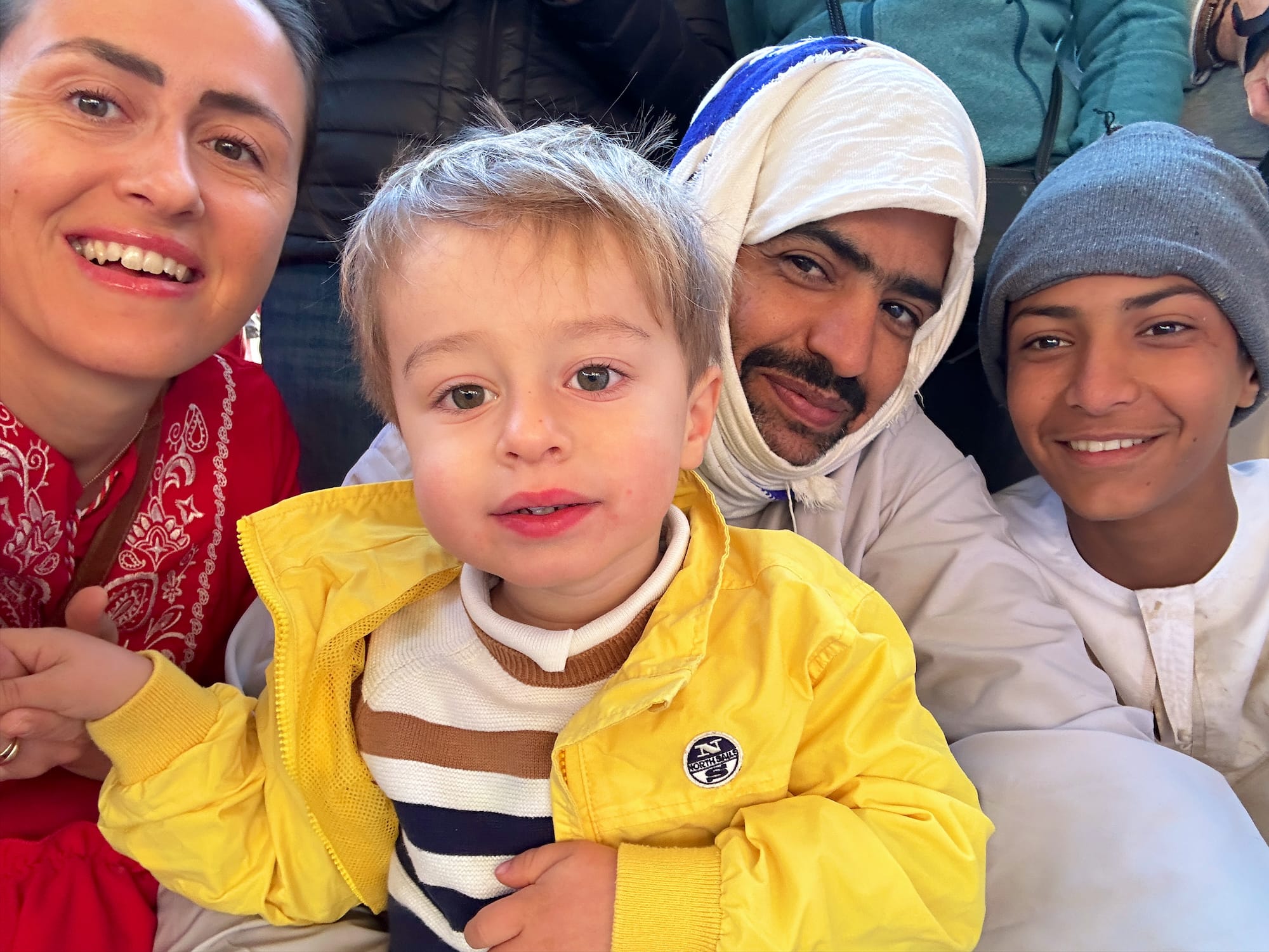
A special thank you goes to Khalifa, a friend who accompanied us in discovering his country during the first two days of our trip. We would never have ventured to explore certain places without him, and others that were more special we would not even have known how to reach — so all our thanks go to him for helping us begin our journey in the best possible way.
These are the main stops on our itinerary:
DAY 1-5:
Muscat
DAY 5-7:
Nizwa
DAY 7-8:
Wahiba Sands
DAY 8-9:
Wadi Shab, Wadi Bani Khalid and Sur
DAY 9-10:
Muscat
Muscat
For most travellers, first contact with Oman begins in its capital. An impressive city, above all in terms of sheer size: it takes more than an hour to cross it from end to end! For this very reason we decided to dedicate a separate article to it, which we will publish in the coming days.
Nizwa: a tradition that lives on
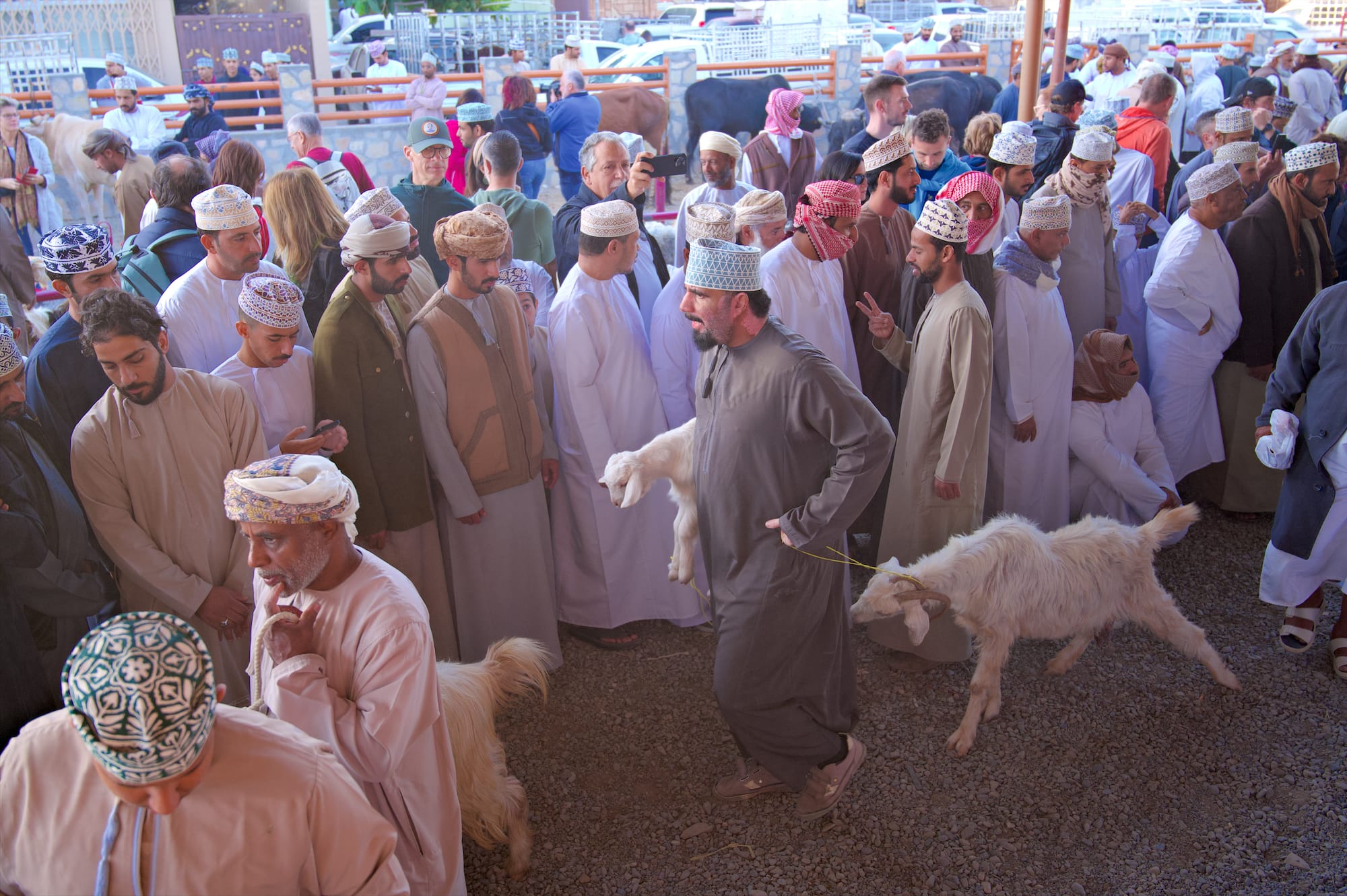
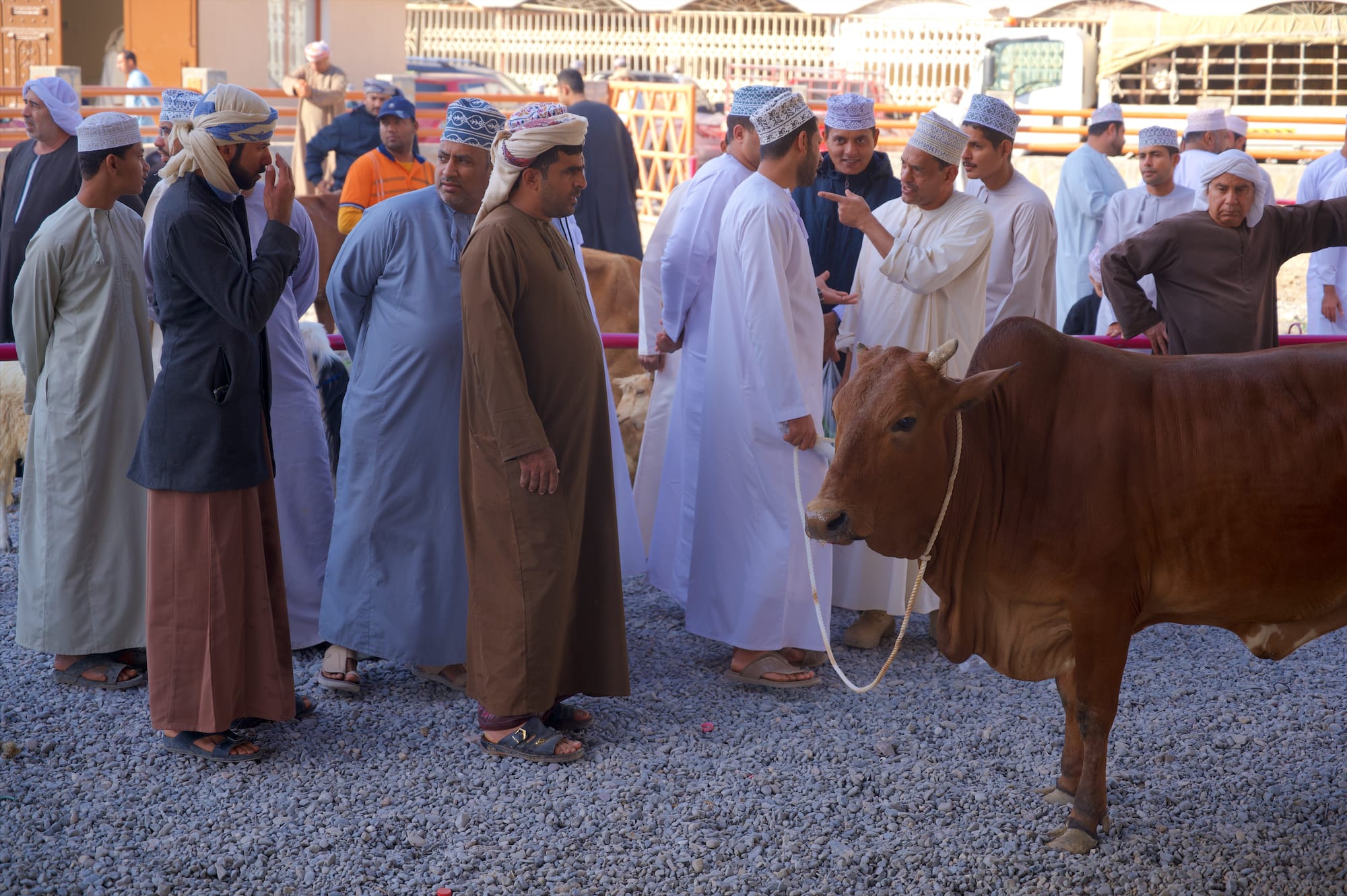
Visiting Nizwa,once the country’s capital, is the equivalent of an authentic journey into traditional Omani life. Plan to arrive in Nizwa on Thursday evening: on Friday morning the legendary livestock market is held here, an event that is worth the trip on its own. We arrived just before 6 a.m. in the morning because that is precisely when one of the most authentic spectacles you can witness in Oman begins — not yet spoiled by the tour groups that usually (thankfully) arrive a few hours later.
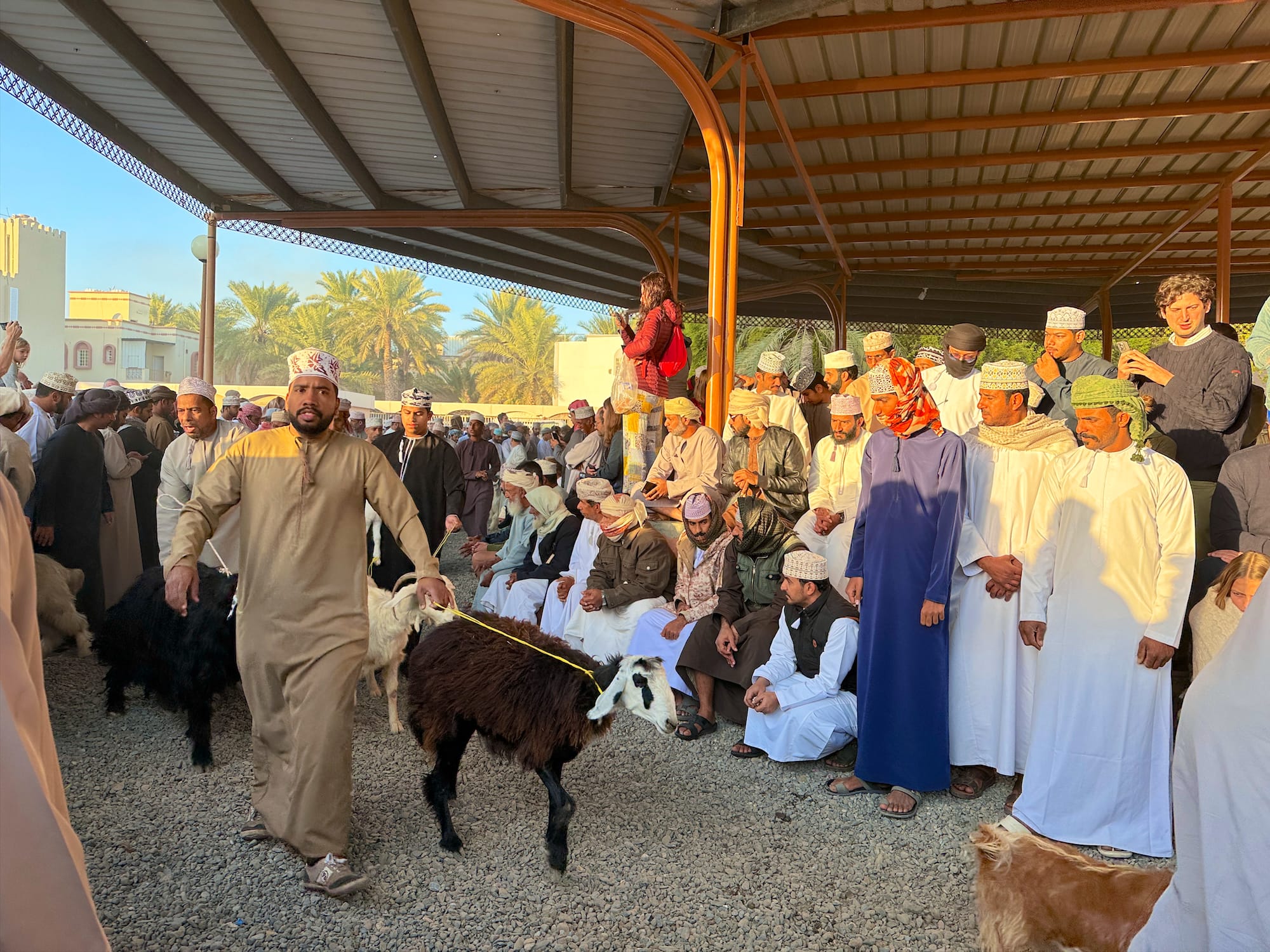
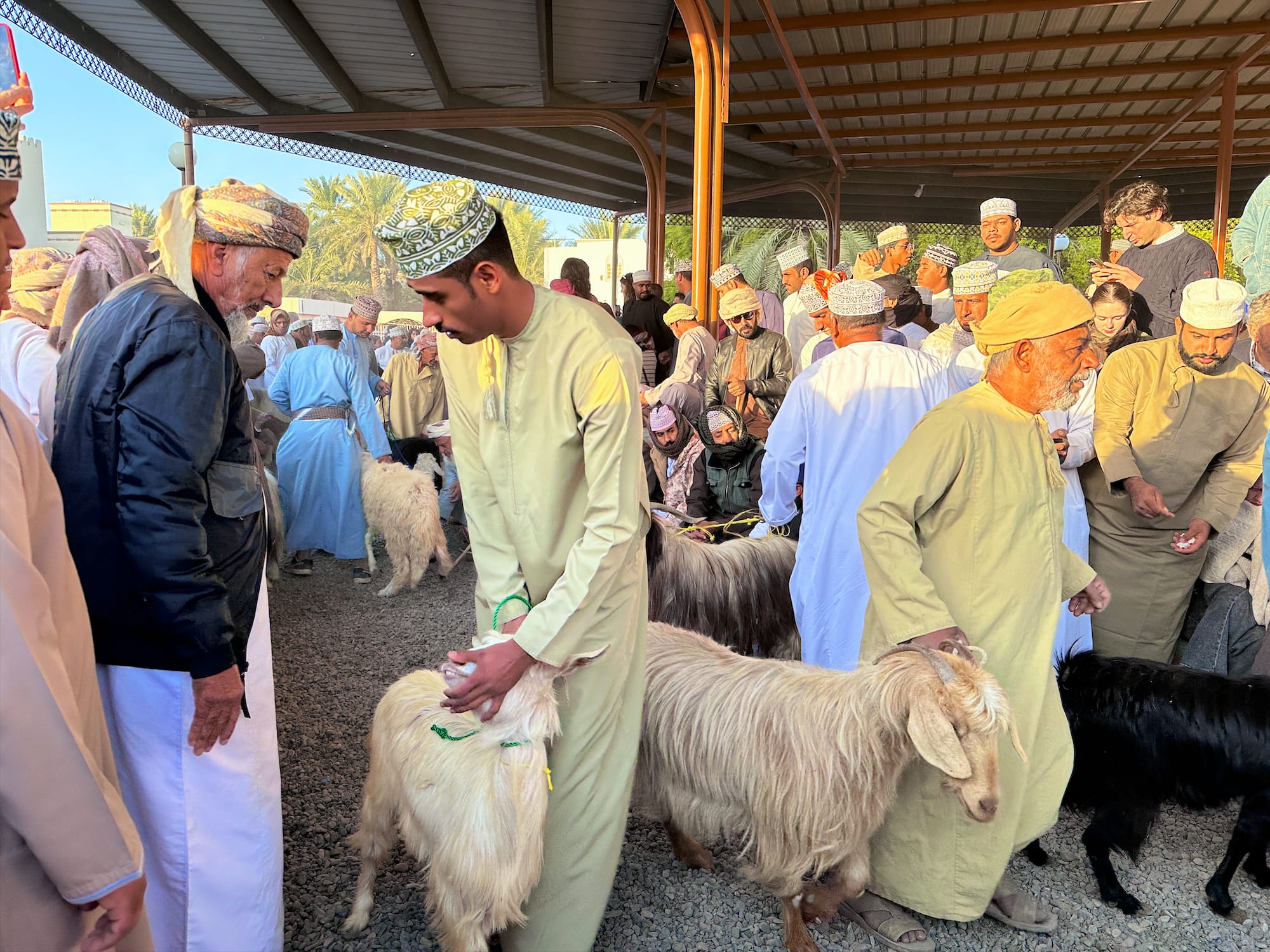
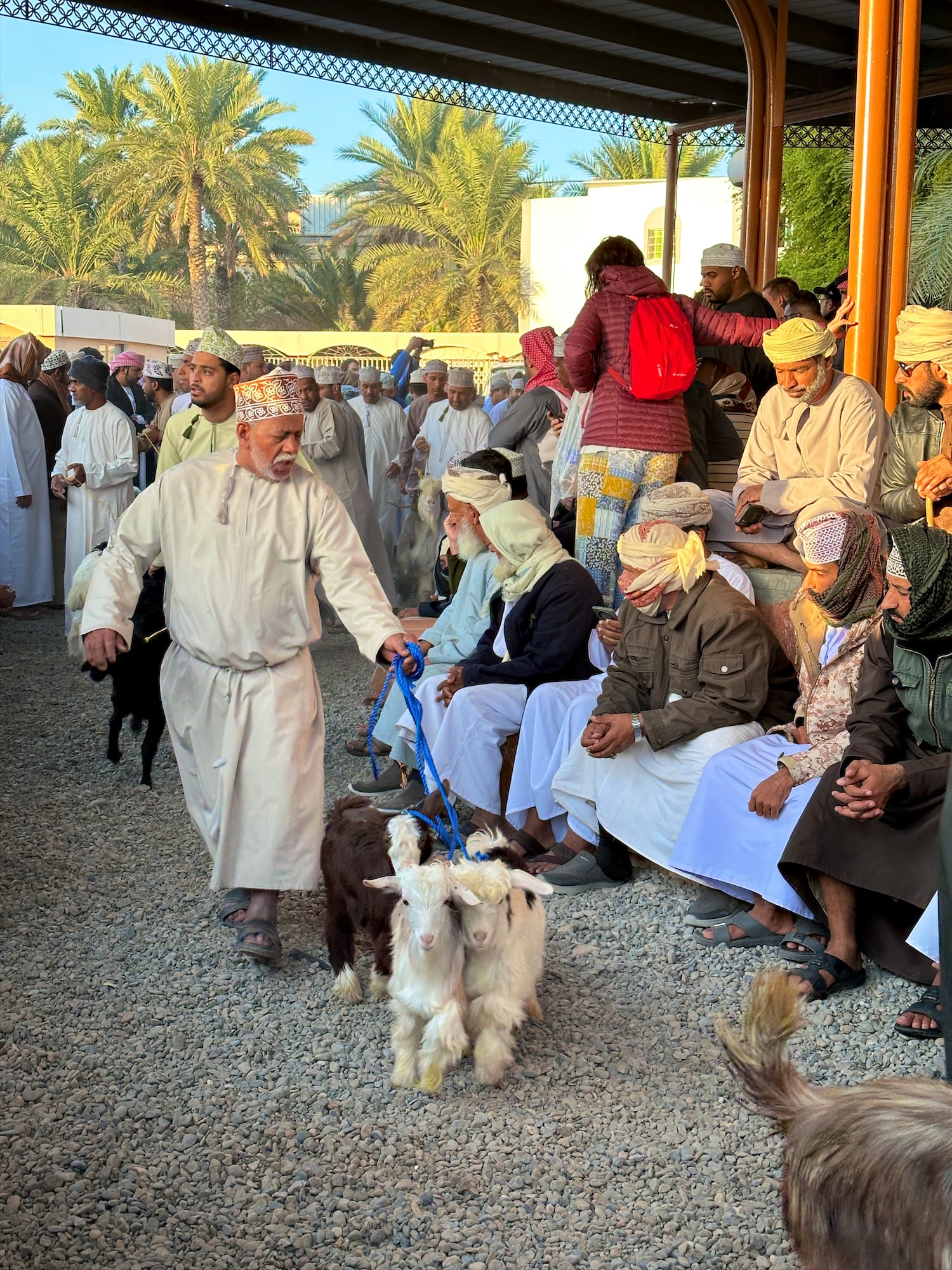
The Nizwa livestock market at the crack of dawn
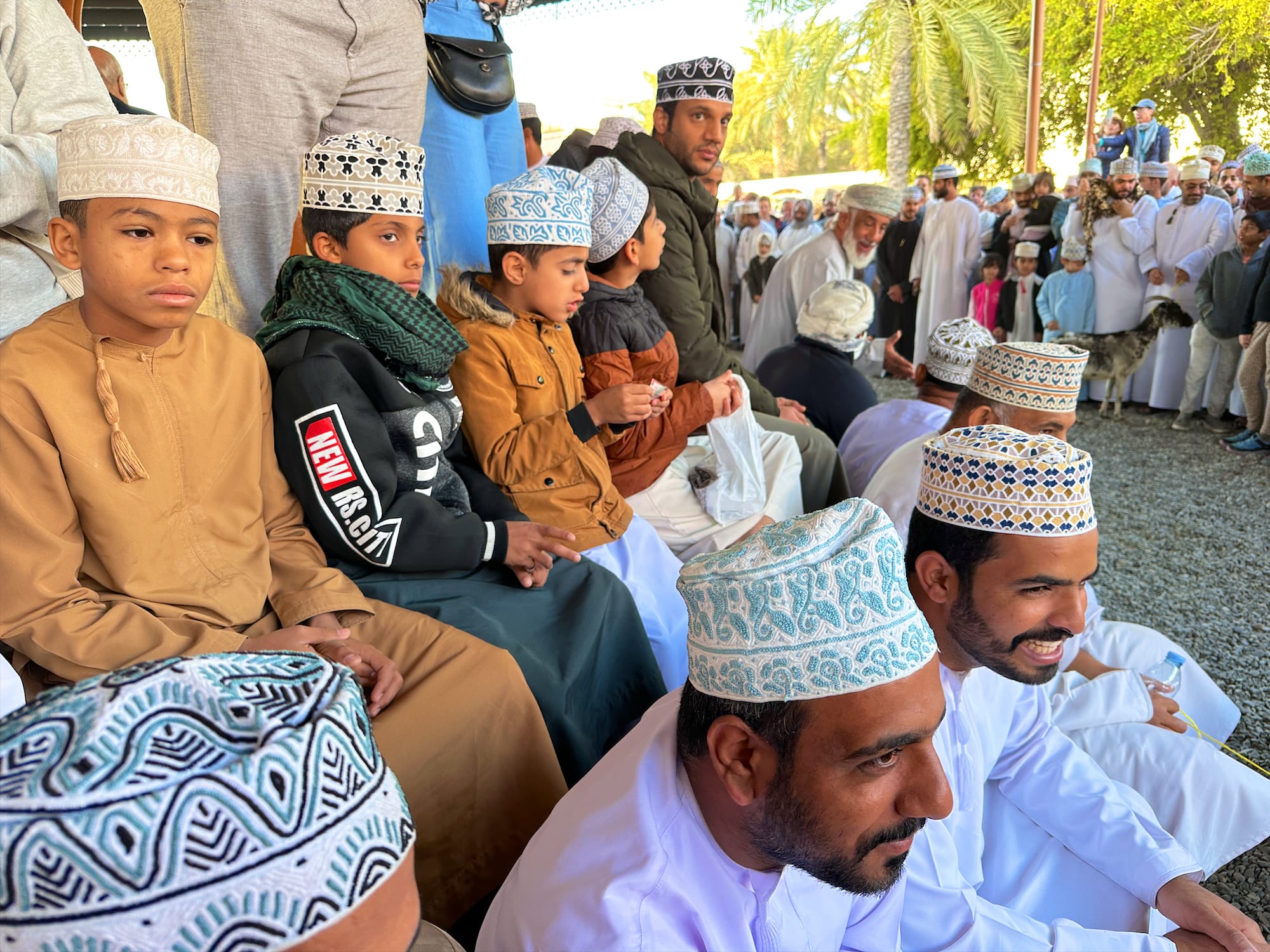
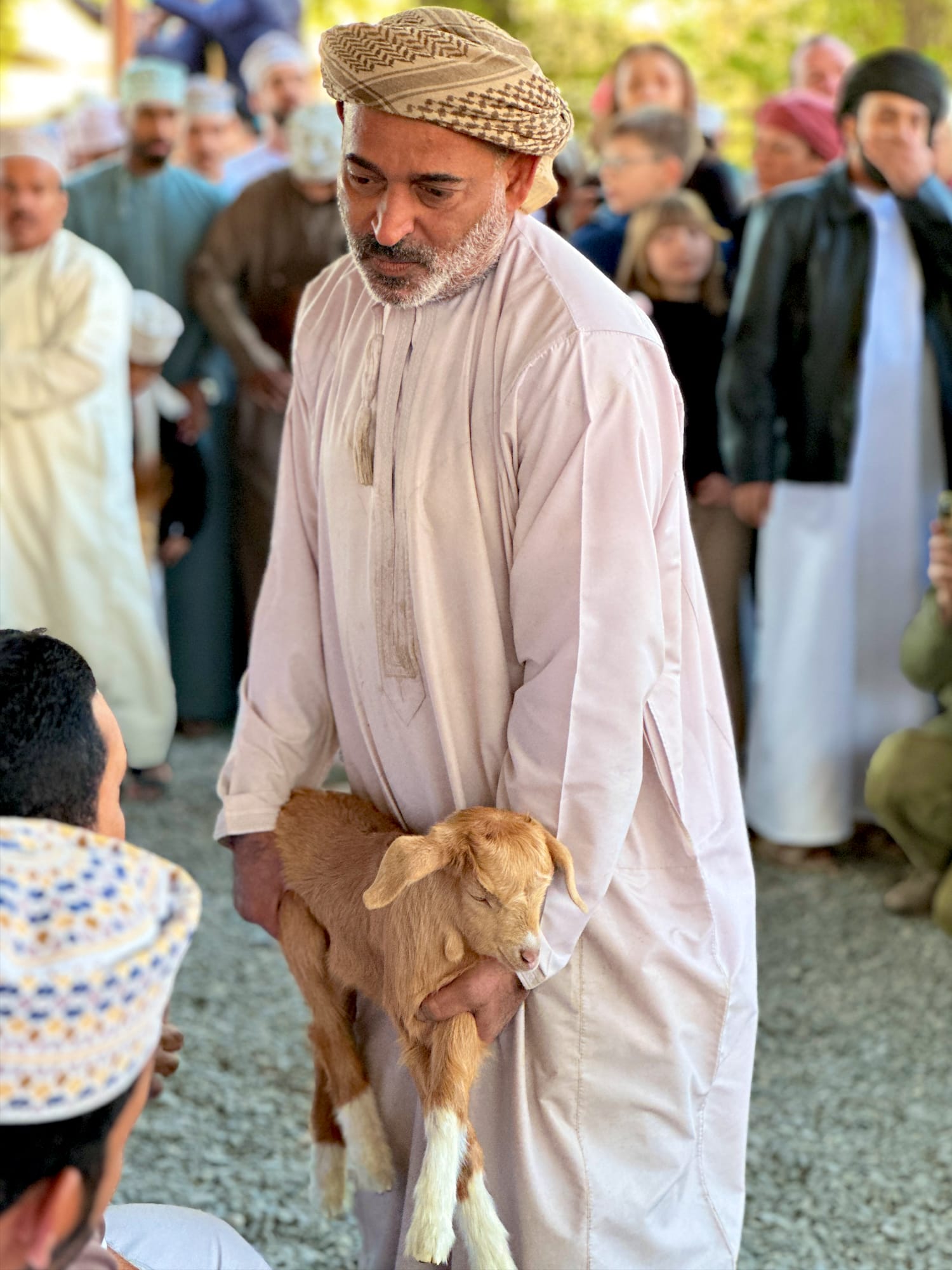
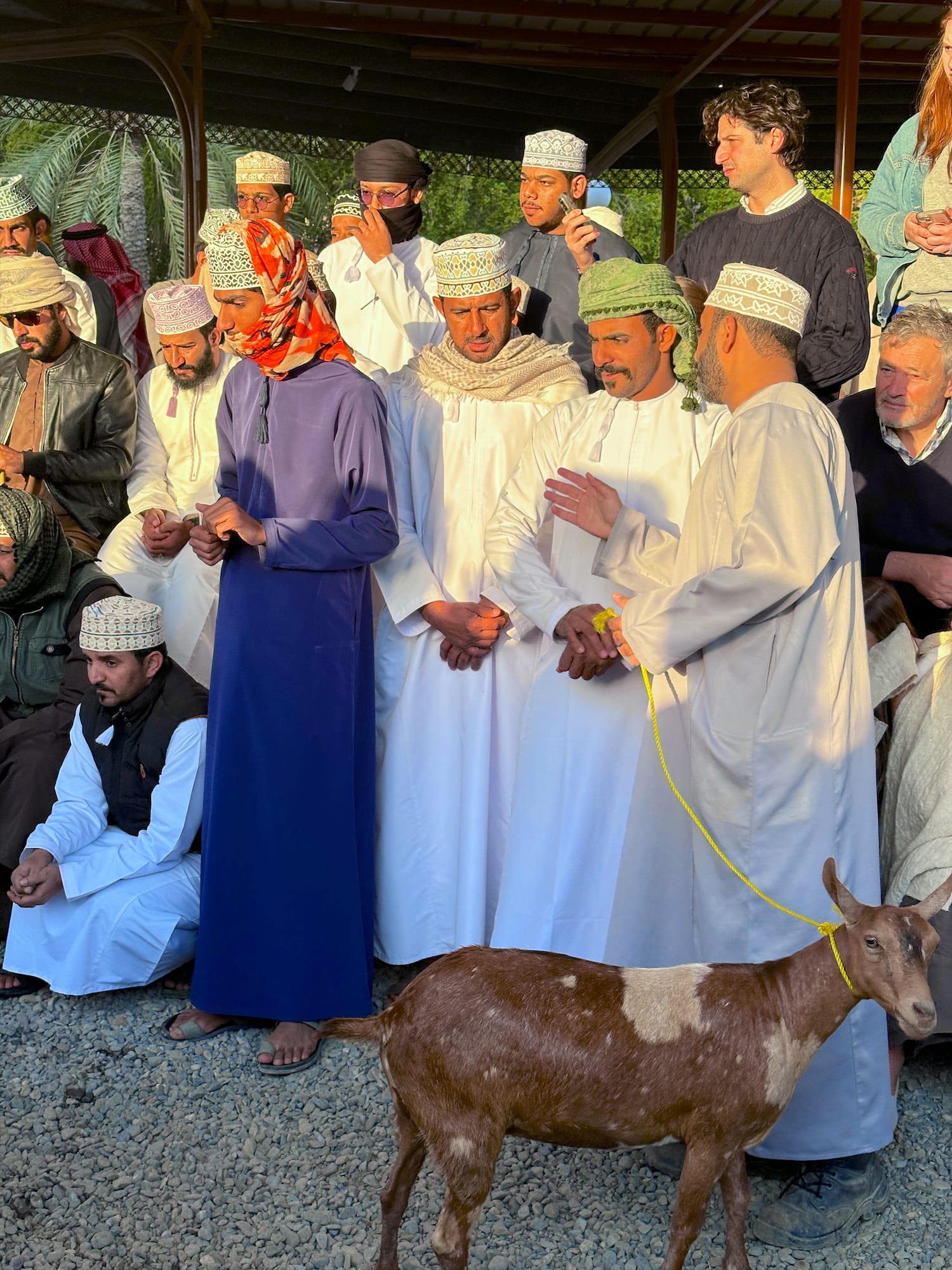
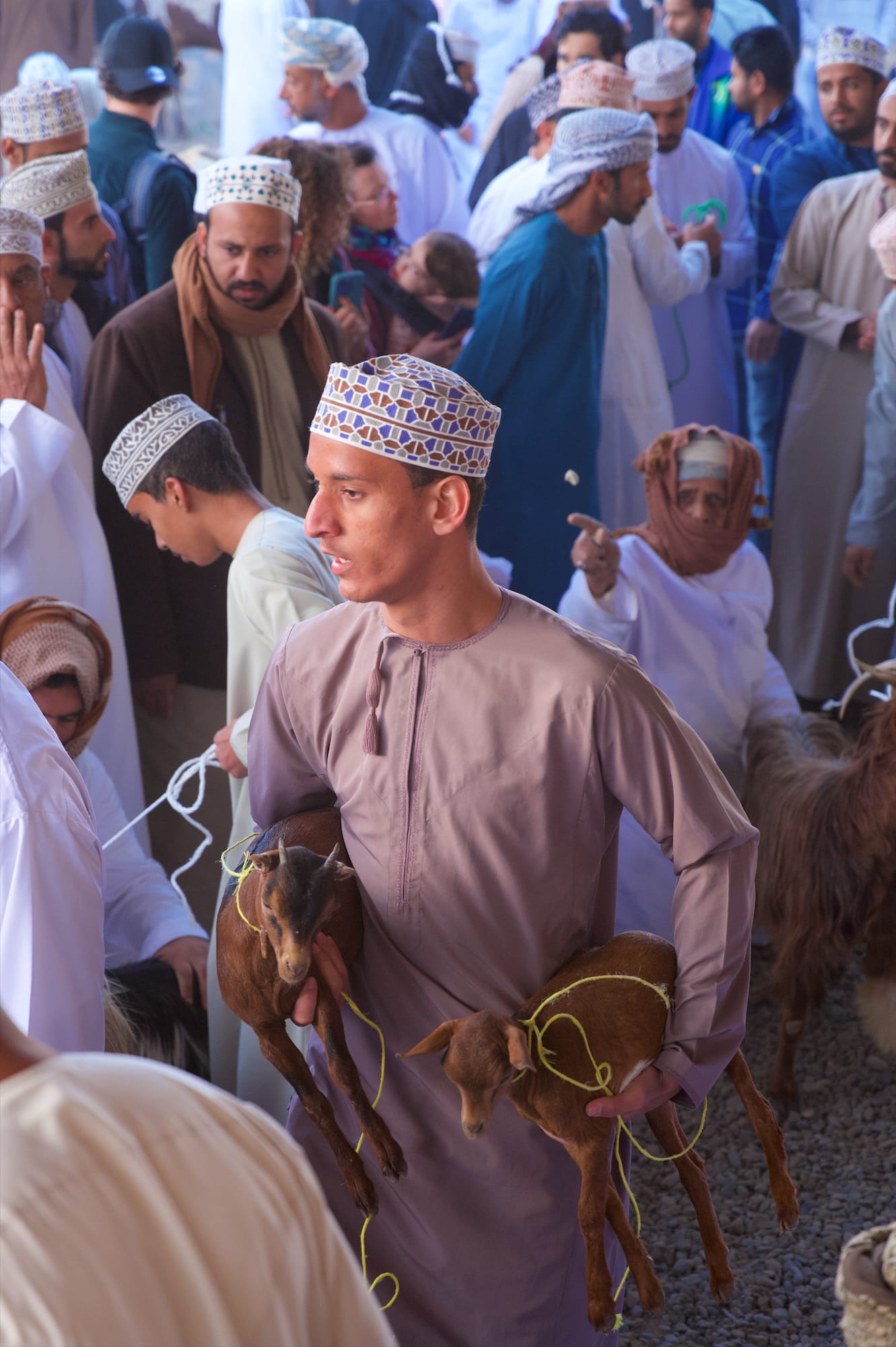
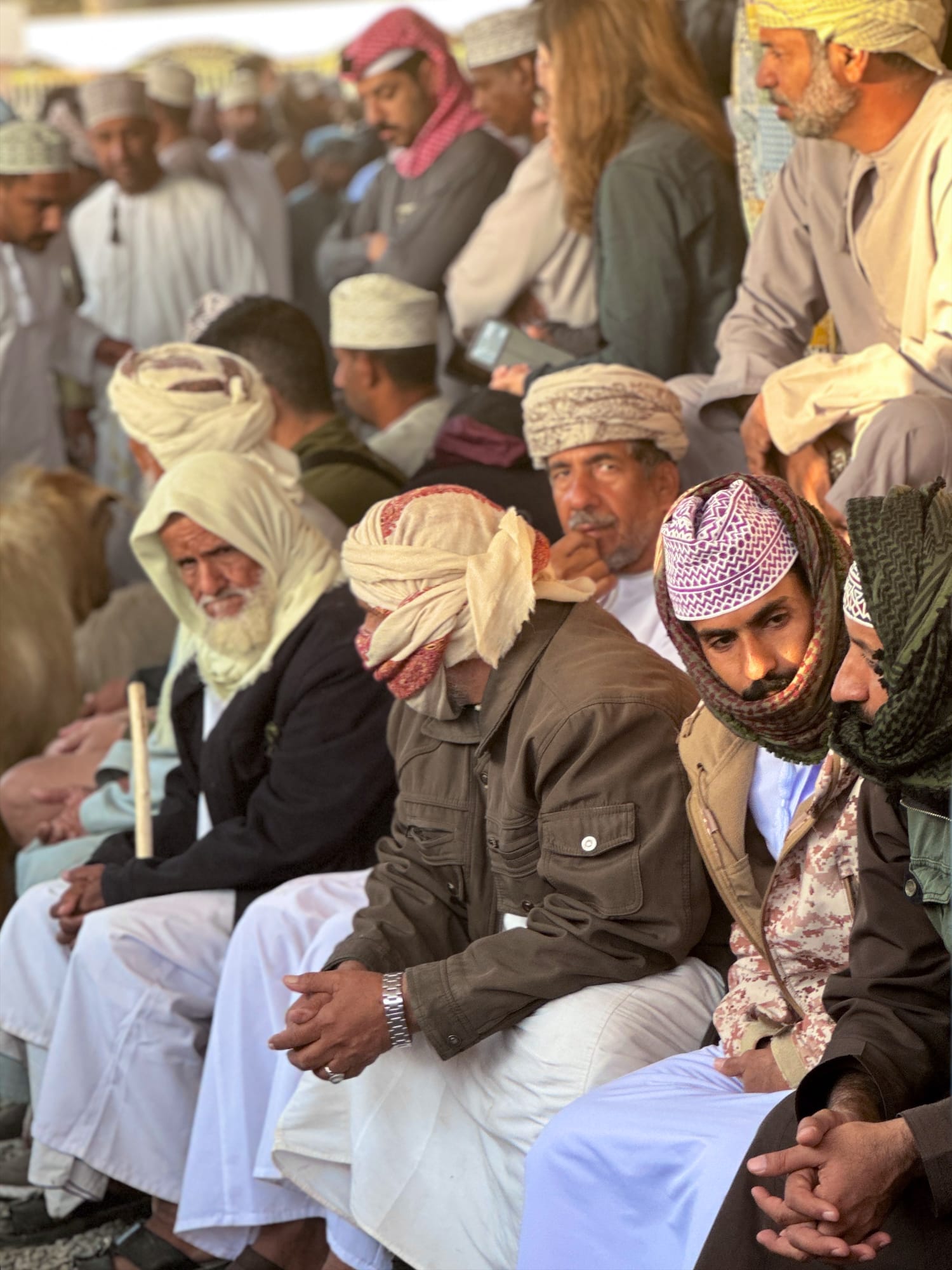
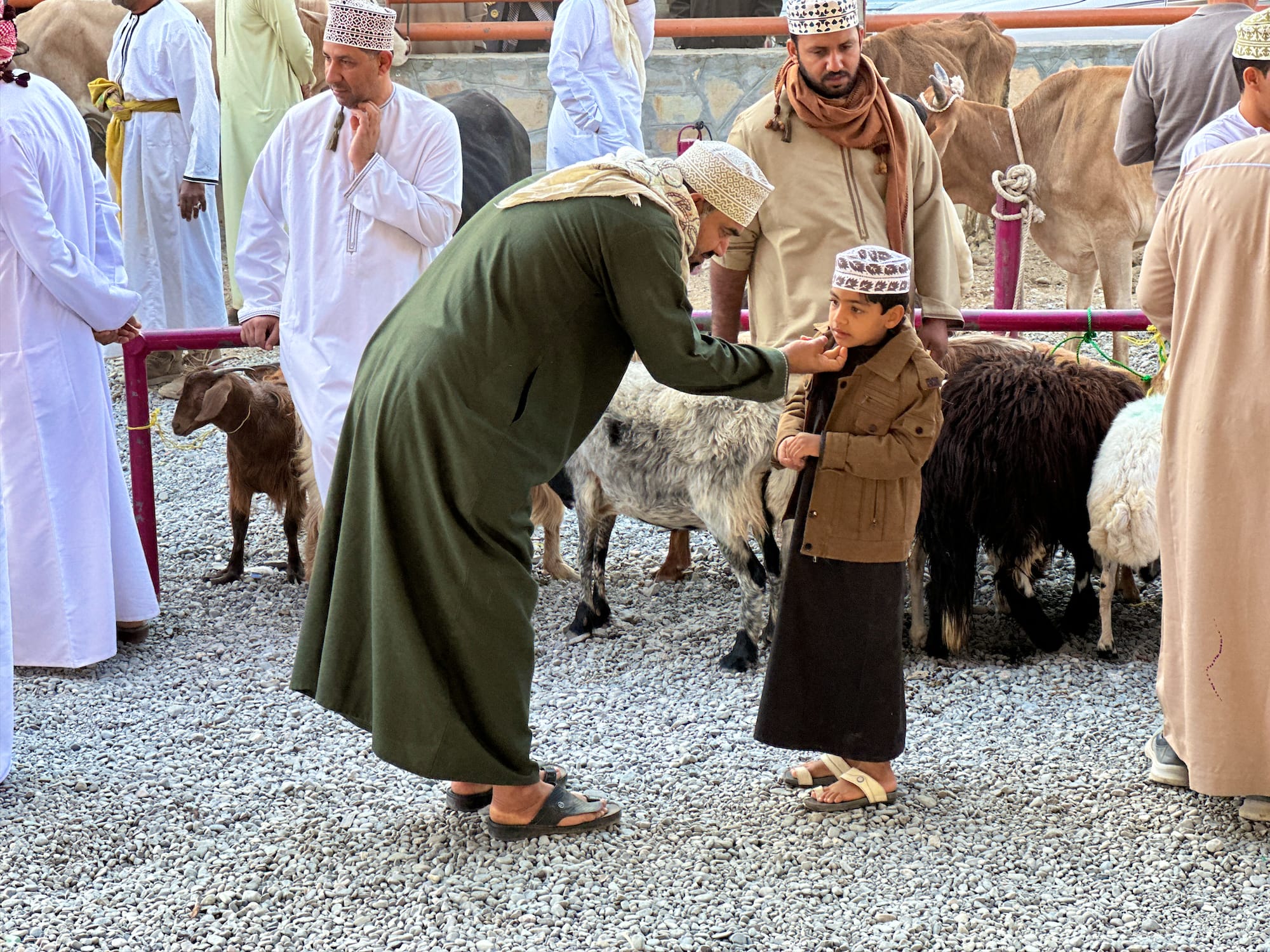
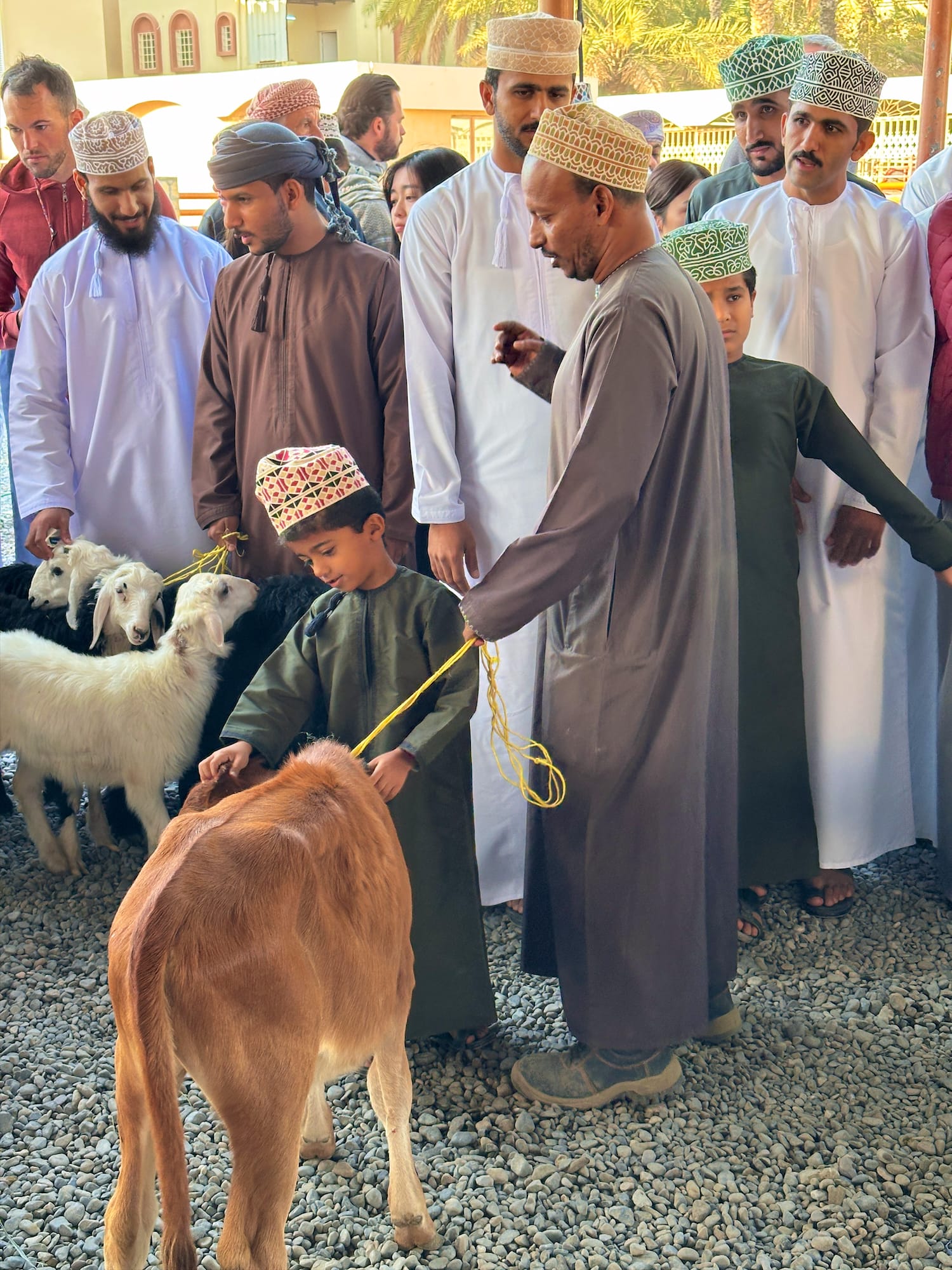
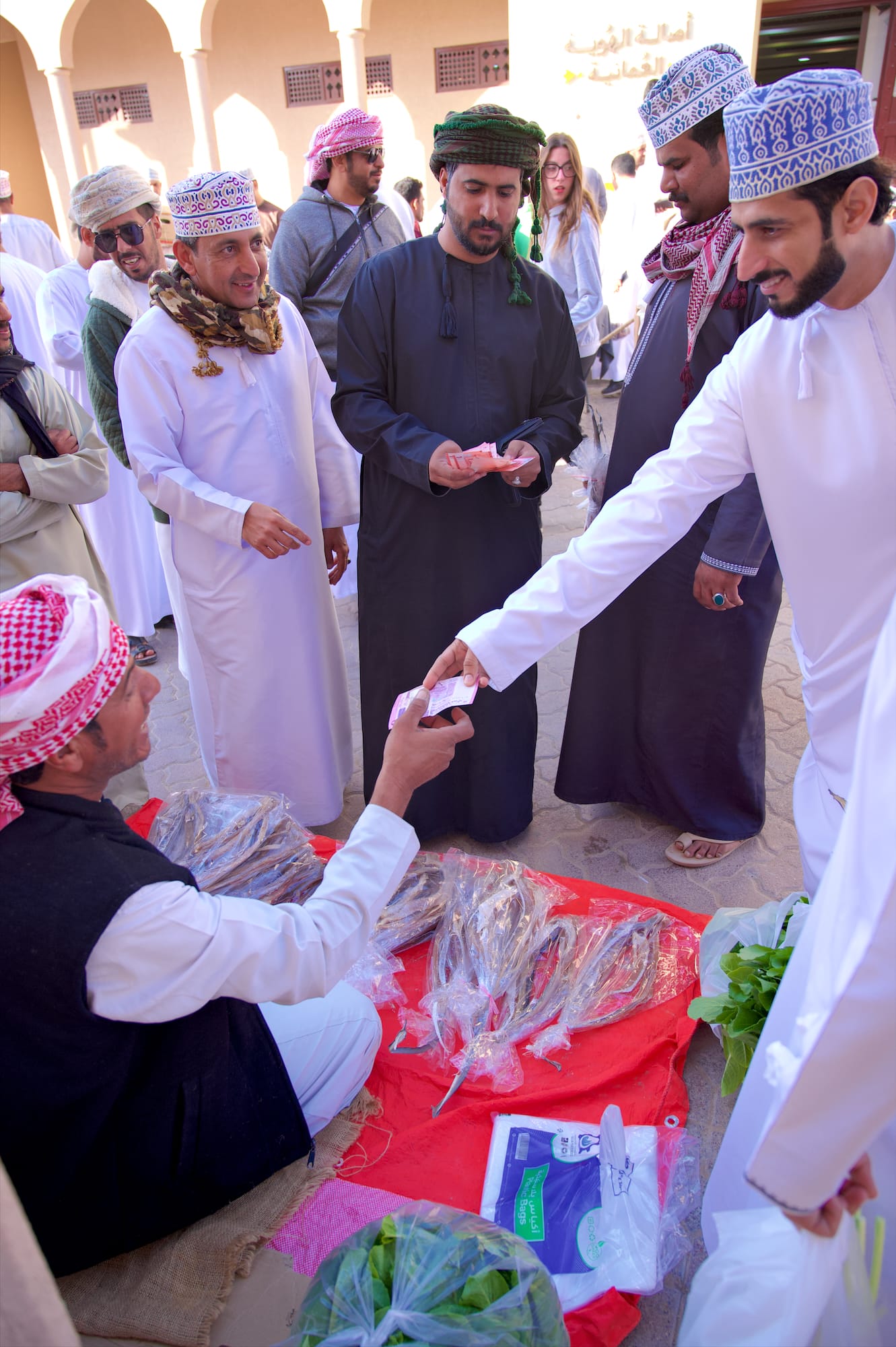
The market takes place in a circular open space next to the souq and the auction proper begins around seven. The animals are paraded in a circle while the sellers extol their qualities with great enthusiasm. Prospective buyers, seated around the space, watch attentively: they check teeth, feel the muscles, examine the coat, assess the gait. All the men wear the dishdasha in light colours, and the kummah on their heads. For anyone who loves photography, this is paradise: proud faces, concentrated expressions, gestures full of meaning.
Still the livestock market — after the goats, it’s time for the cattle
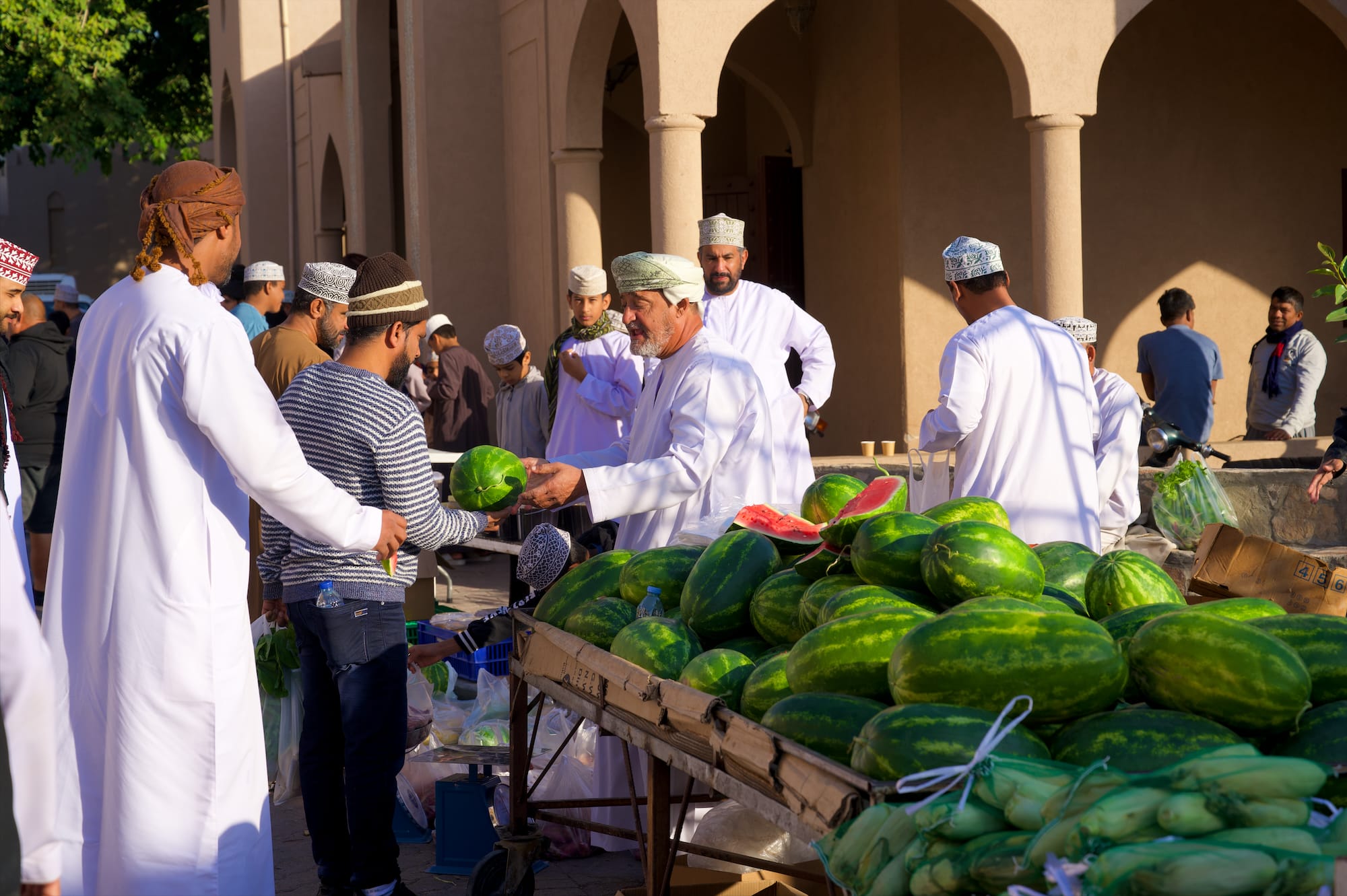
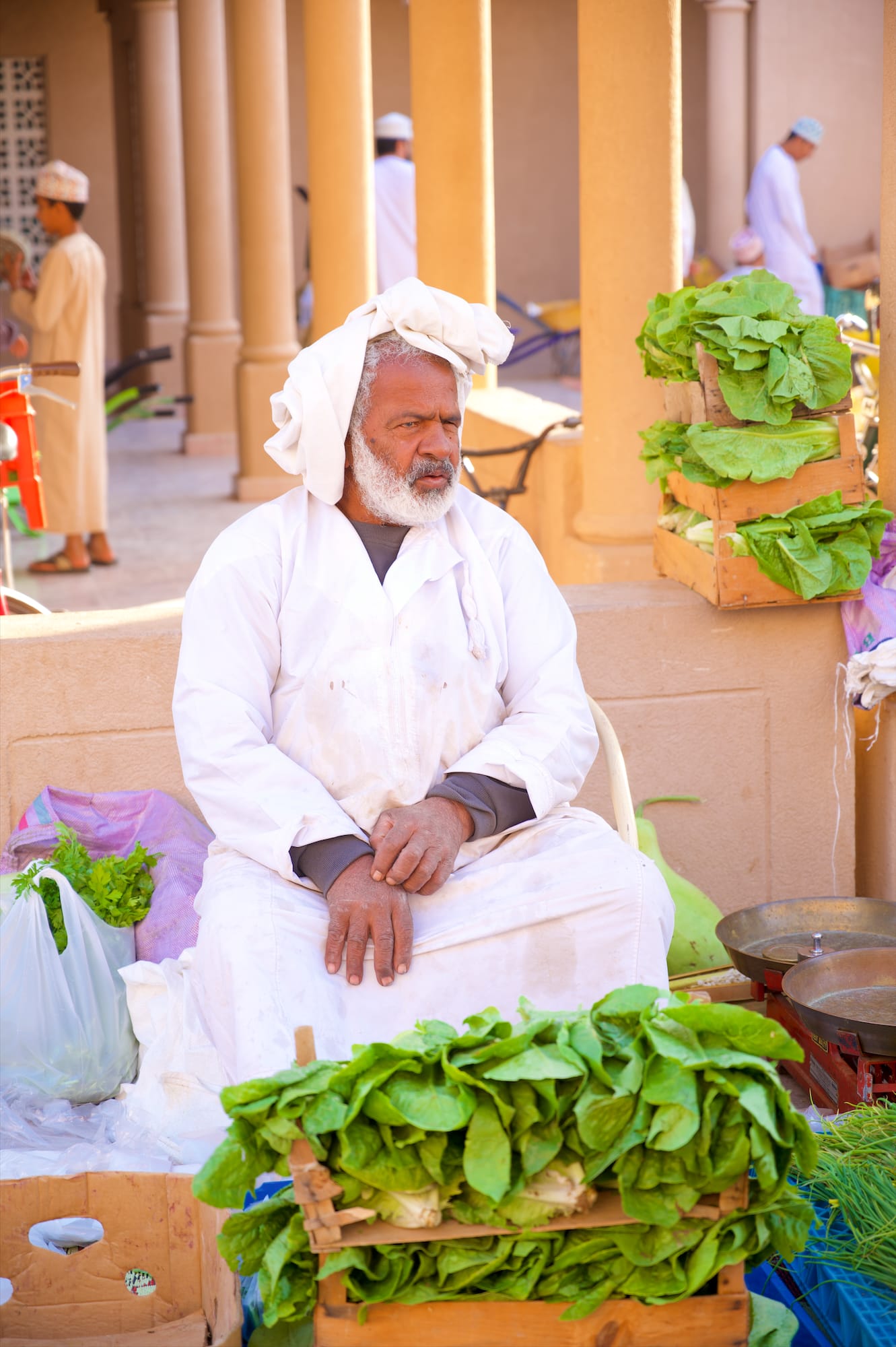
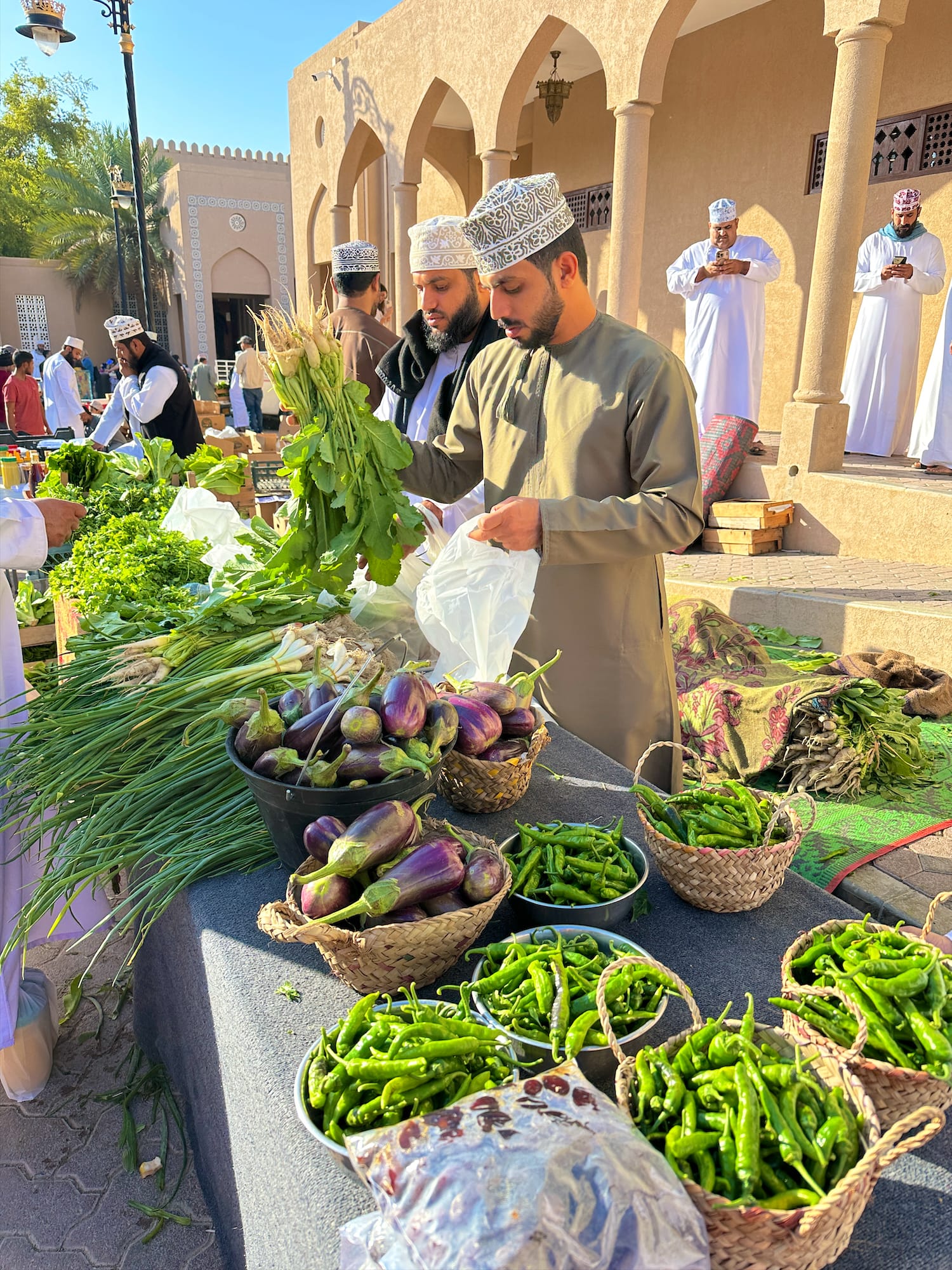
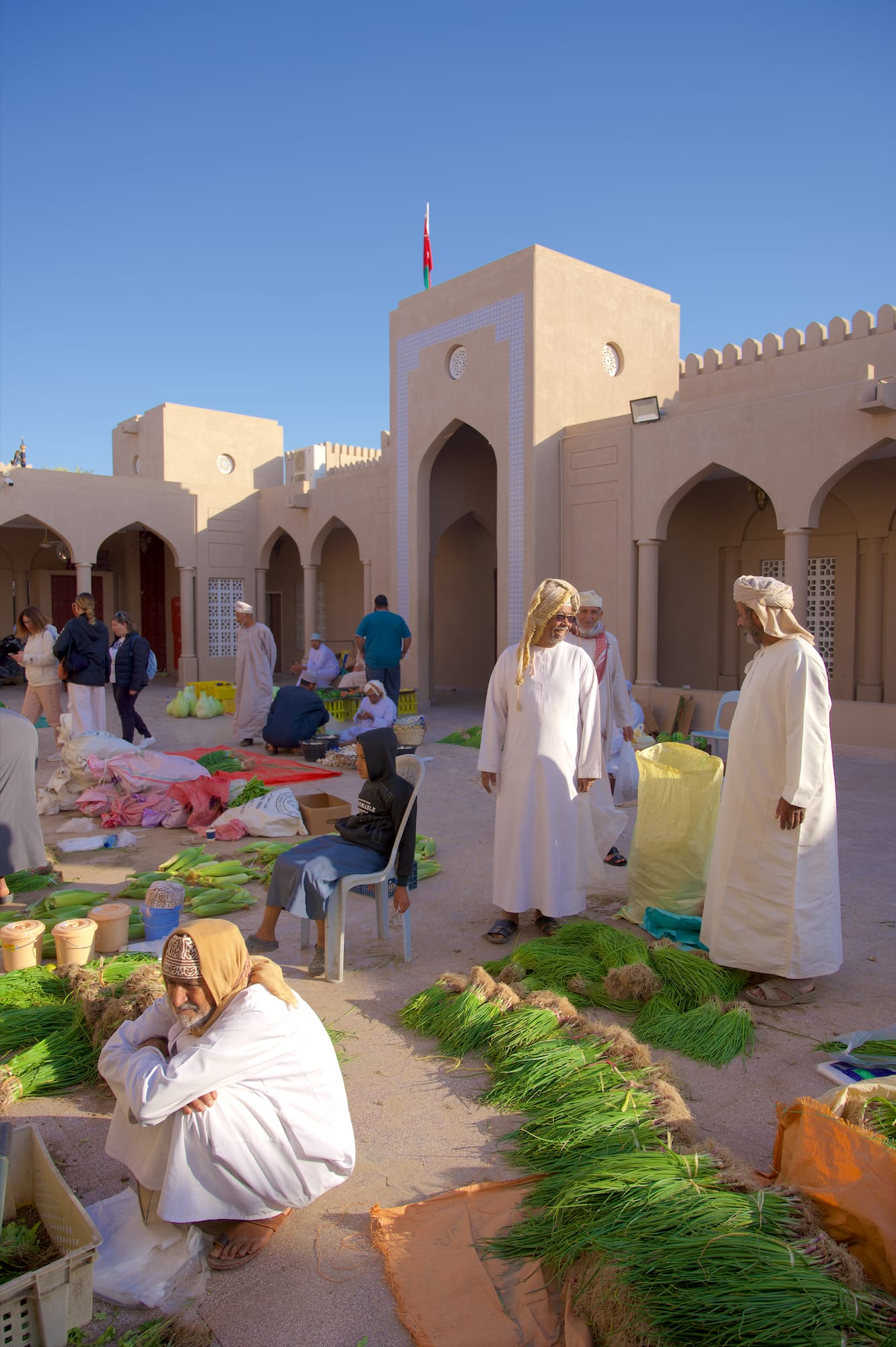
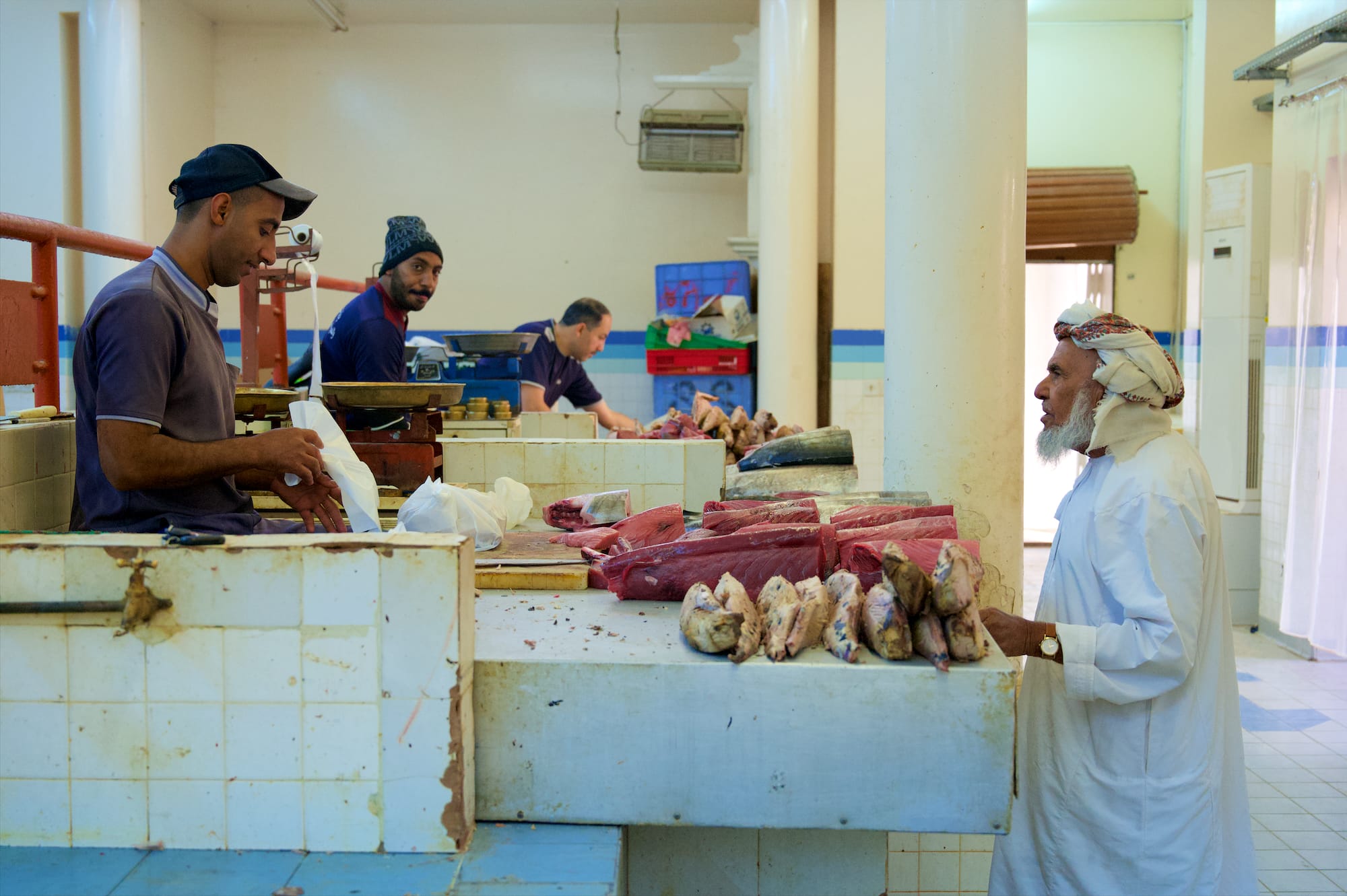
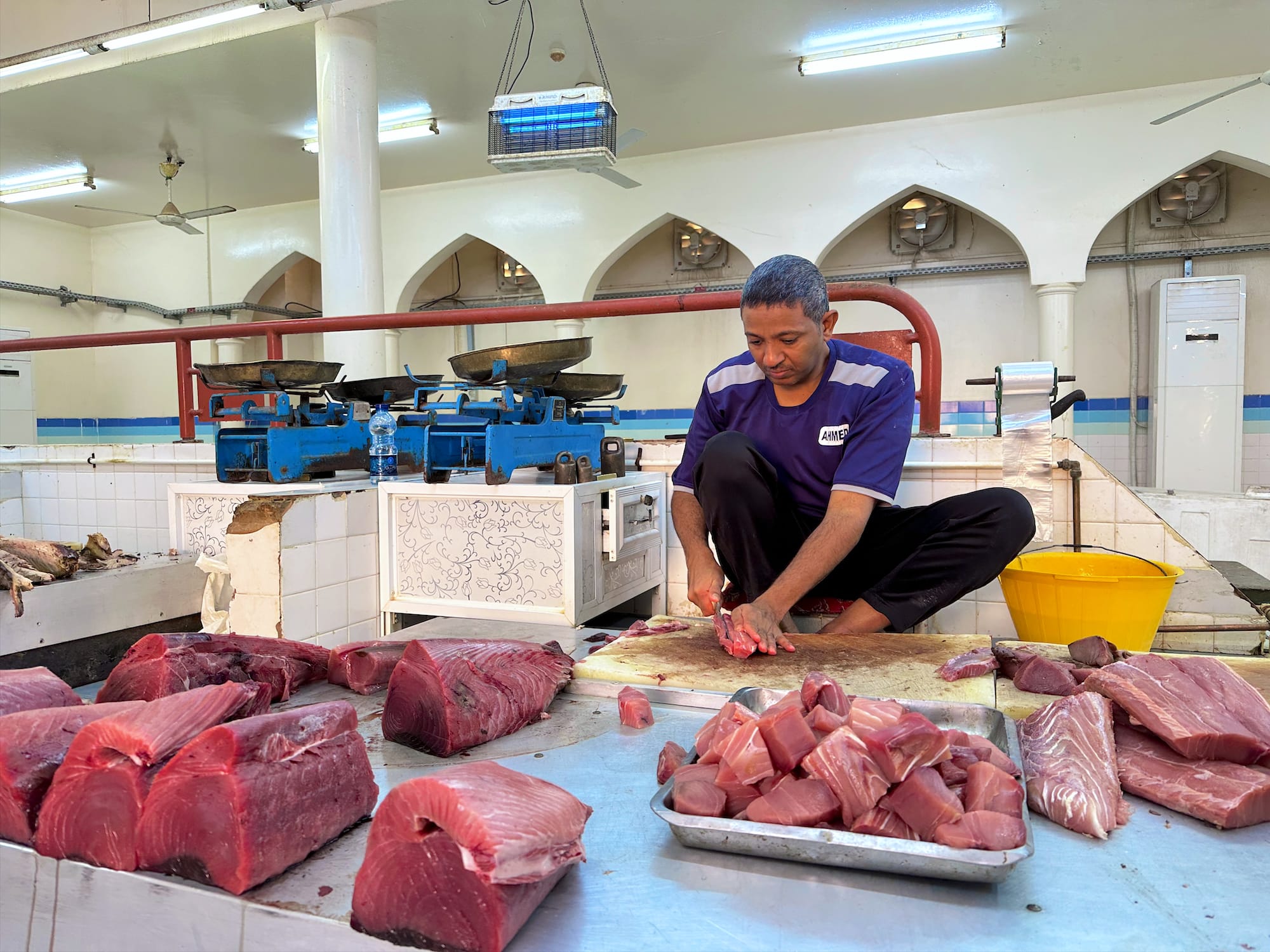
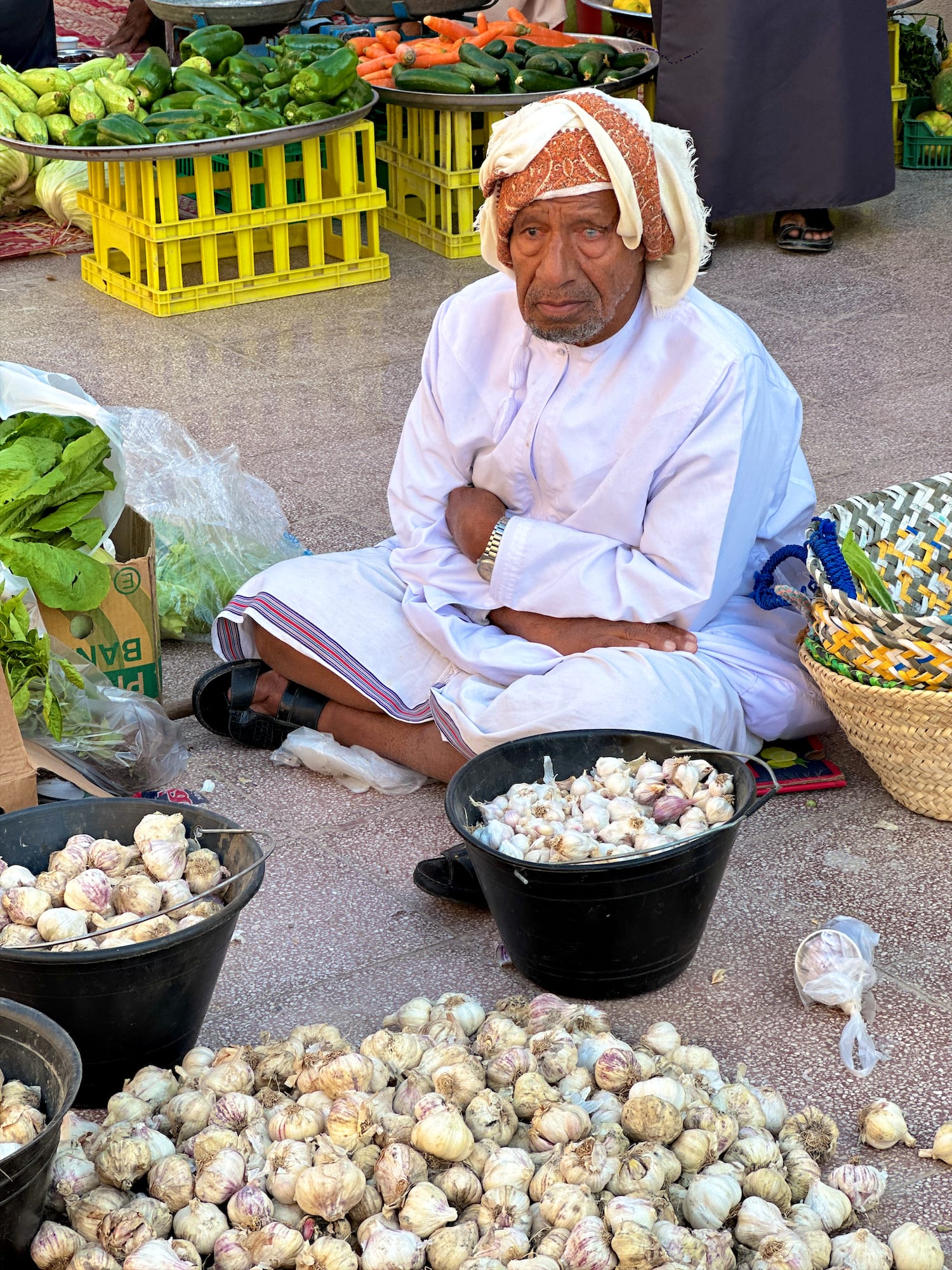
Once you have watched this bargaining ritual for a while, move on to the nearby souq, one of the largest and most fascinating in Oman. Renovated while retaining its traditional character, the market is divided into several sections, each dedicated to specific products. The more modern area houses the fruit-and-vegetable, meat and fish market, frequented mainly by local people. It is interesting to observe how in Oman it is mainly men who do the food shopping, even though it is the women who cook.
Fish, vegetables — you can find a little of everything here
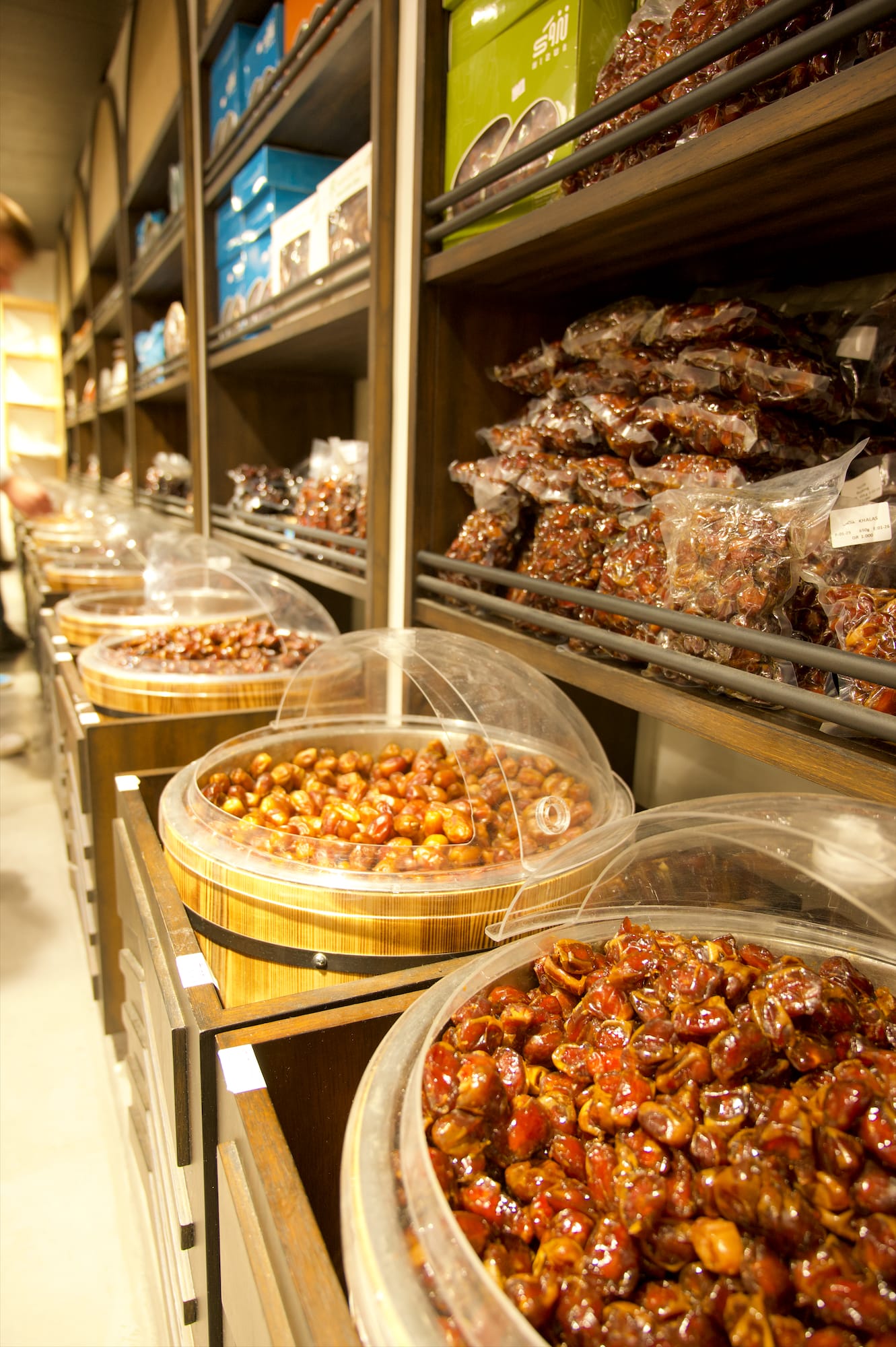
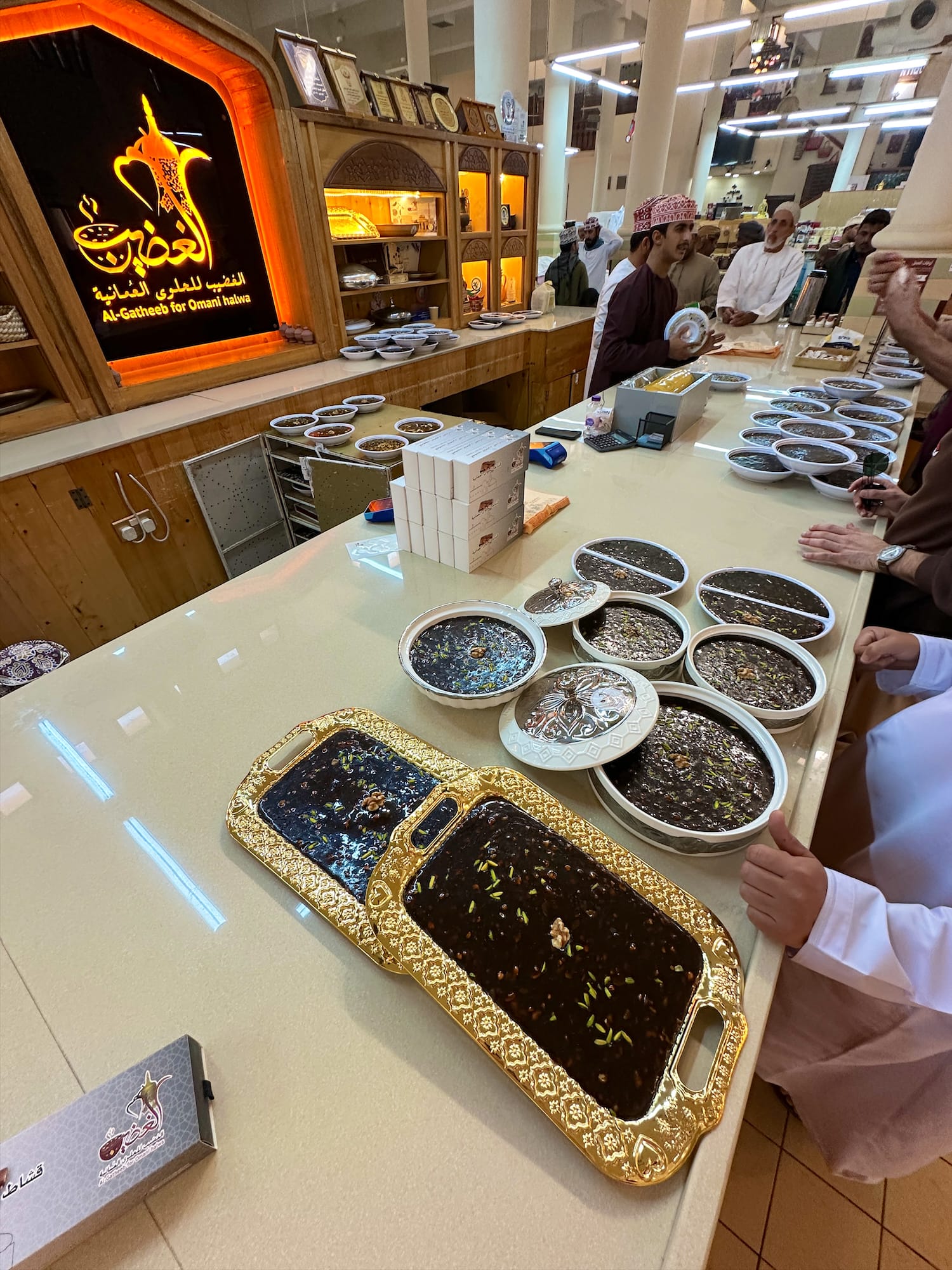
The sweetest part of the souq is the section dedicated to dates and halwa, the traditional Omani sweet made from flour and clarified butter flavoured with saffron, rose water and dried fruit, of which we became particularly fond. Browse the various stalls and taste the different versions to decide which you prefer. The dates of Nizwa are considered the finest in all of Oman — you will find dozens of different varieties: taste them to choose your favourite. We went for the Farah!
Sweet treats from Oman: dates and halwa
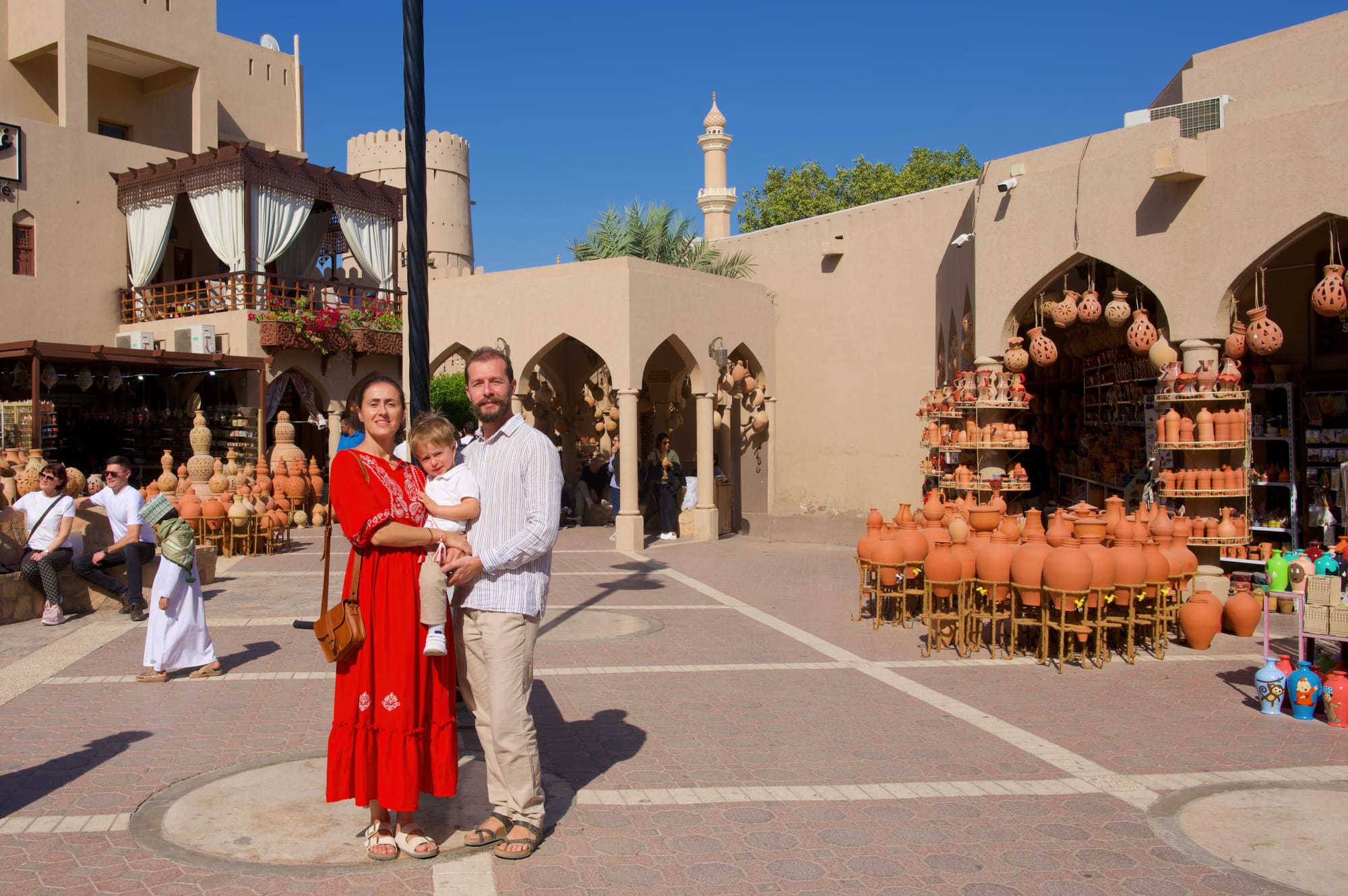
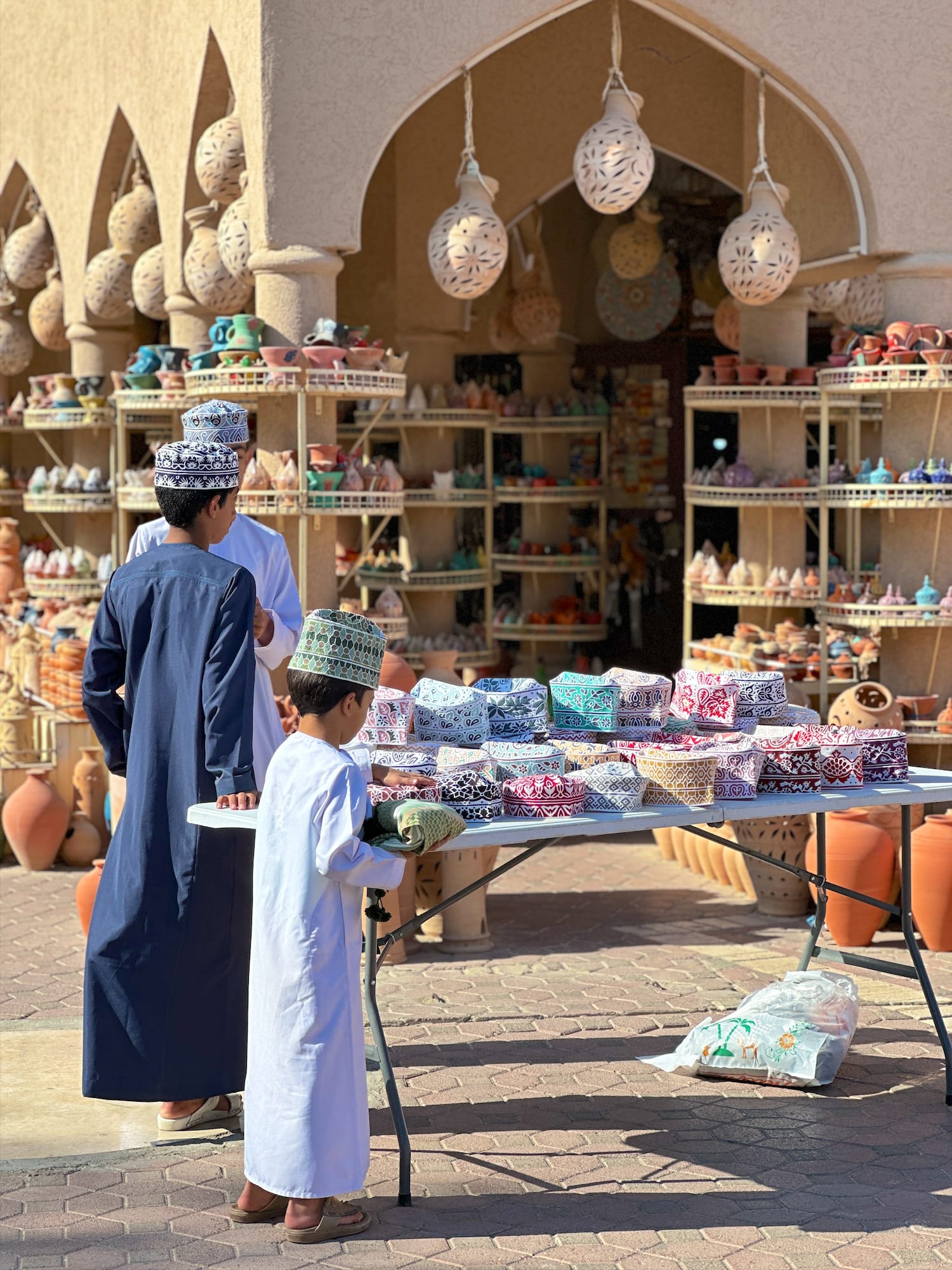
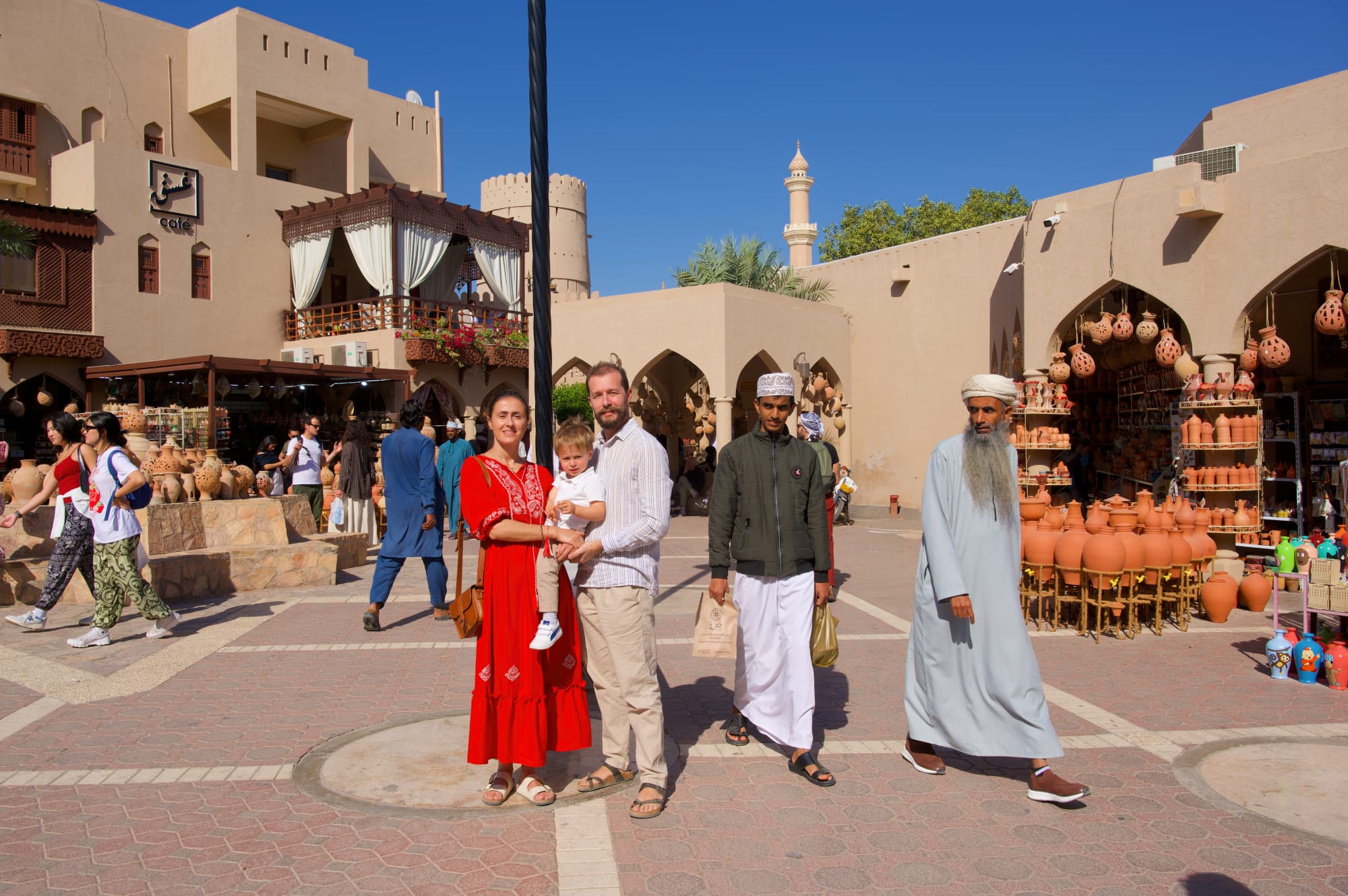
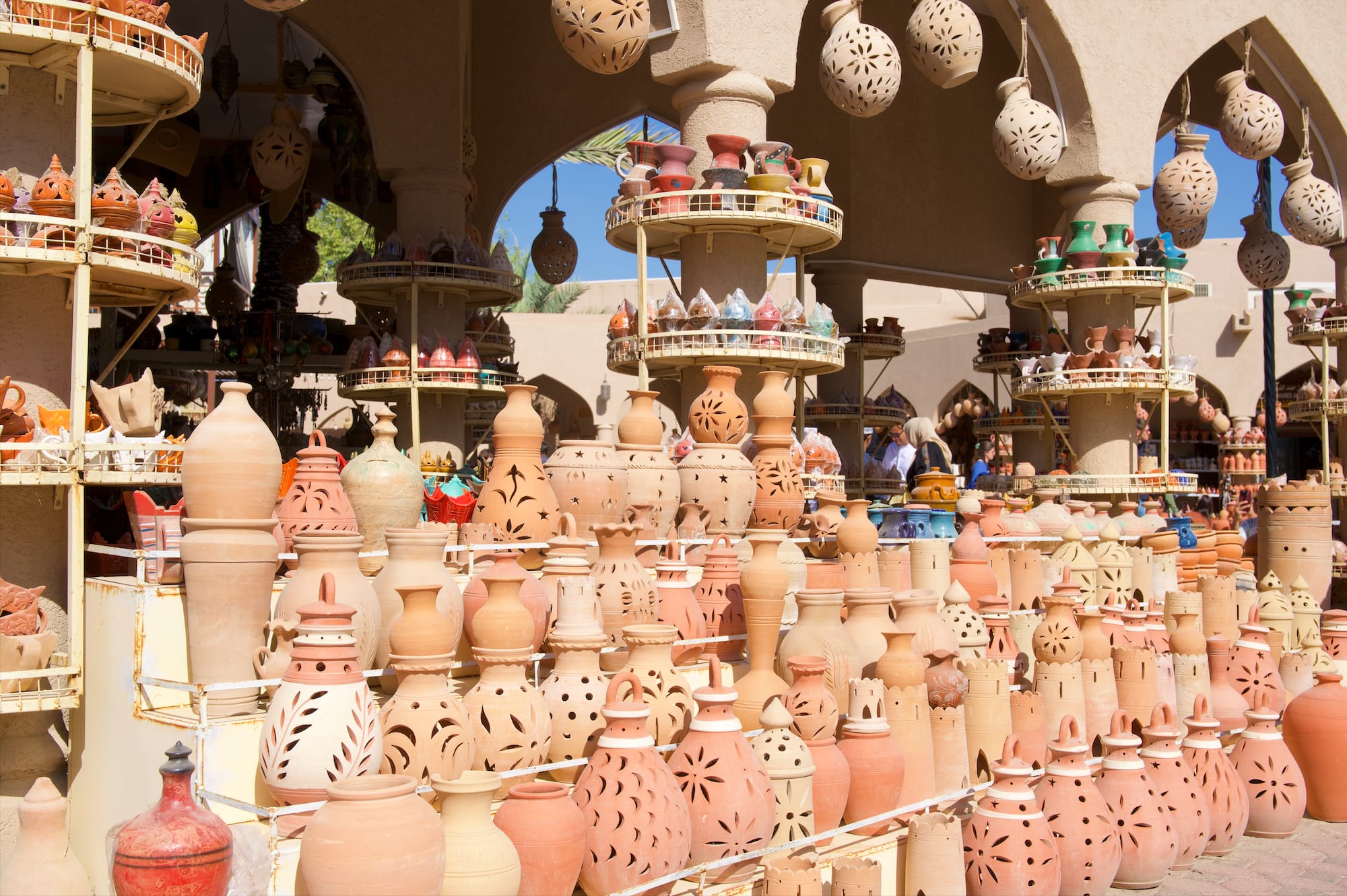
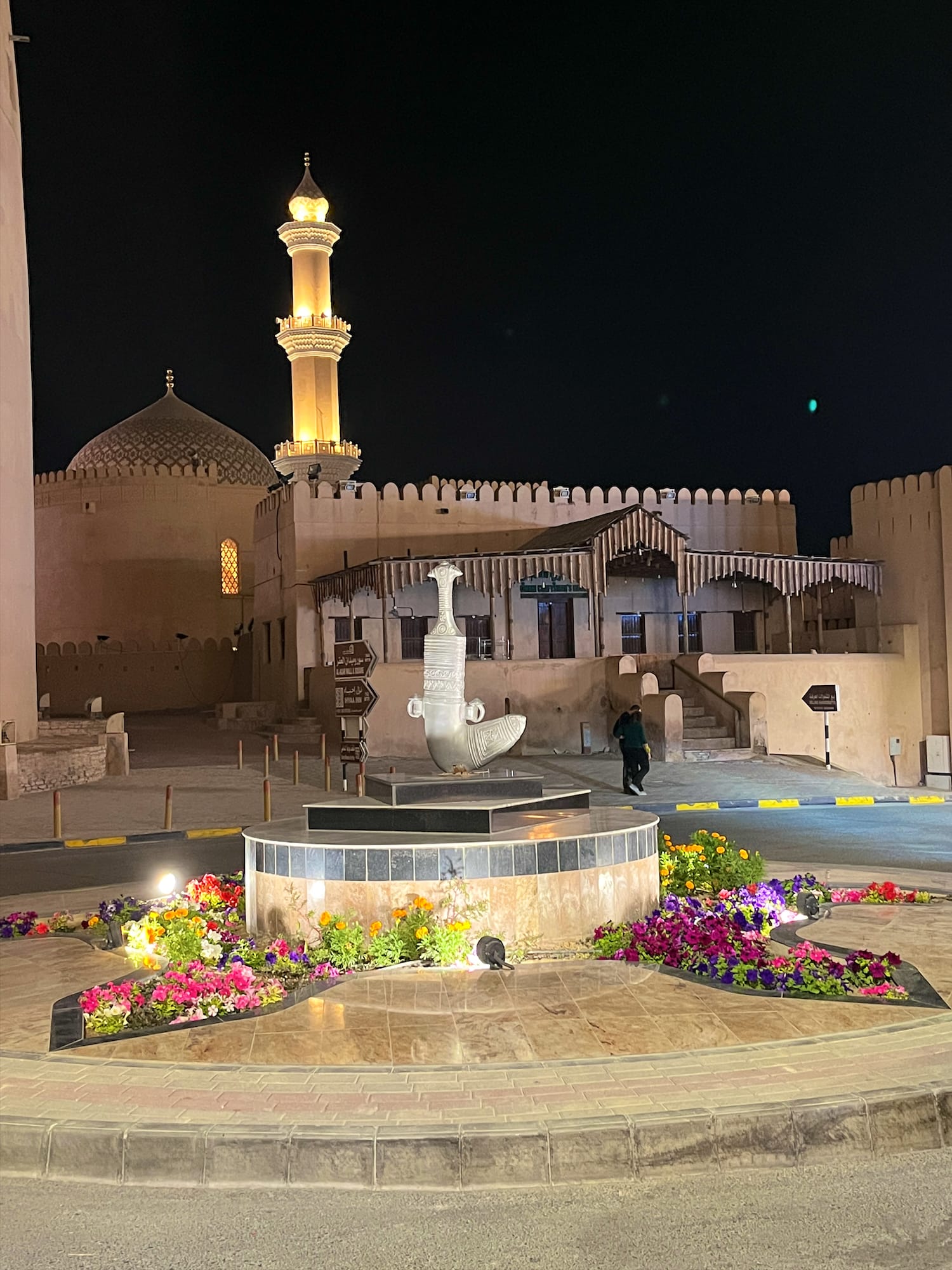
In the craft section you will find terracotta, ceramics, textiles, wicker baskets and above all silverwork, for which Nizwa is famous throughout the Arabian Peninsula. Among the most distinctive products are the khanjar, the traditional curved daggers (also depicted at the centre of Oman’s flag) that men today wear during official ceremonies or keep at home as decorative objects.
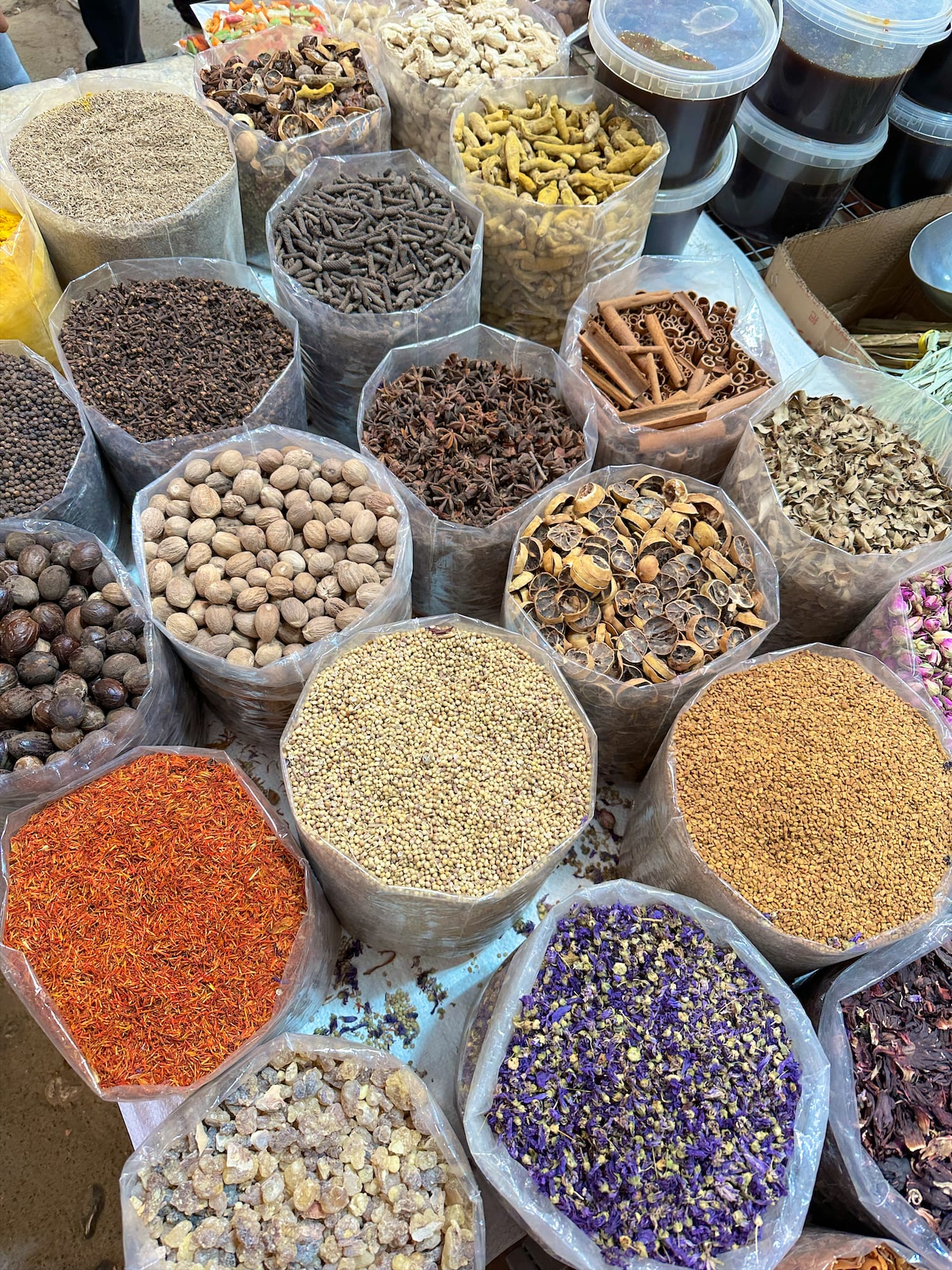
Hats, ceramics, souvenirs of every kind — and above all spices!
Do not miss the old part of the souq, the section not yet restored, with its stone arches and narrow passageways. This is where you will find Omani spices in all their chromatic vibrancy. We bought omani masala, a traditional spice blend from Oman used mainly in meat and rice dishes.
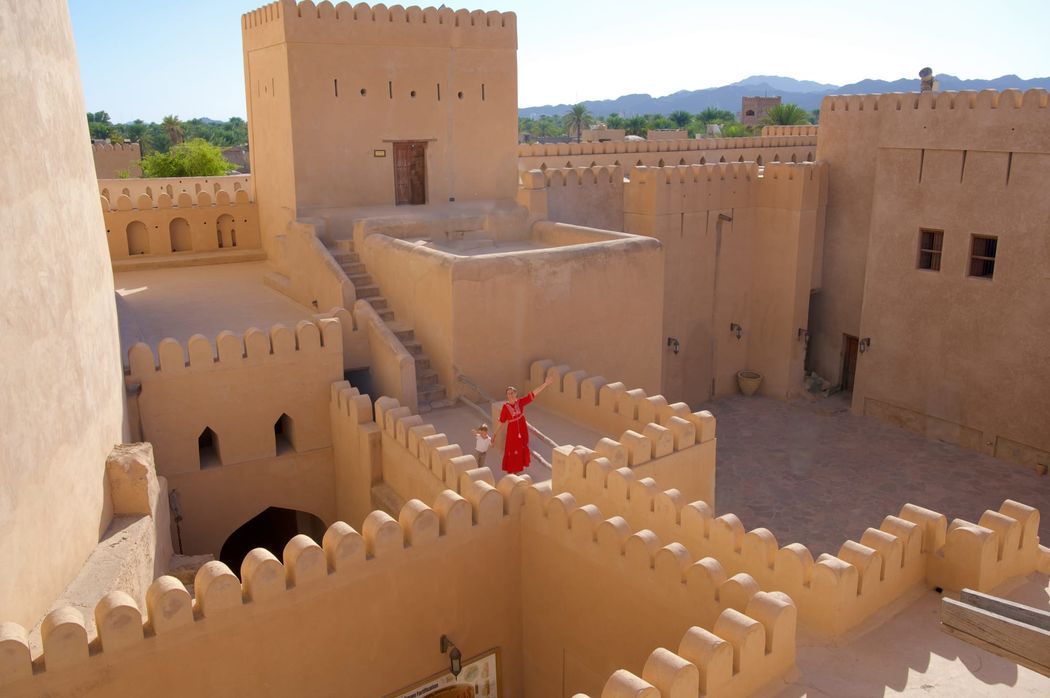
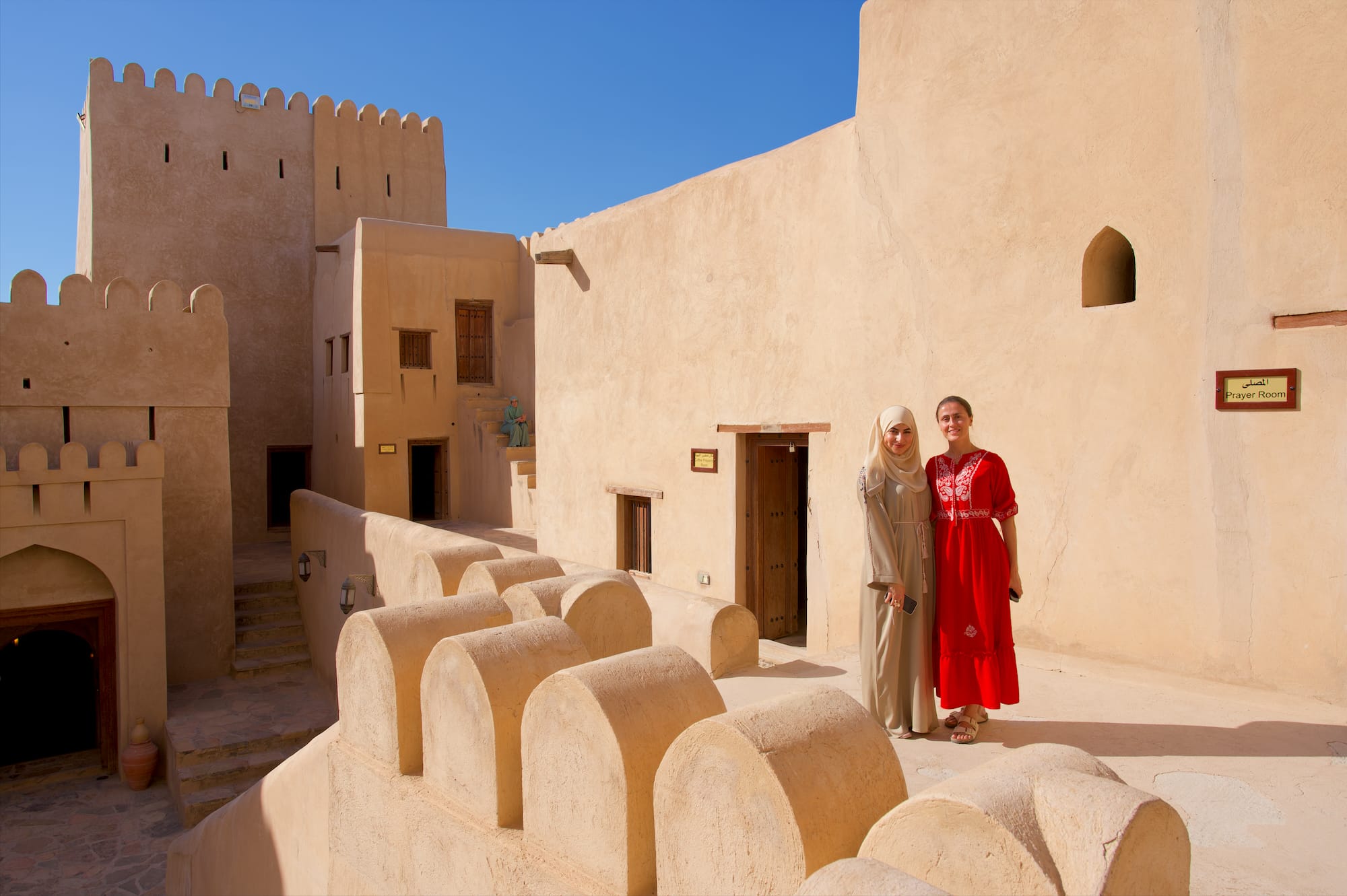
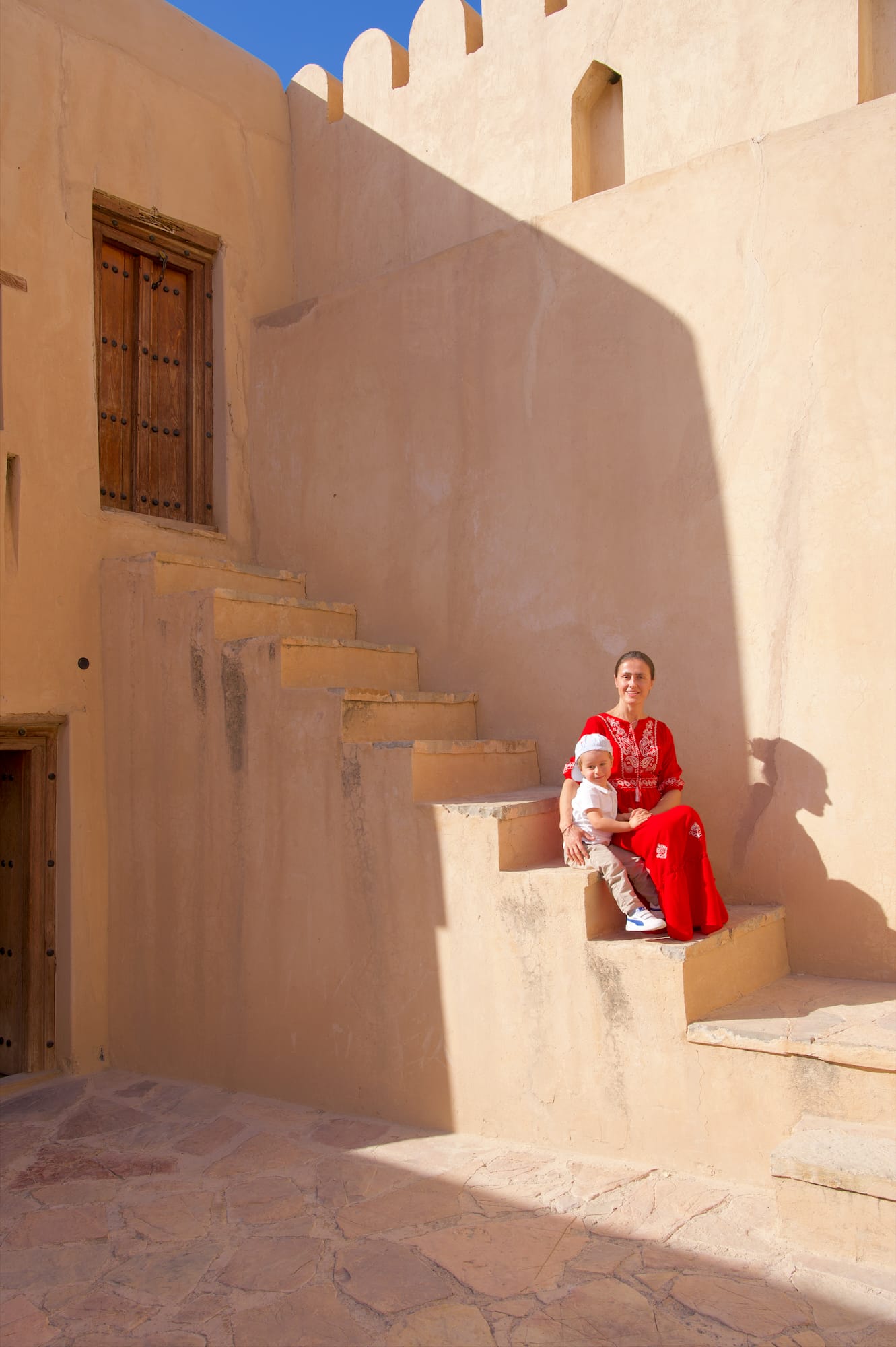
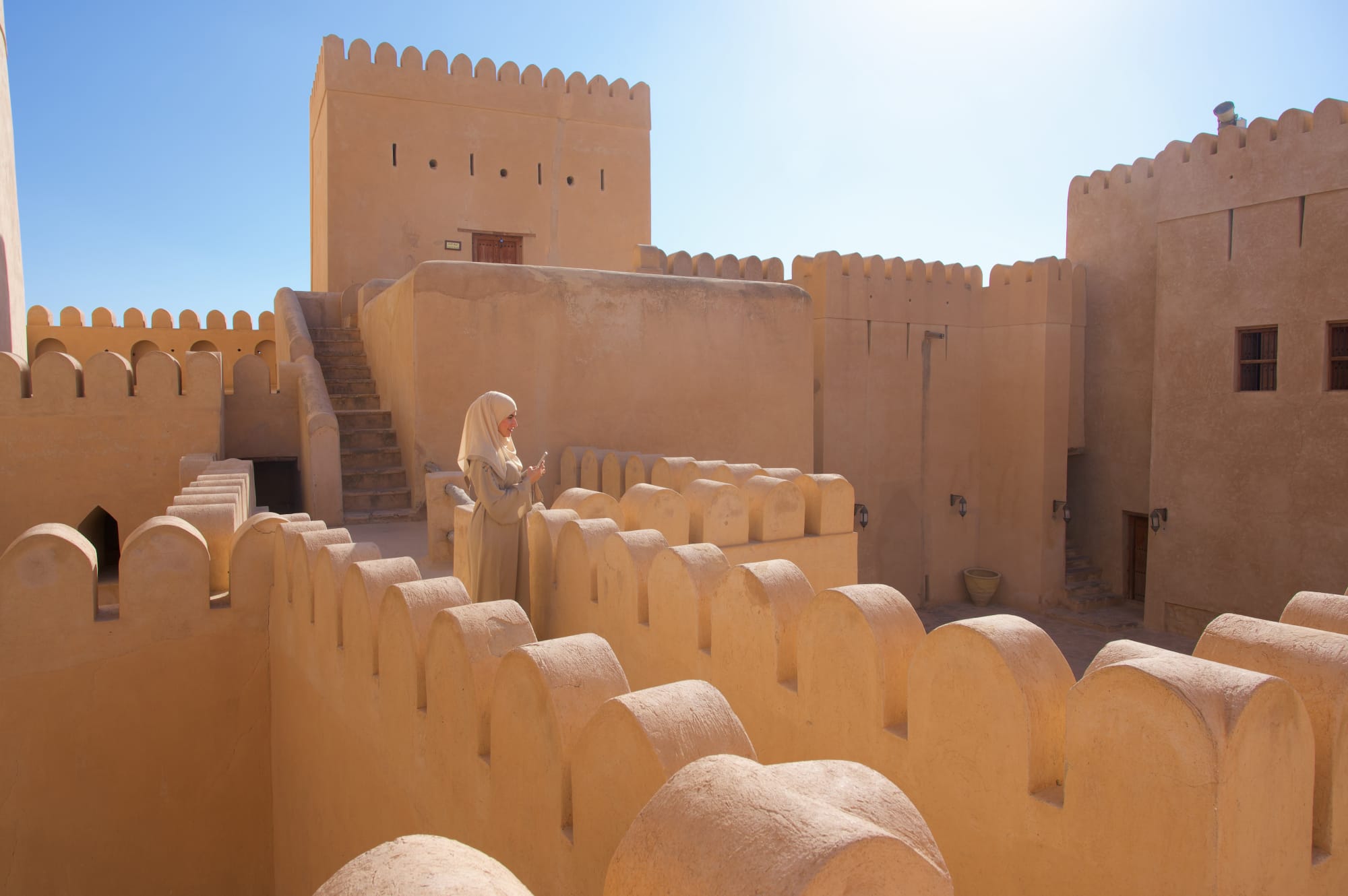
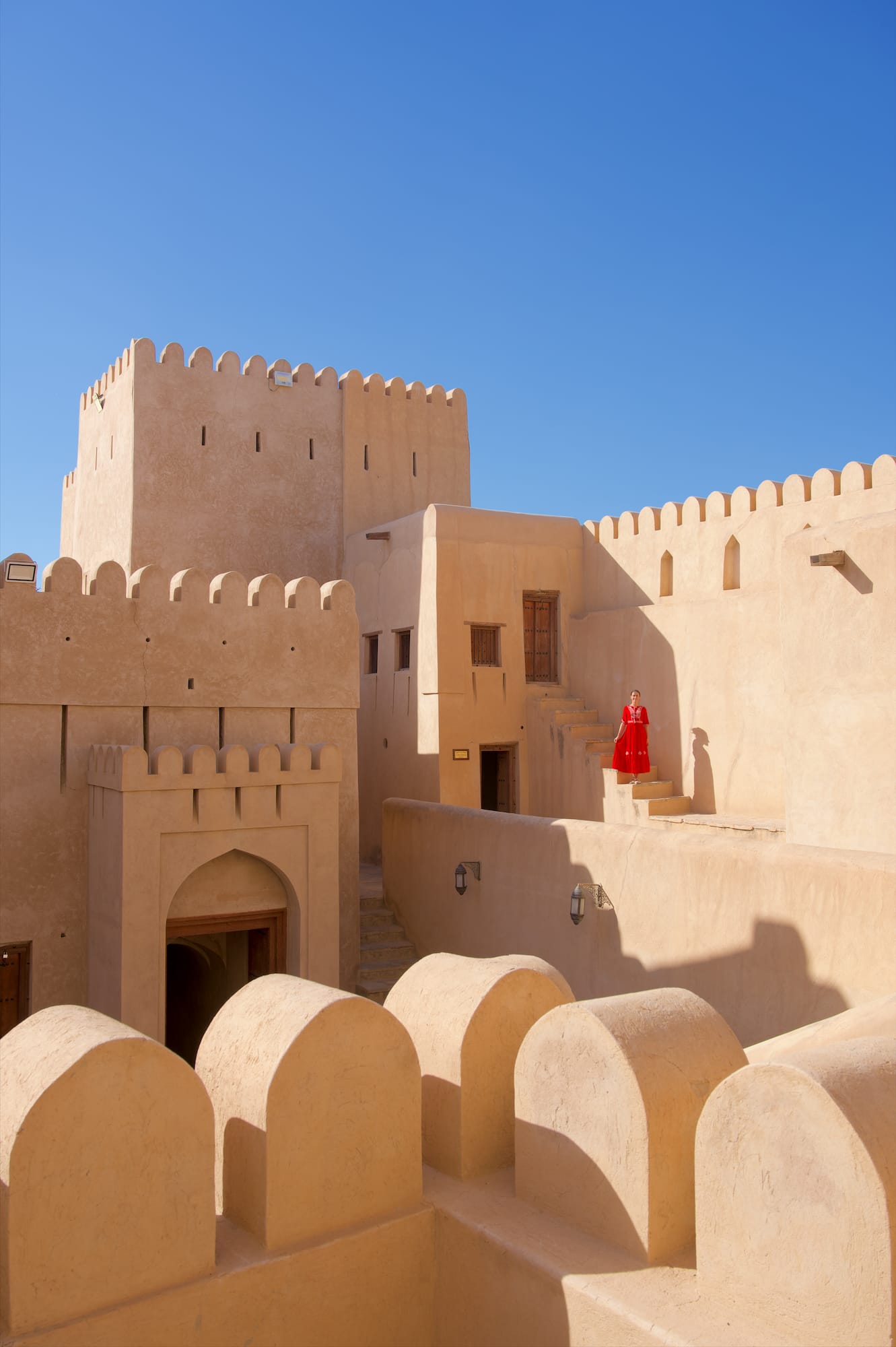
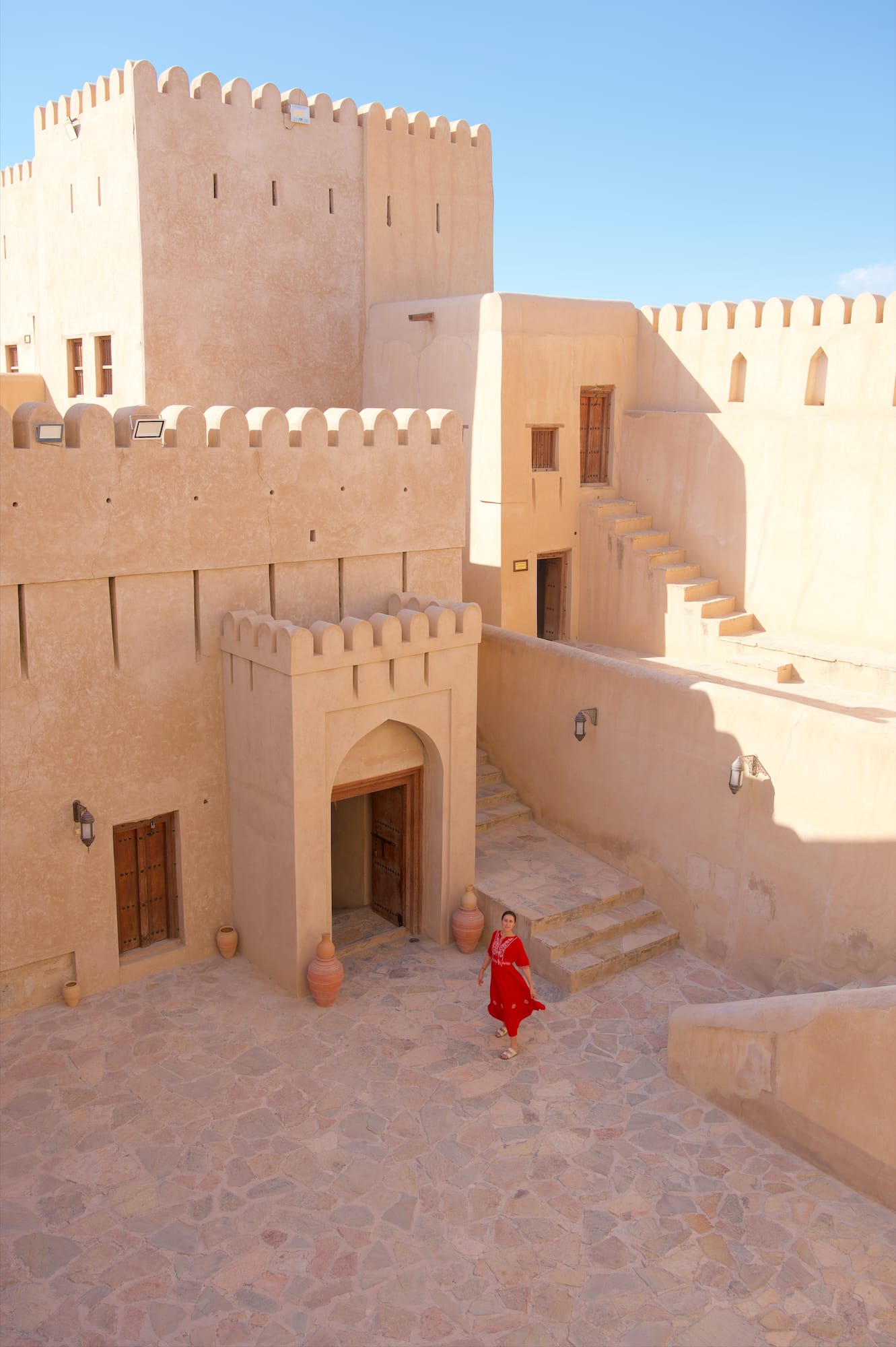
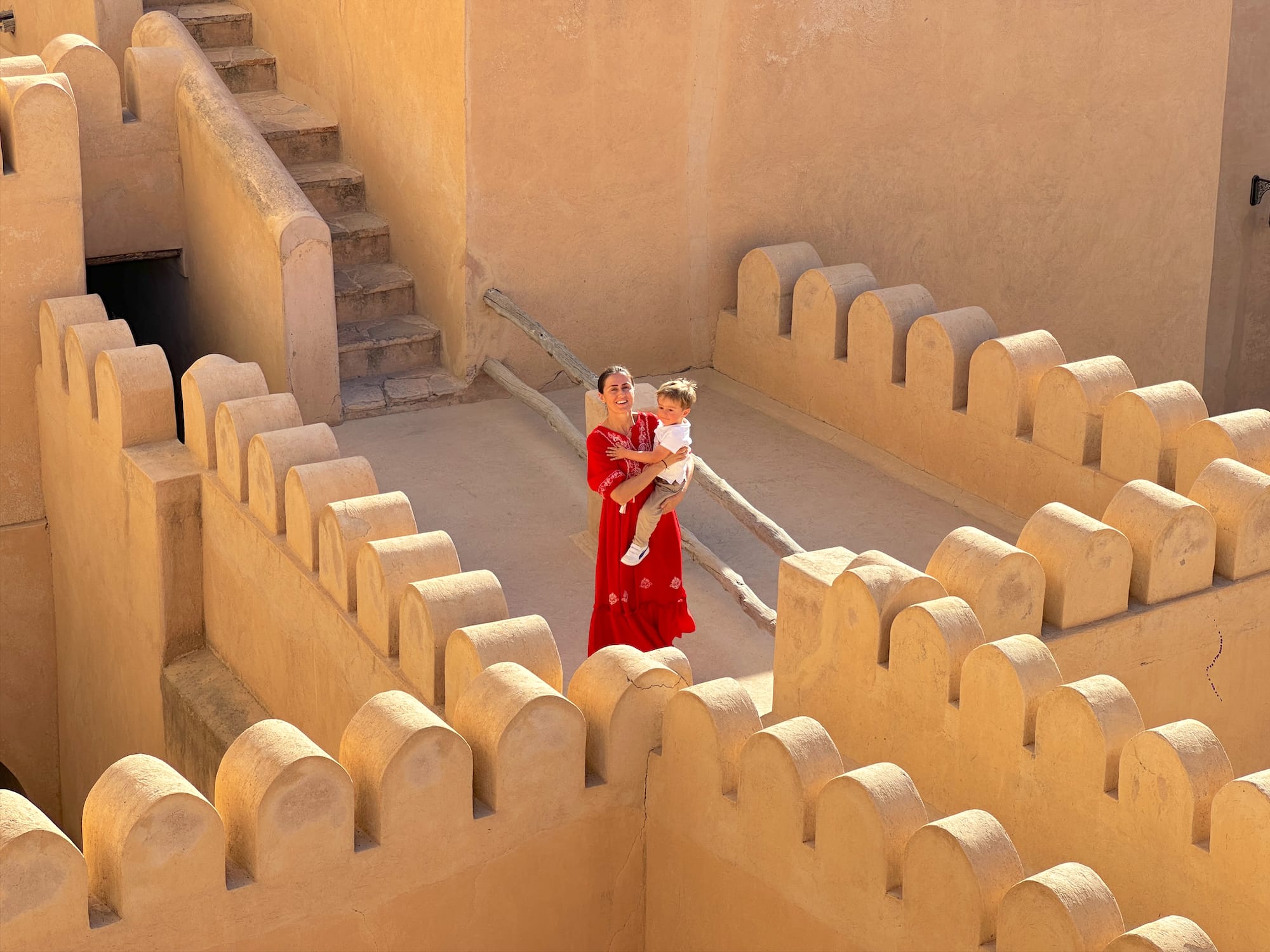
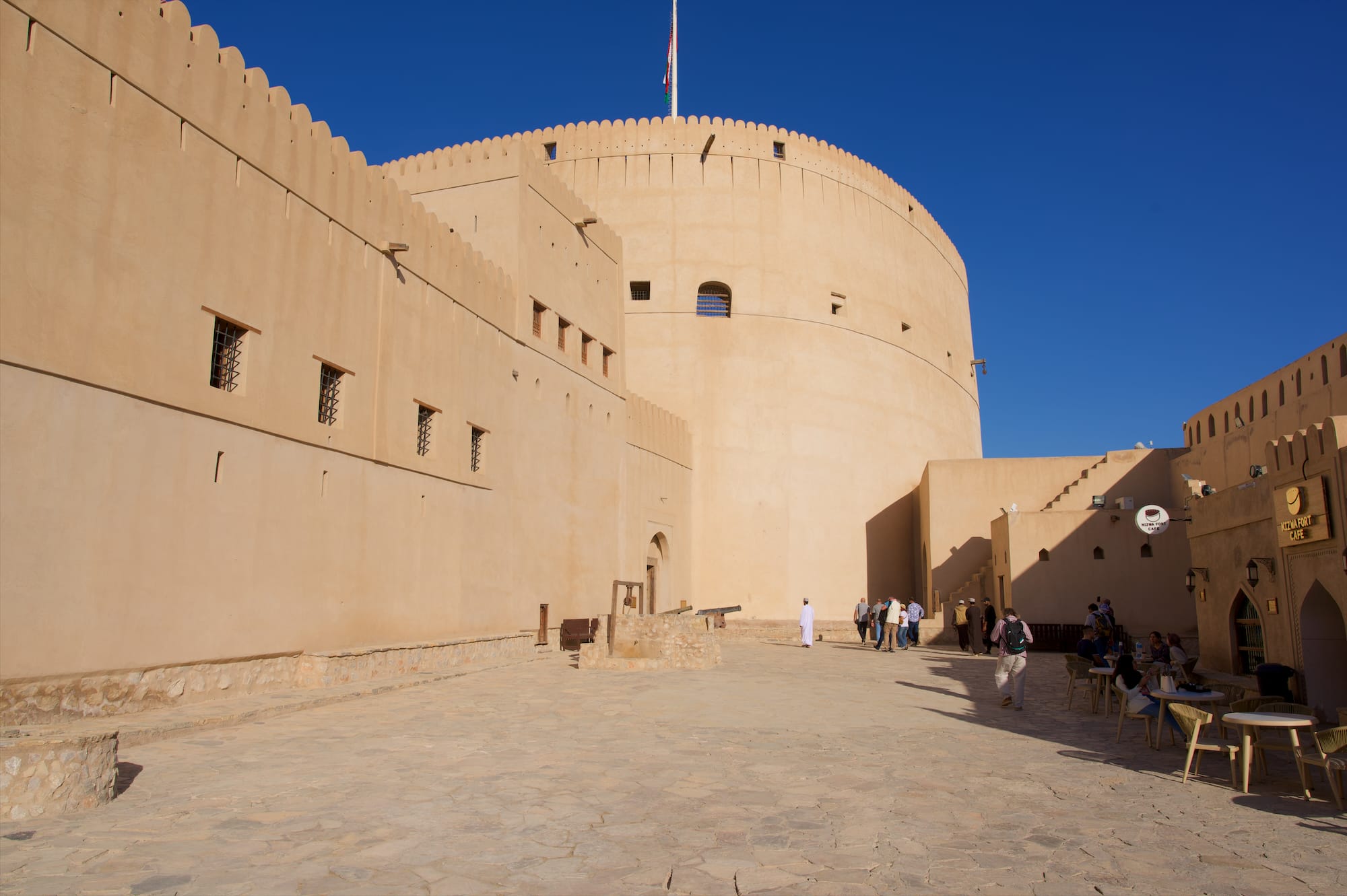
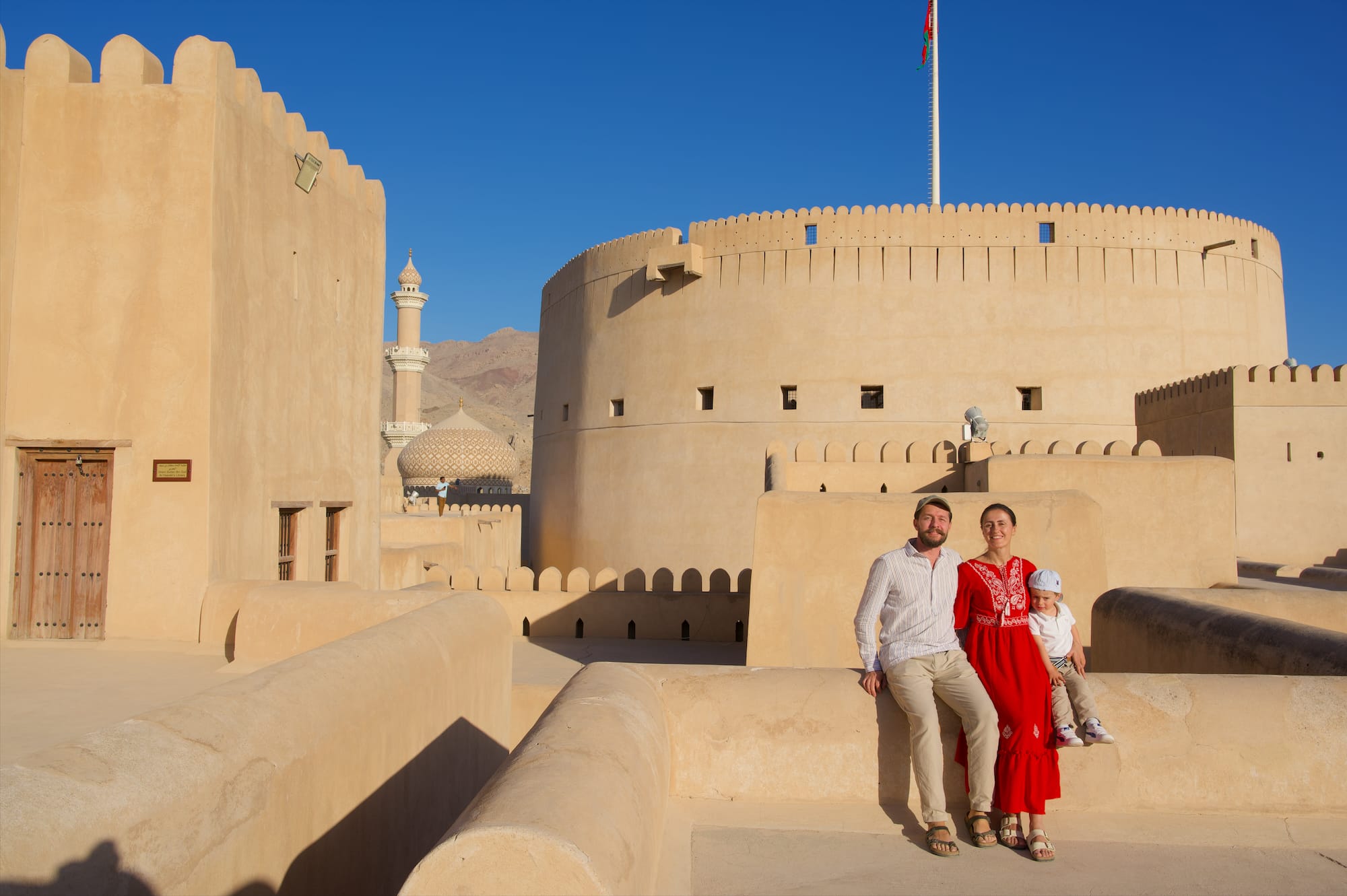
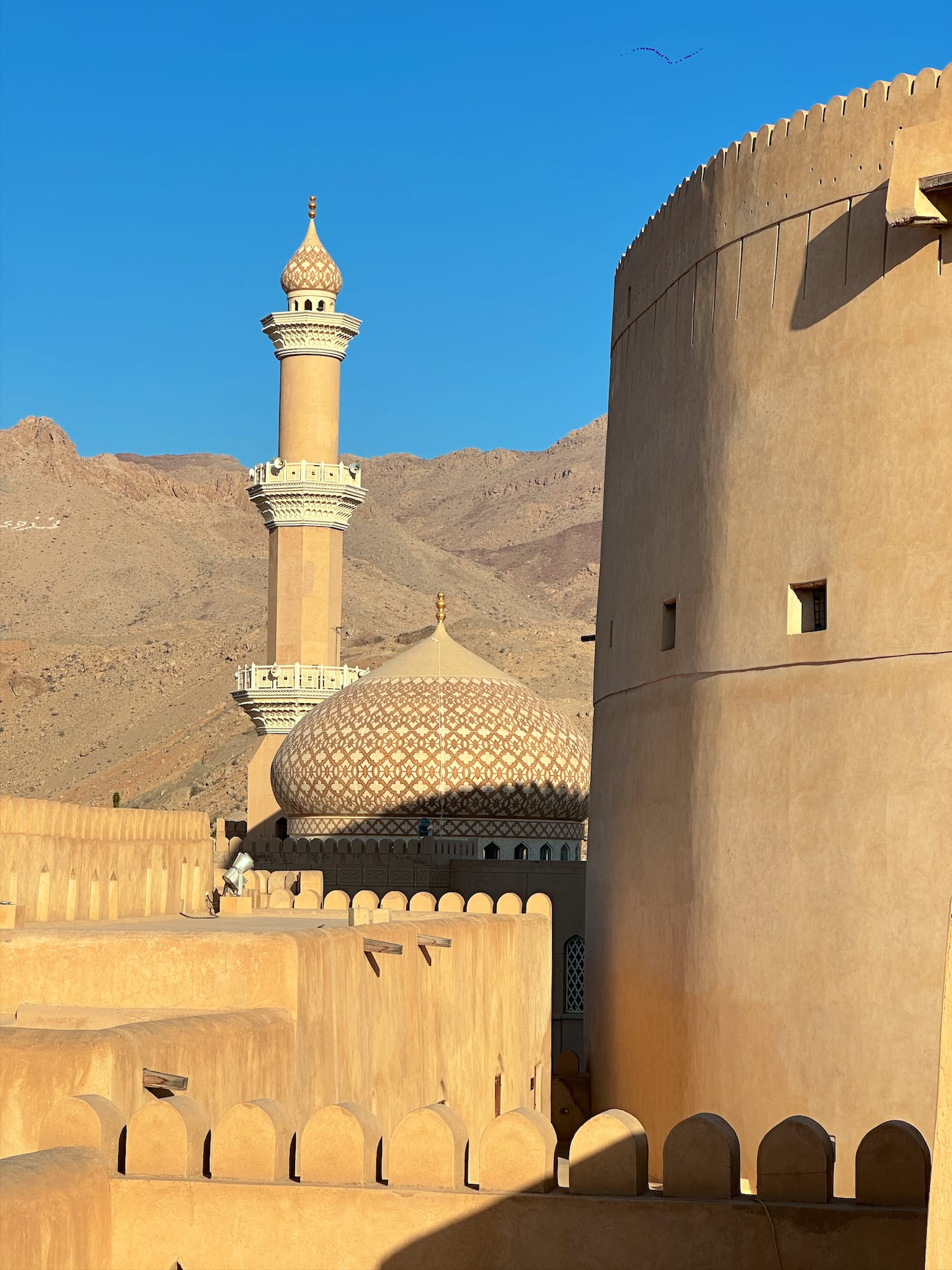
Once you have finished your shopping, head to the imposing Nizwa Fort, with its enormous circular tower dominating the city next to the mosque minaret. Built in the 17th century by Sultan Bin Saif Al Ya’rubi, it is the most visited national monument in Oman.
Nizwa Fort
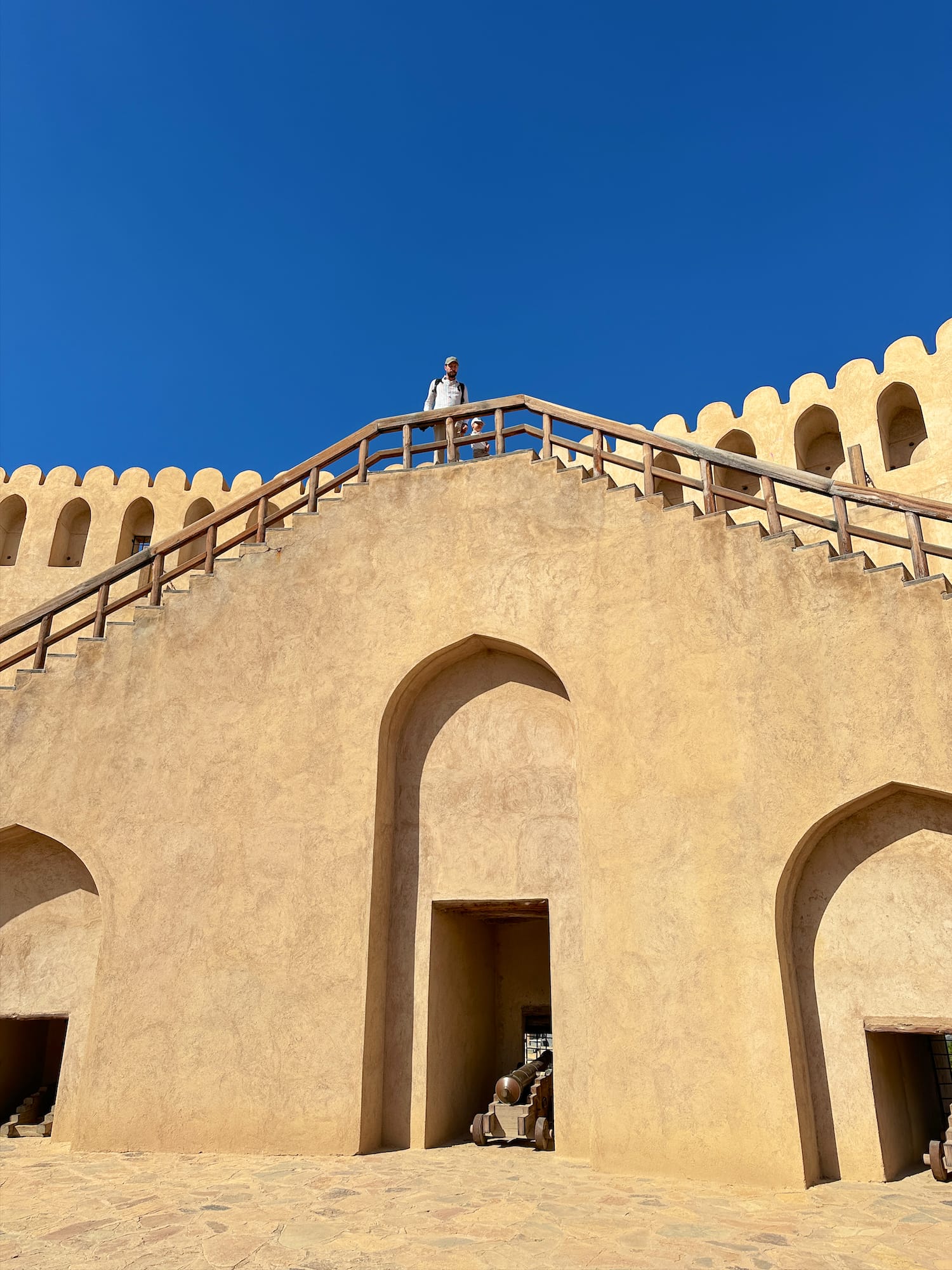
Its defining feature is the enormous circular tower: 45 metres in diameter, 34 metres high, and filled with earth up to halfway to make it even more solid and resistant. This ingenious construction had a key strategic function: to control the oasis and the surrounding trade routes.
Photos can’t convey the sheer scale of the great tower
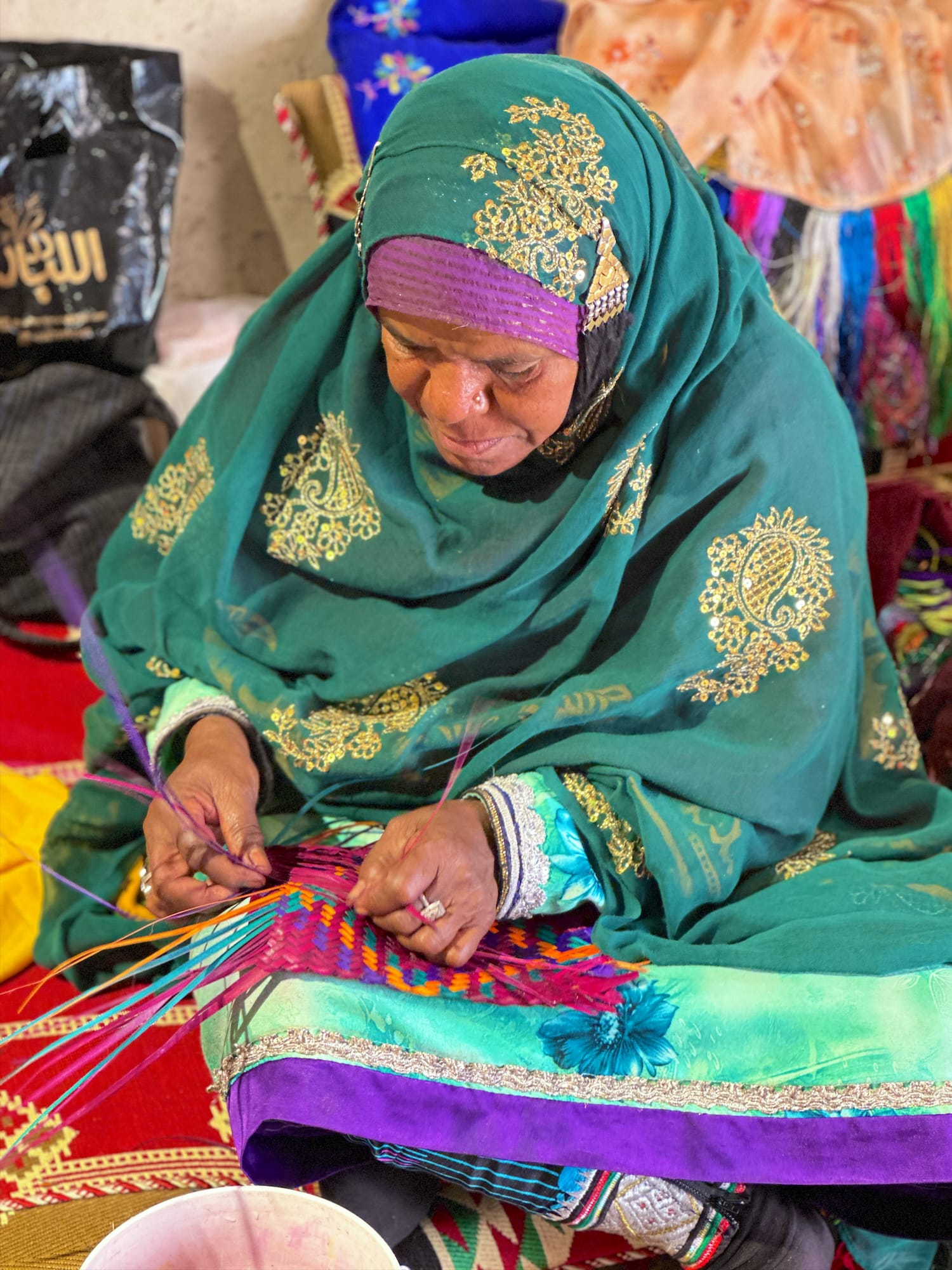
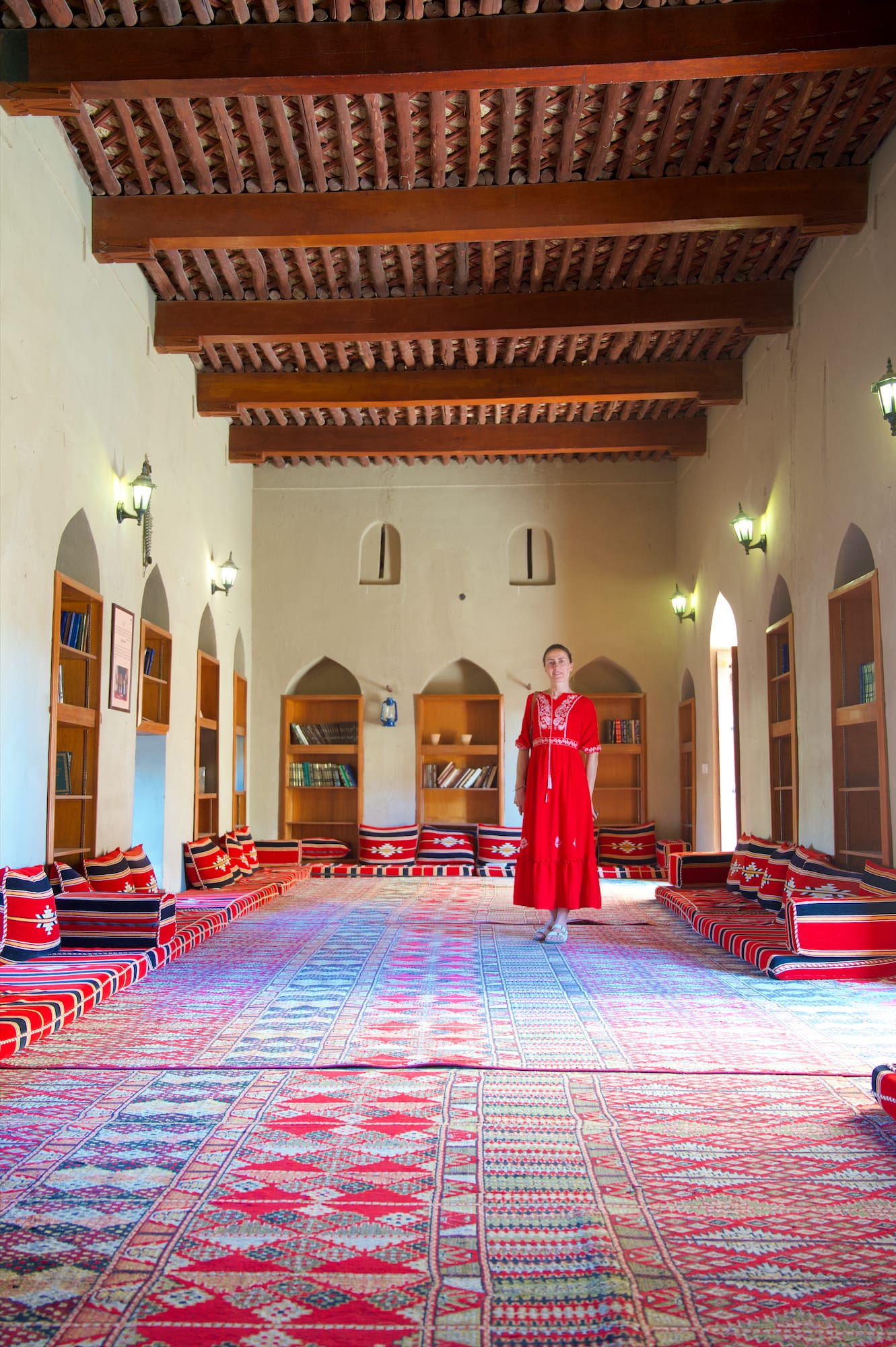
Along the route you can visit rooms furnished with carpets, colourful cushions and women using traditional utensils that recreate the atmosphere of bygone times. The basement prisons now house a museum trail with panels recounting the history of the city.
Inside the fort: reading rooms and local craftswomen
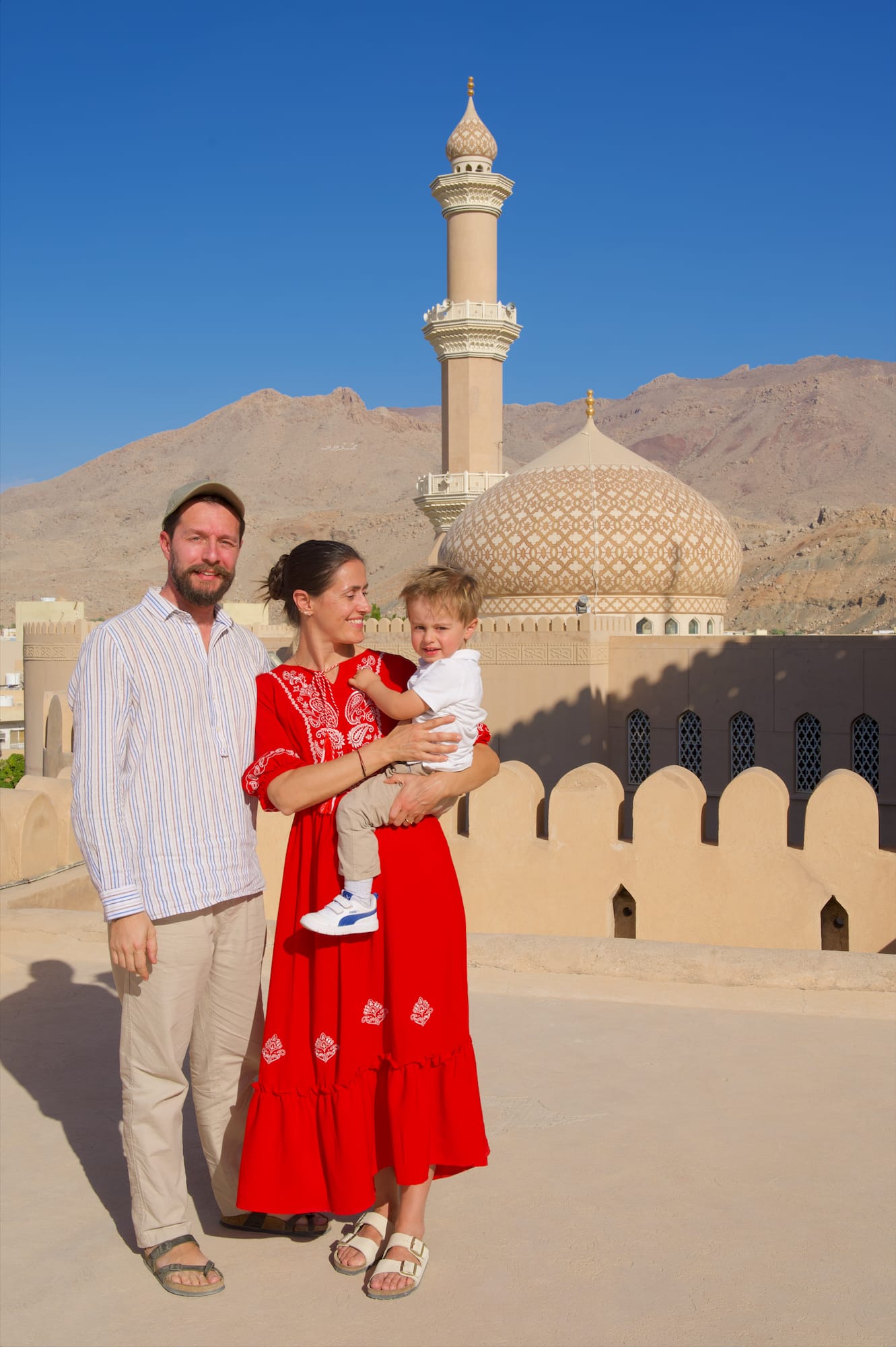
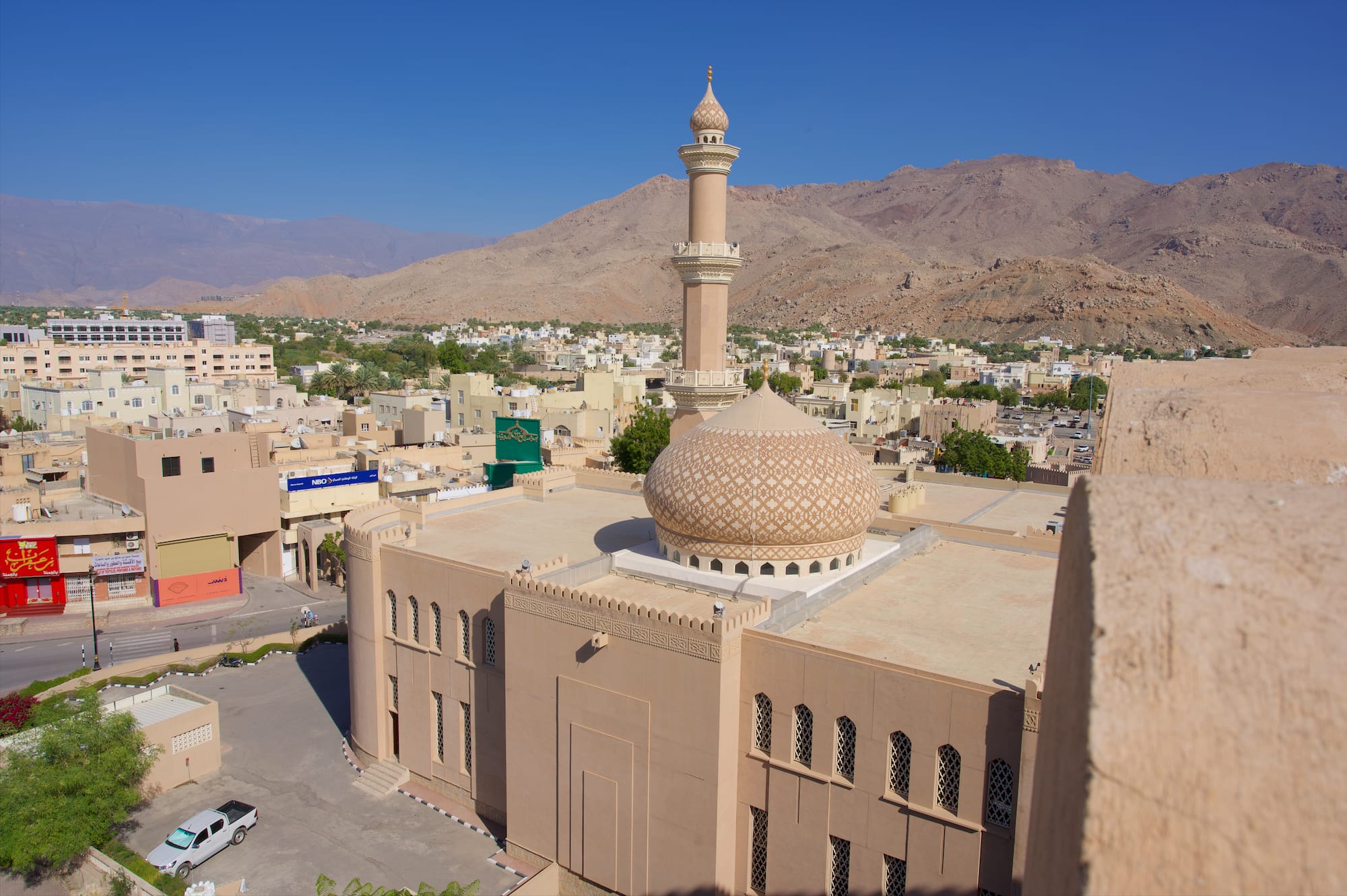
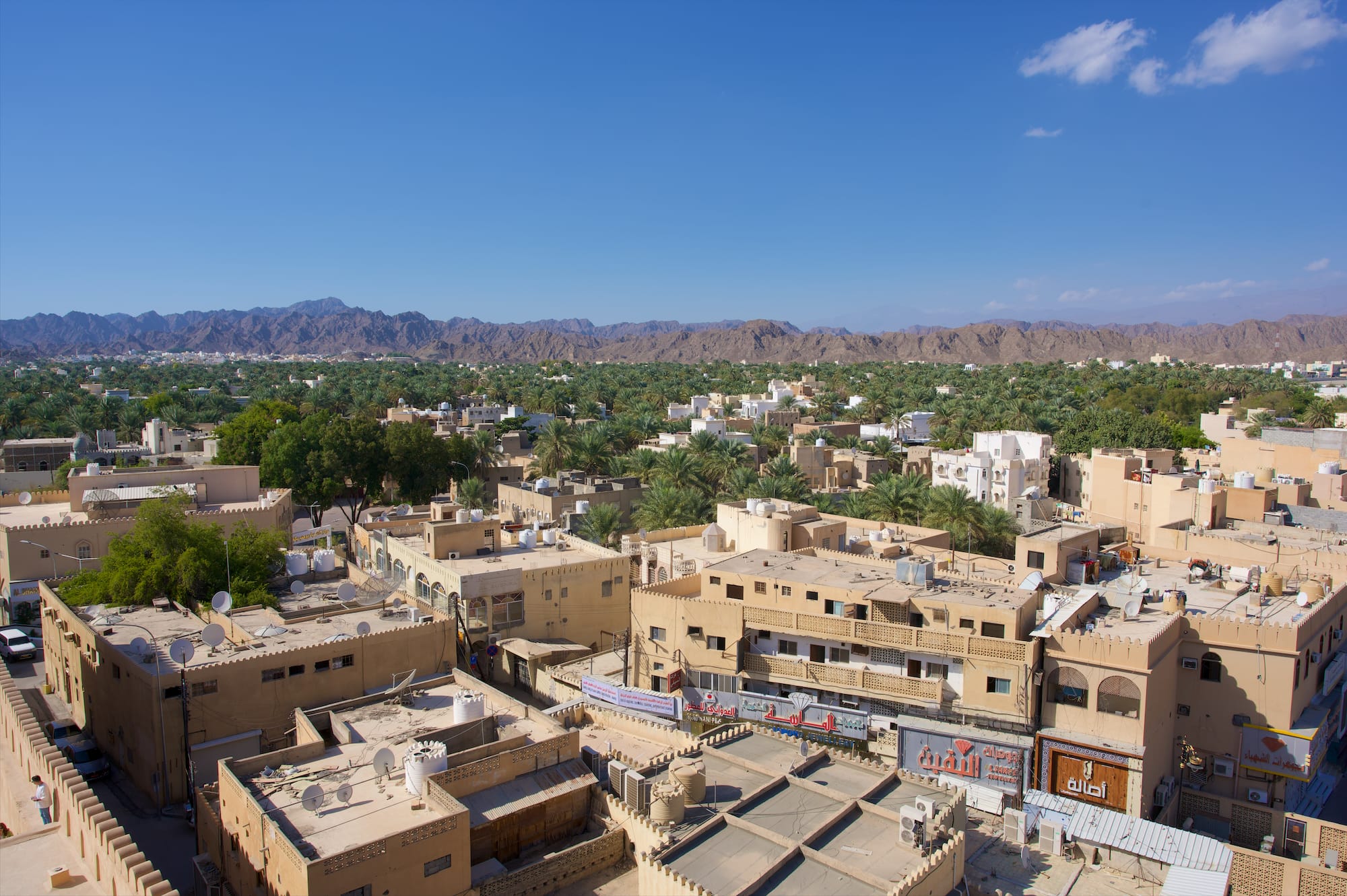
Once you reach the top of the fort, the view extends 360 degrees: the palm trees of the oasis, the jagged profile of the Hajar mountains in the background, the ochre dome and minaret of the nearby mosque in the foreground, and all around the labyrinth of the city’s streets.
From the top you can see the surroundings of Nizwa all the way to the mountains
In the inner courtyard of the fort, costumed groups perform traditional songs and dances — an opportunity to witness Omani cultural traditions in person. Entry to the fort costs 5 rials, and on Fridays it briefly closes during the midday prayer.
Nizwa deserves at least two or three days, both to enjoy all its attractions at a leisurely pace and because it is a perfect strategic base for exploring the surrounding area: we particularly recommend the traditional village of Misfat Al Abriyyin and Bahla Fort.
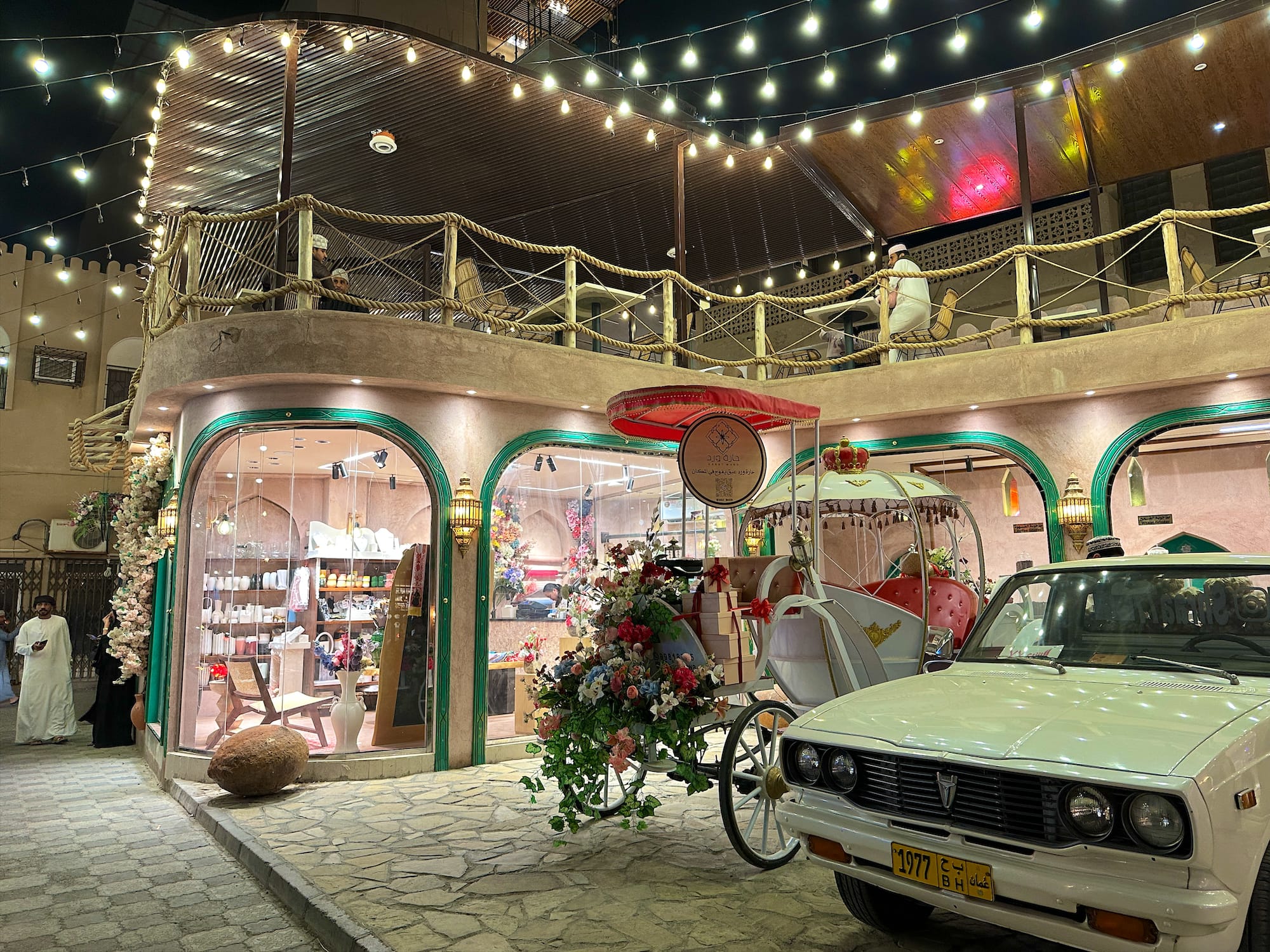
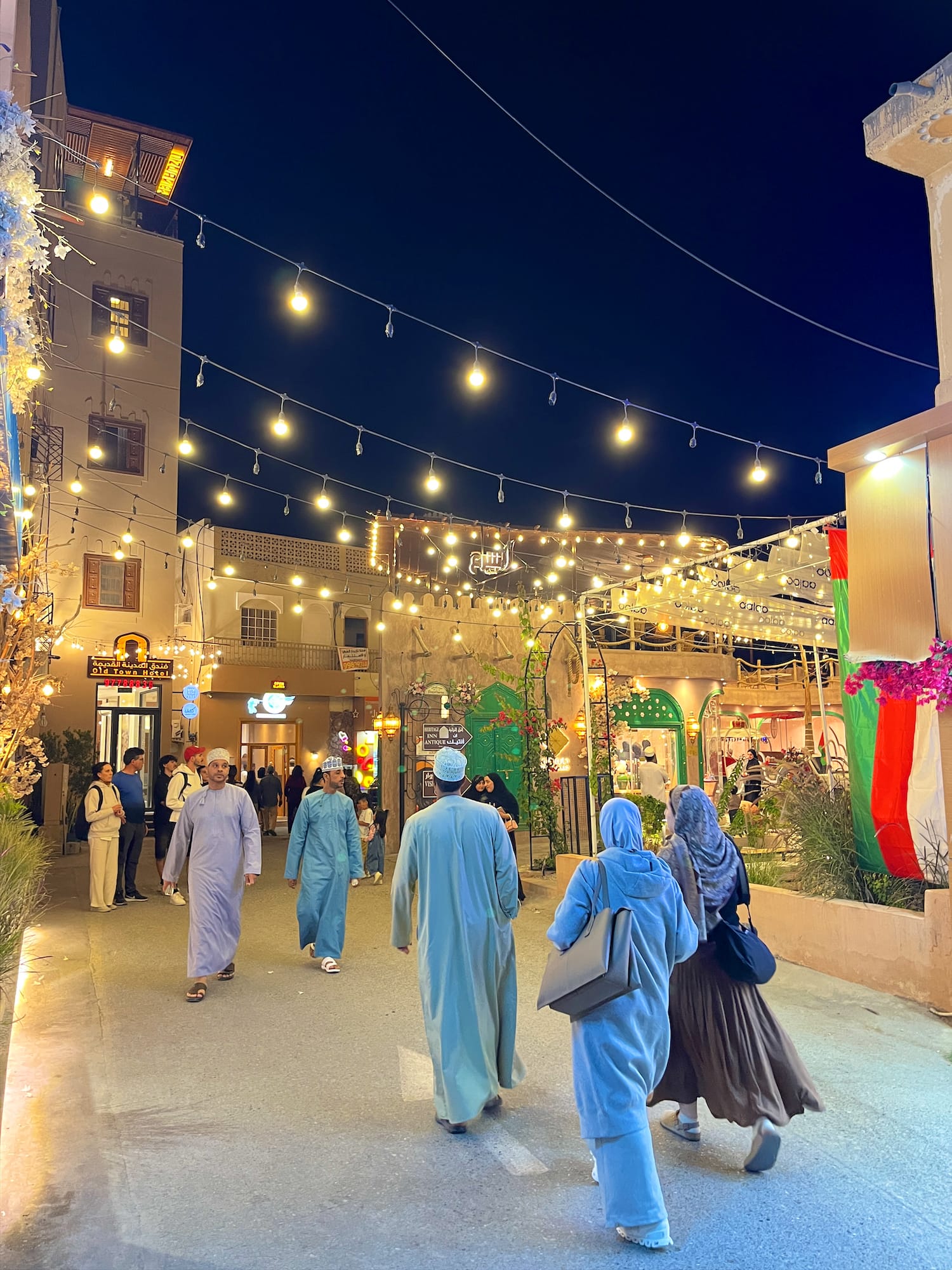
A stroll in the pedestrian zone by night
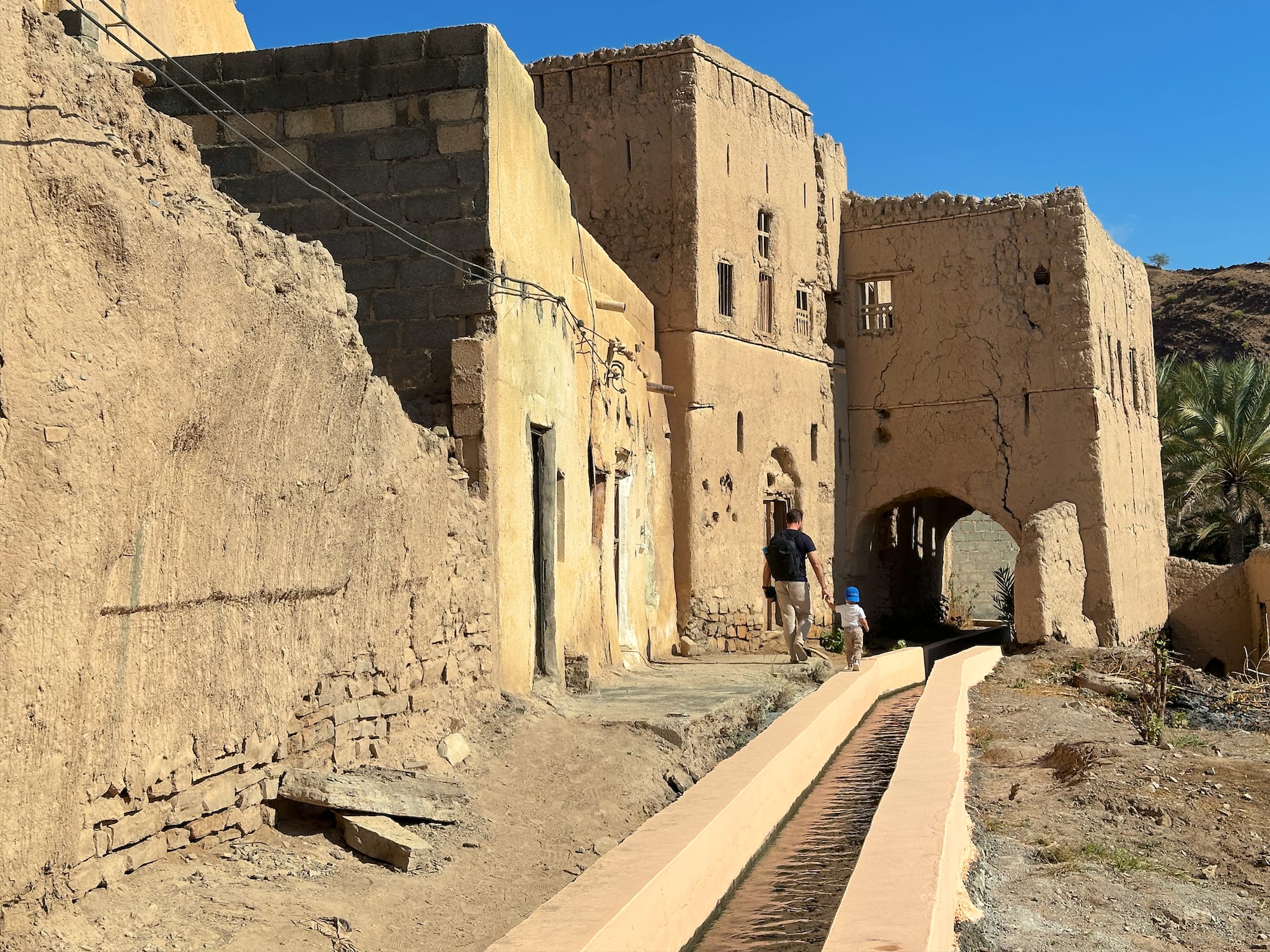
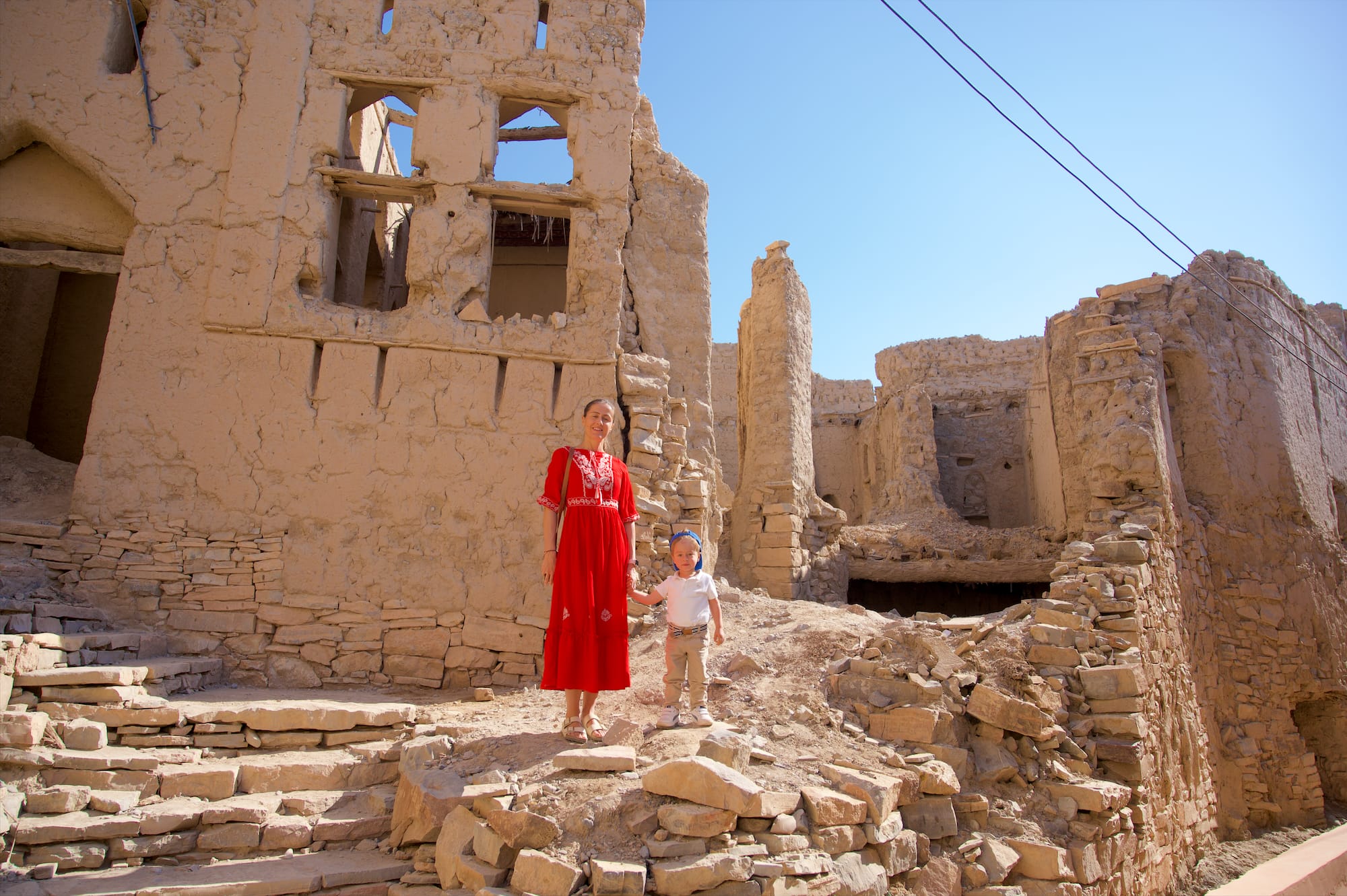
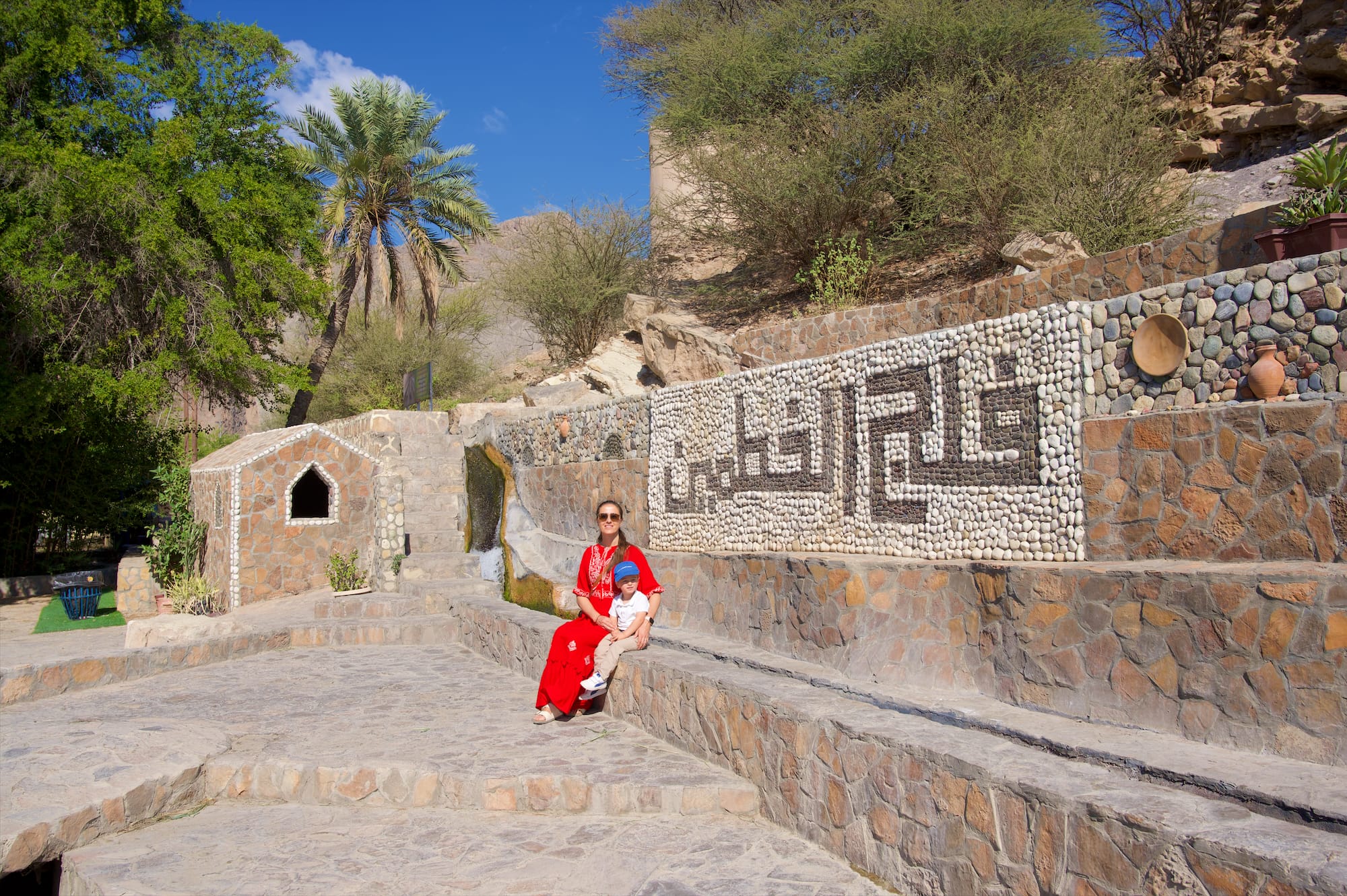
Local tip: about 20 km south-east of Nizwa, stop for a brief visit to the abandoned village of Birkat al Mouz. Among the traditionally mud-brick houses you can take a tranquil walk in a silent, almost surreal setting. Continue on to Falaj Al Khatmain. Here you can get up close to the falaji, ancient irrigation channels still in use today to carry water from springs to villages (some of which are also UNESCO World Heritage sites).
The mud-brick houses of Birkat al Mouz and one of the recently restored irrigation channels
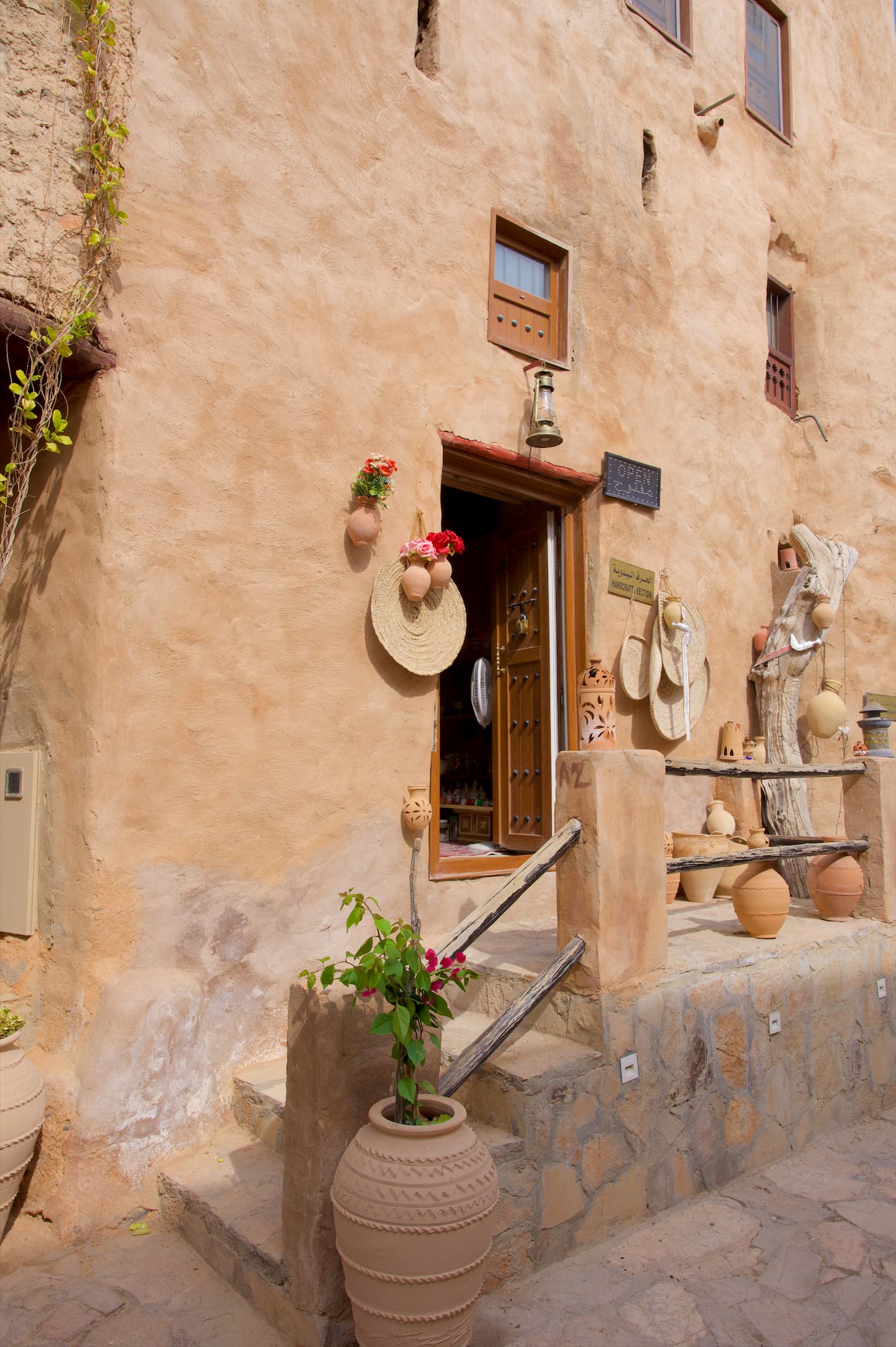
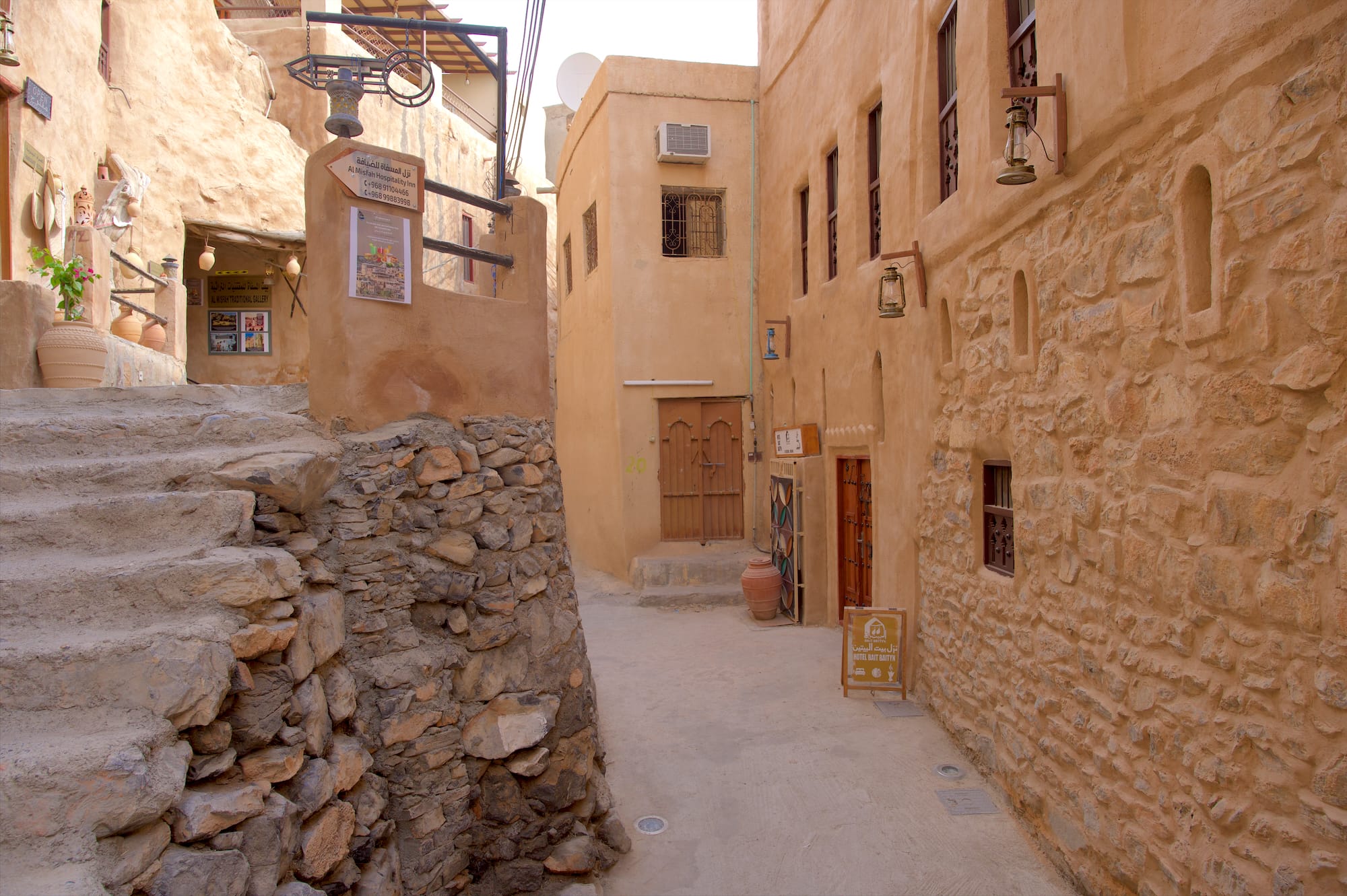
Misfat al Abriyyin: a village suspended among the mountains
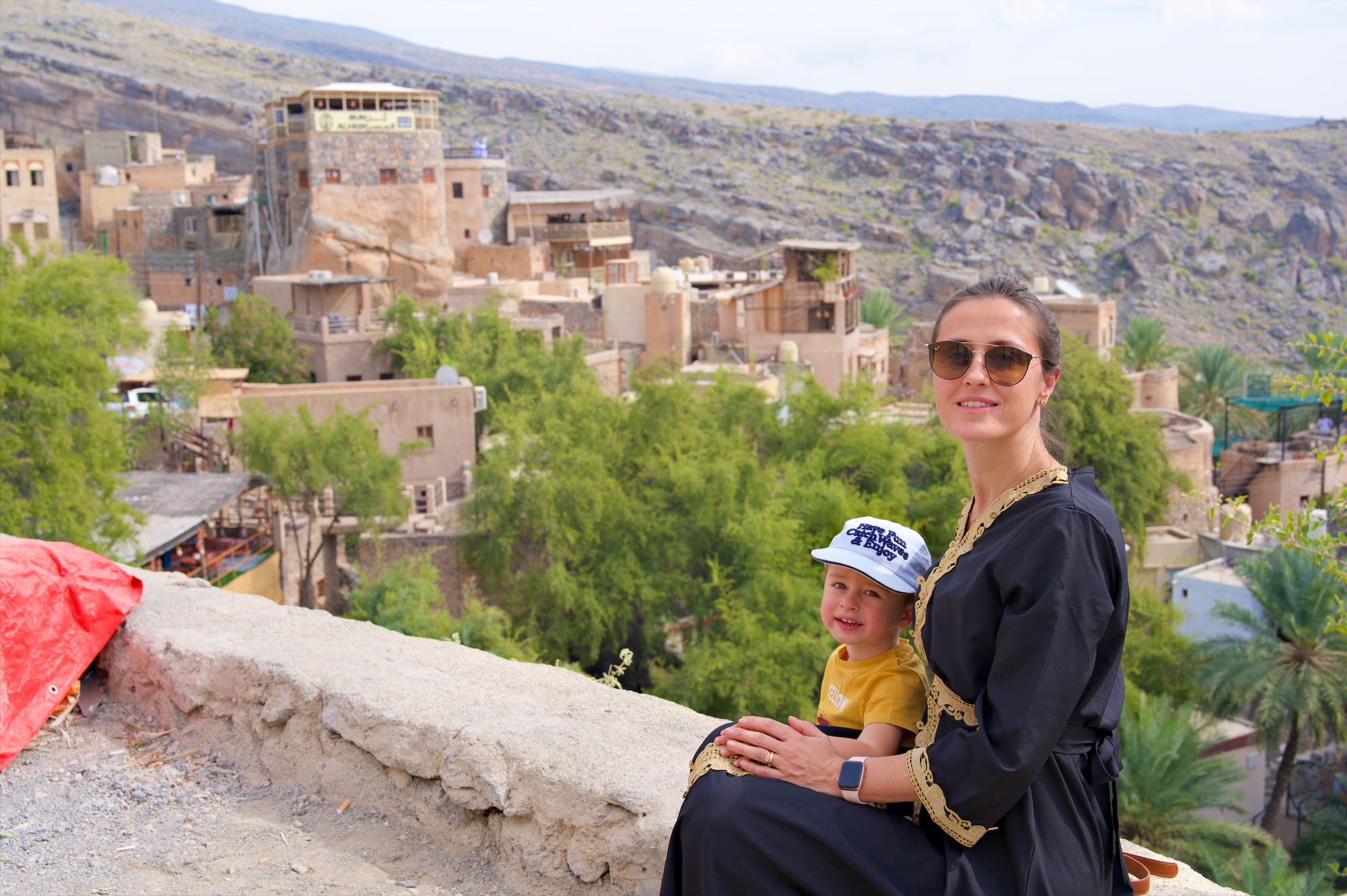
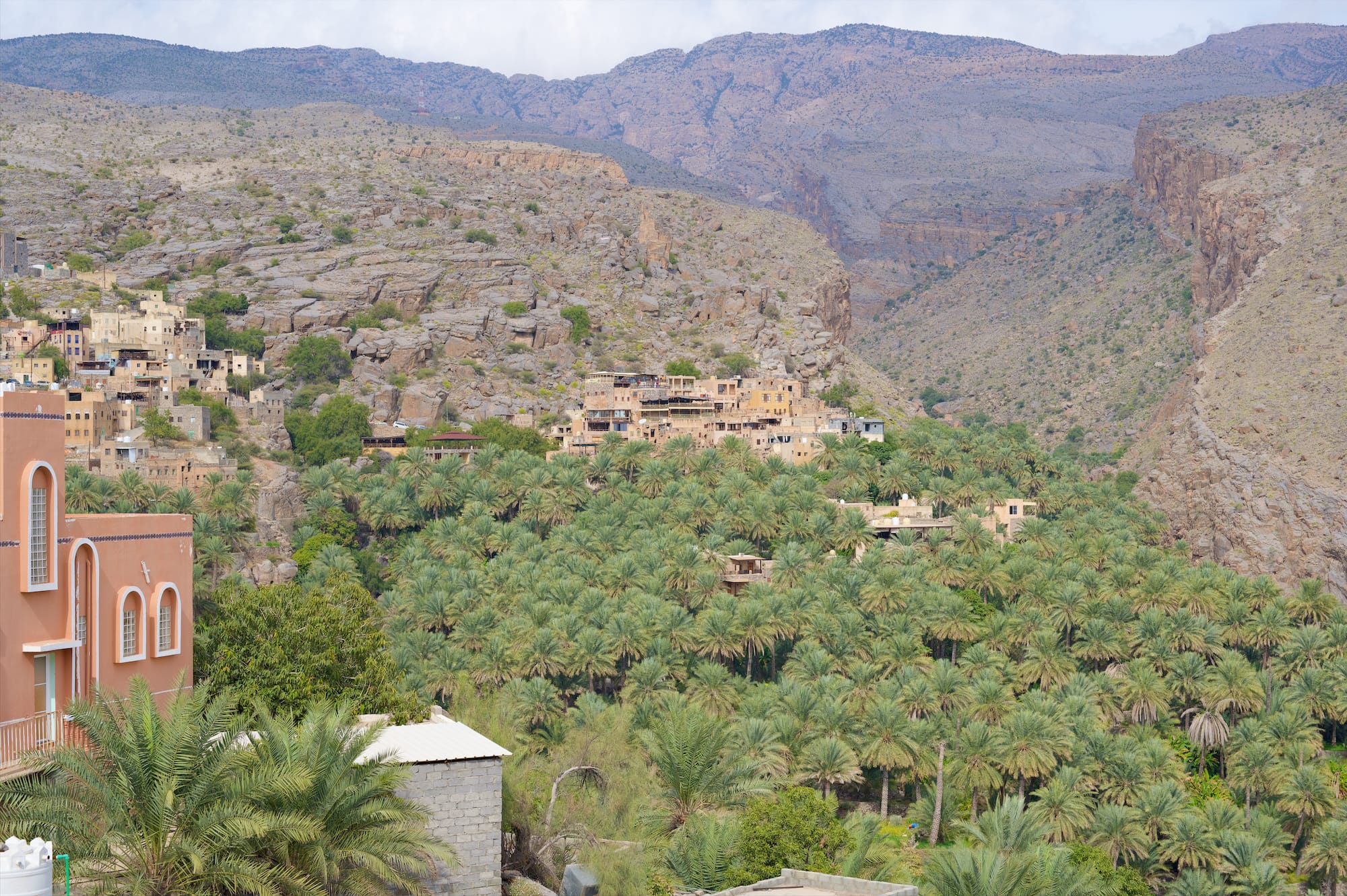
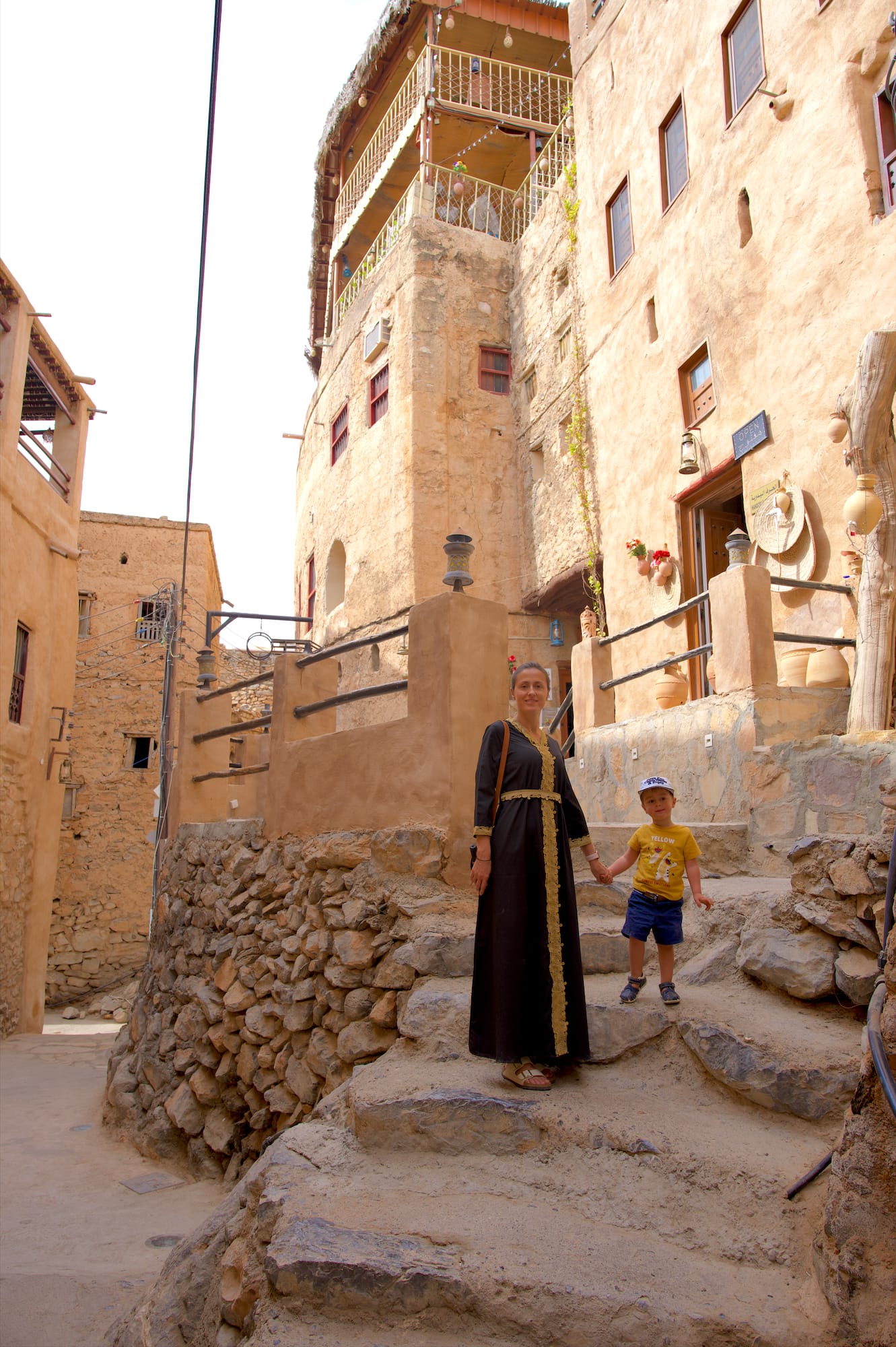
Perched on the slopes of the Hajar mountains, Misfat Al Abriyyin is one of those places that seem suspended in time, where stone and mud tell centuries of stories and water continues to flow along ancient courses.
Misfat al Abriyyin: the village among the palms
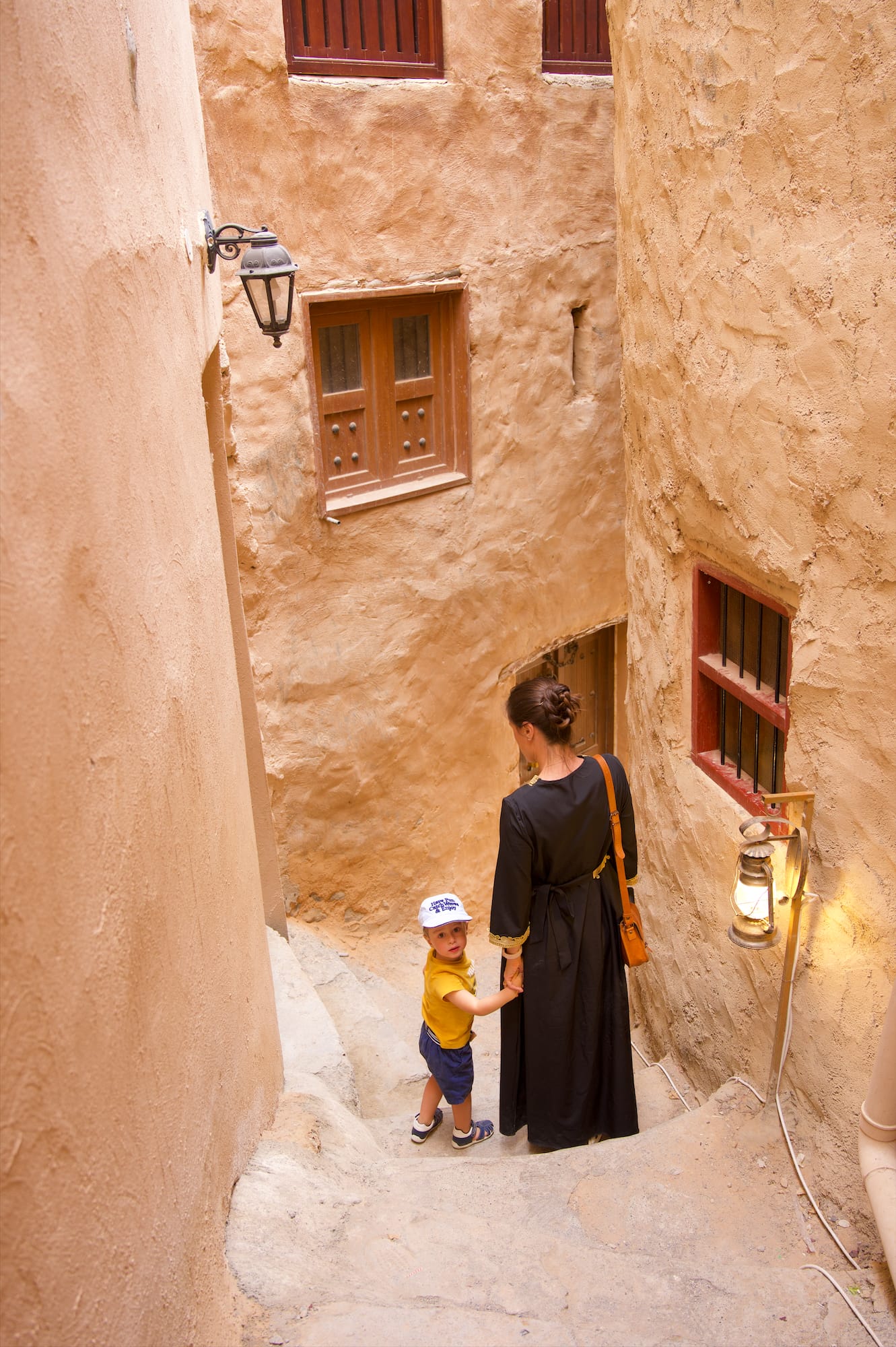
The narrow, winding lanes climb up the hillside, creating a fascinating labyrinth where every corner reveals views of extraordinary beauty: ancient wooden doors, decorated windows, staircases leading to panoramic terraces from which the gaze stretches all the way to the plain below. The architecture blends perfectly with the landscape in a harmonious dialogue between humanity and nature that has lasted for hundreds of years.
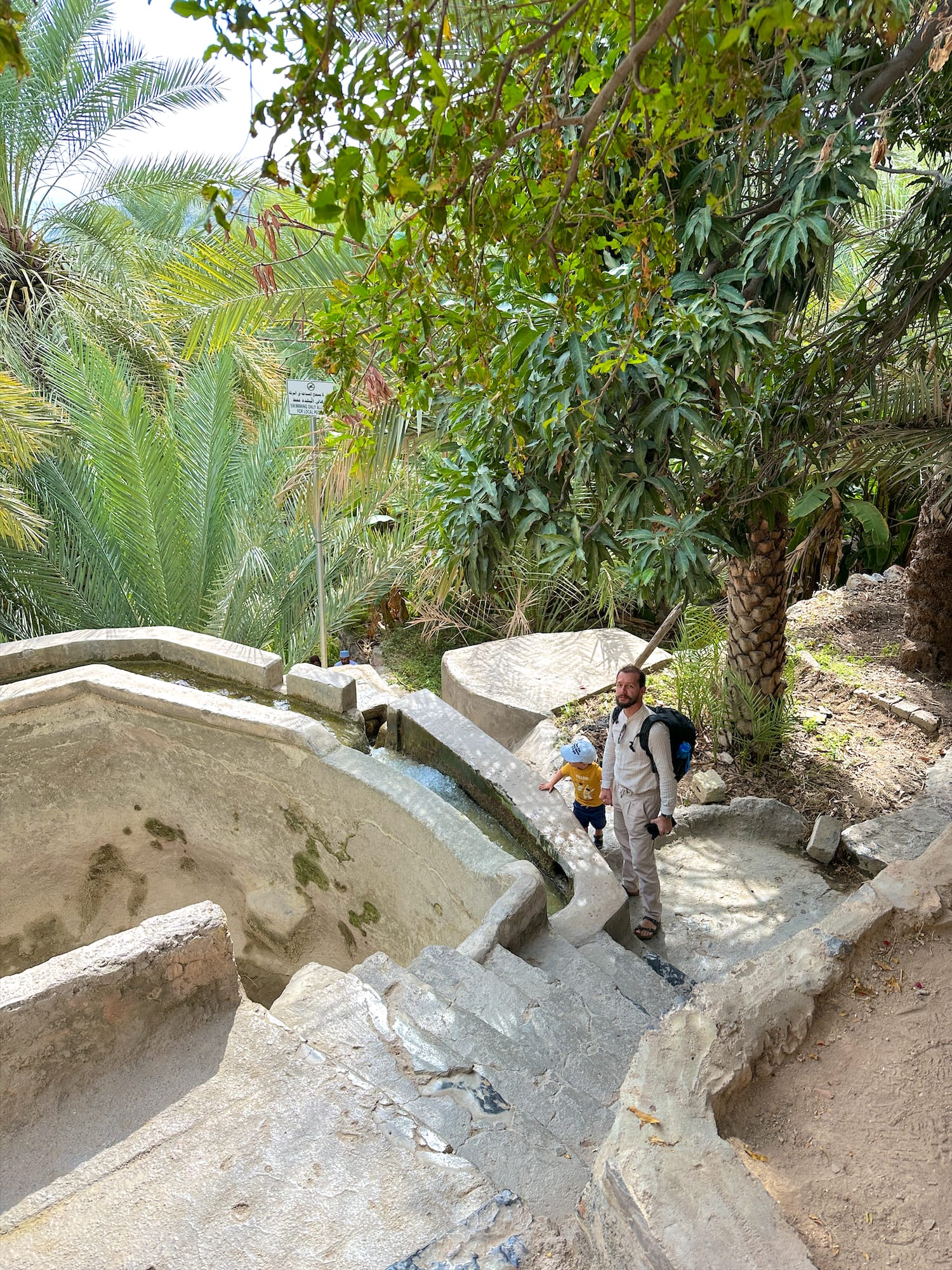
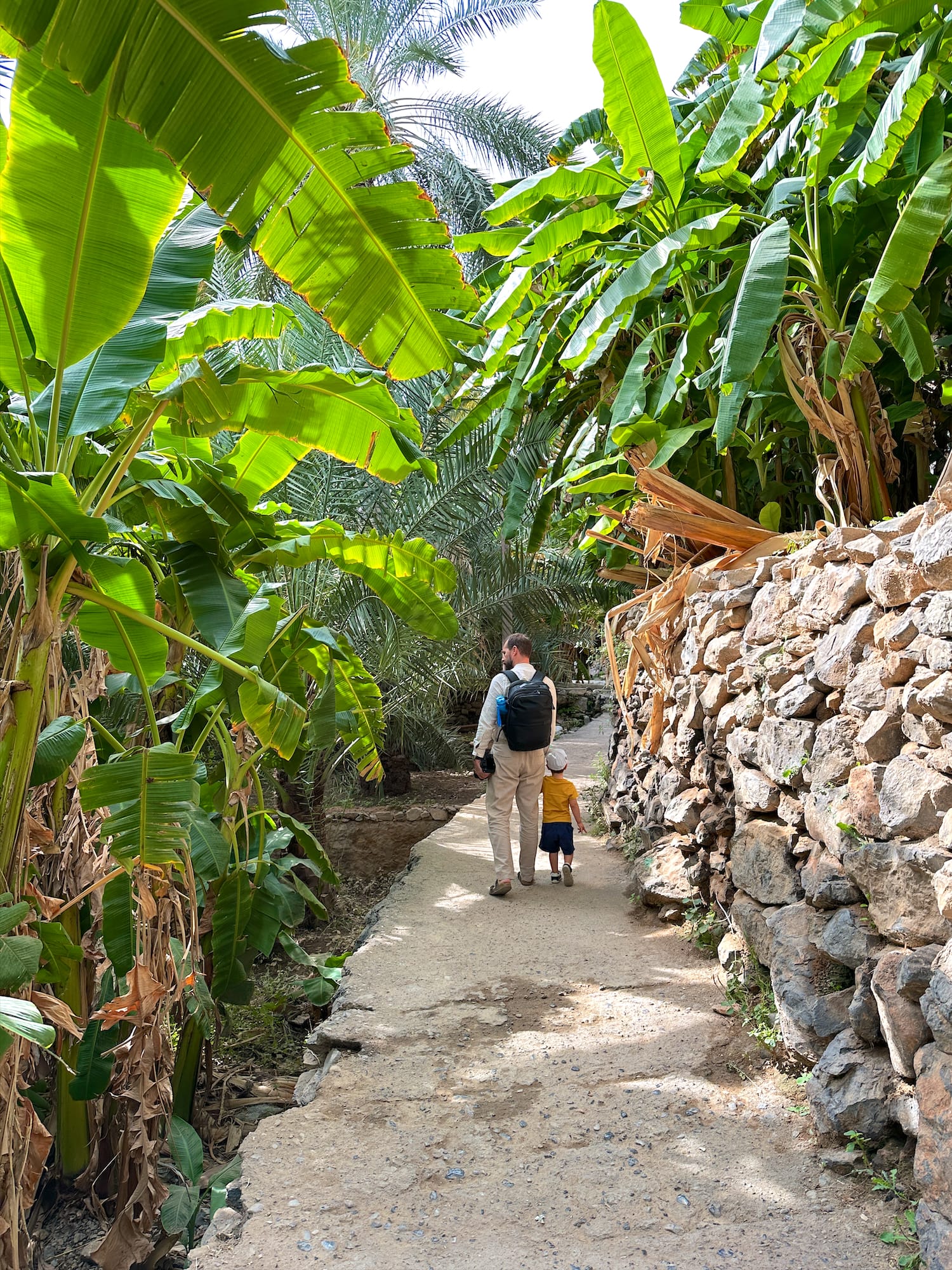
If you descend towards the lower part of the village, you can observe the falaji that for centuries have carried water from the mountain springs through channels cut into the rock, feeding green terraces where date palms, fruit trees, jasmine and roses flourish.
The gardens and their characteristic irrigation channels
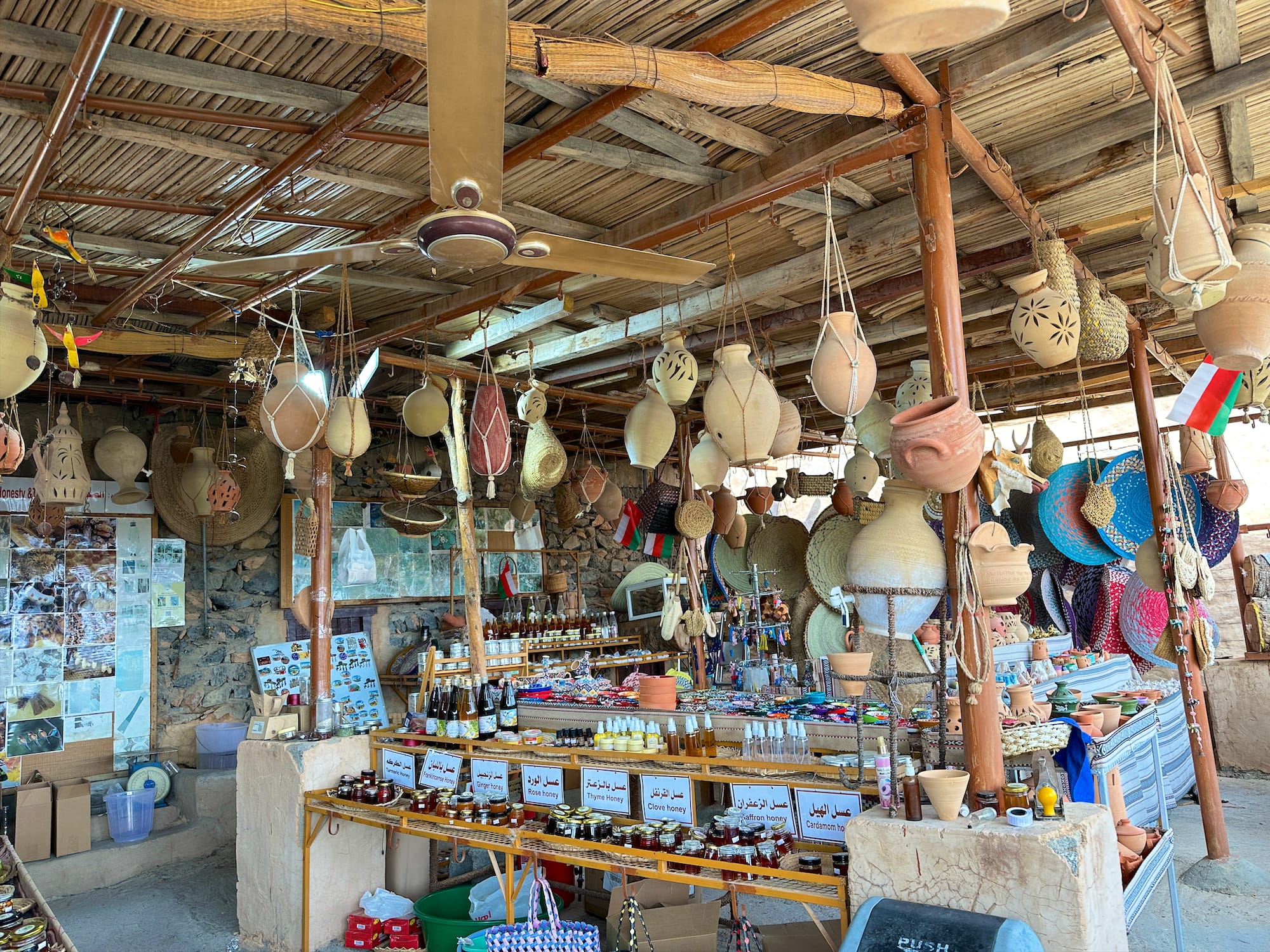
Unlike many abandoned historic villages, Misfat is still alive: families continue to live in the traditional houses, cultivate the terraces and keep ancient traditions alive. Some inhabitants have opened guesthouses or small shops. We particularly enjoyed the little store at the entrance to the village where we bought some excellent honey.
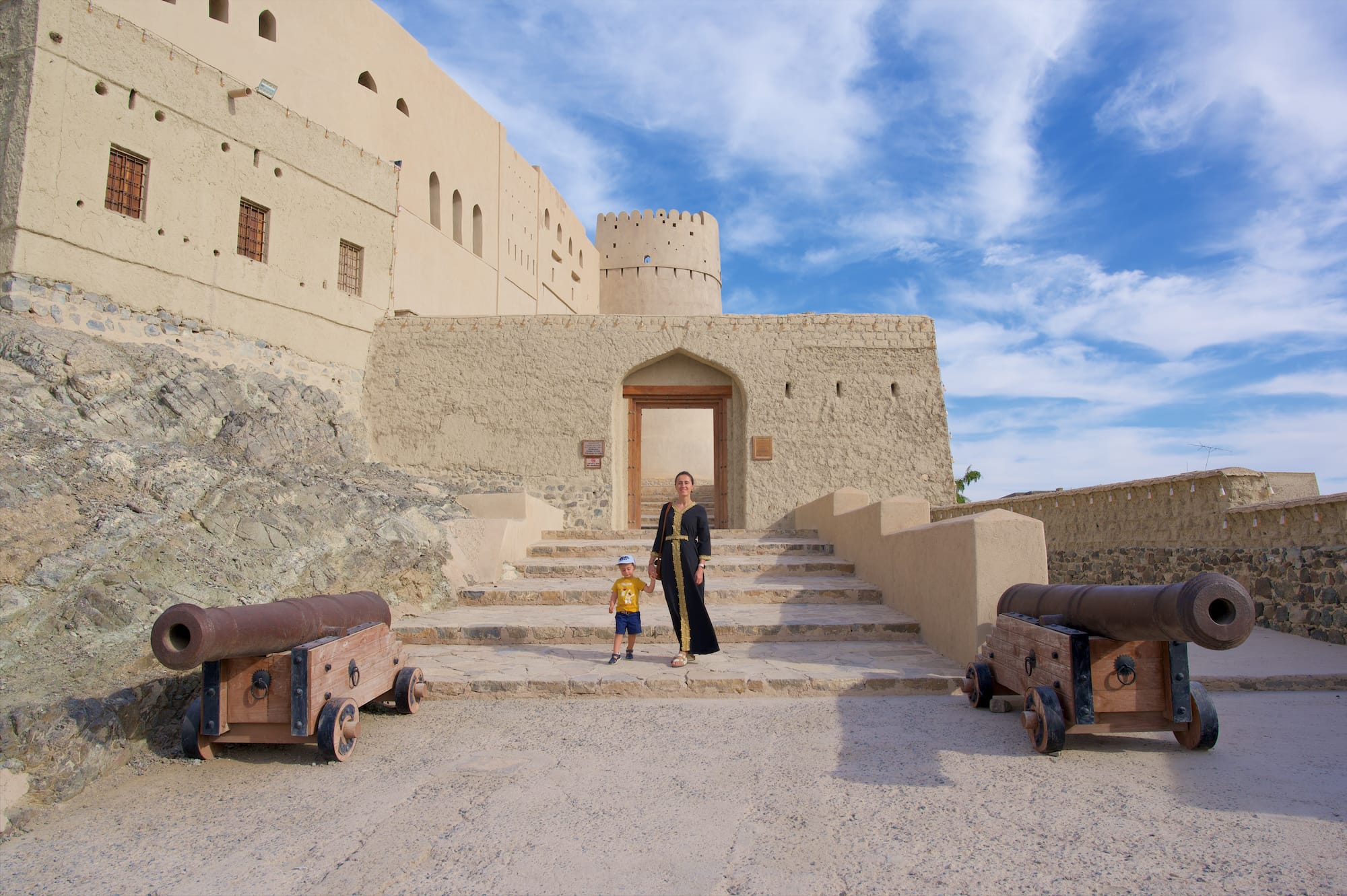
Bahla Fort: guardian of Omani architecture
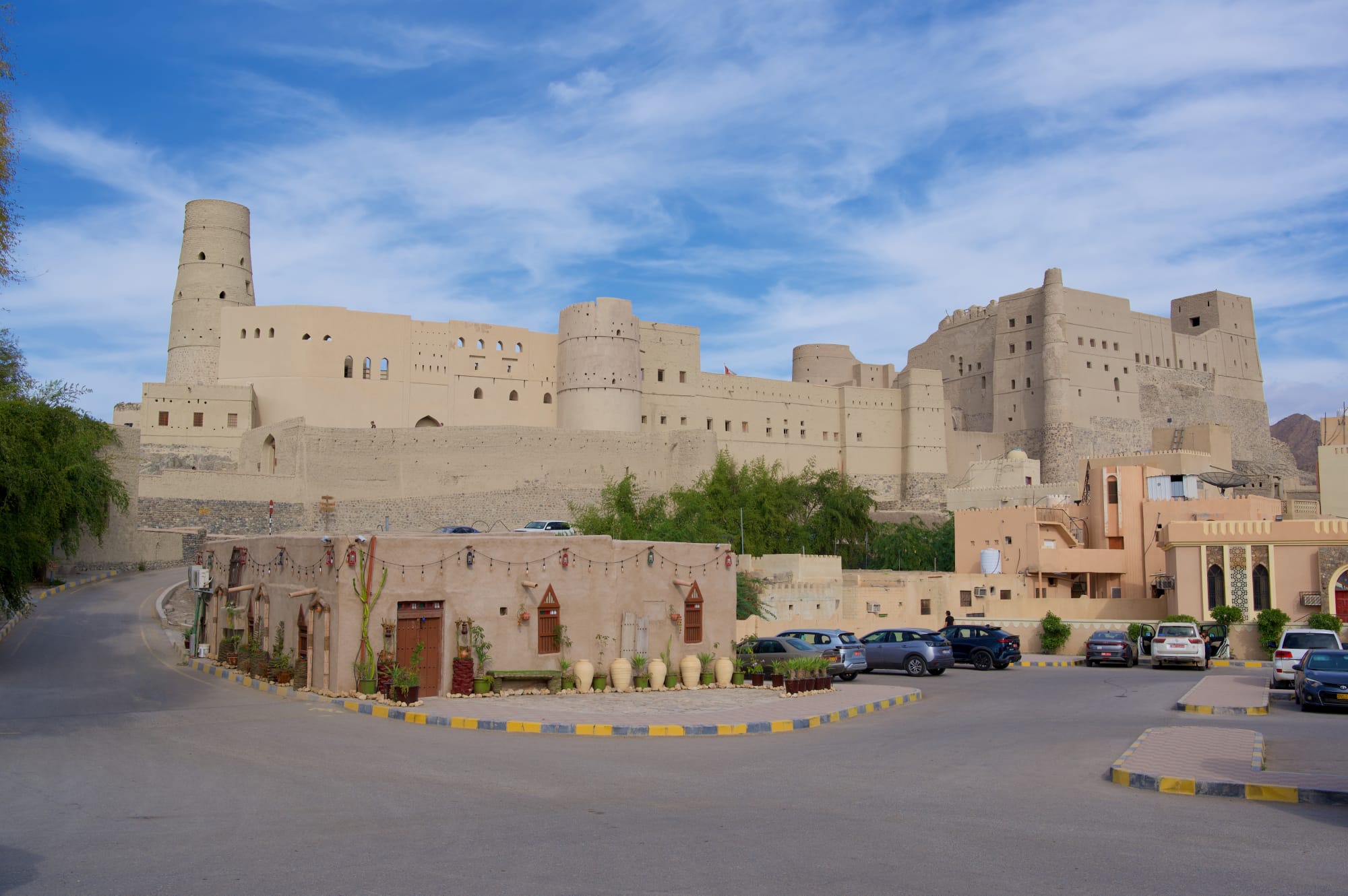
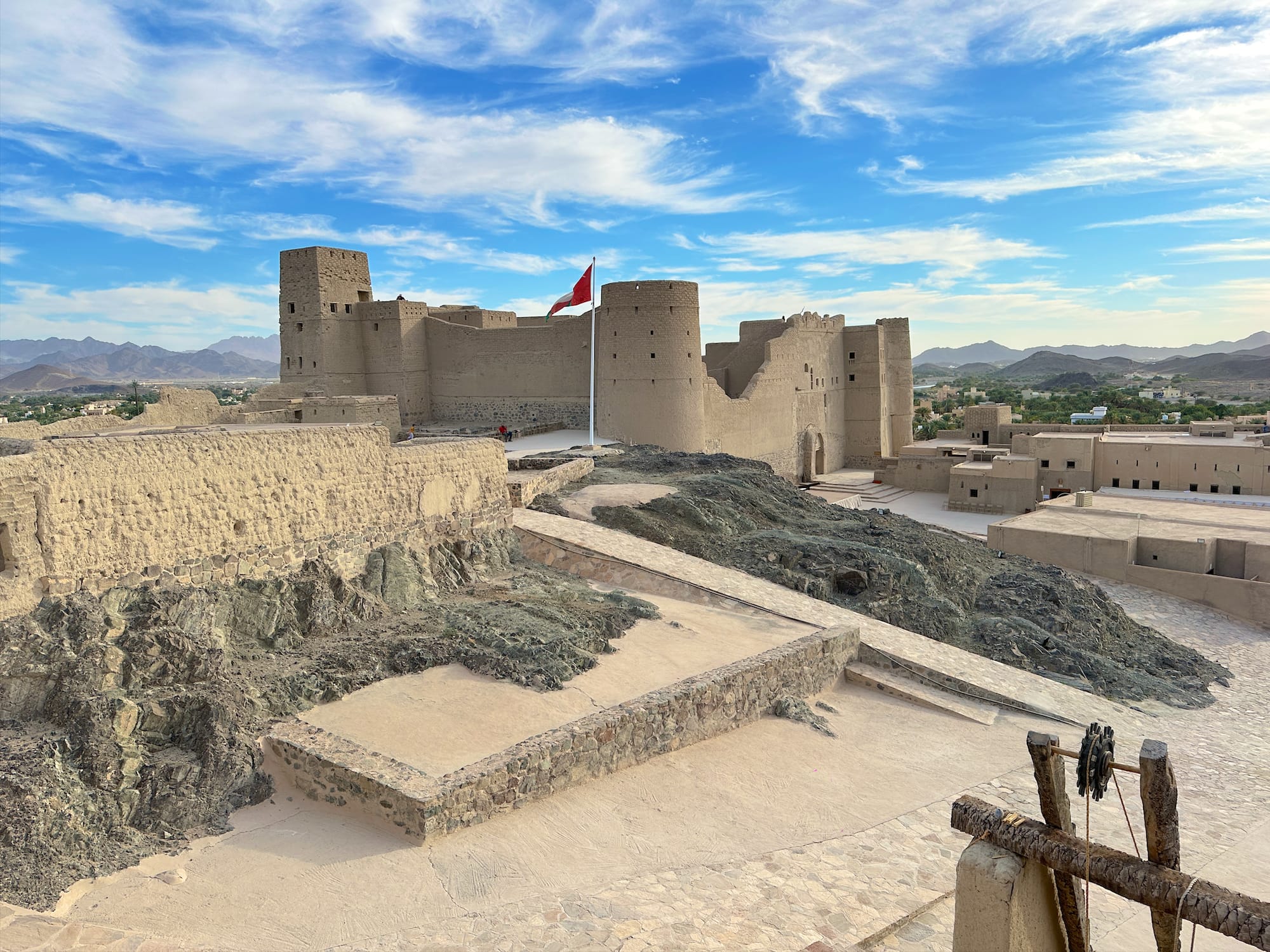
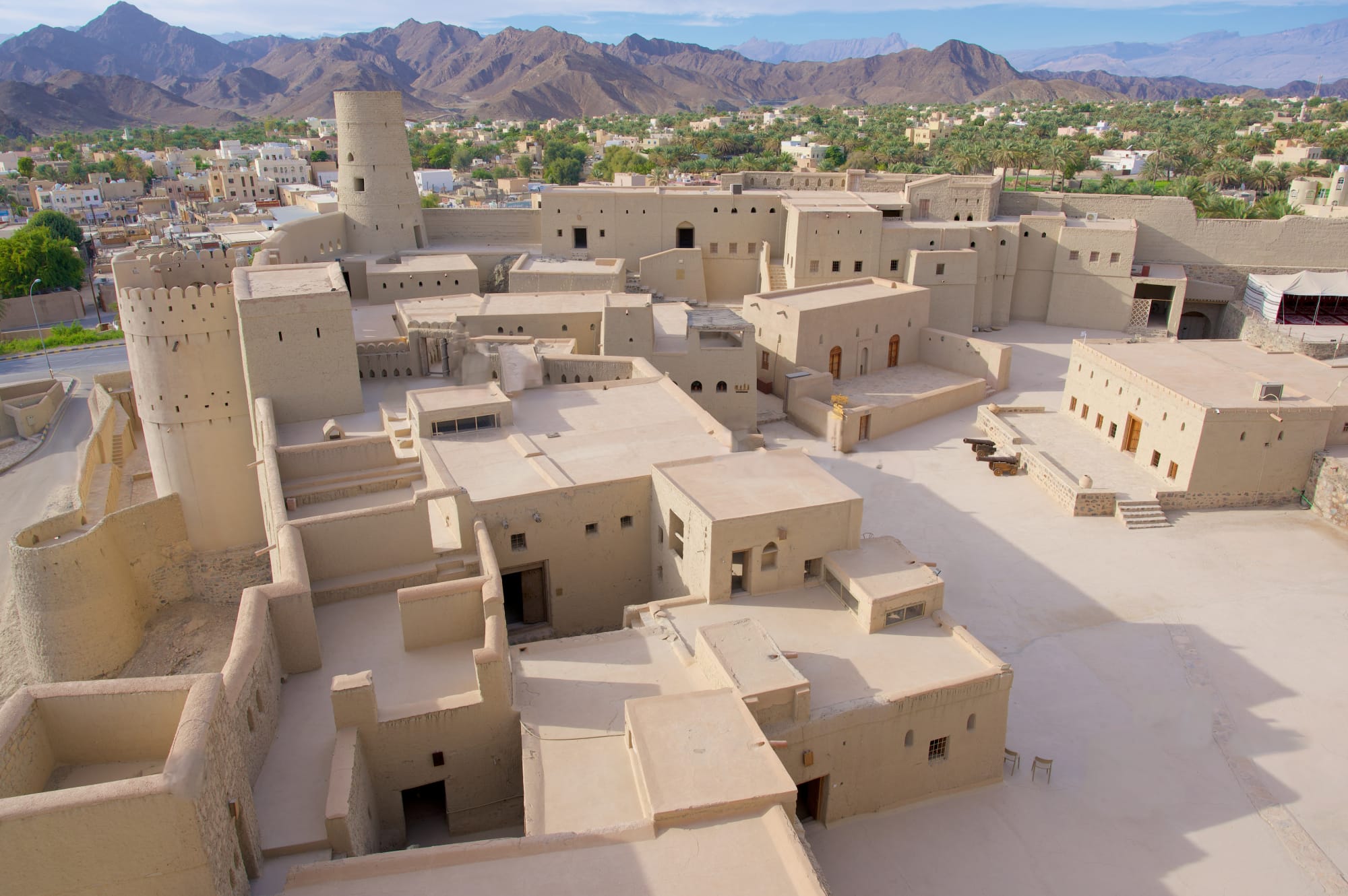
Surrounded by 12 km of ancient mud walls, this fort appears suddenly and stands out against the surrounding landscape in all its grandeur. It is among the most evocative forts in Oman and has long been a UNESCO World Heritage Site.
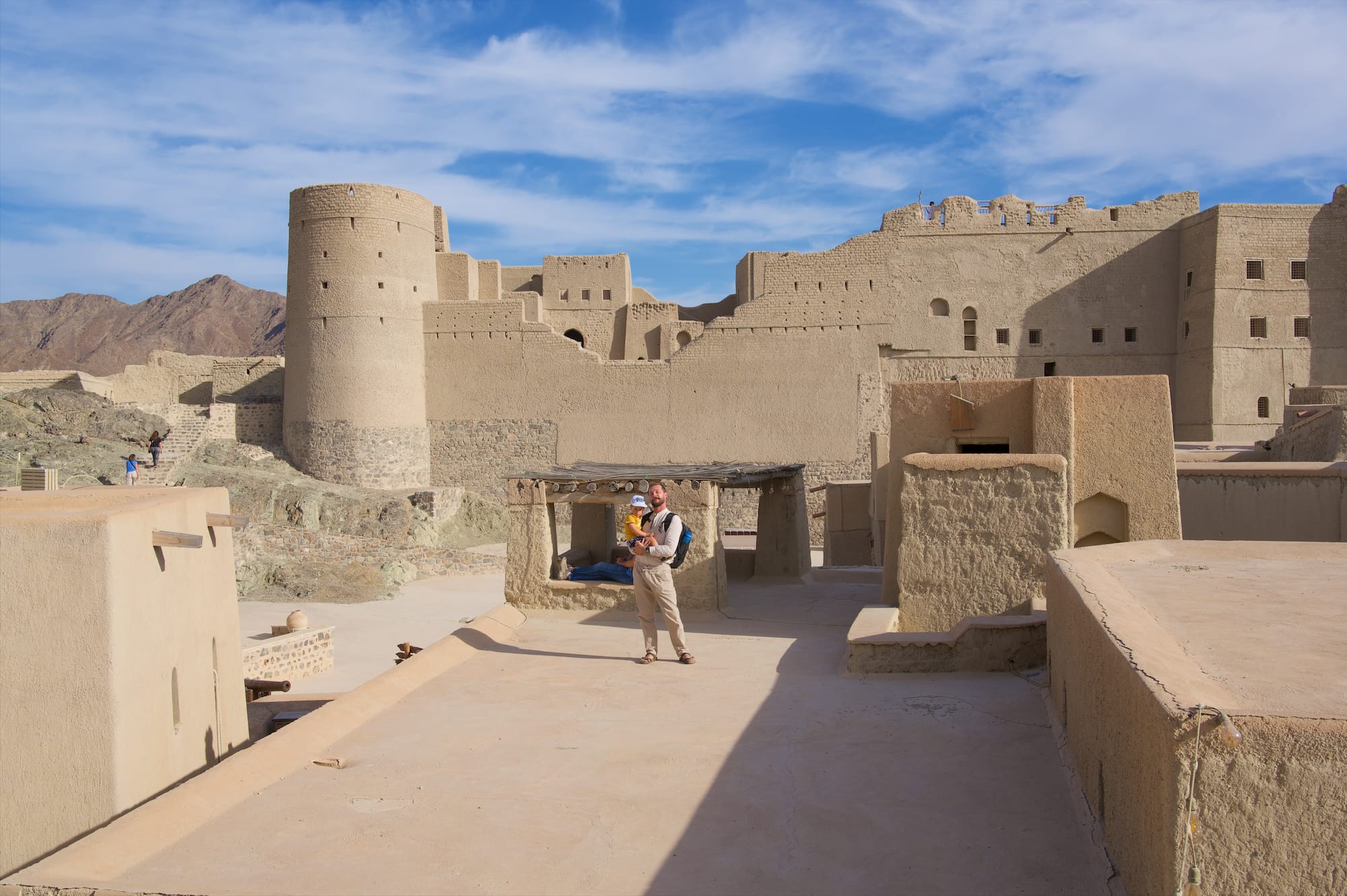
Bahla Fort
The fortress was not merely a military stronghold but the beating heart of a prosperous oasis, famous since antiquity for the production of ceramics and dates, and an important commercial hub along the caravan routes.
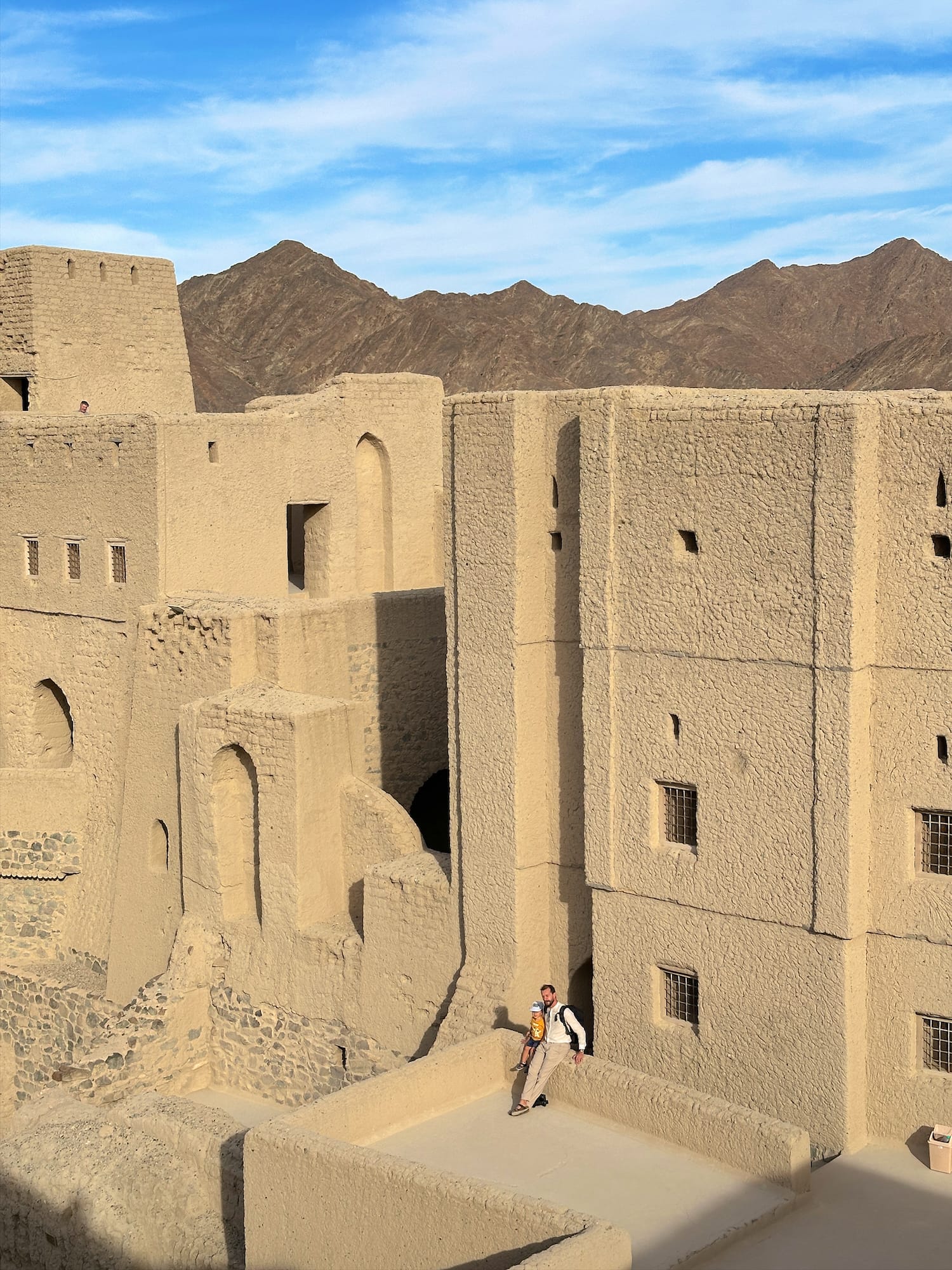
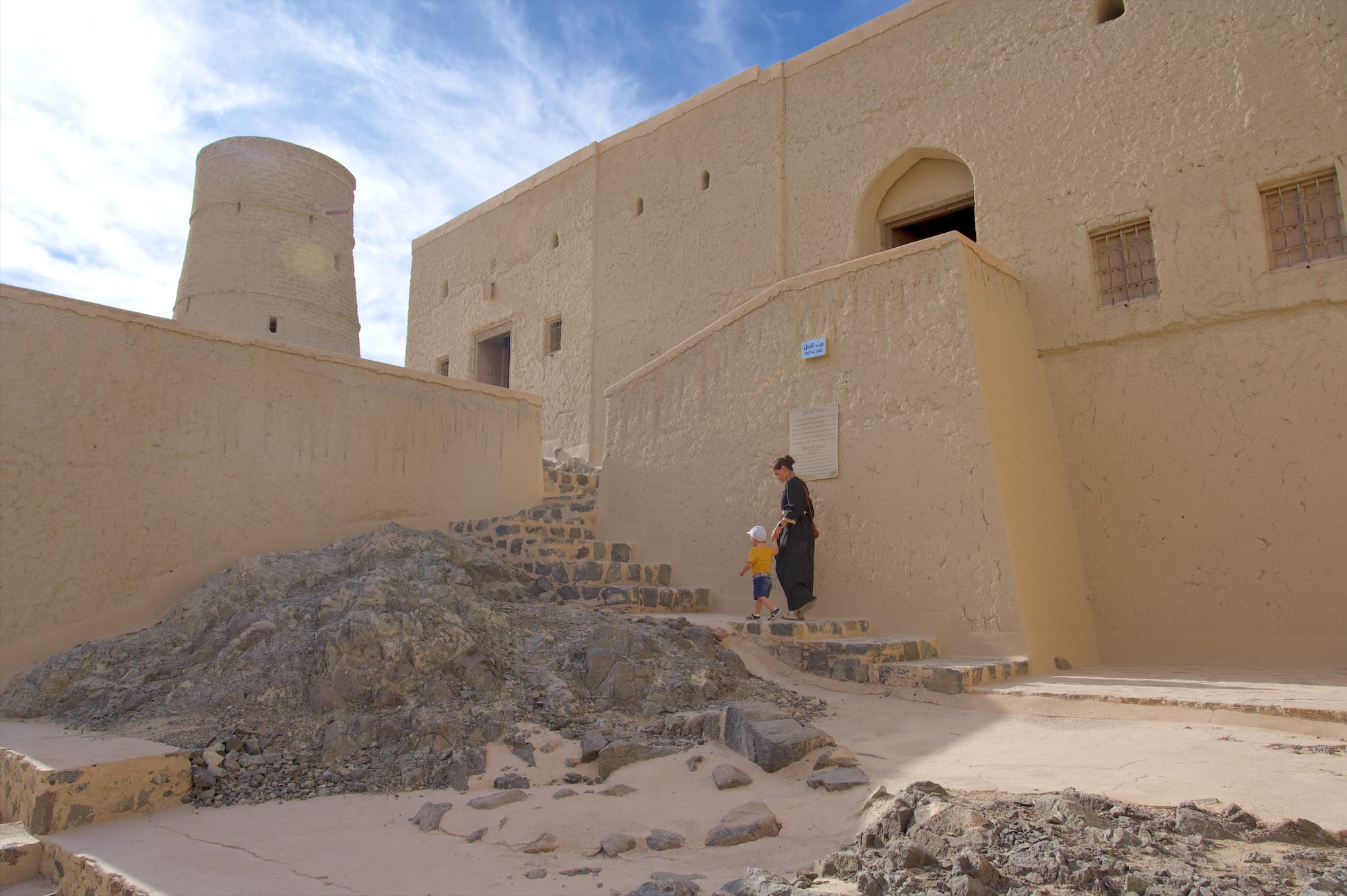
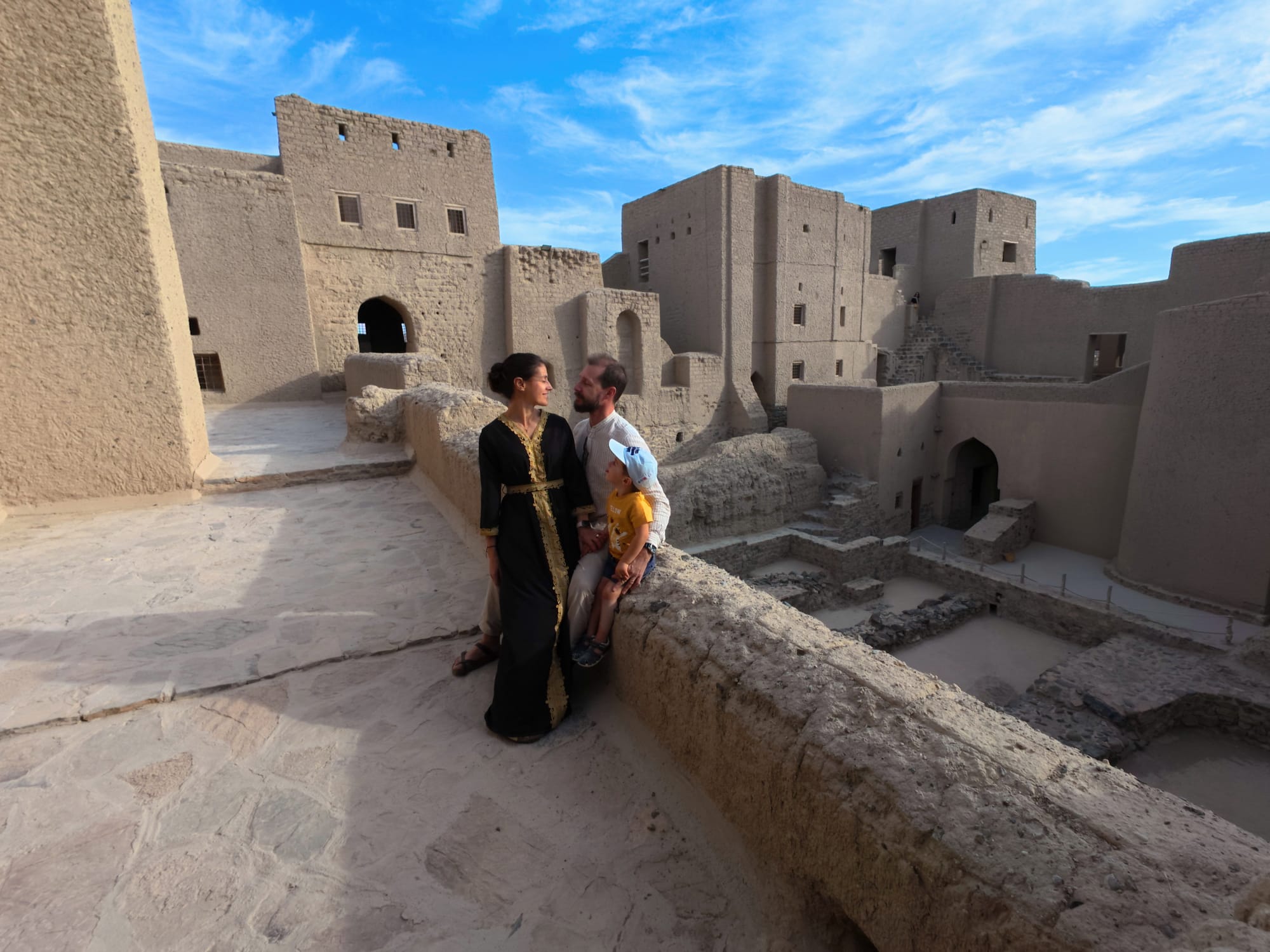
Walking through the restored halls of the fort, climbing its towers and looking out through the arrow slits is a genuine journey back in time — it means immersing yourself in a past of sultans, warriors and legends.
A whole small city inside the fort
We did not find many tourists, and for that reason alone we appreciated the visit to this fort all the more. We consider it a truly unmissable stop.
Wahiba Sands: a night in the desert
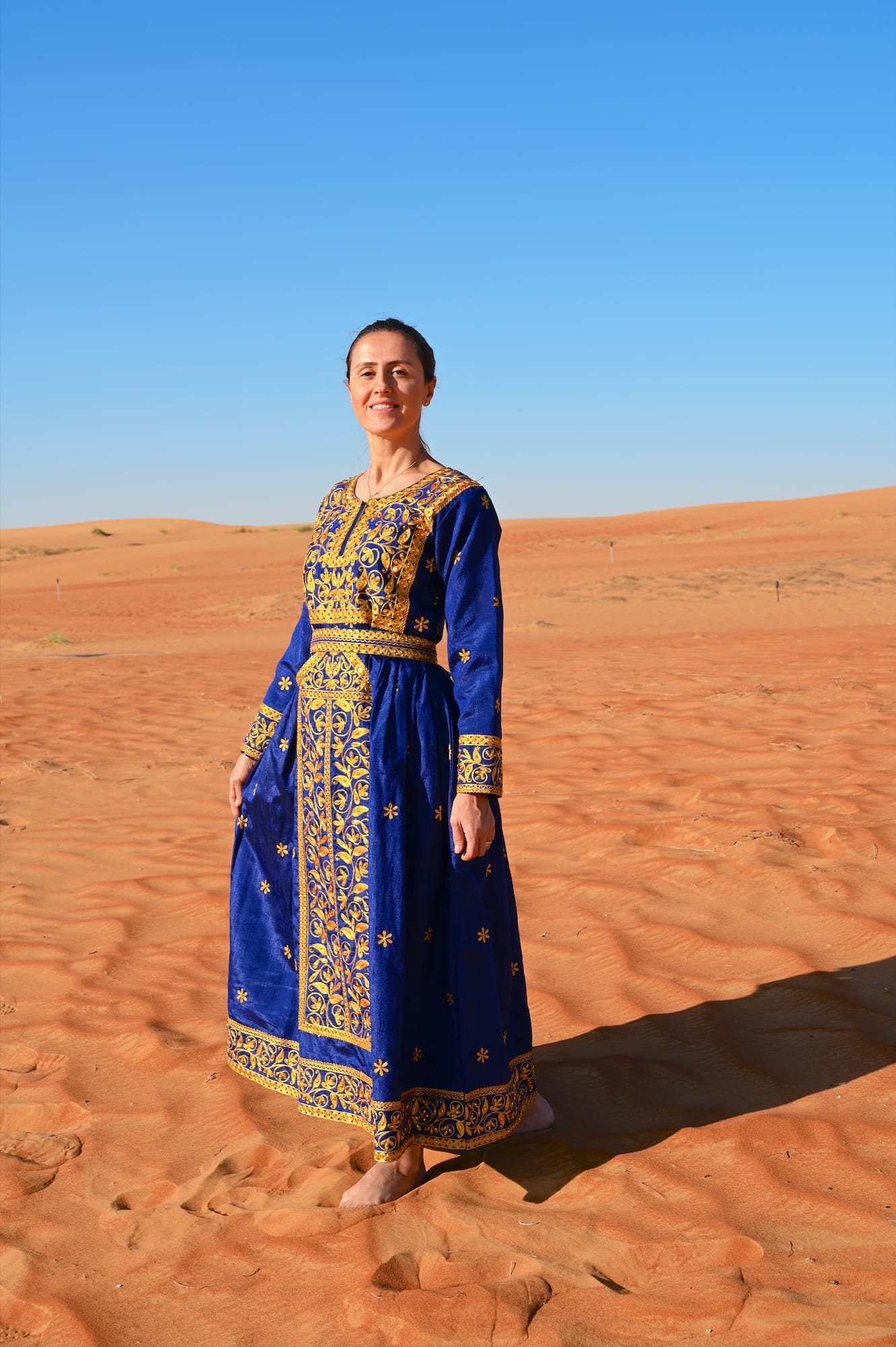
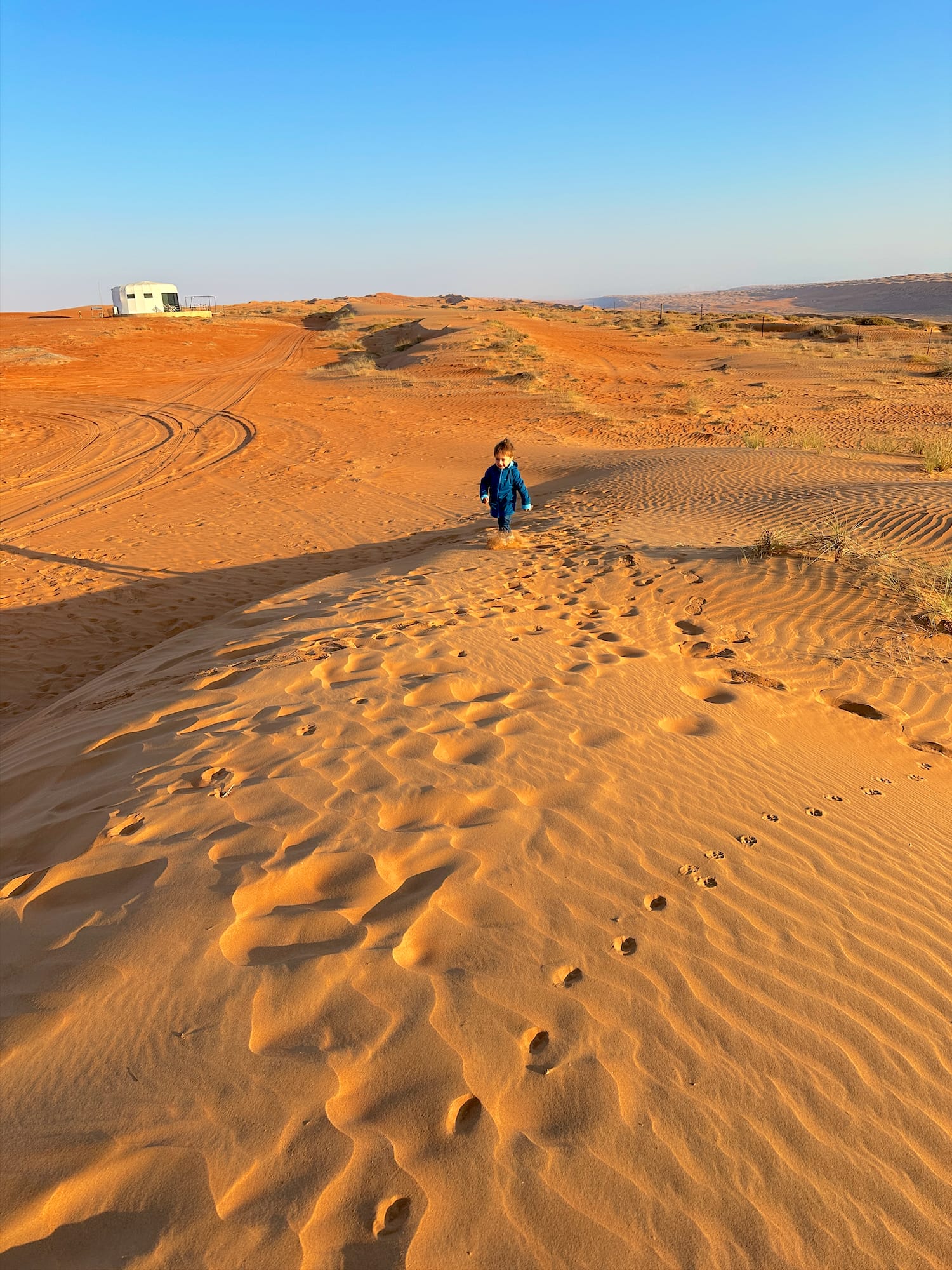
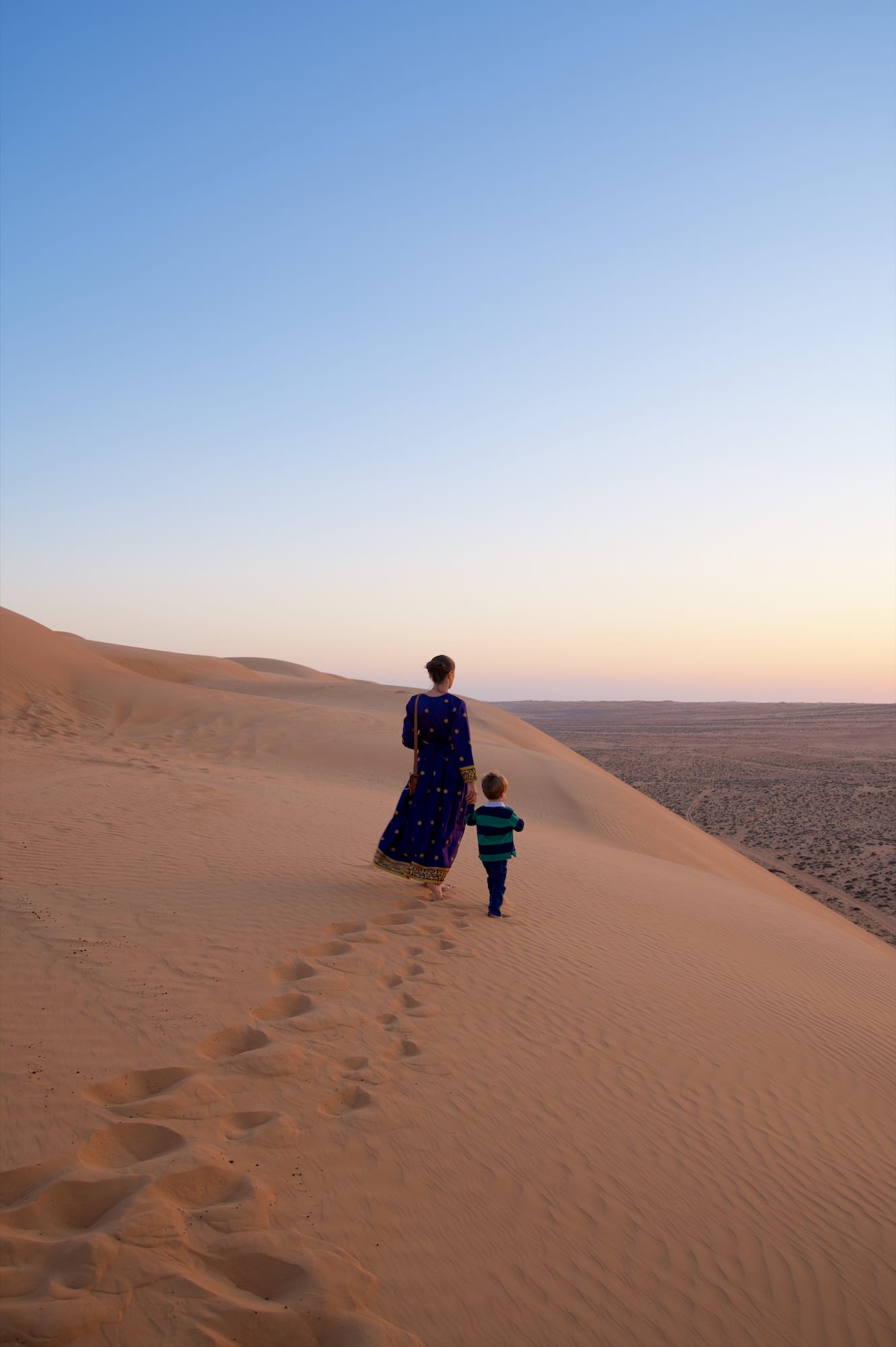
Among the experiences we feel compelled to recommend is spending at least one night in the desert. Wahiba Sands is a vast desert famous for its golden dunes. Several properties here will allow you to live a truly unforgettable experience.
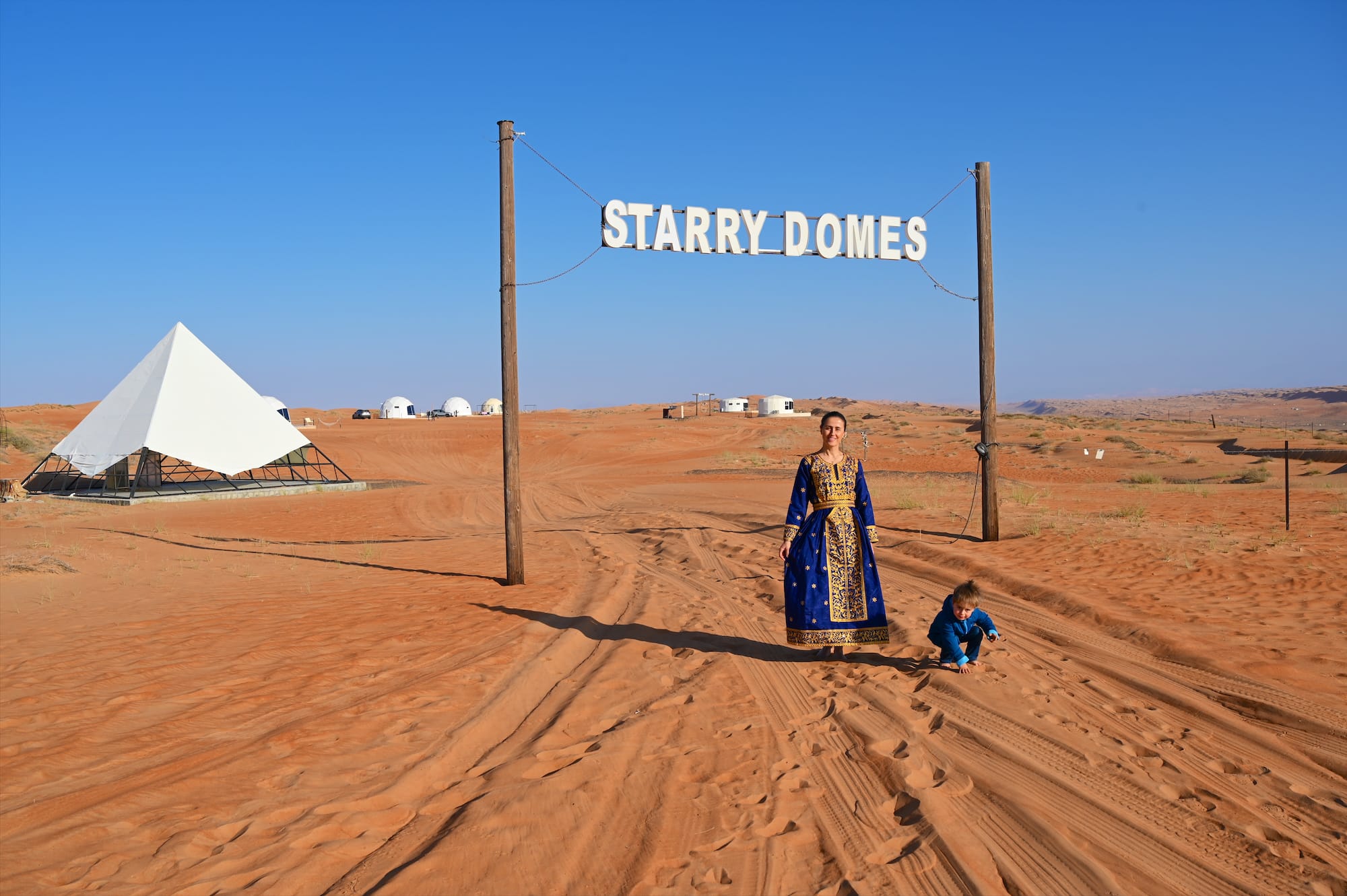
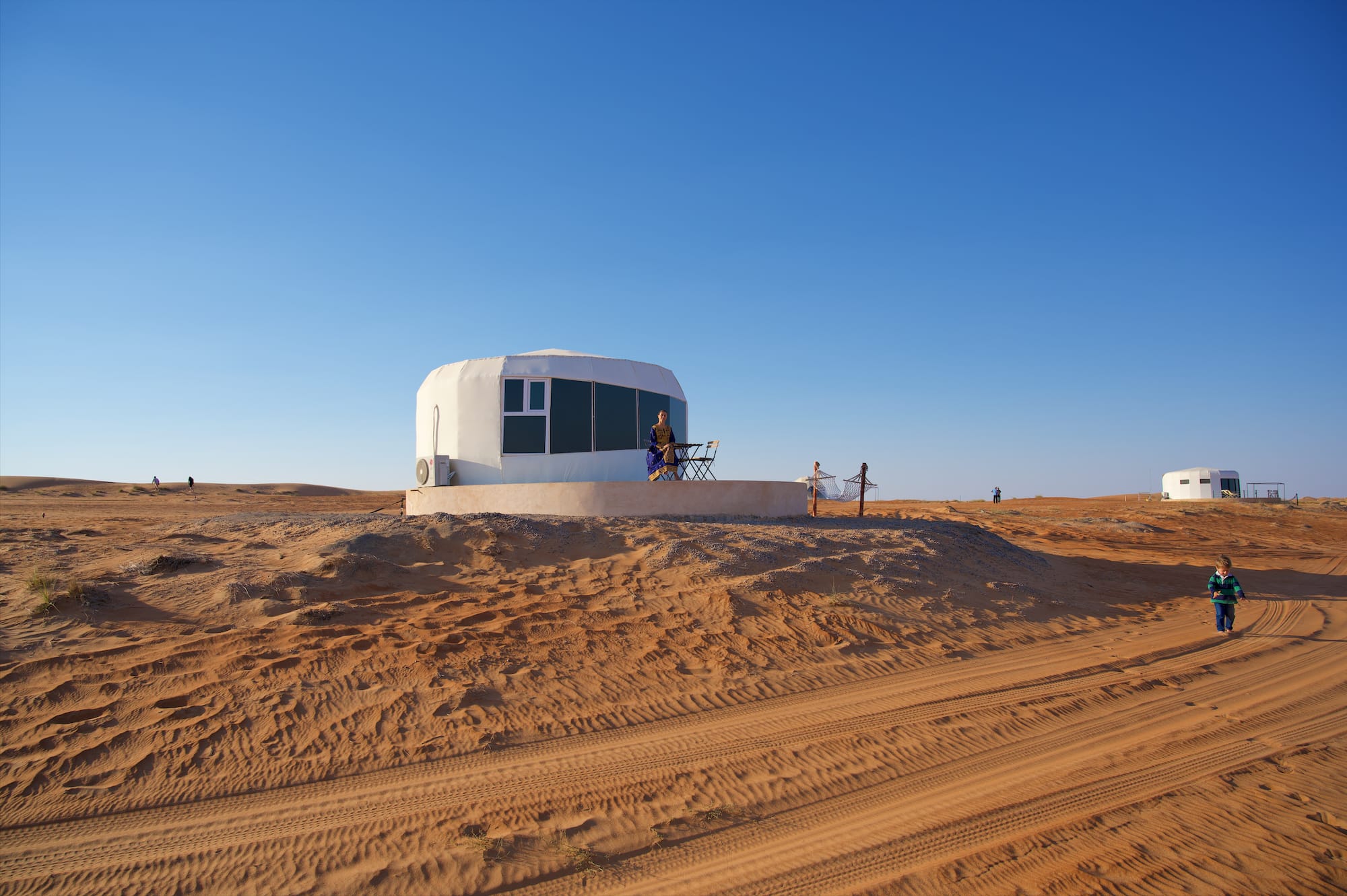
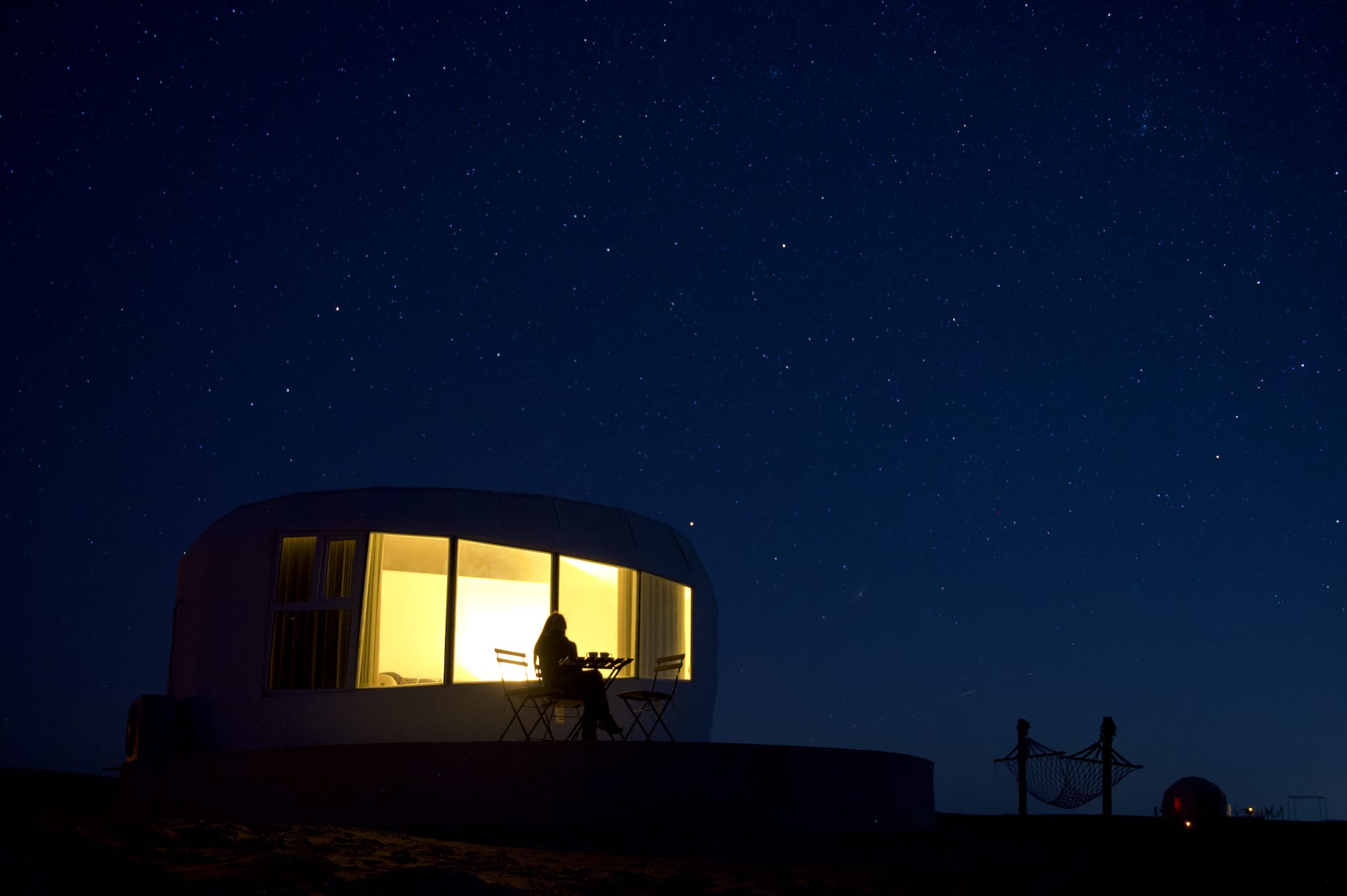
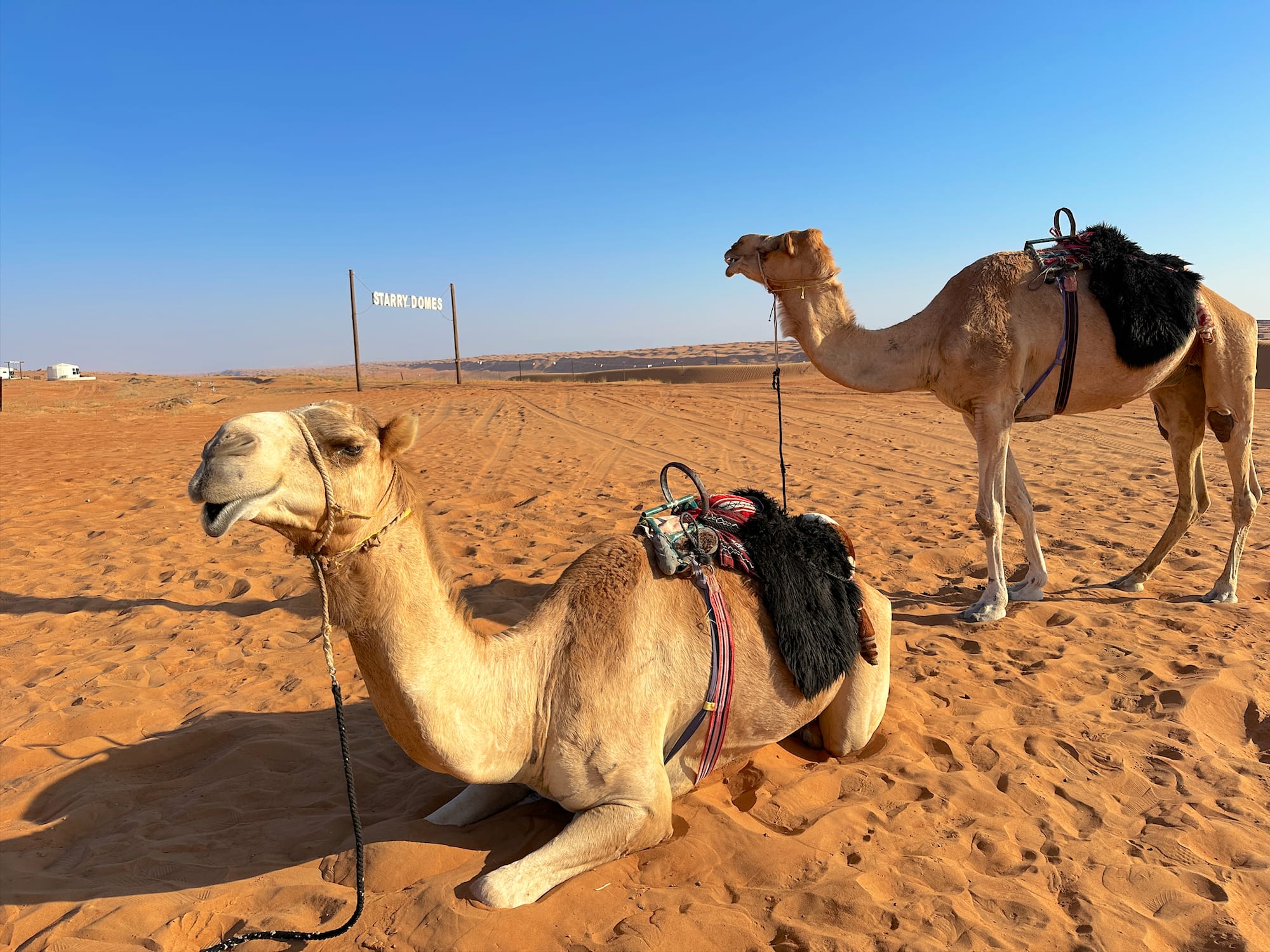
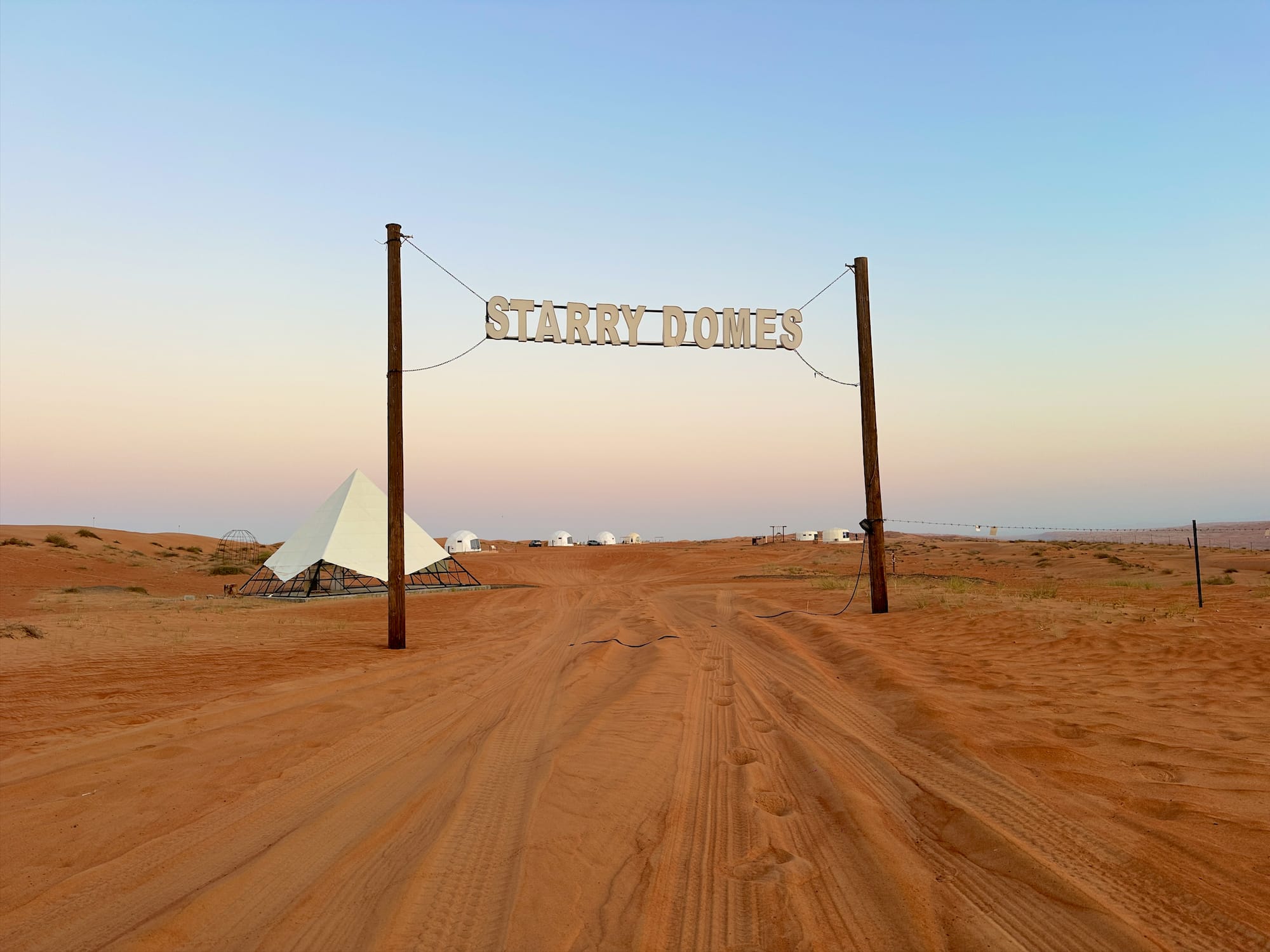
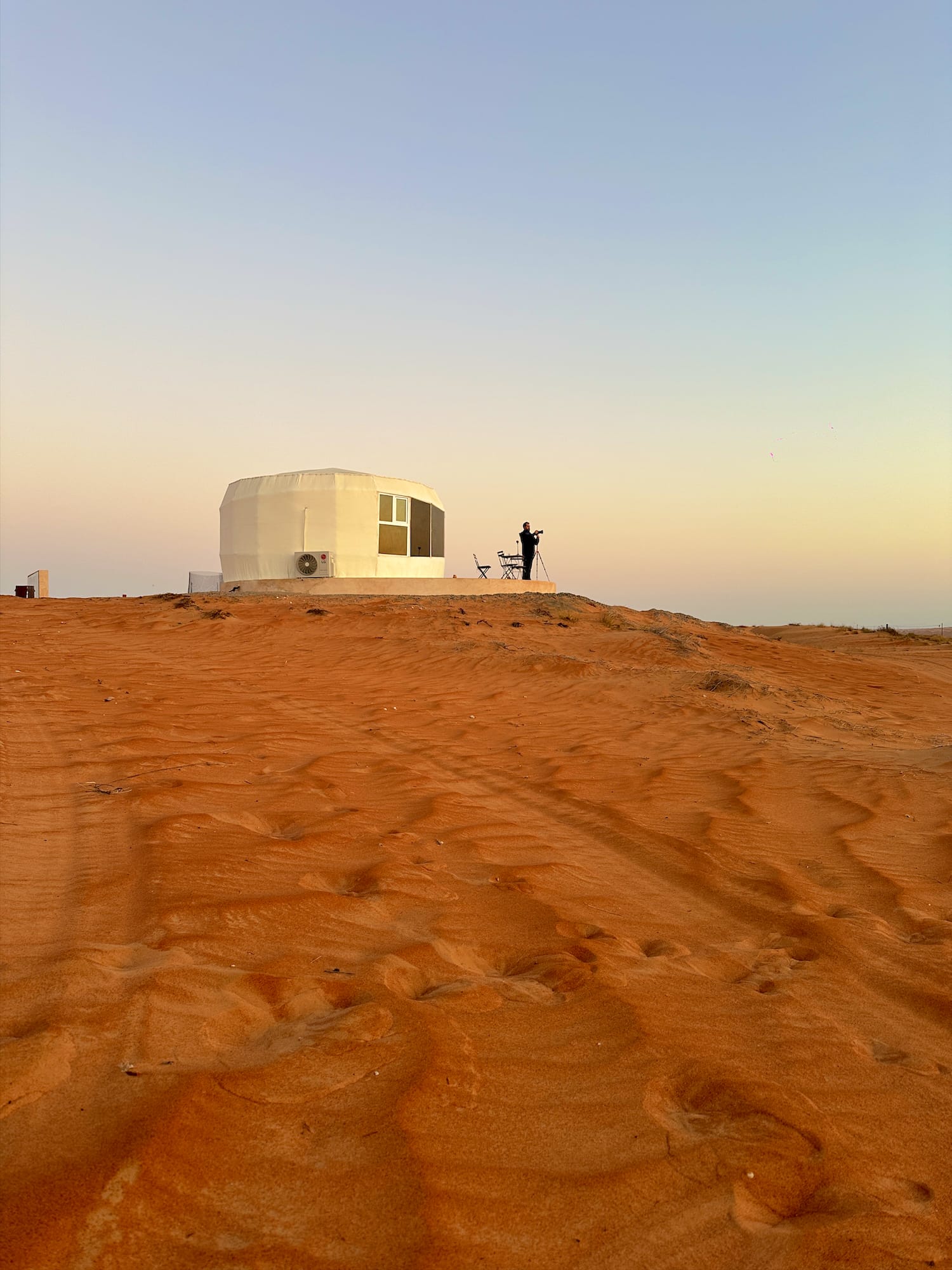
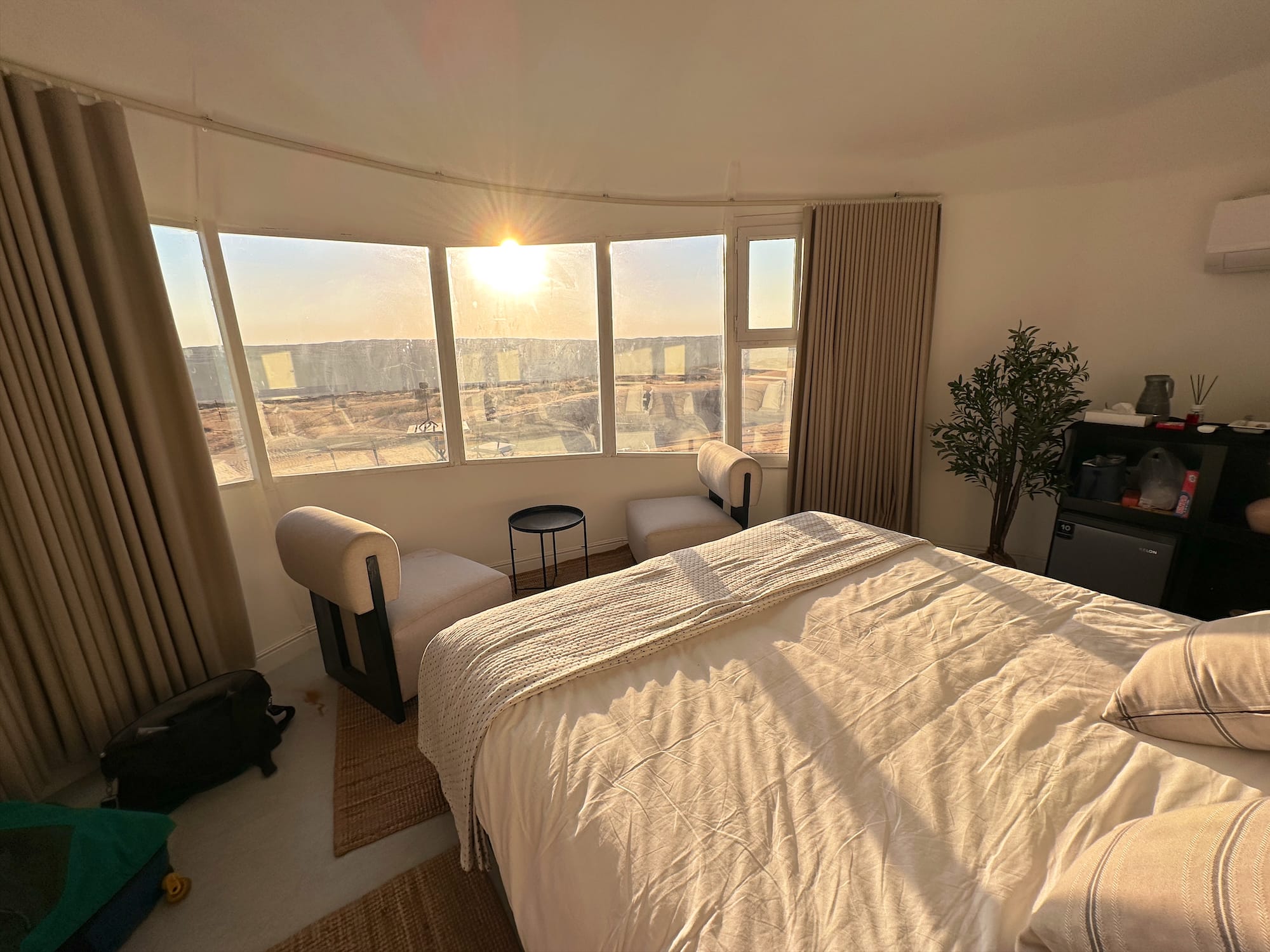
We chose to stay at Starry Domes, a splendid camp with just a few comfortable, well-spaced bungalows. We left our car at the meeting point shortly after lunch and ventured deep into the desert in their vehicles. There are no signs, but they naturally know exactly where they are going.
Ultra-modern bungalows in the middle of the desert
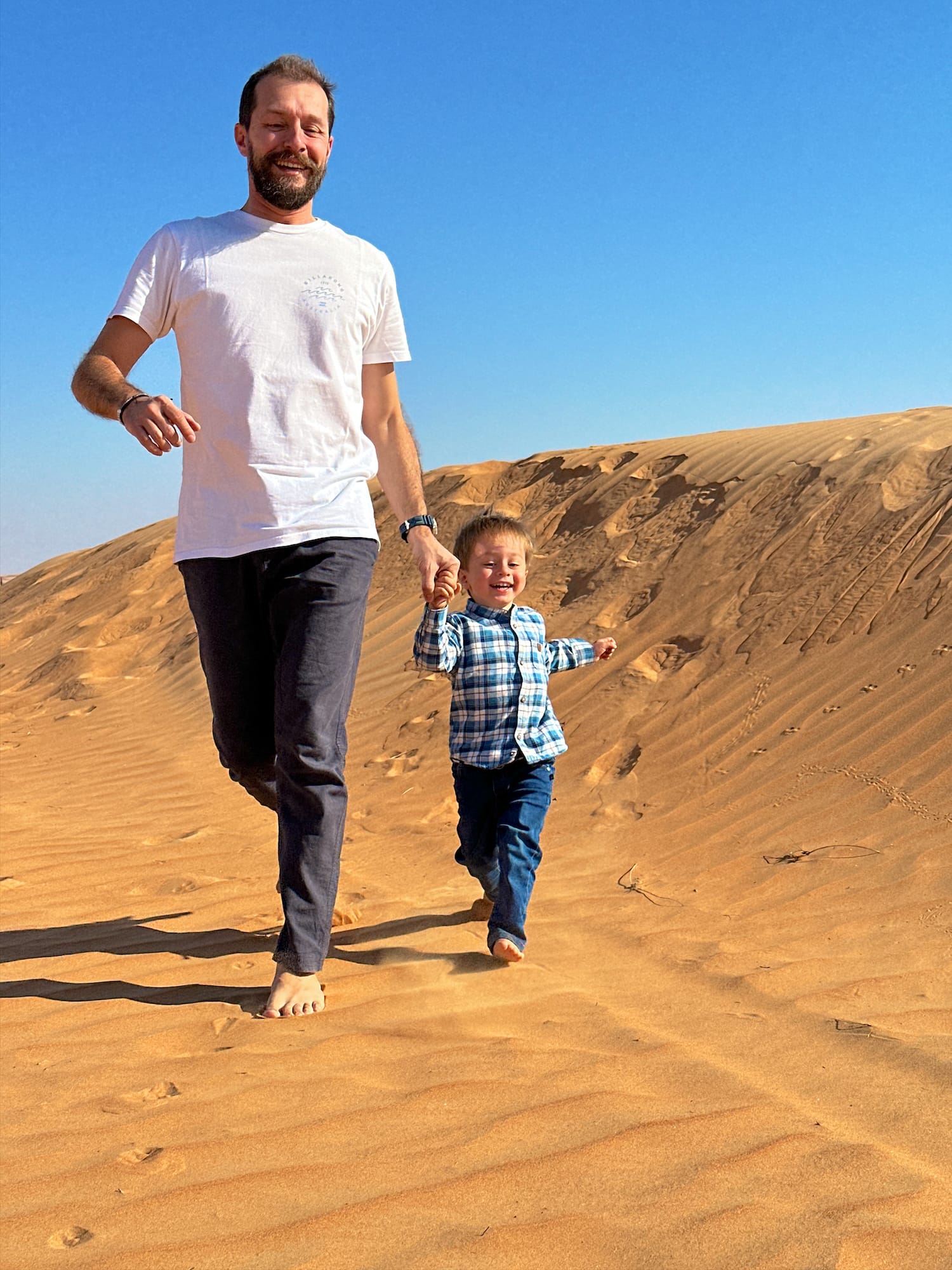
The property offers various activities to spread across the day. We opted for a dune bashing experience at sunset that was particularly hair-raising, but enormous fun for Enea. After several ups and downs we reached the crest of a dune and waited for the sun to drop below the horizon.
Sand as far as the eye can see in every direction!
In the evening, dinner is a buffet at the main building — generous and delicious, with something to please everyone. After dinner we lingered to sip tea and watch an Omani national football match before retiring to our beautiful bungalow.
Our bungalow (with Enea already asleep) by night
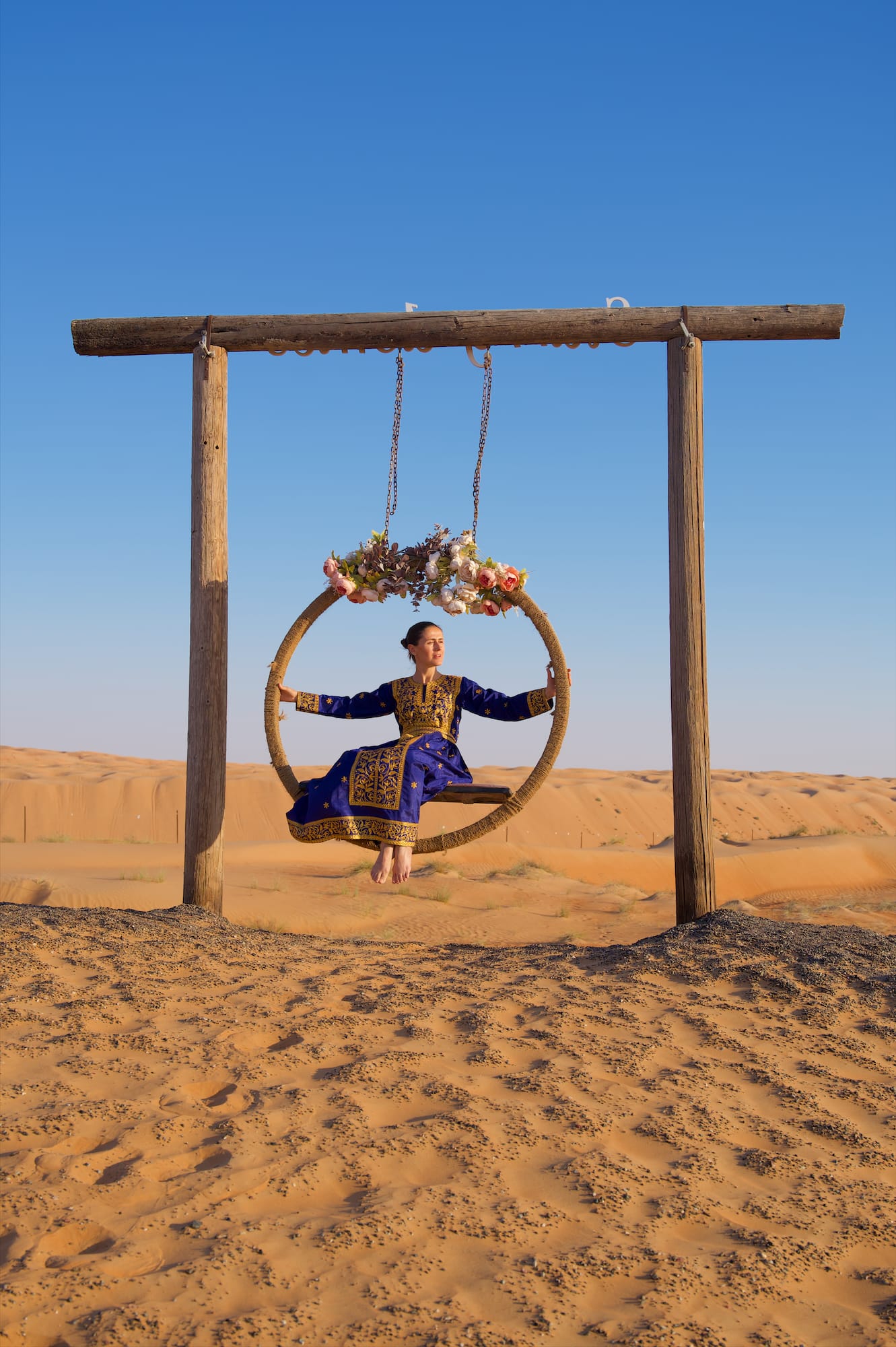
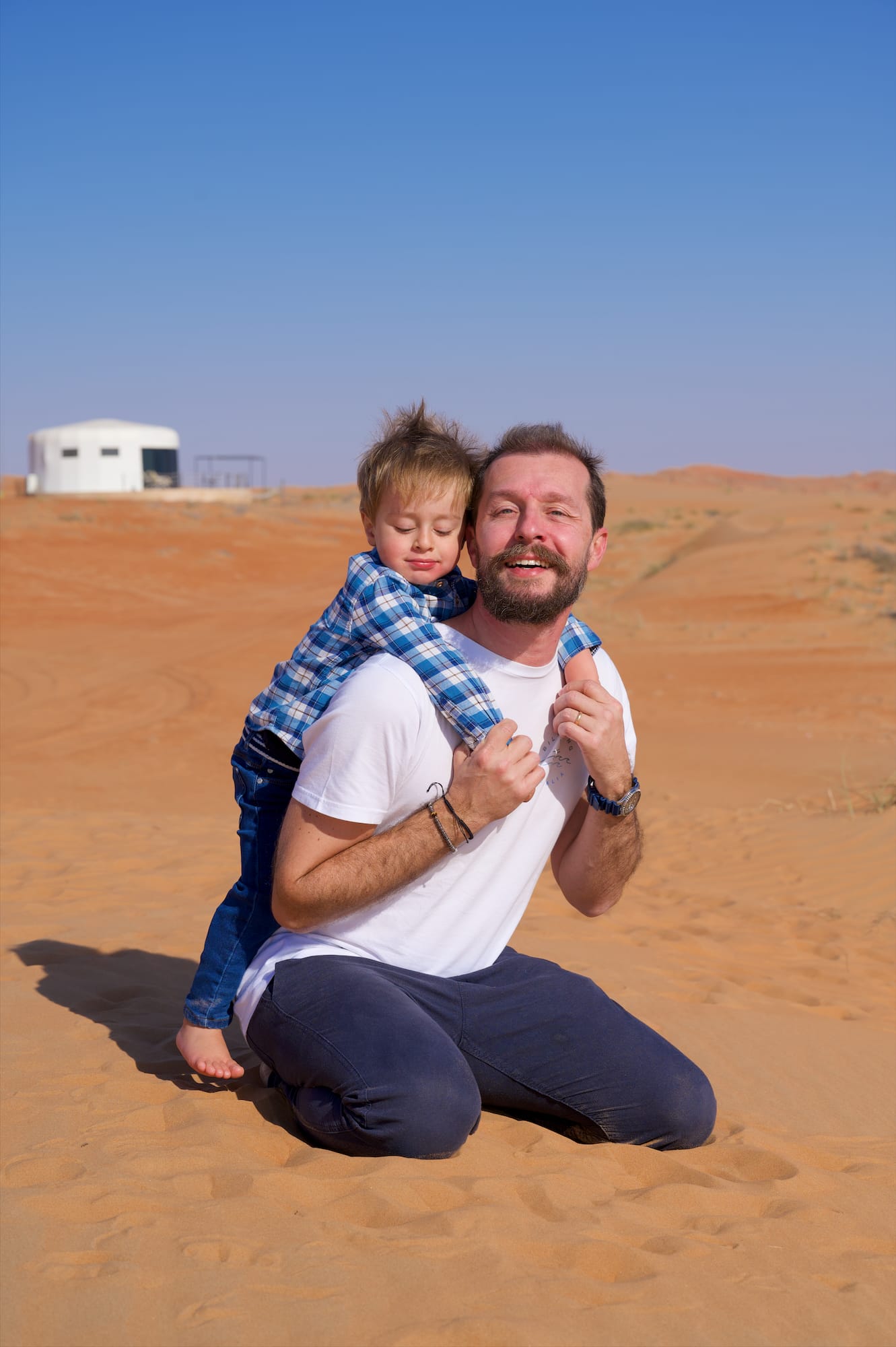
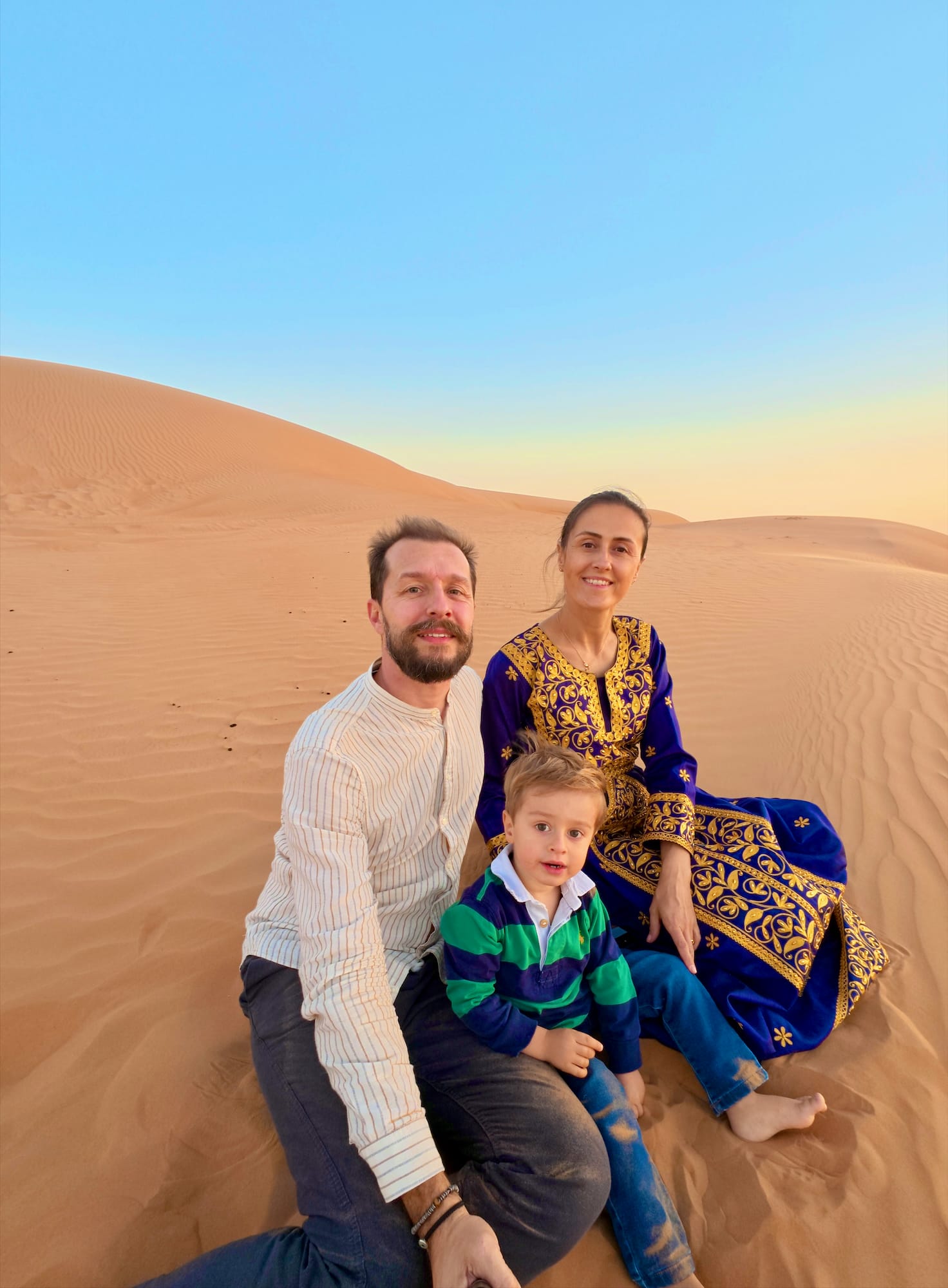
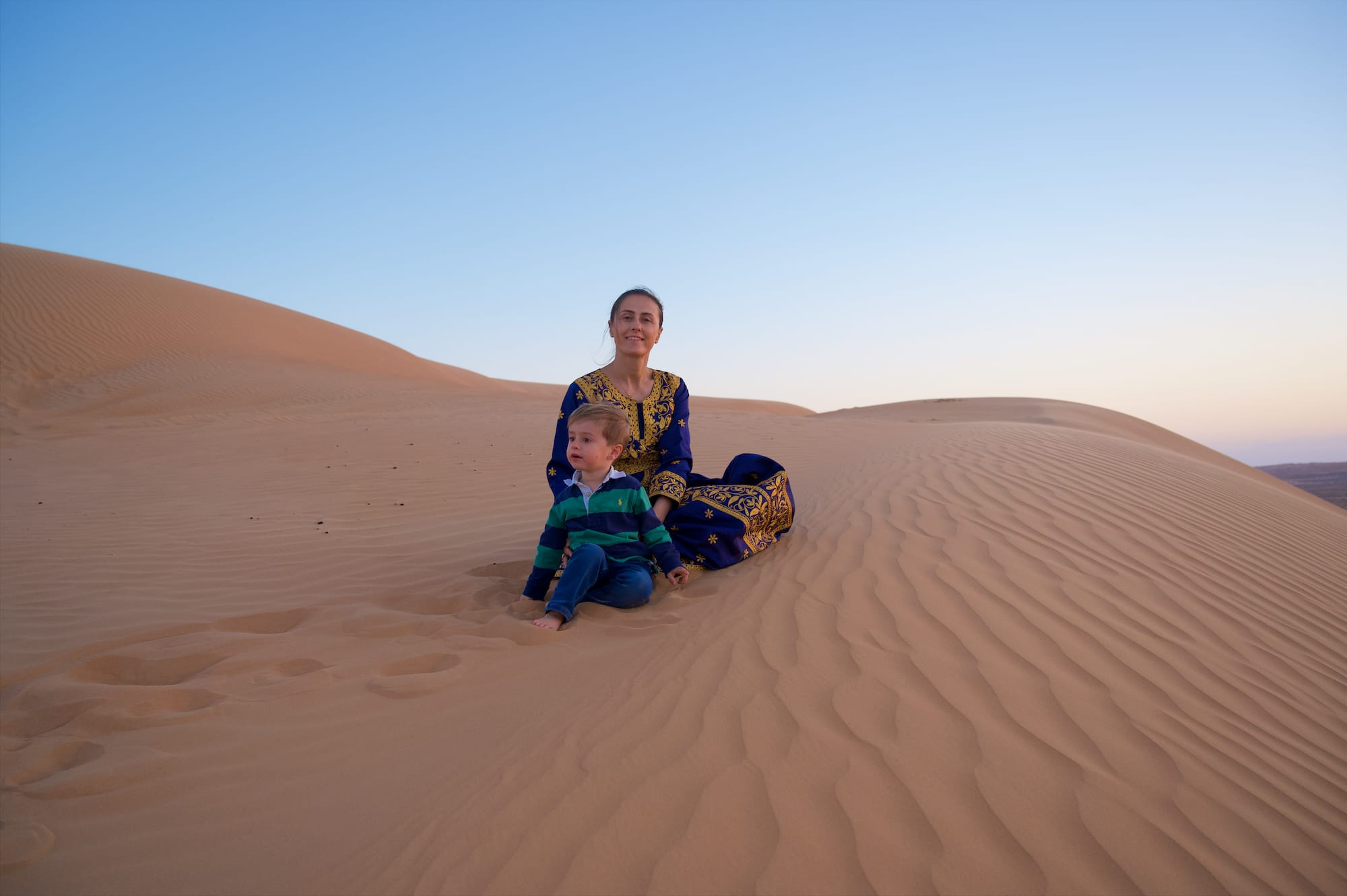
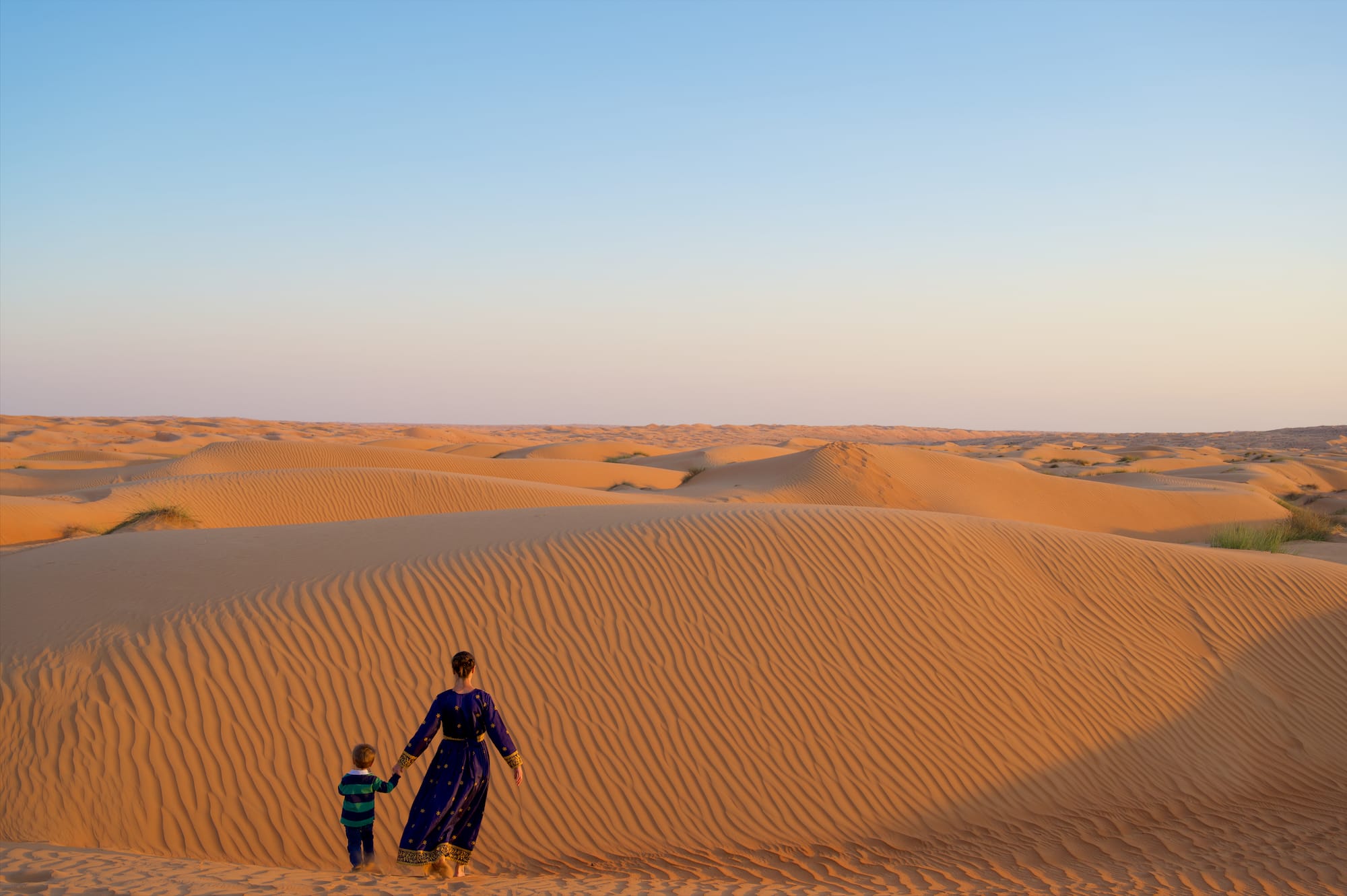
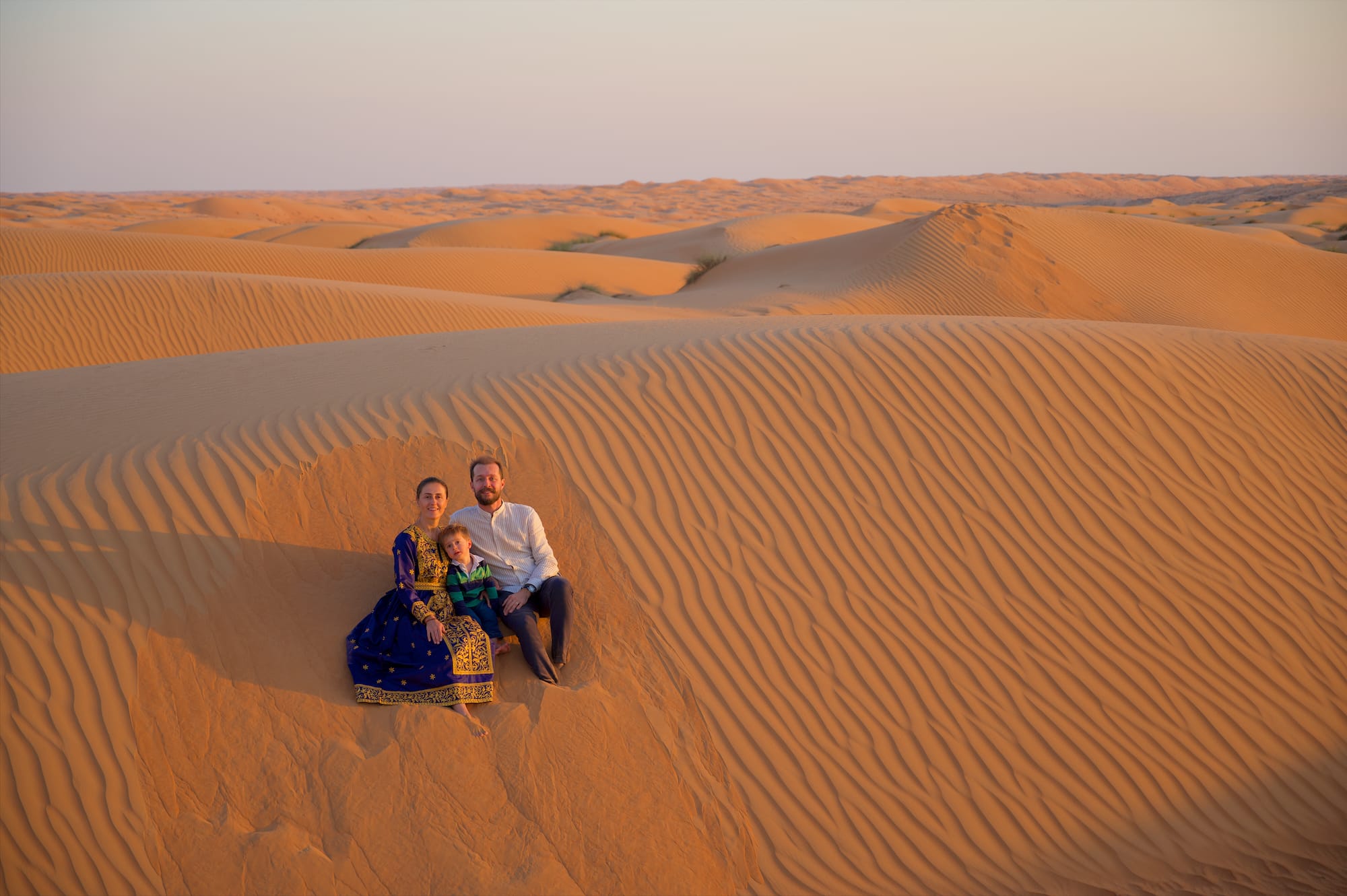
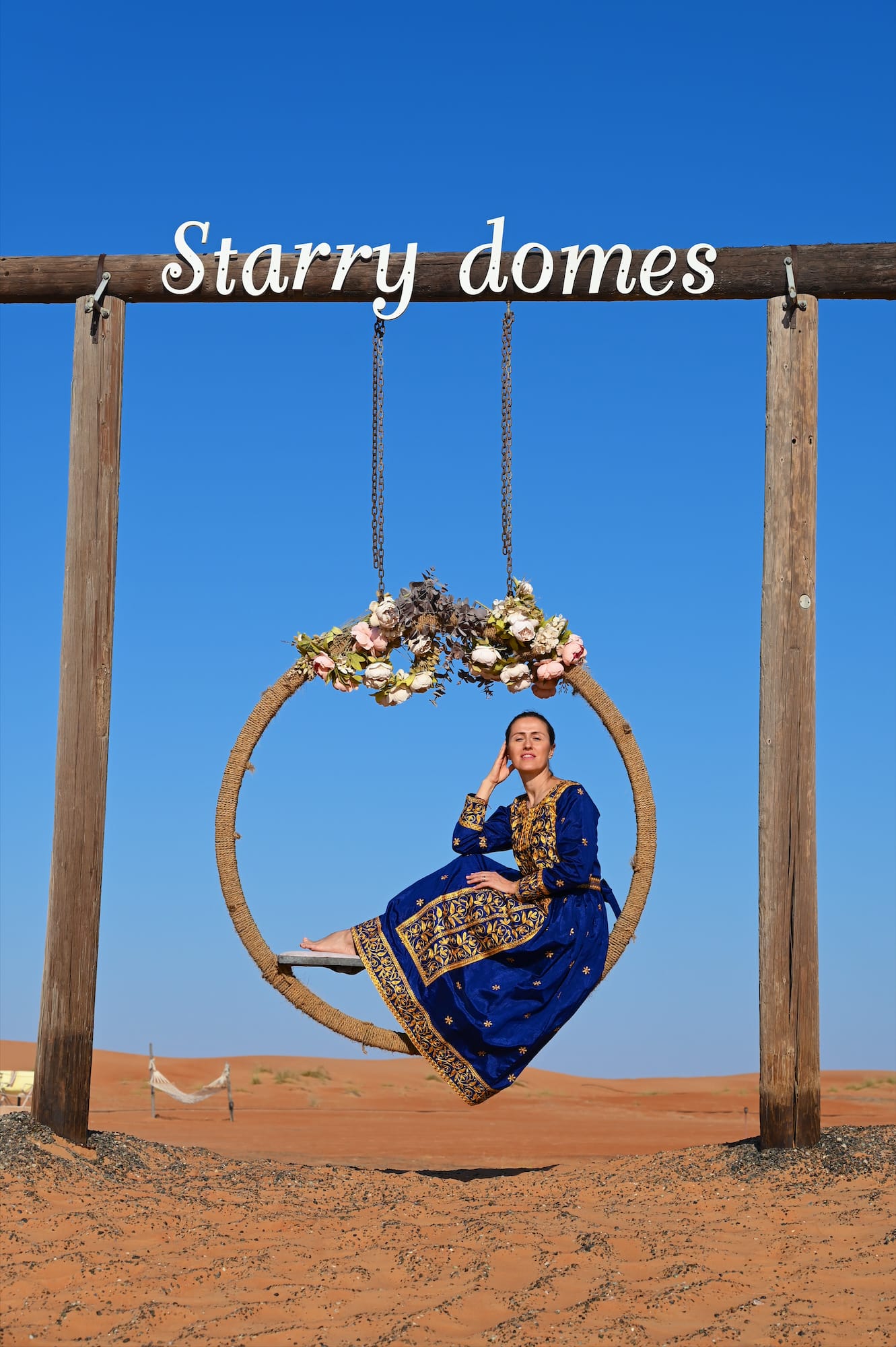
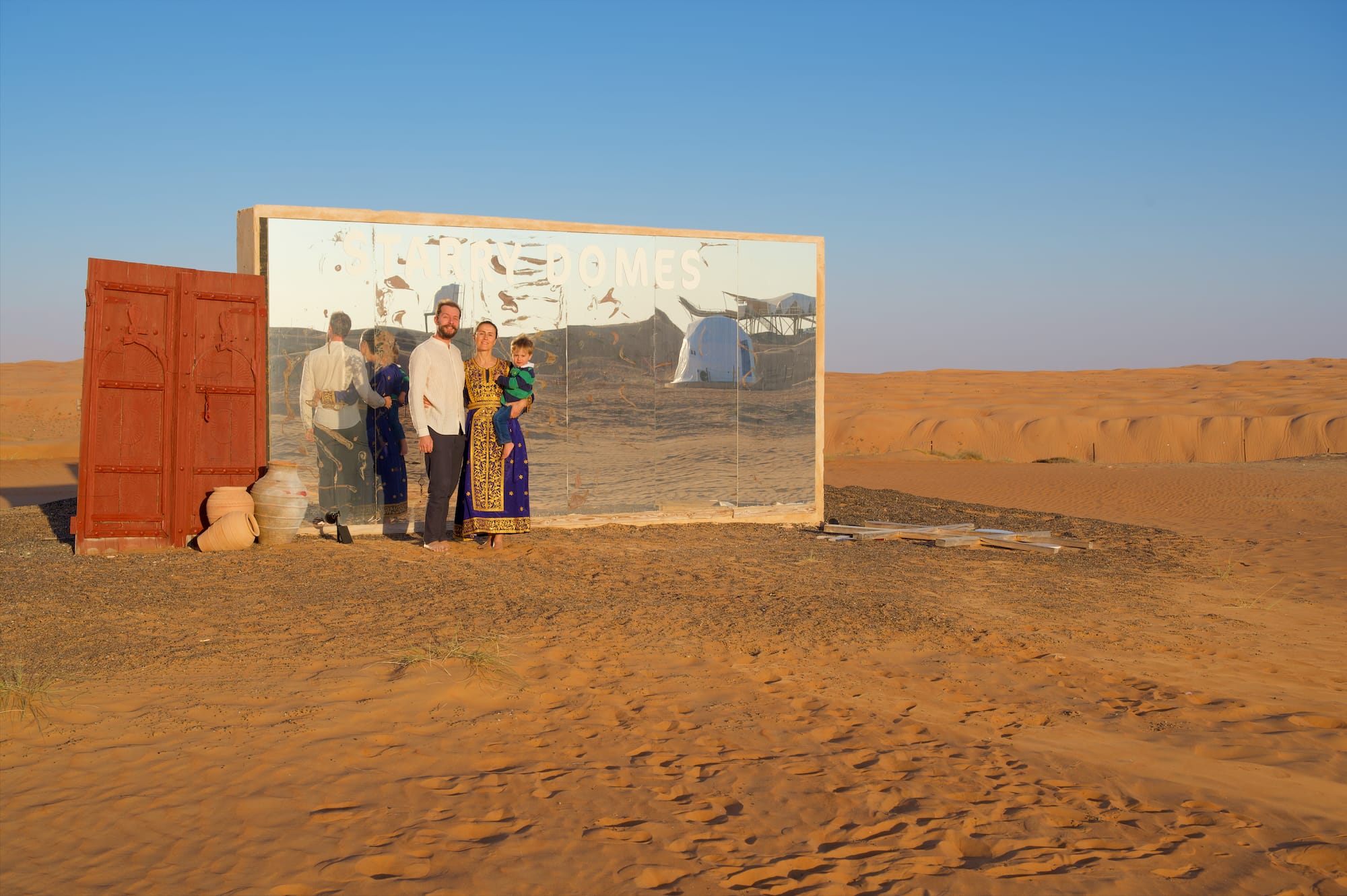
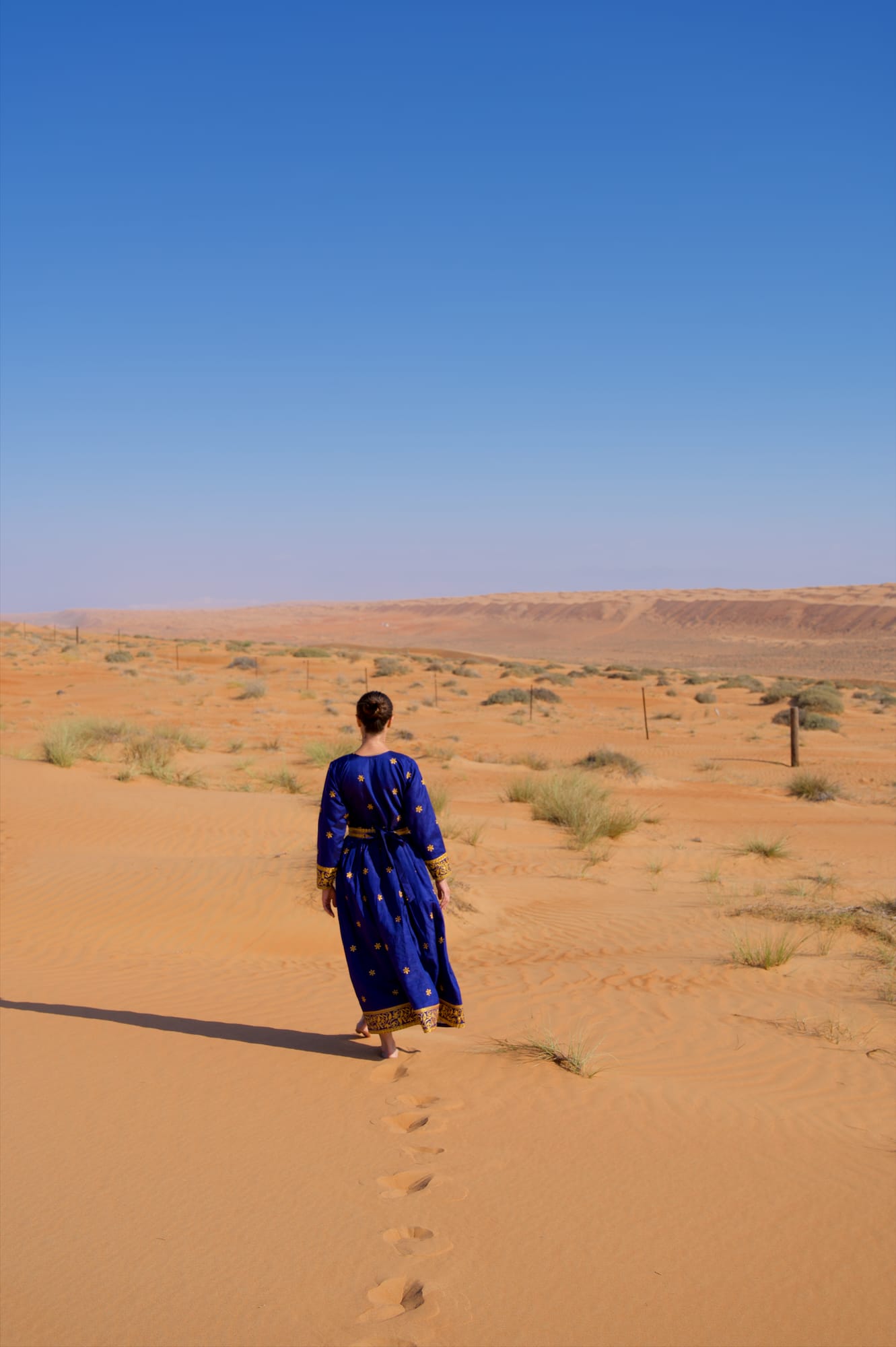
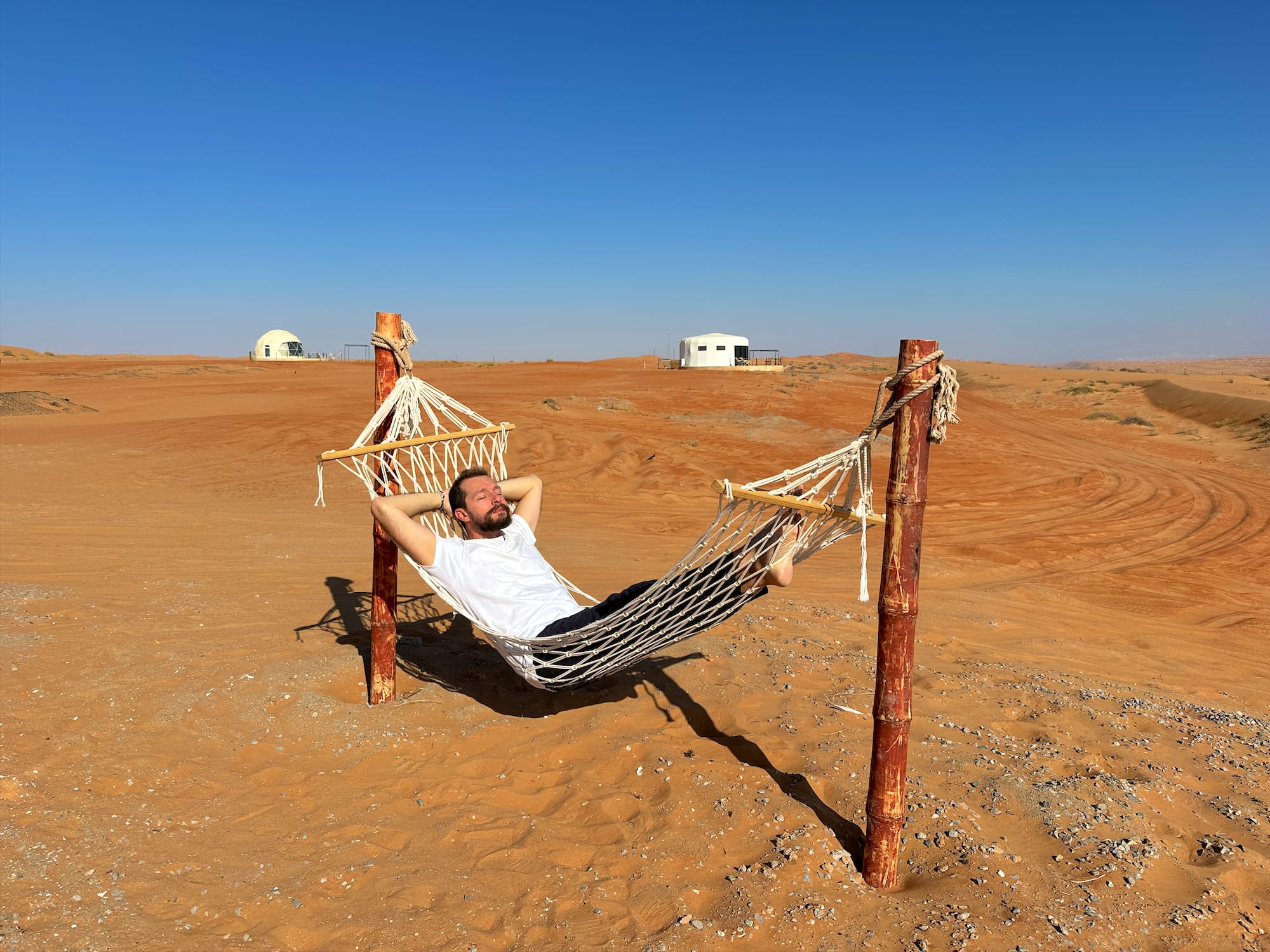
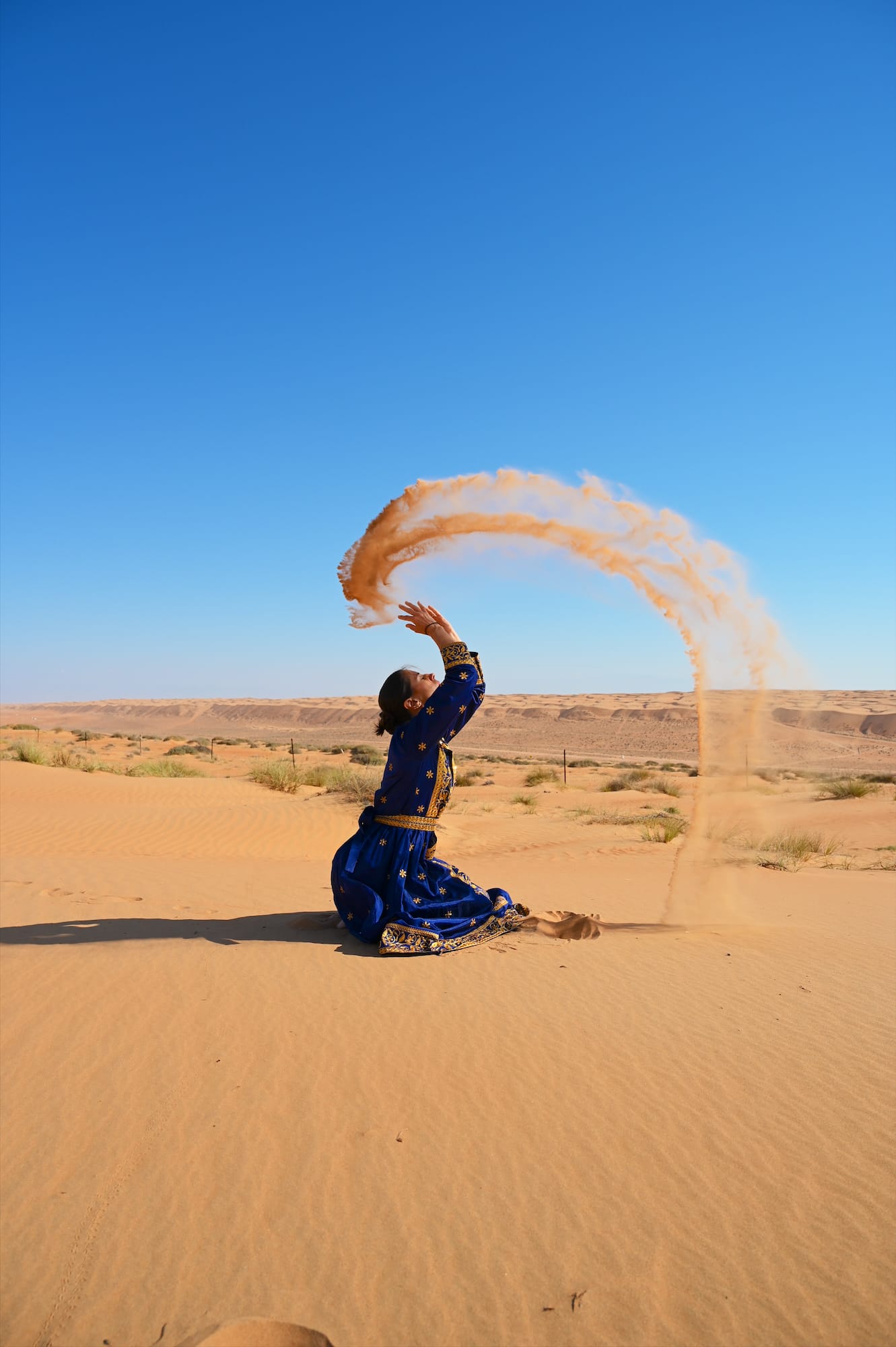
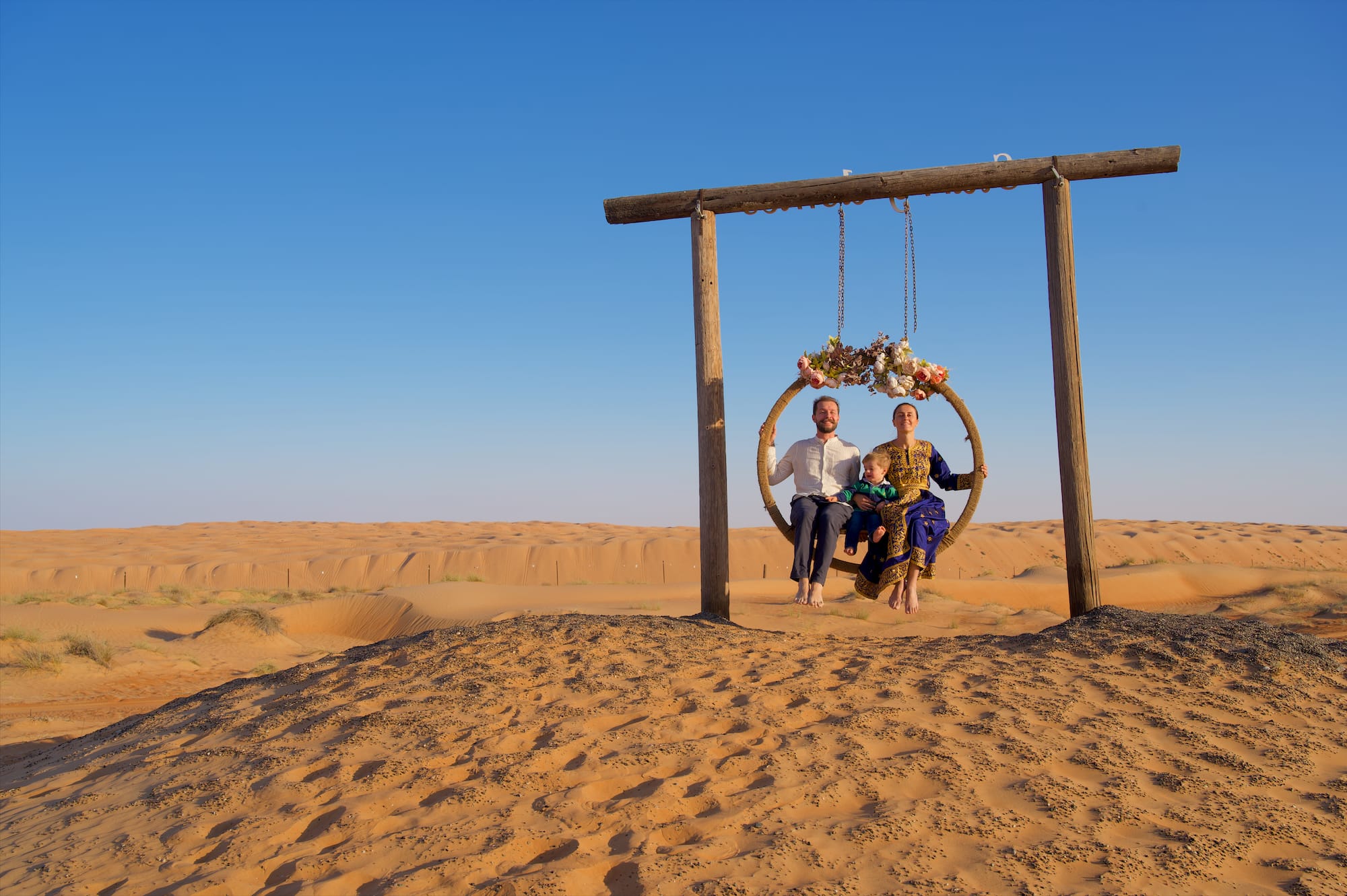
In the morning we woke early to watch the sunrise, a truly breathtaking experience! After breakfast we then made the most of the many highly instagrammable spots for a series of memorable shots.
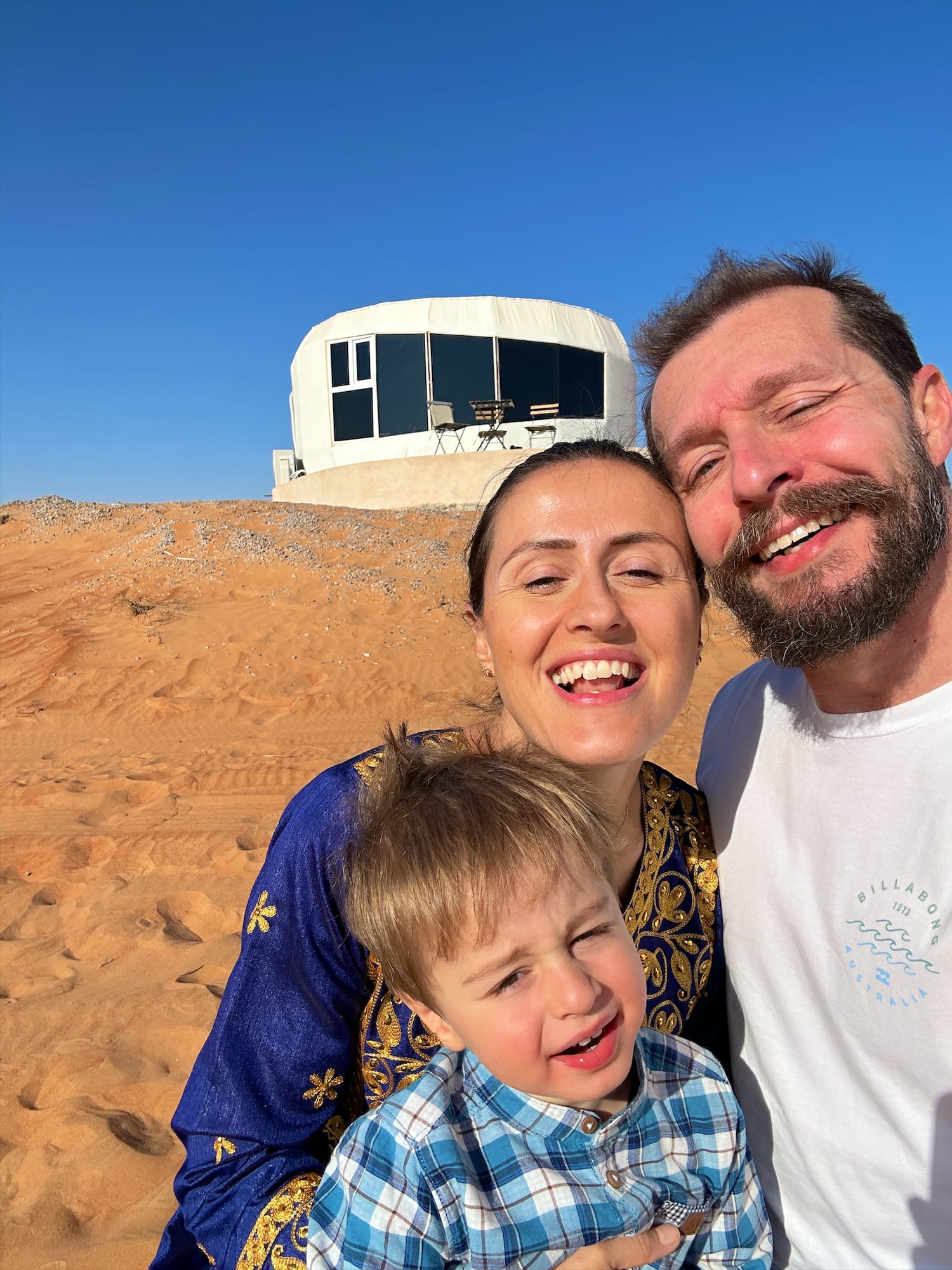
Instagram spots at Starry Domes
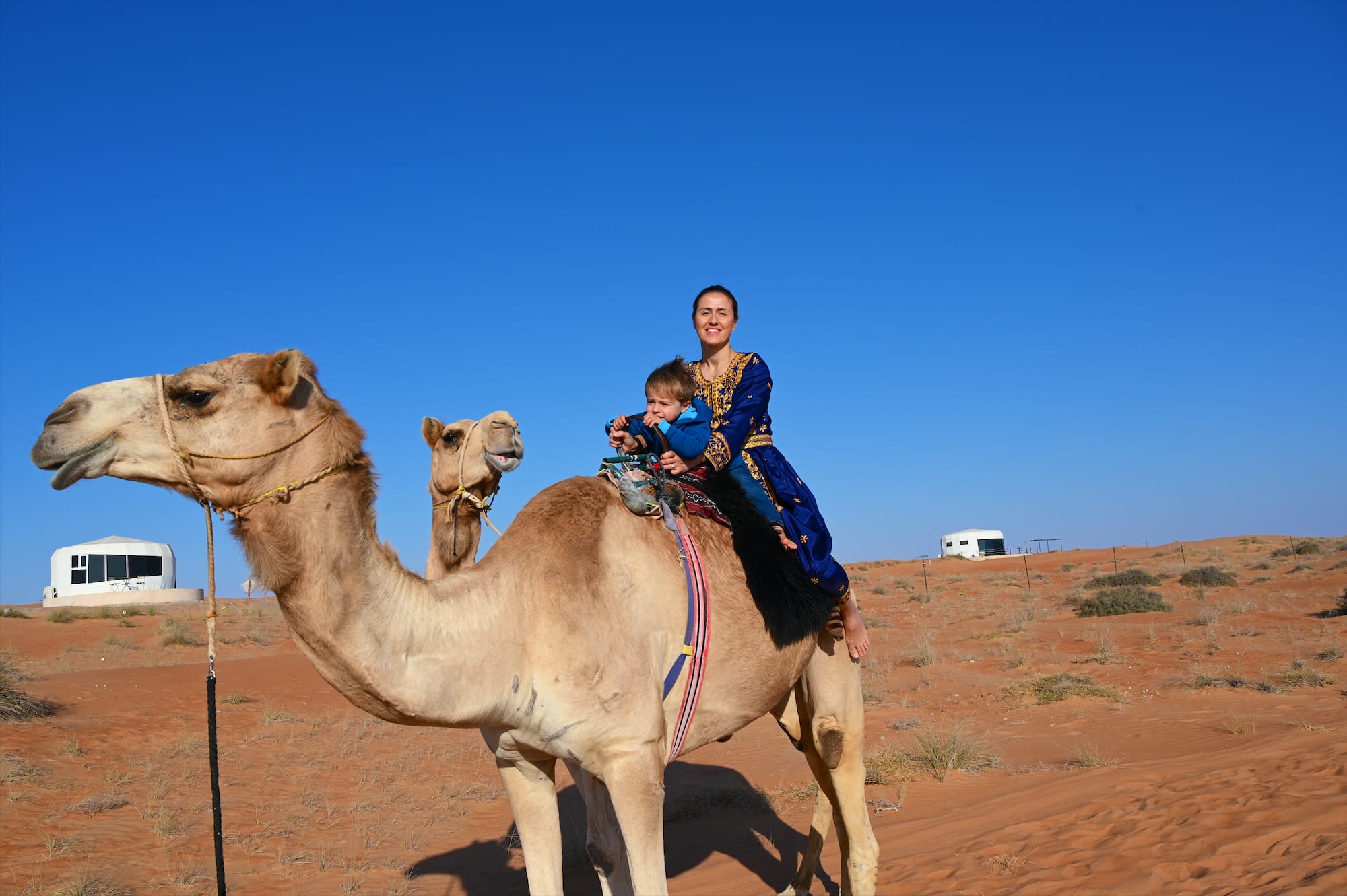
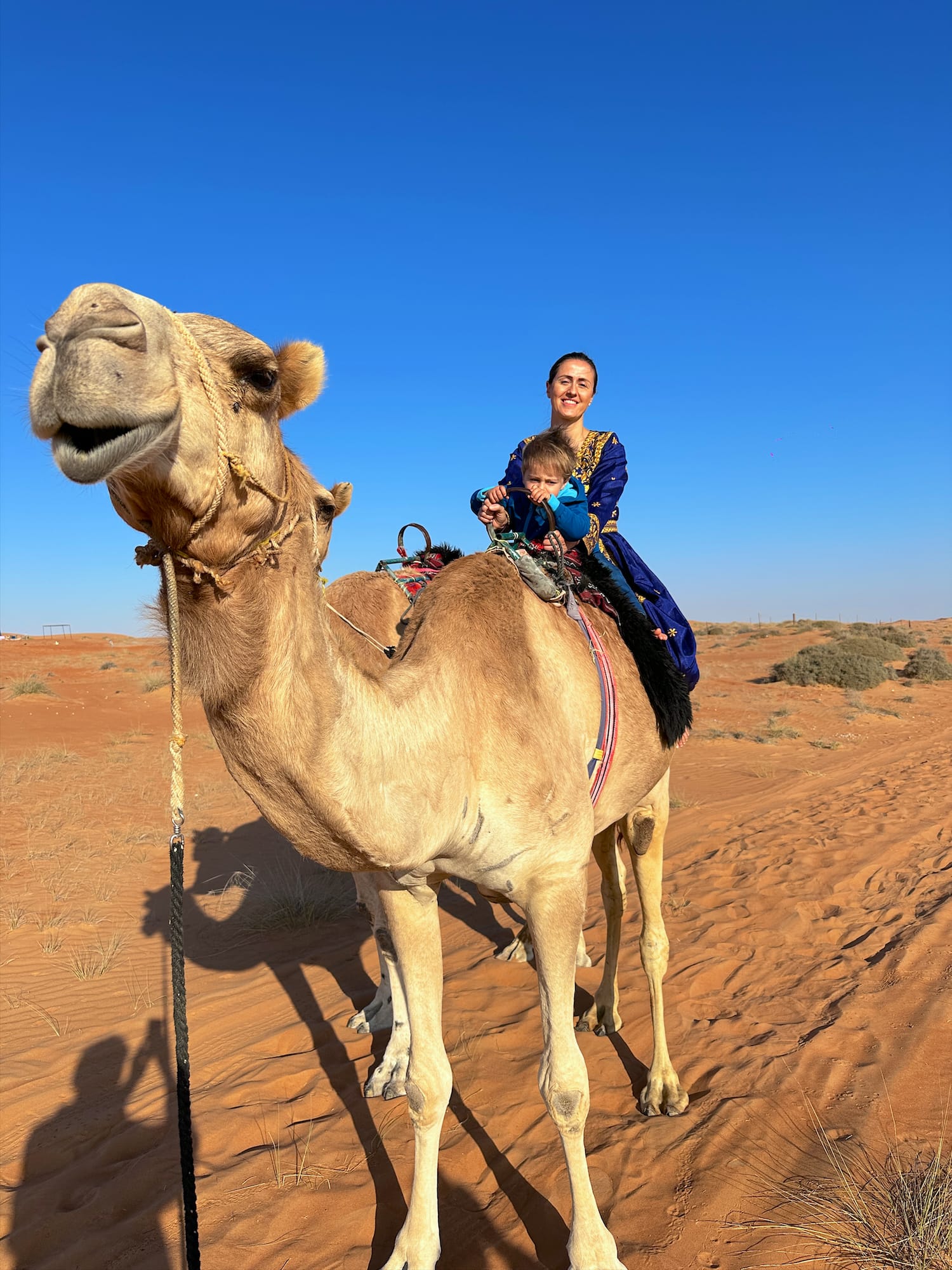
There was also a very exciting experience for Enea: the camel ride. We skirted the perimeter of the camp and Enea had a fantastic time. Just before lunch we headed back to collect our car and continue on our journey.
Enea, Francy and the camels in the Wahiba Sands
Wadi: oases in the desert
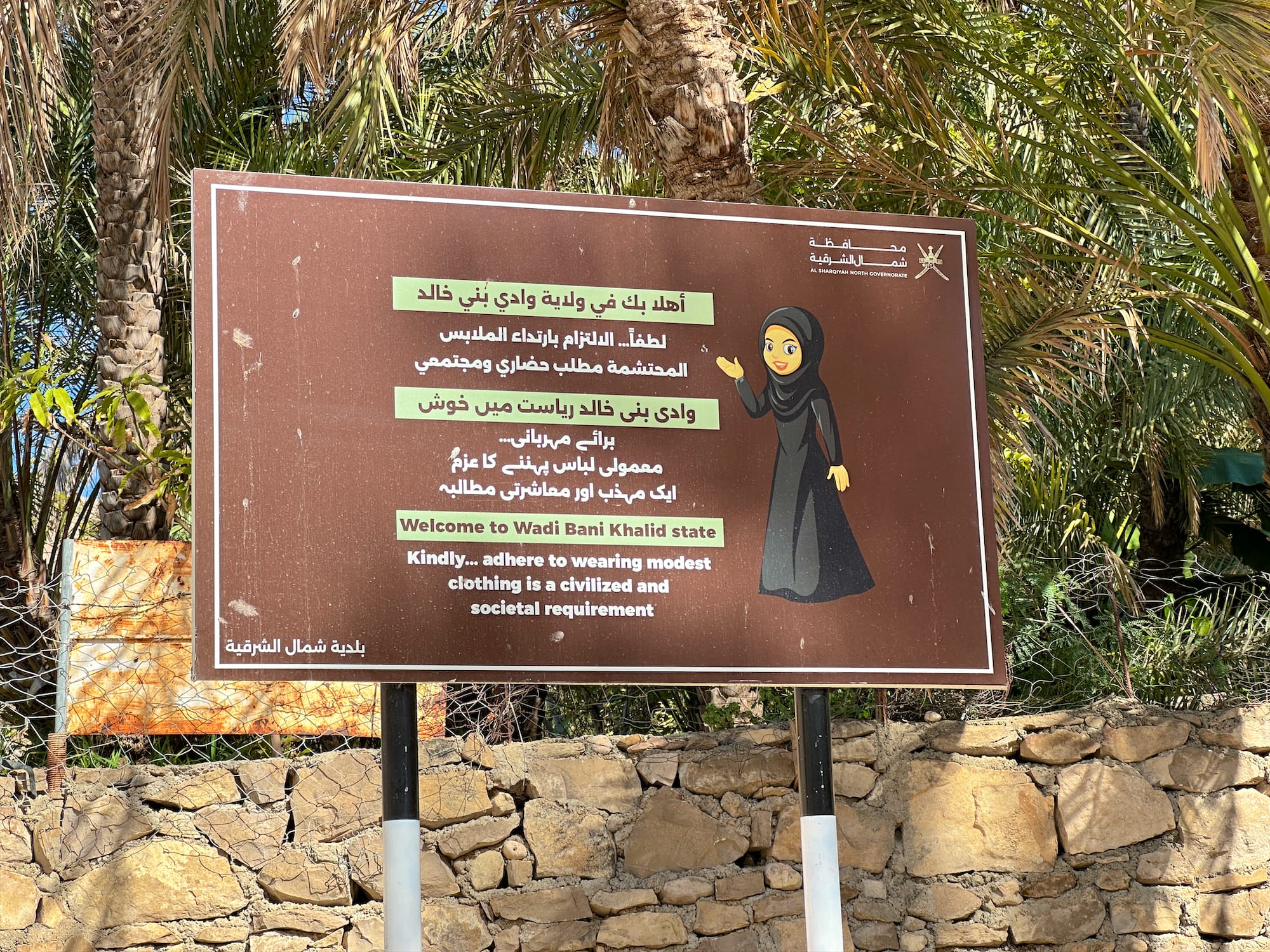
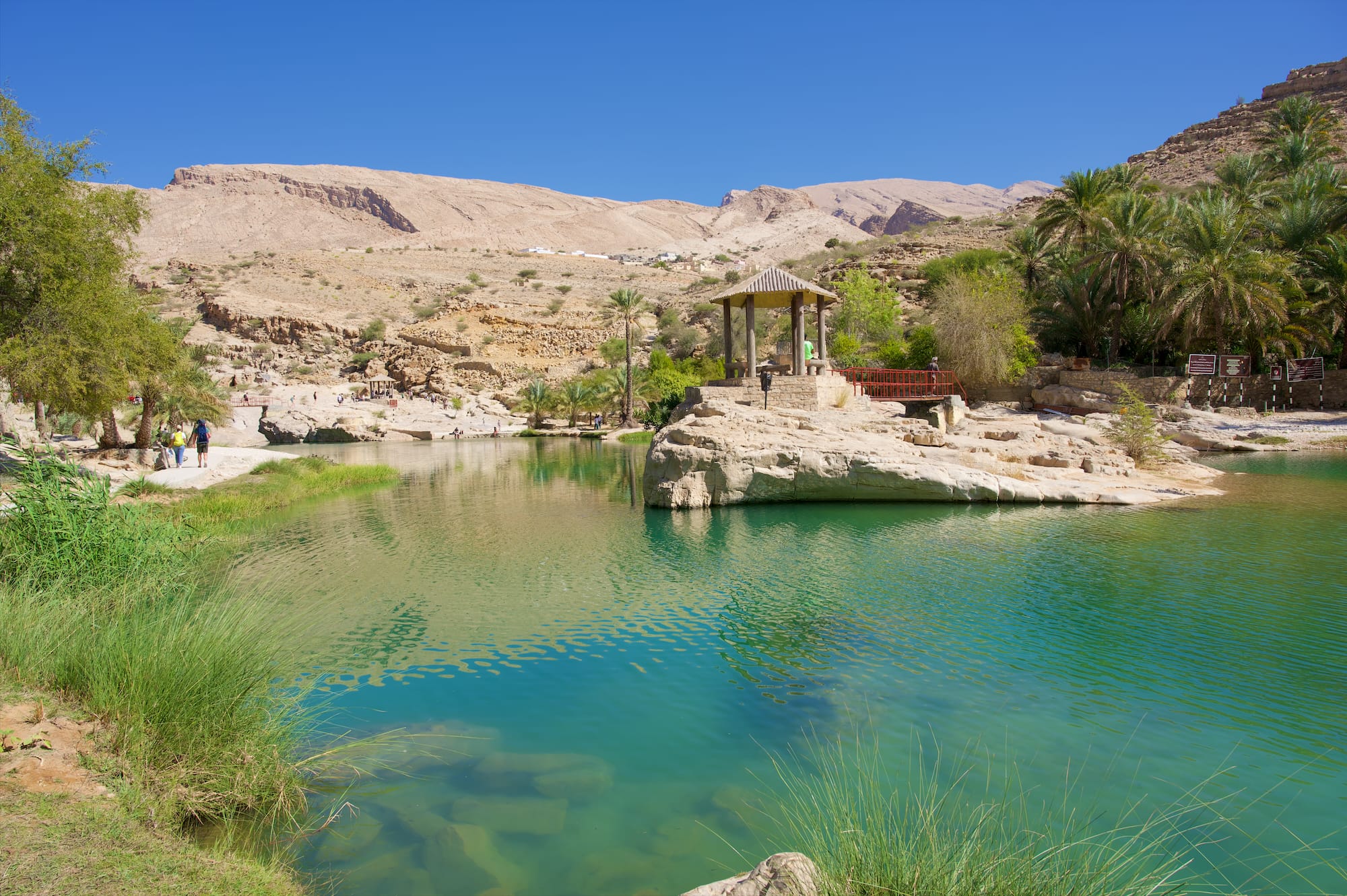
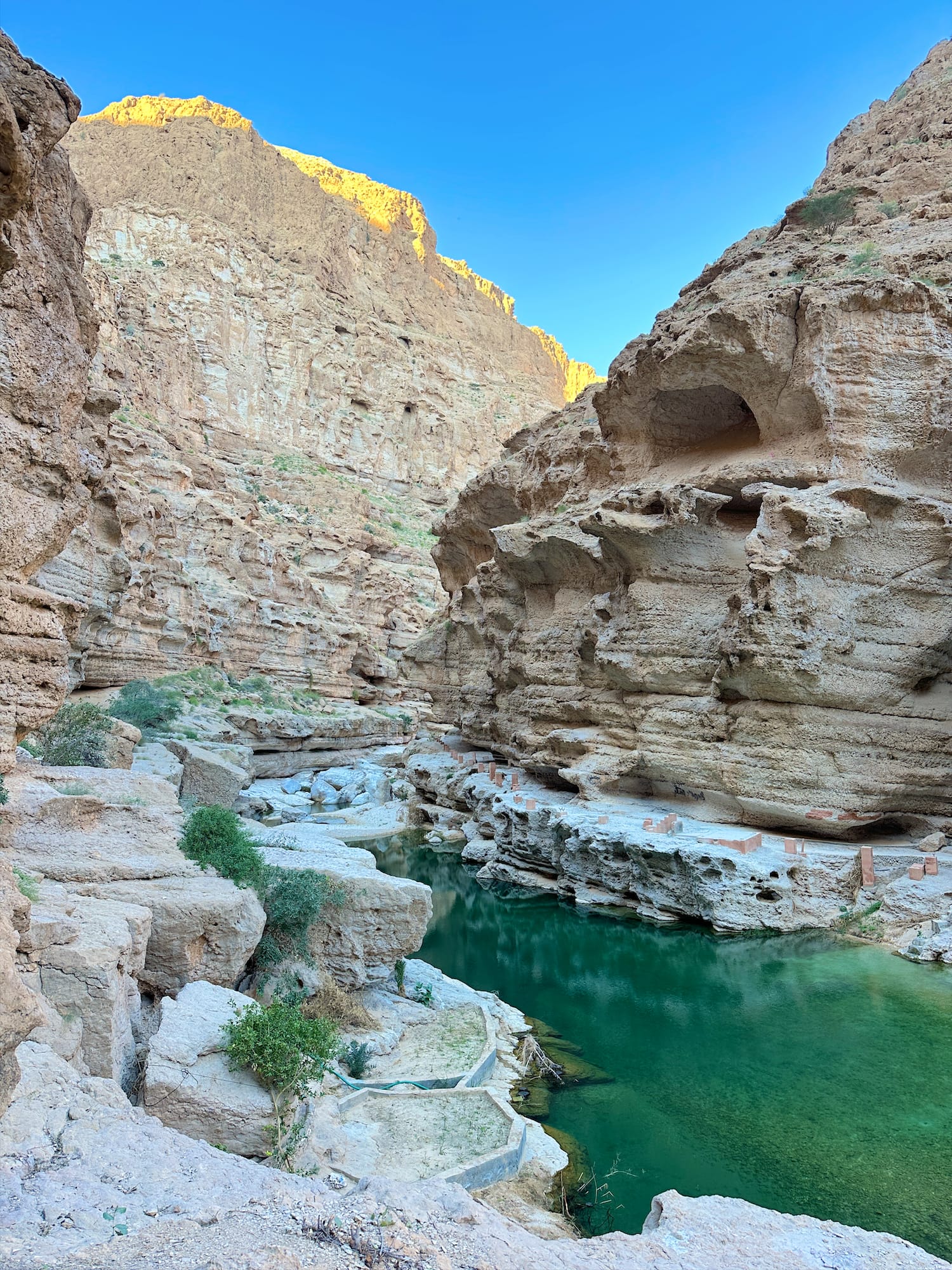
Among the natural treasures of Oman that absolutely must be visited, the wadi are without doubt at the top of the list. These are canyons where water flows year-round, creating natural pools in shades of turquoise and emerald that contrast with the arid surrounding landscape. Visiting them means immersing yourself in an adventure that combines trekking, swimming and the discovery of a nature as wild as it is captivating. Out of respect for the local population, remember that swimming here must be done with shoulders and legs covered, as indicated by the various signs you will find at the entrance to the wadi.
When planning our trip we obviously had to make choices, and we opted for Wadi Bani Khalid, among the most accessible, and one more adventurous but unmissable: Wadi Shab.
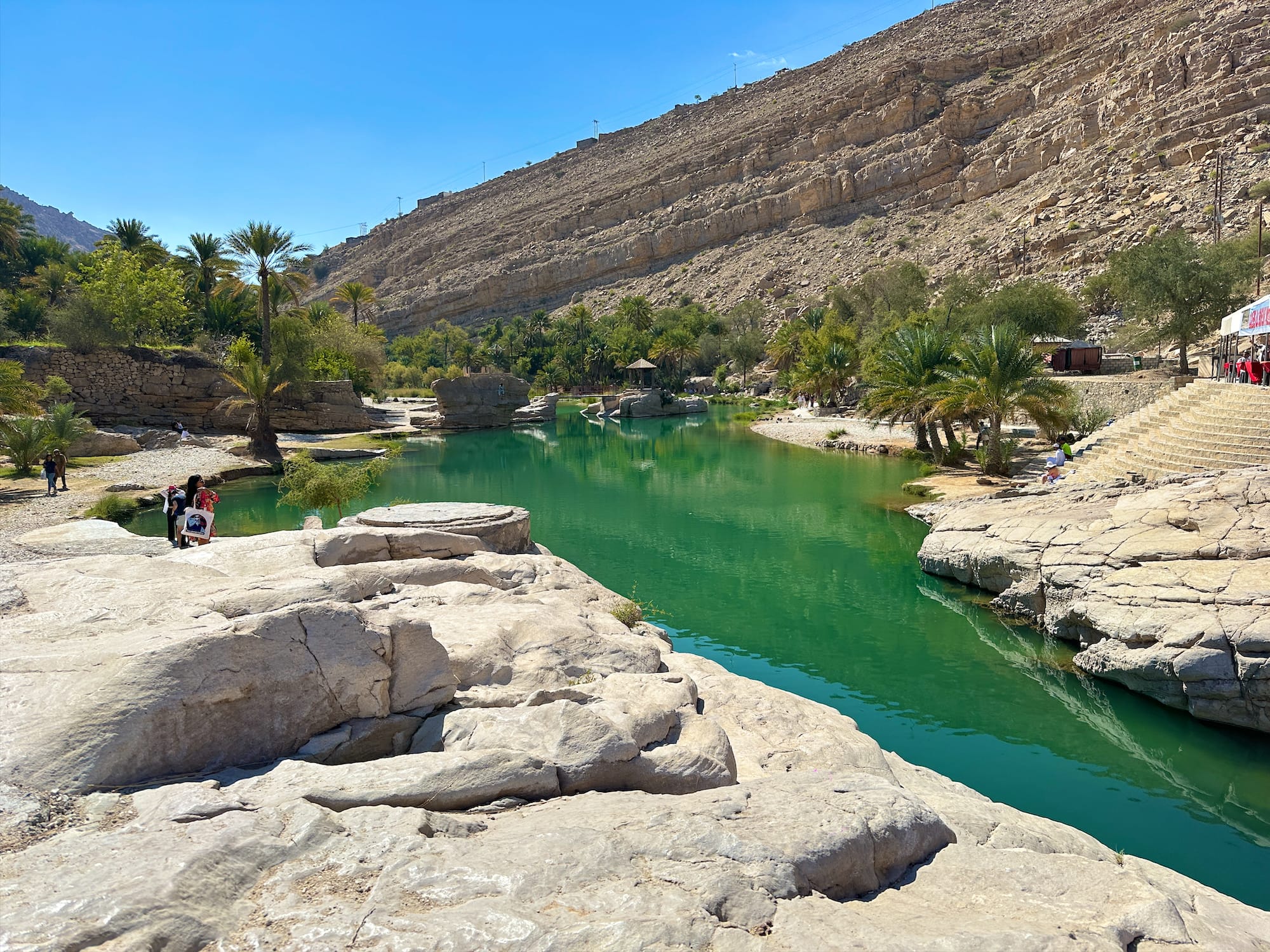
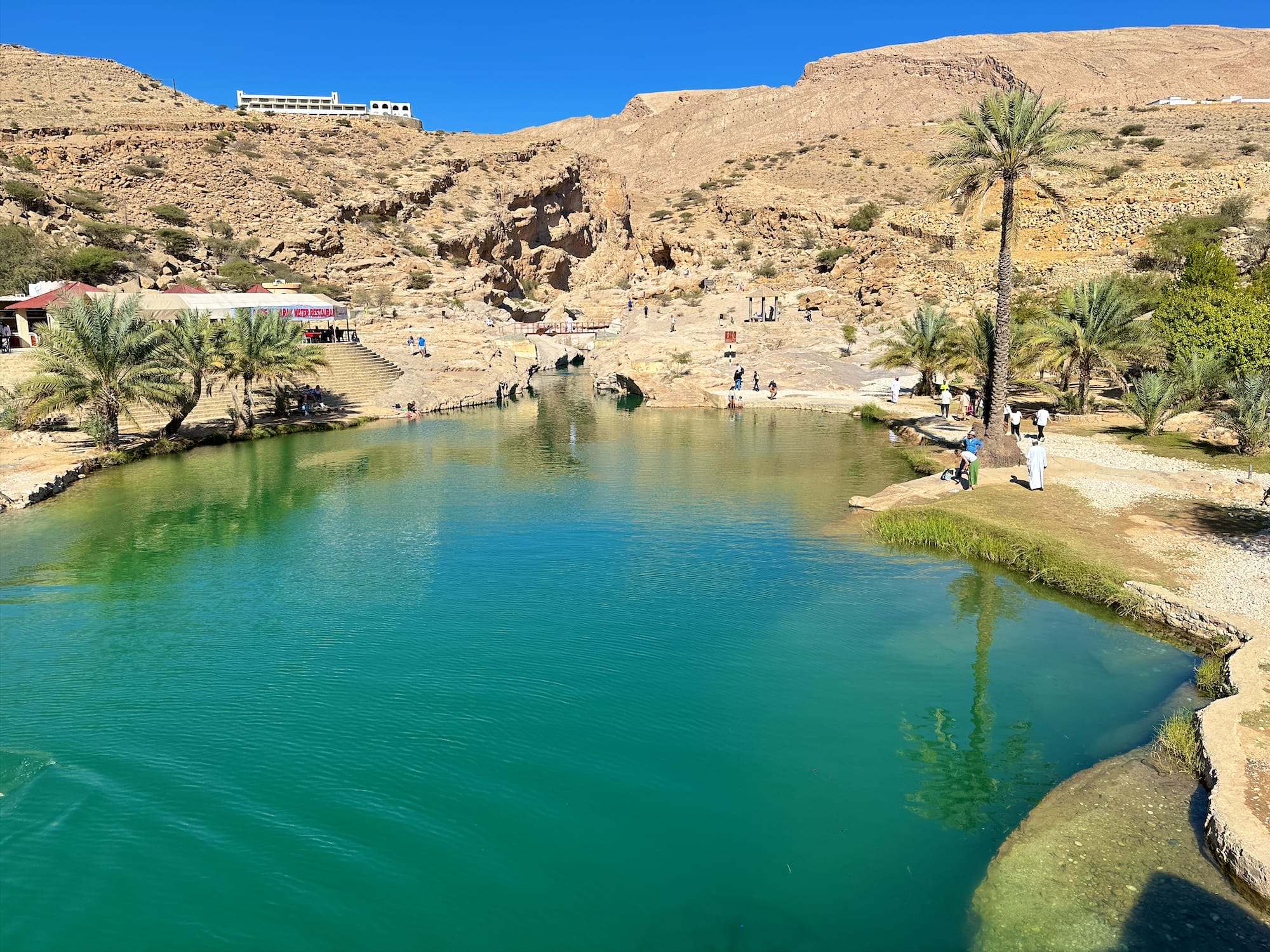
Wadi Bani Khalid is easily reached in an hour’s drive from the Wahiba Sands desert. Once you reach the car park, just five minutes on foot is enough to reach the first natural pools. The water is fed by warm underground springs, so it is pleasantly warm even in the winter months. Close to the first pool you will also find a convenient restaurant, toilet facilities and changing cabins. This makes it ideal for families or anyone seeking a less demanding experience.
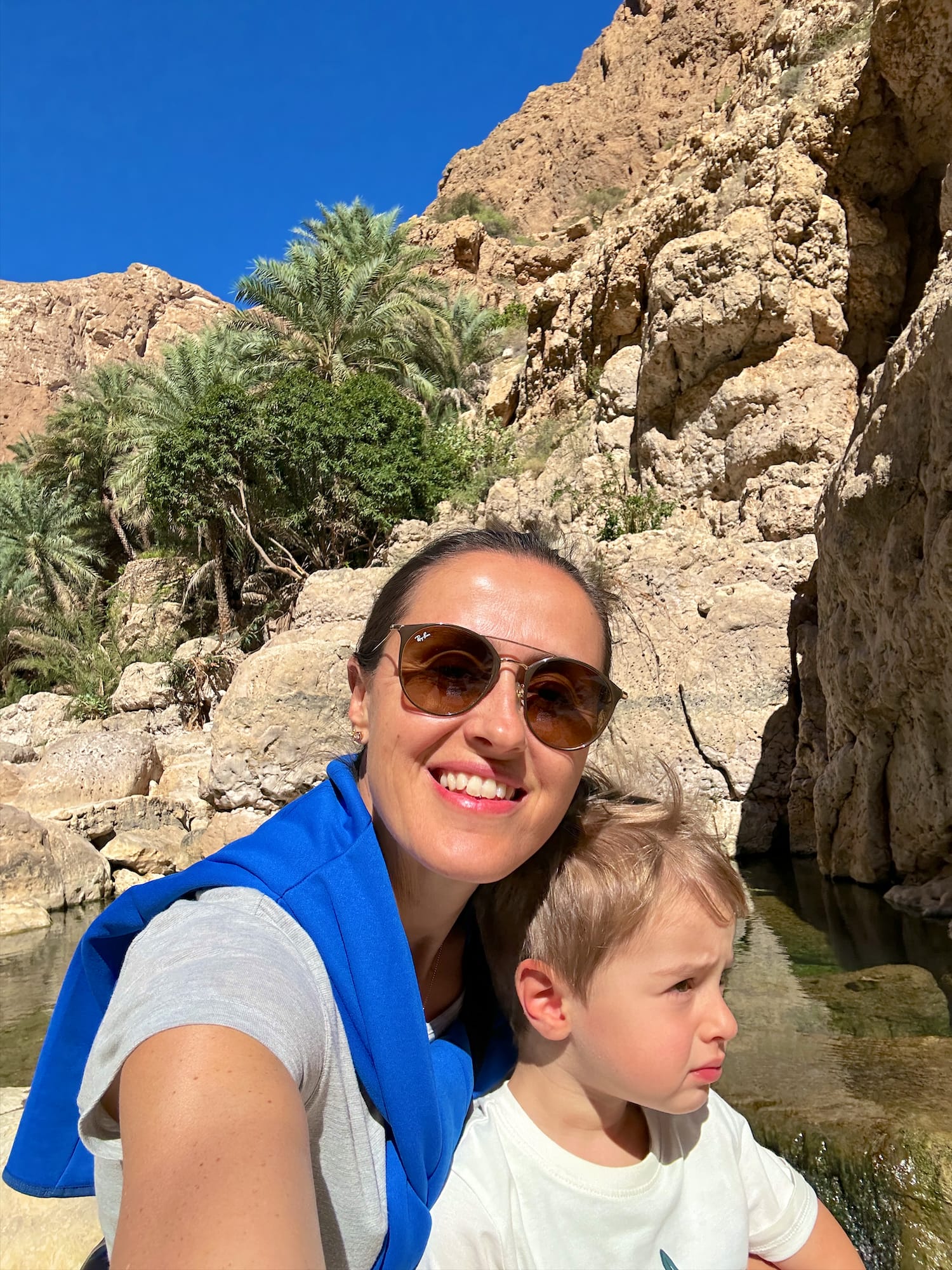
Wadi Bani Khalid feels a little like a desert oasis, but with mountains all around
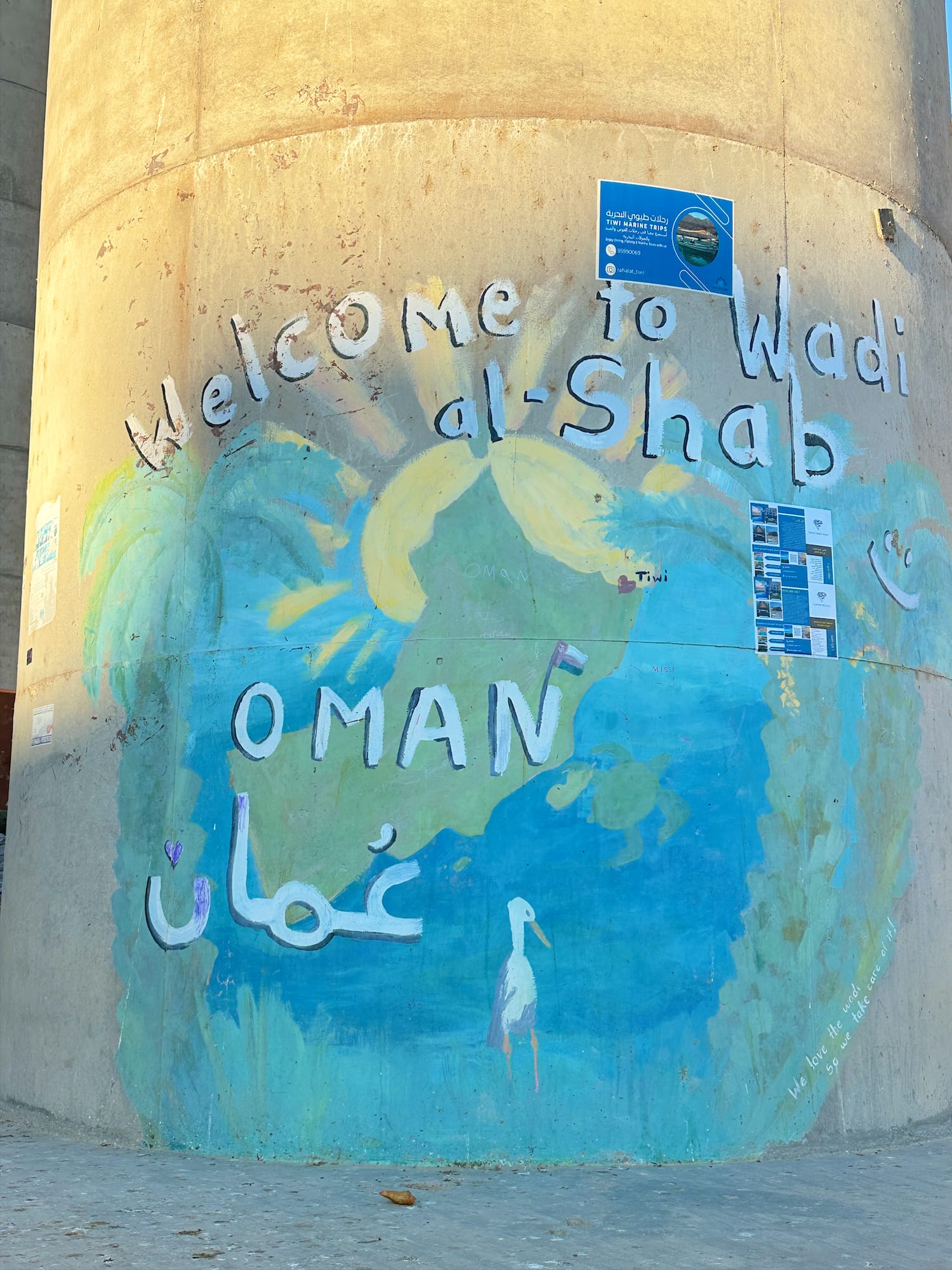
If Wadi Bani Khalid is the accessible oasis, Wadi Shab is the adventure that every traveller in Oman should experience. Located about an hour and a half from Sur, along the coastal route back to Muscat, this wadi offers a more demanding but incredibly rewarding experience.
The adventure begins with a short boat crossing across a river (the cost is 1 rial per person return), a magical moment that sets the scene for what awaits you. It is highly recommended to arrive when the boat service begins, around 7 in the morning.
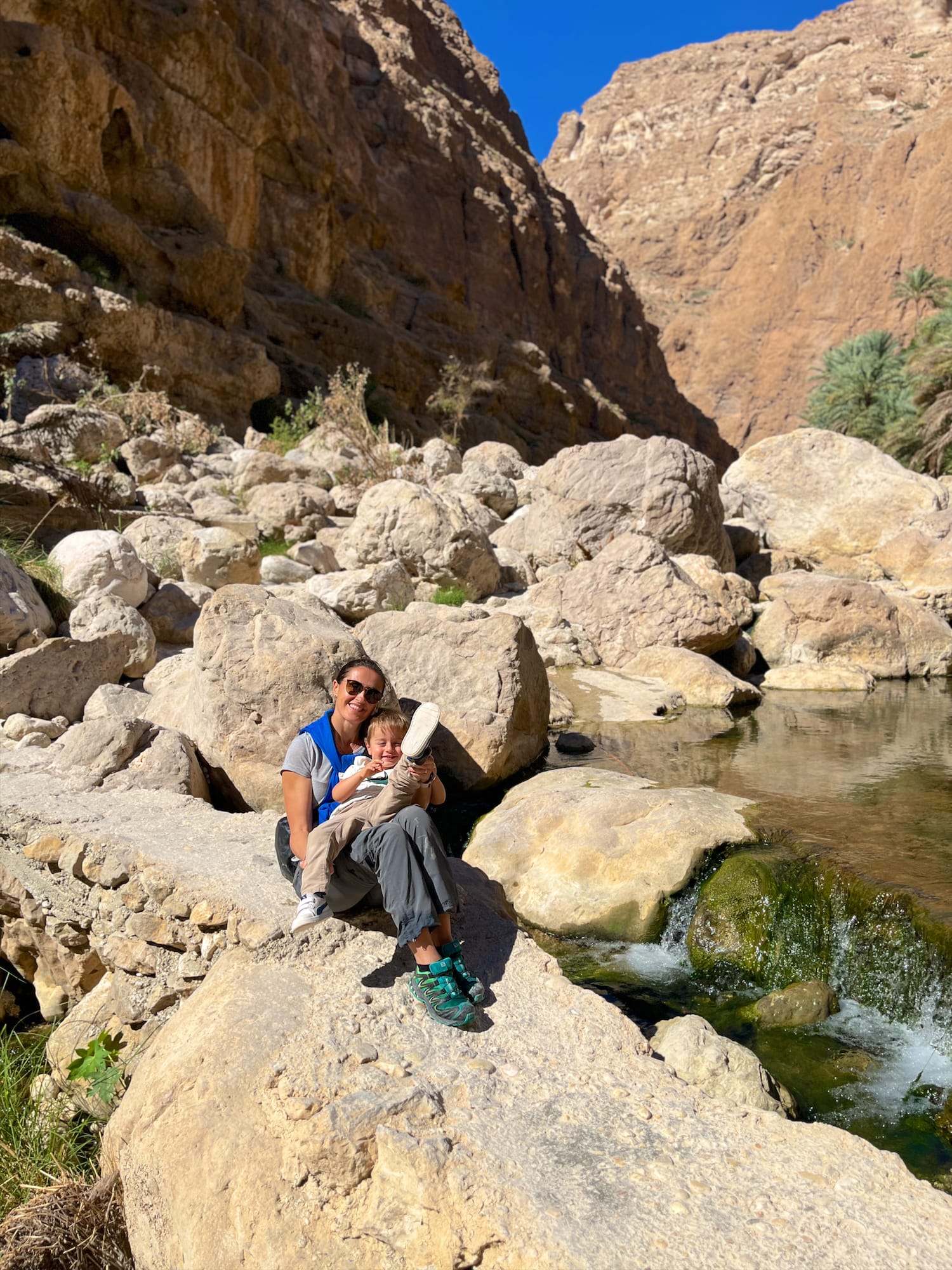
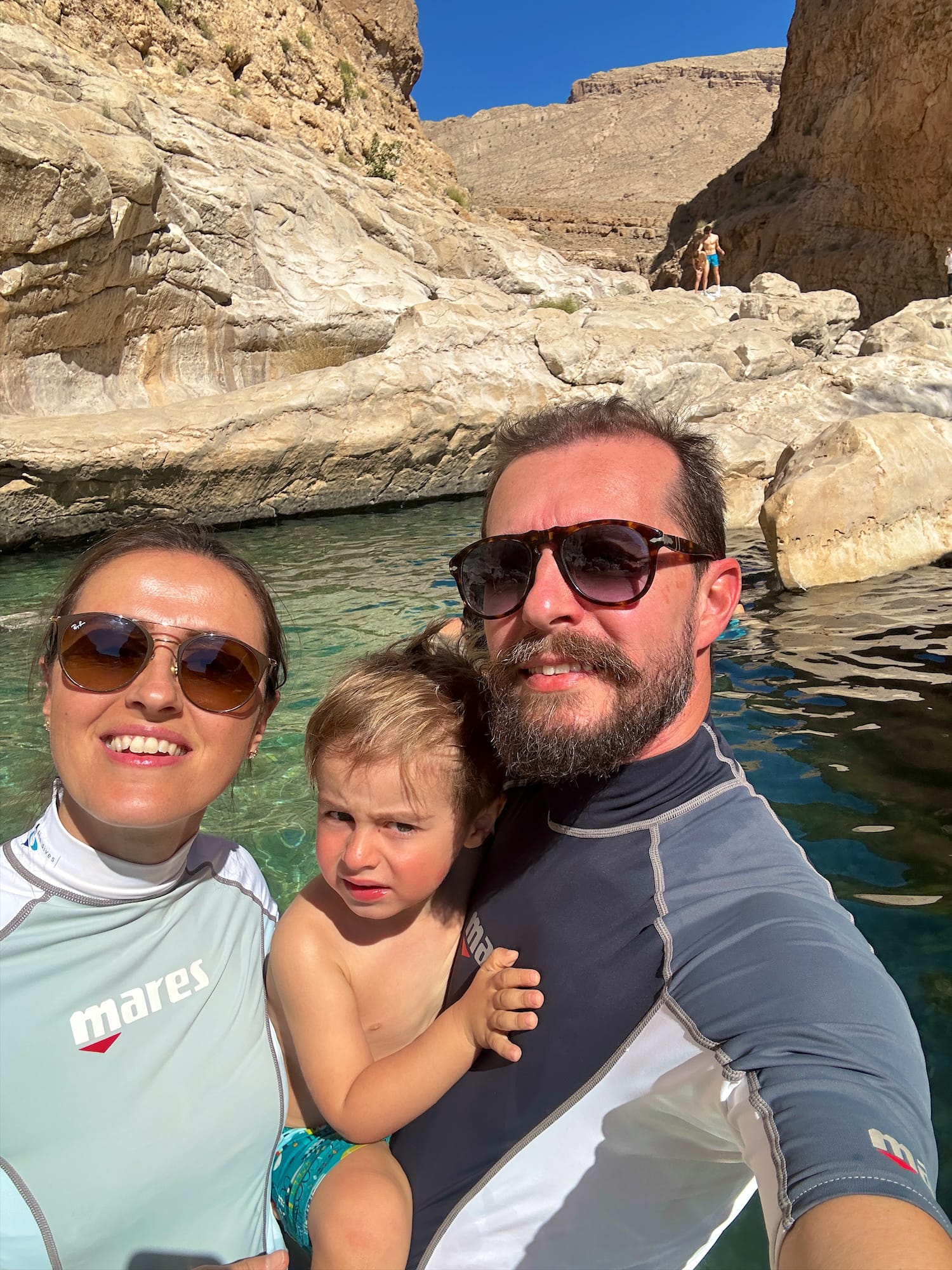
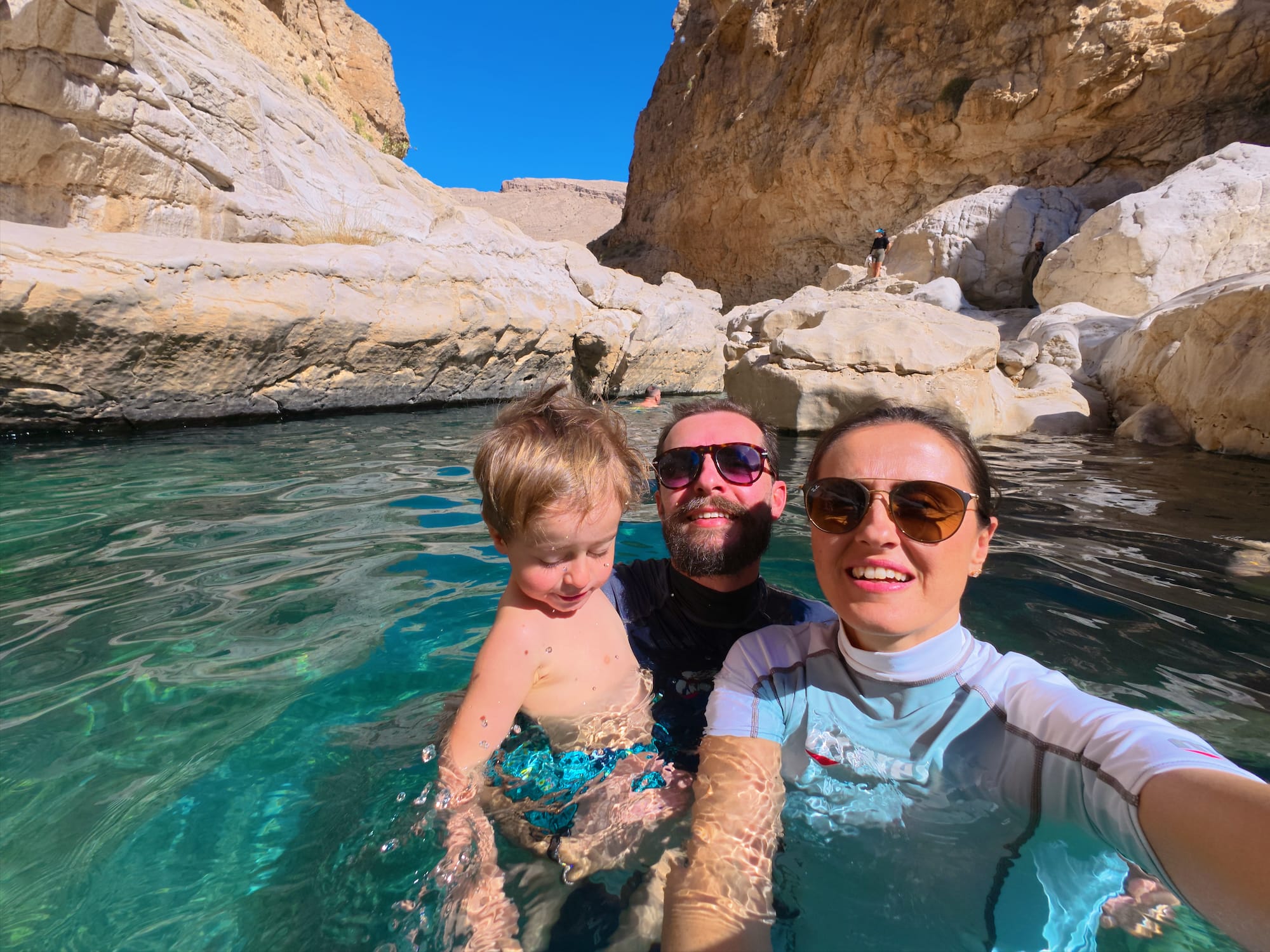
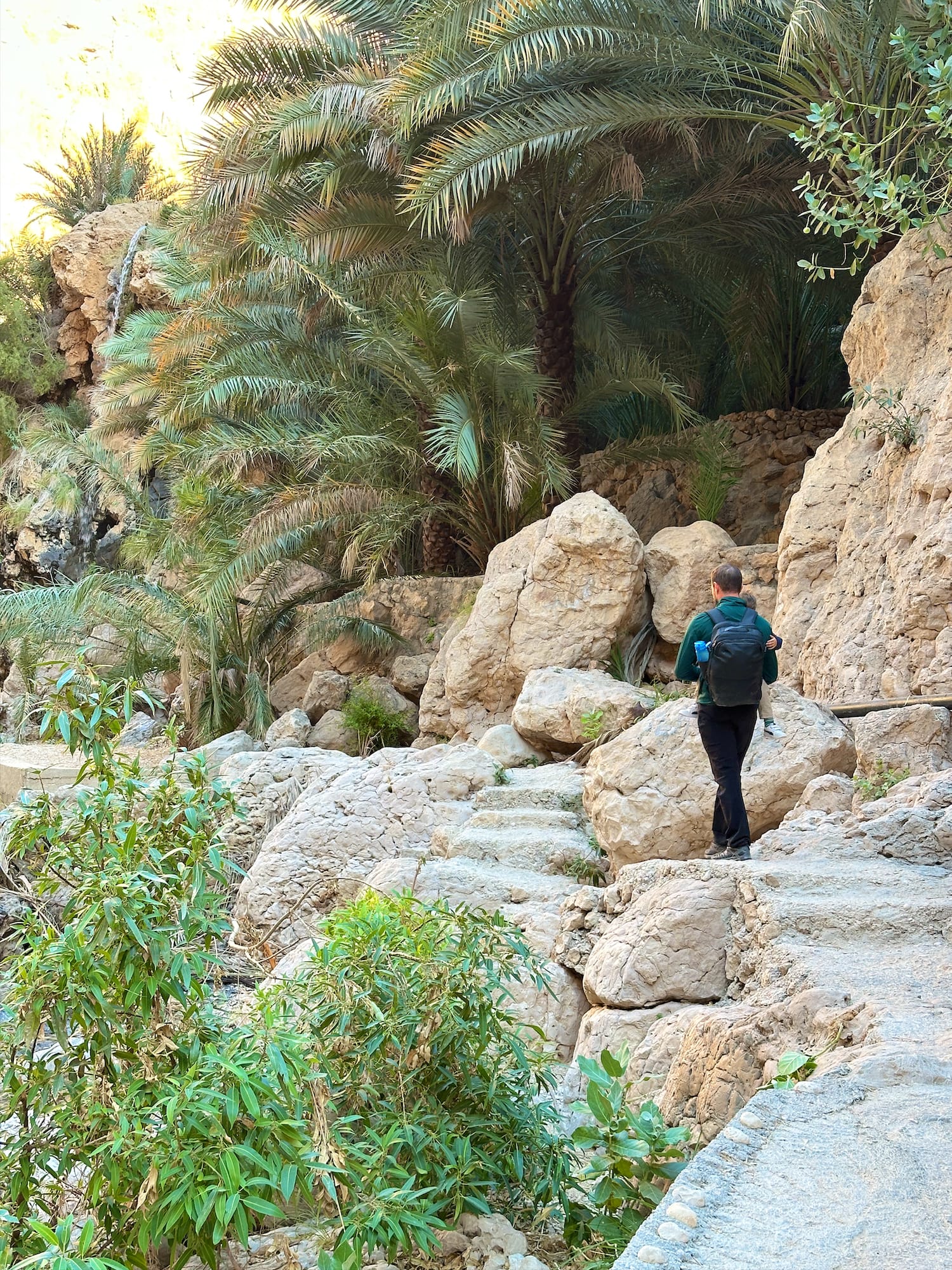
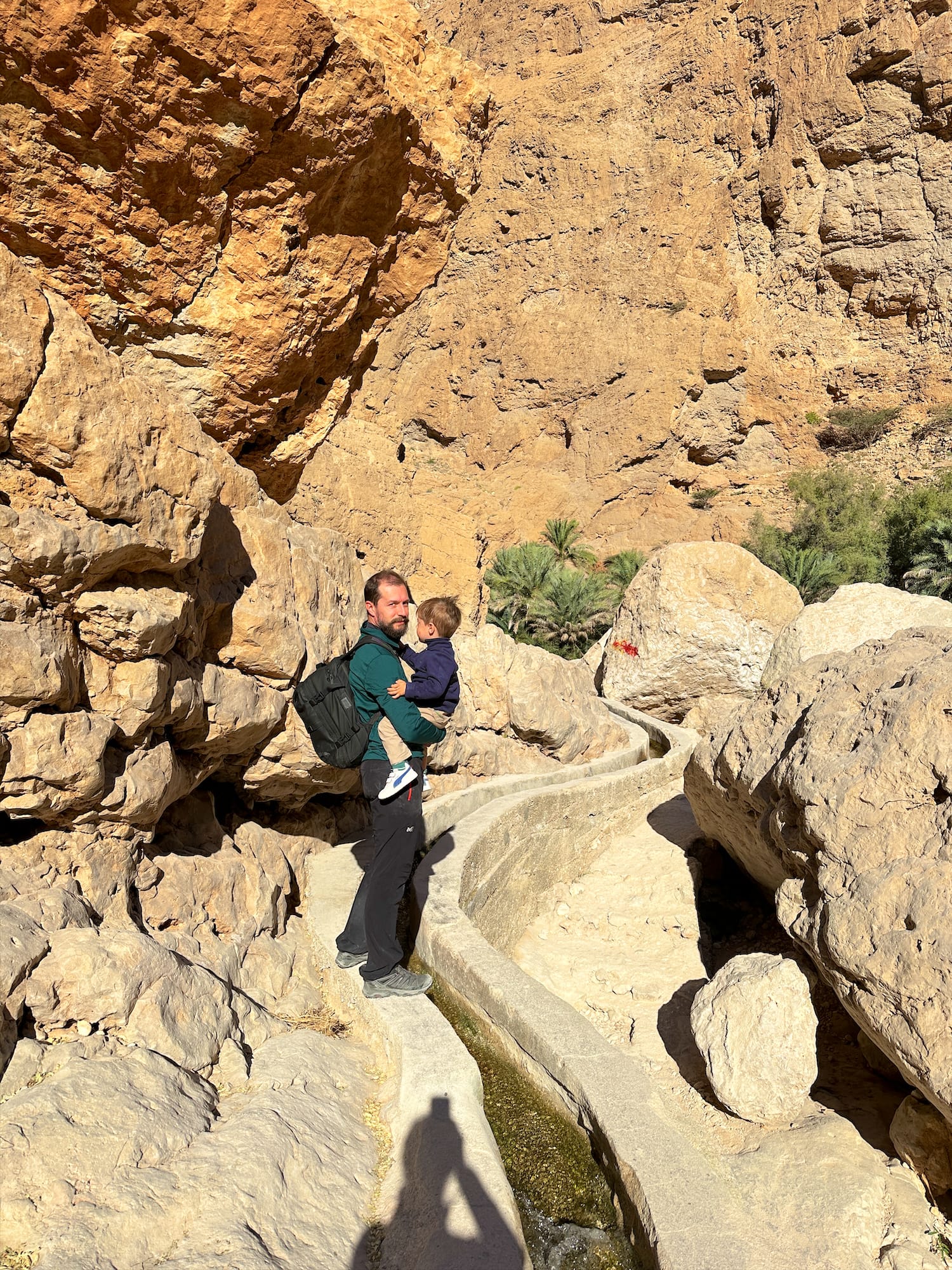
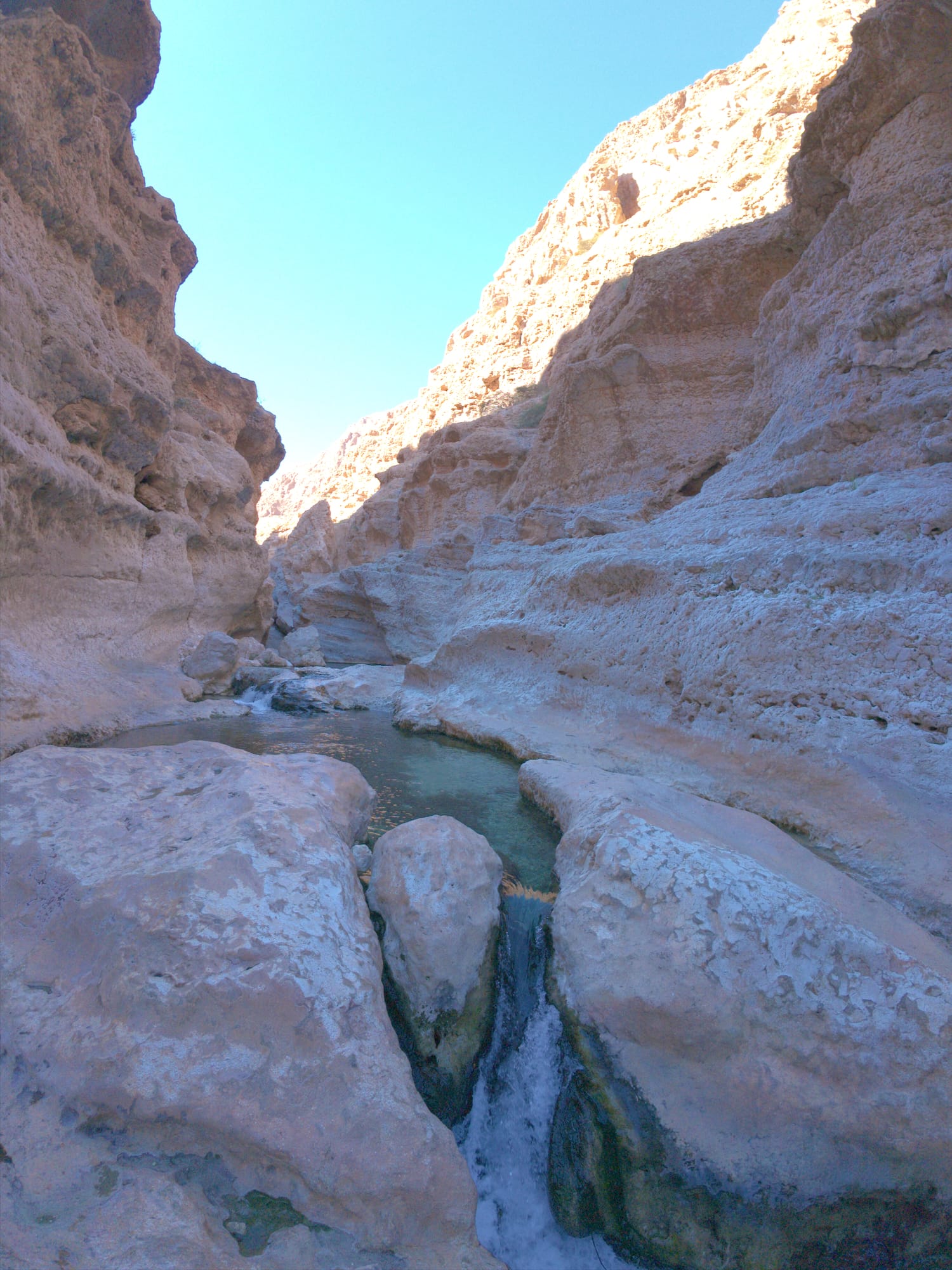
The trail of about 2.5 km initially passes through lush palm groves and then transforms into a fun route among boulders and rocks that requires a little balance. Nothing impossible in any case (we did it with a child under three years old). It was a magical experience because we were able to enjoy it almost in solitude, being the first tourists of the day.
The route through boulders, rocks and waterways to reach the first natural pool
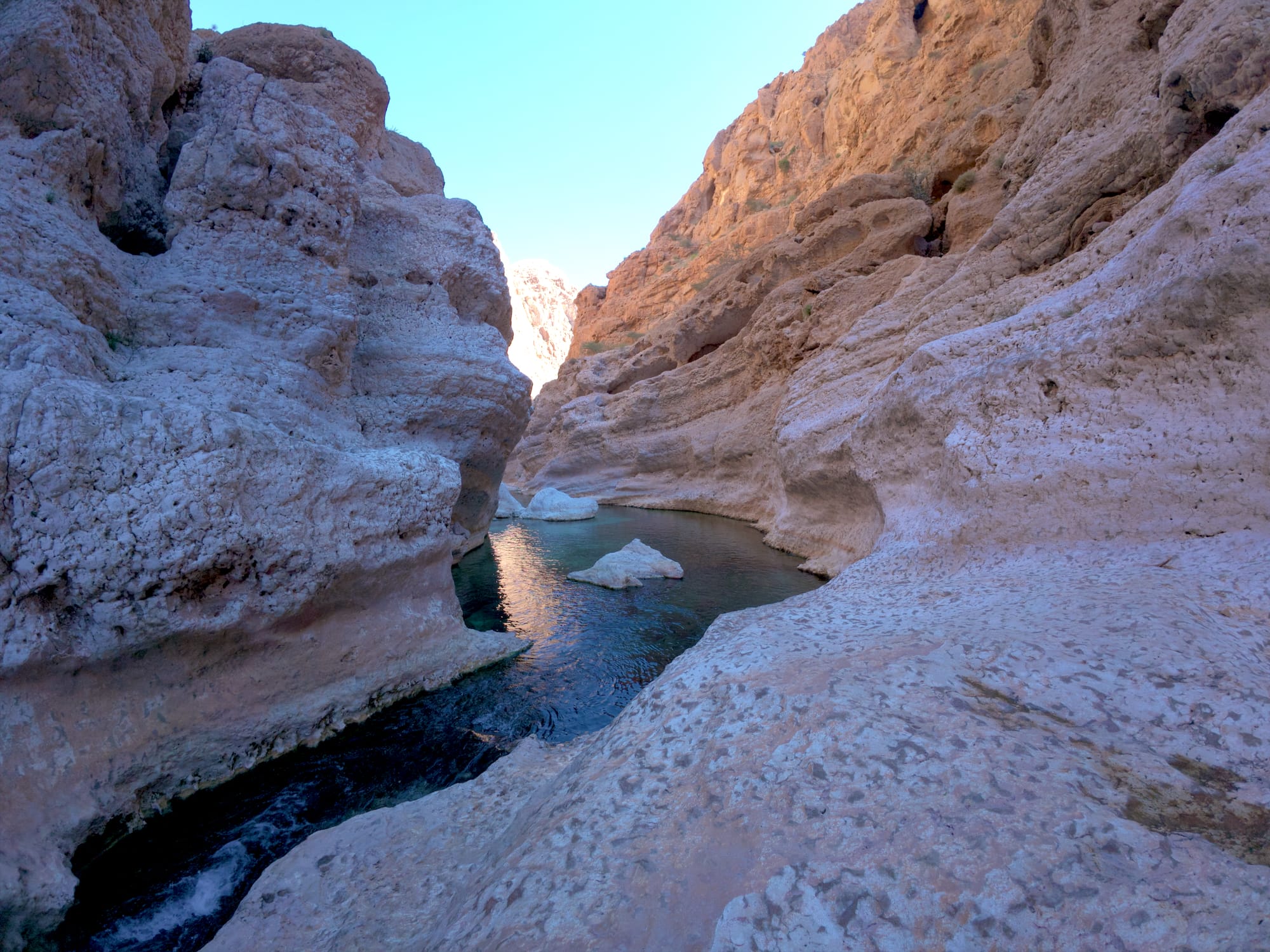
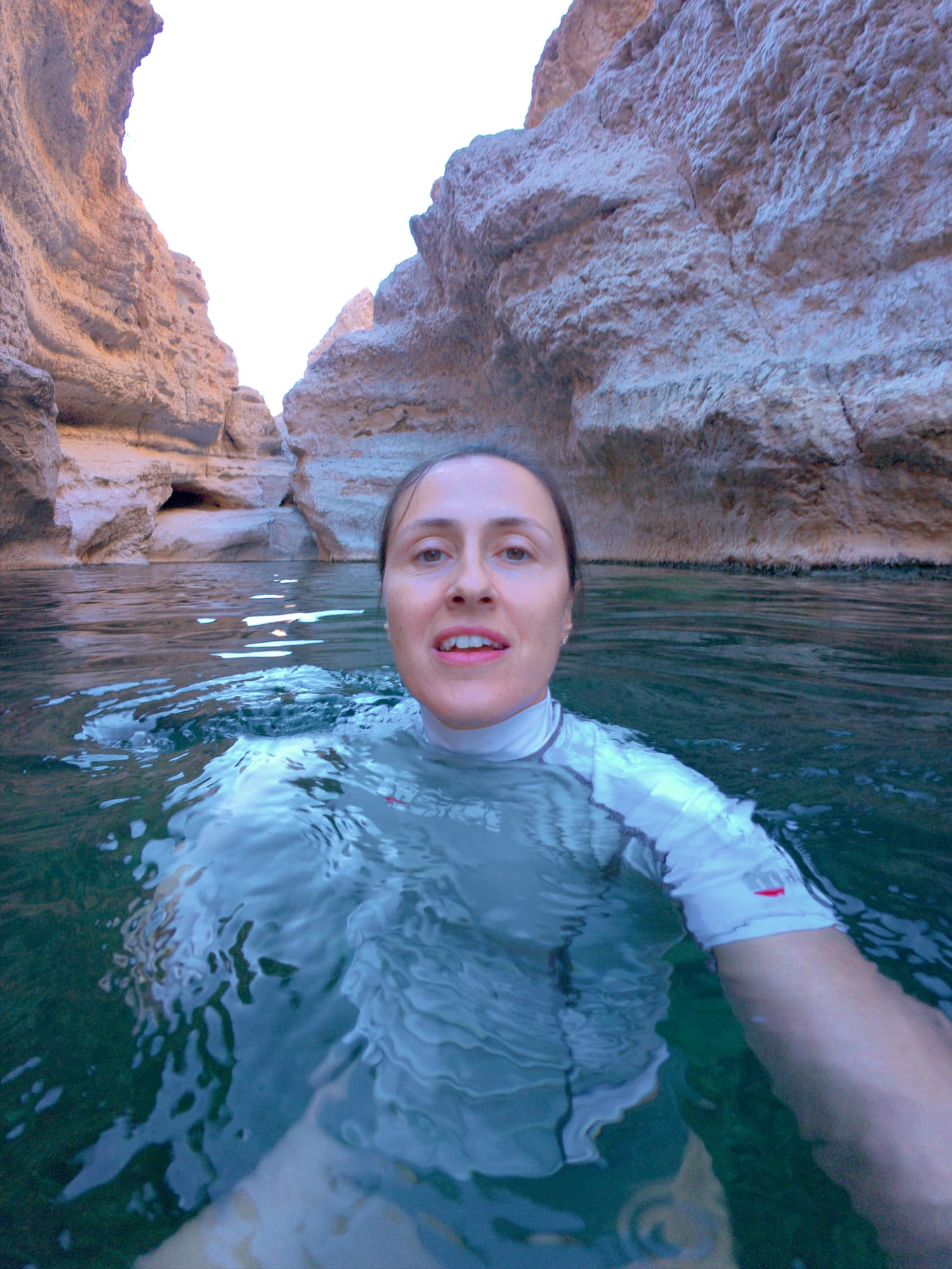
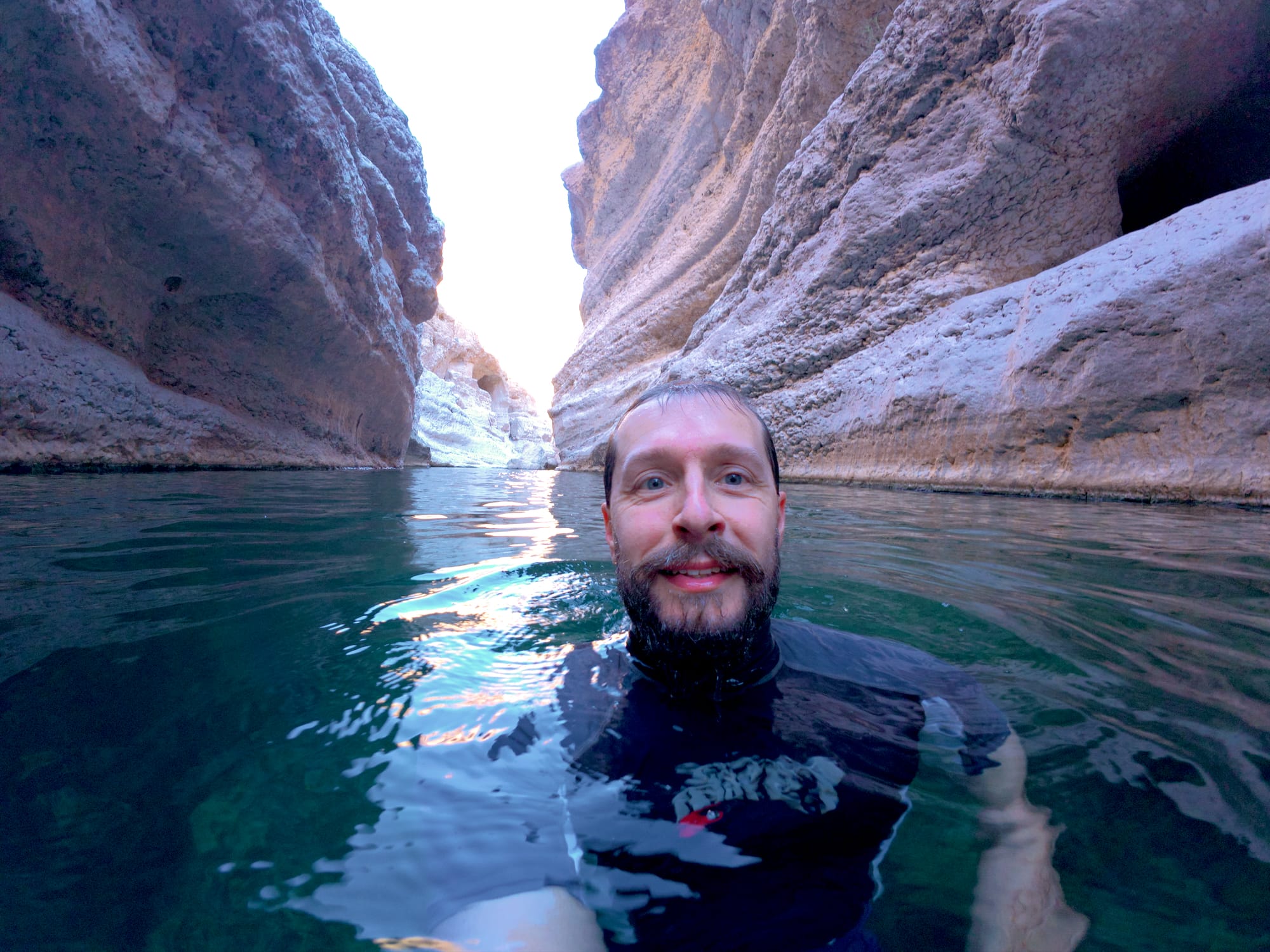
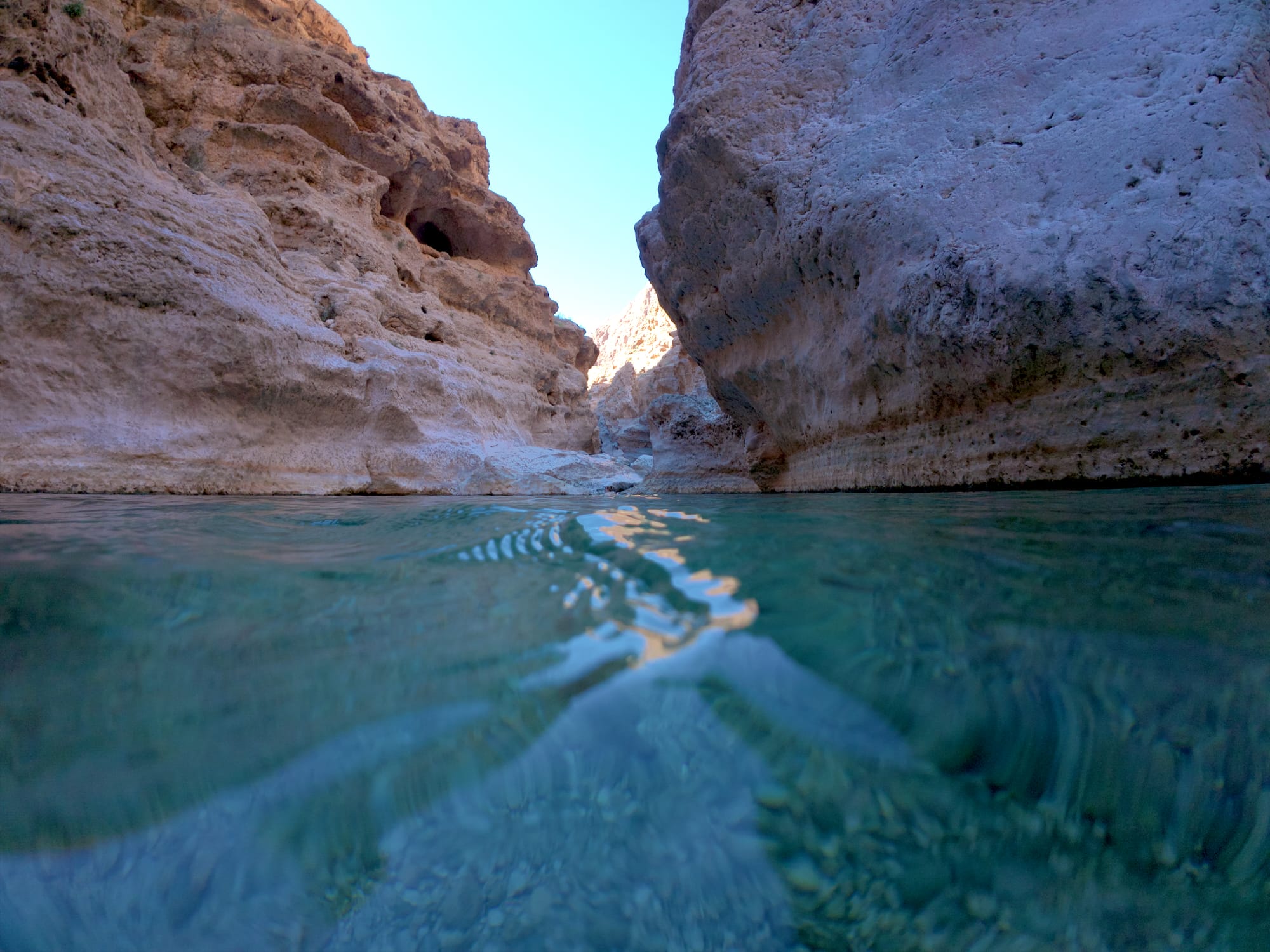
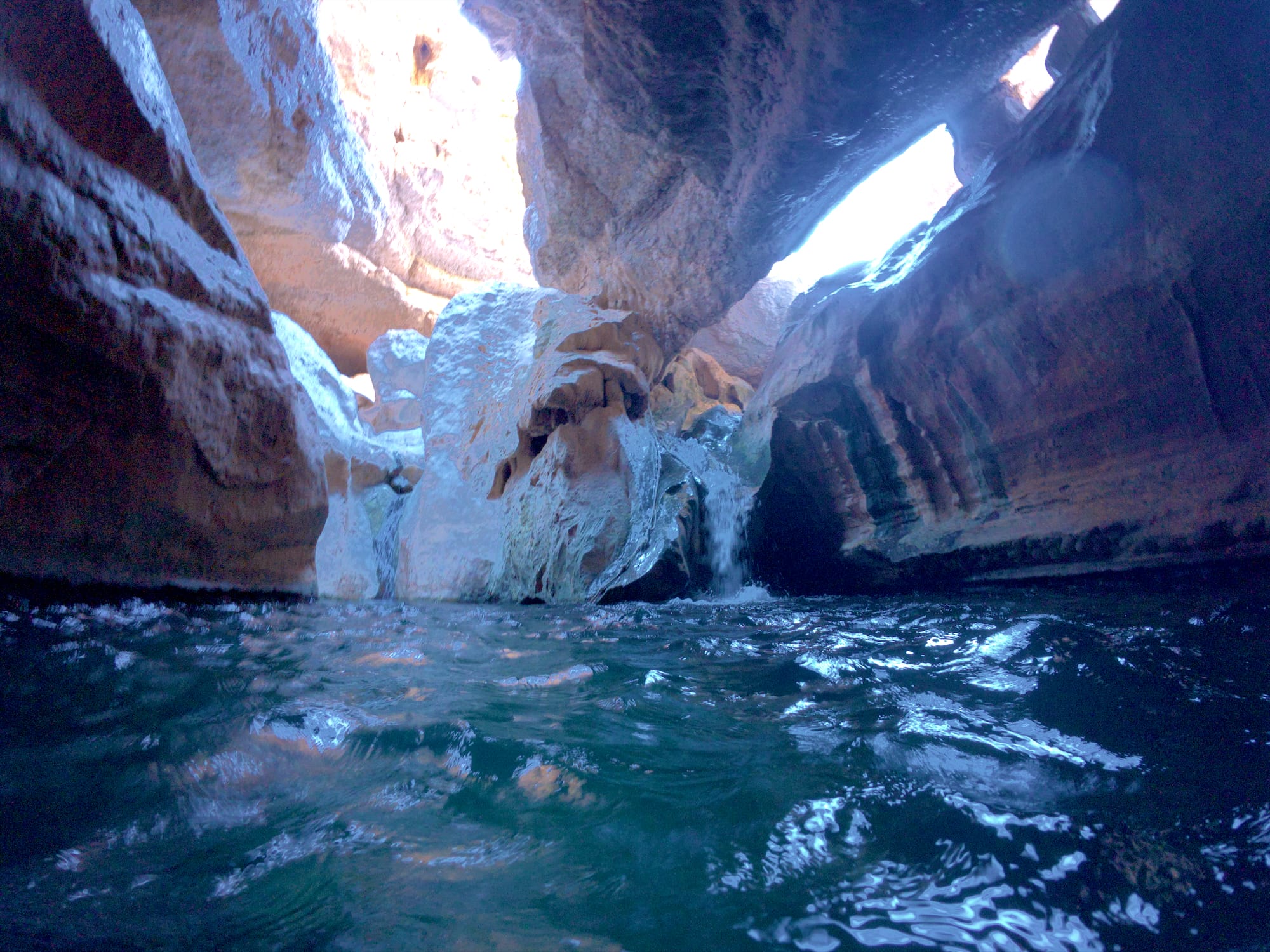
The full excursion, there and back, takes between 2 and 4 hours depending on how much time you spend swimming and exploring. The natural pools of Wadi Shab are simply spectacular, with crystal-clear water of an intense turquoise framed by sheer rock walls. The true gem lies at the end of the trail: a hidden cave with a waterfall, reachable by swimming through a short, narrow, dark passage. It is a breathtaking moment that makes every drop of sweat on the walk more than worthwhile.
The final stretch of the route, following the river upstream to the waterfall inside the cave
Since Enea was with us, we preferred to take turns on the final swimming section, staying by turns to play with him near the first pool. The solo experience was absolutely thrilling: just the sound of flowing water, the warm current growing stronger as you approached the source, and then entering the cave alone. A true whirlwind of emotions.
To visit Wadi Shab it is essential to have shoes suitable both for walking and for going in the water (classic waterproof trekking shoes are perfect), a T-shirt and swim shorts to respect local customs, and a waterproof bag to protect phones and valuables. The ability to swim is fundamental, especially to reach the final cave (the last 100 metres you cannot touch the bottom). If you arrive early in the morning as we did, you will have this wonder almost to yourself — from 11:00 onwards the wadi fills up and unfortunately loses some of its charm.
Both wadi offer unforgettable experiences, each with its own character. Visiting them means discovering a side of Oman that few people expect: a desert that conceals oases of extraordinary beauty, where nature has created genuine wonders.
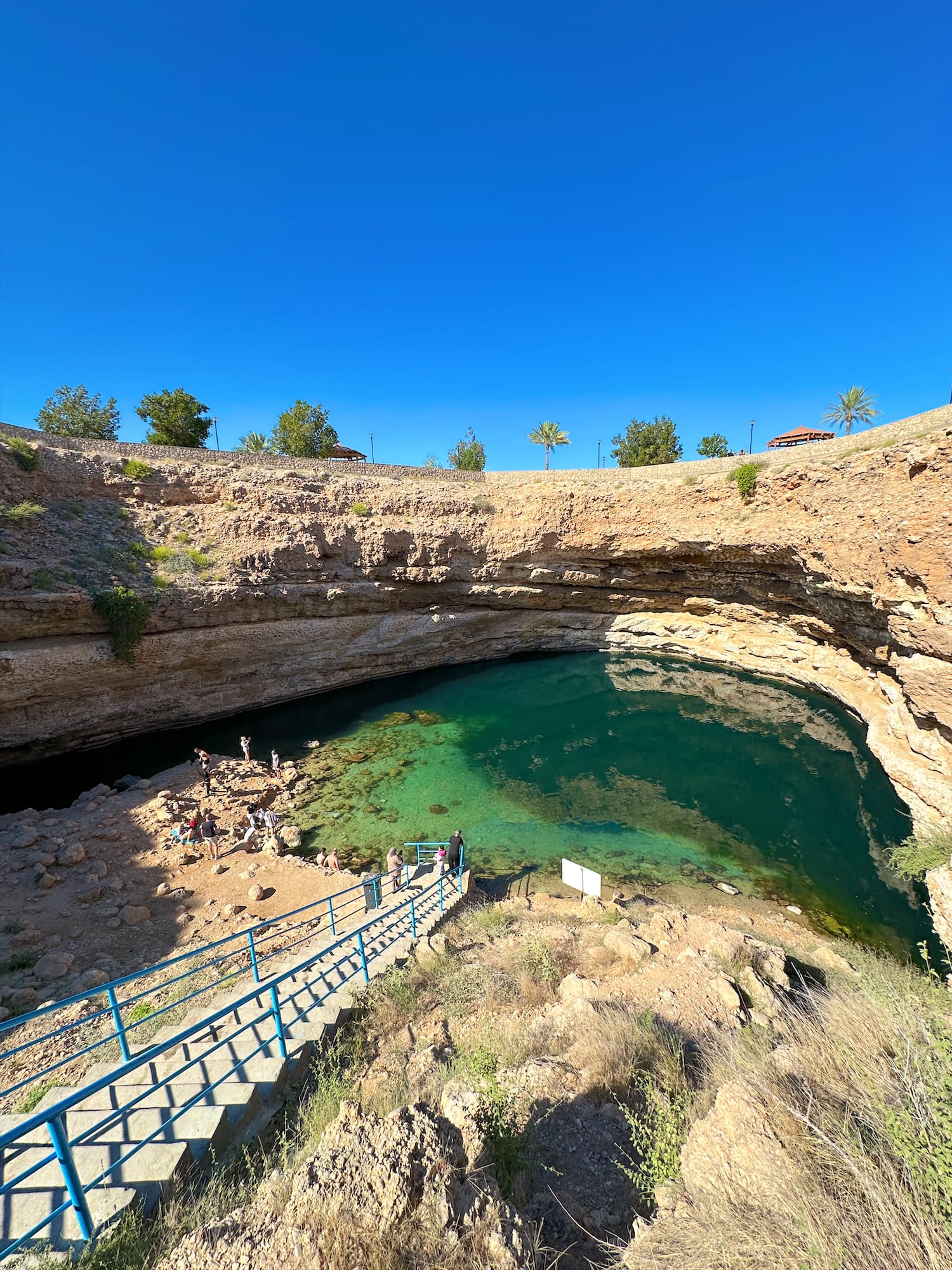
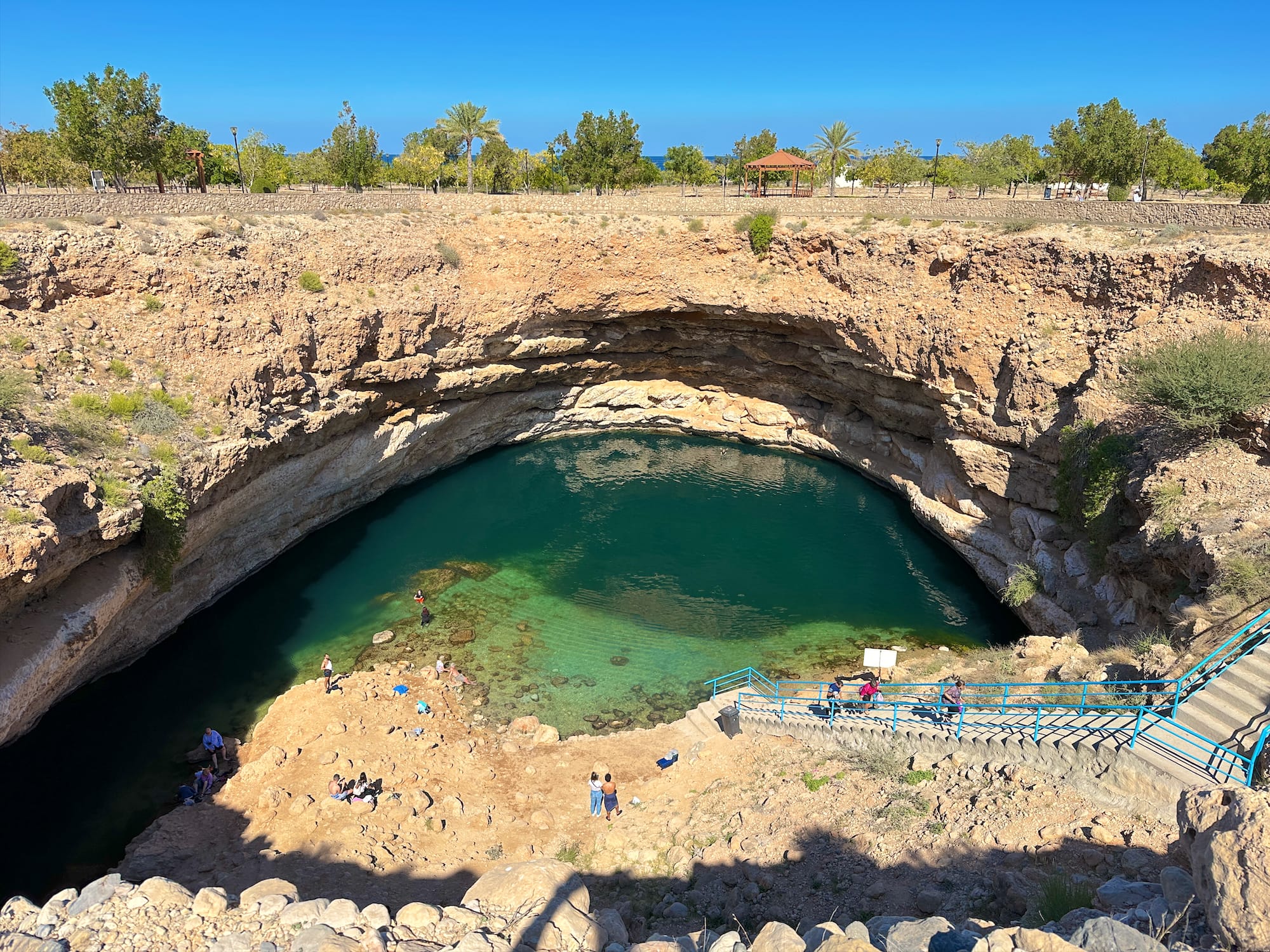
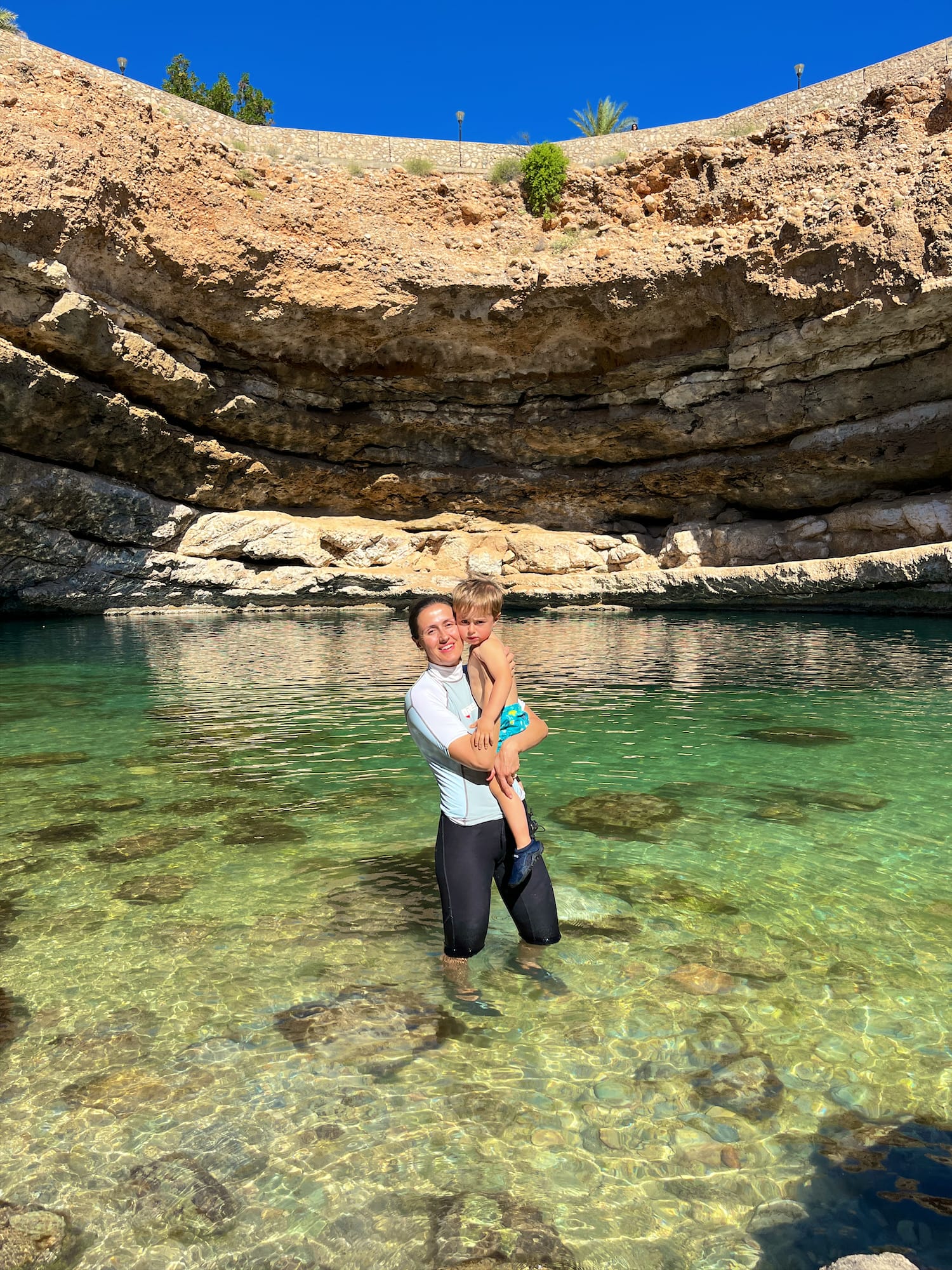
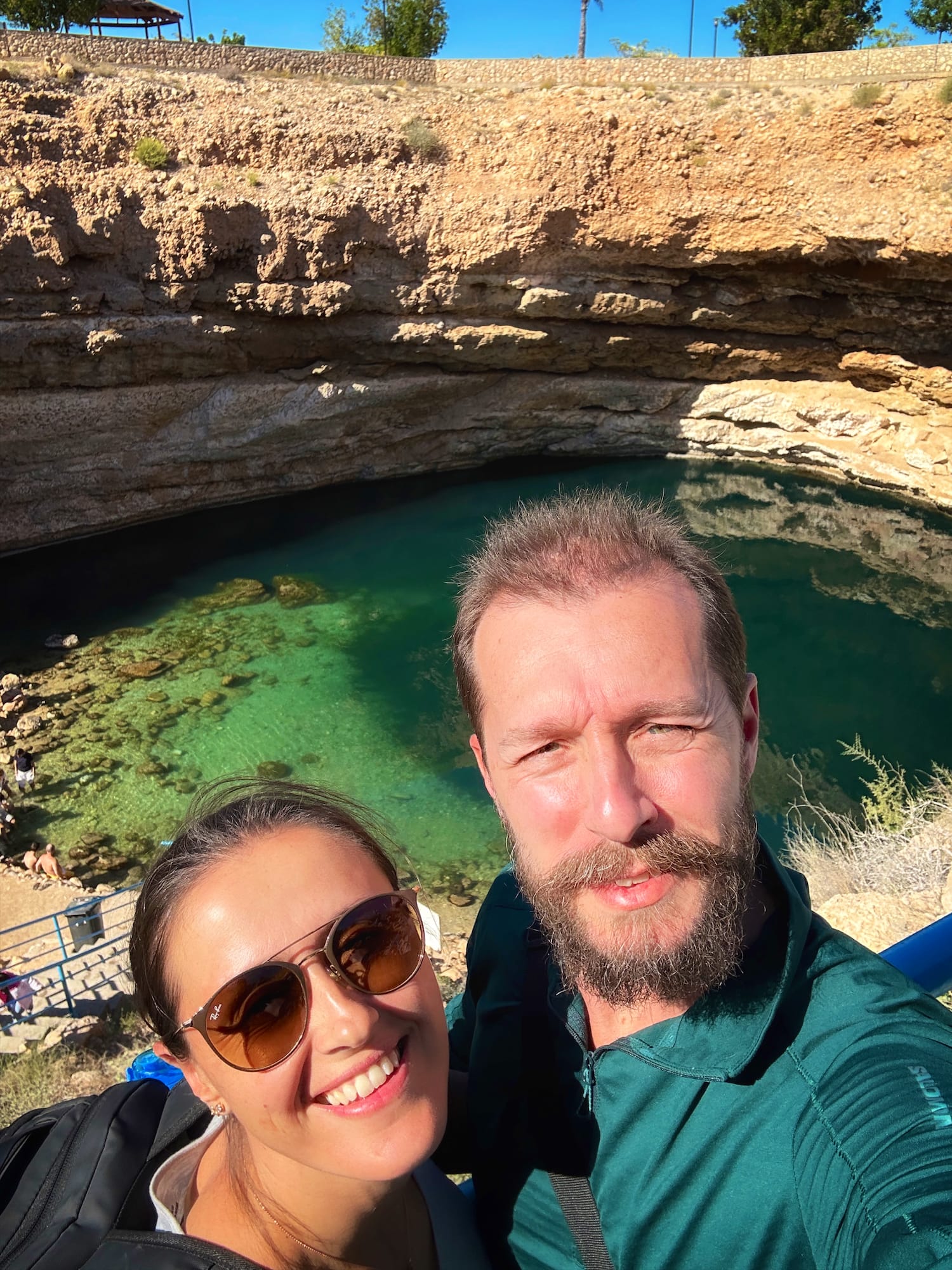
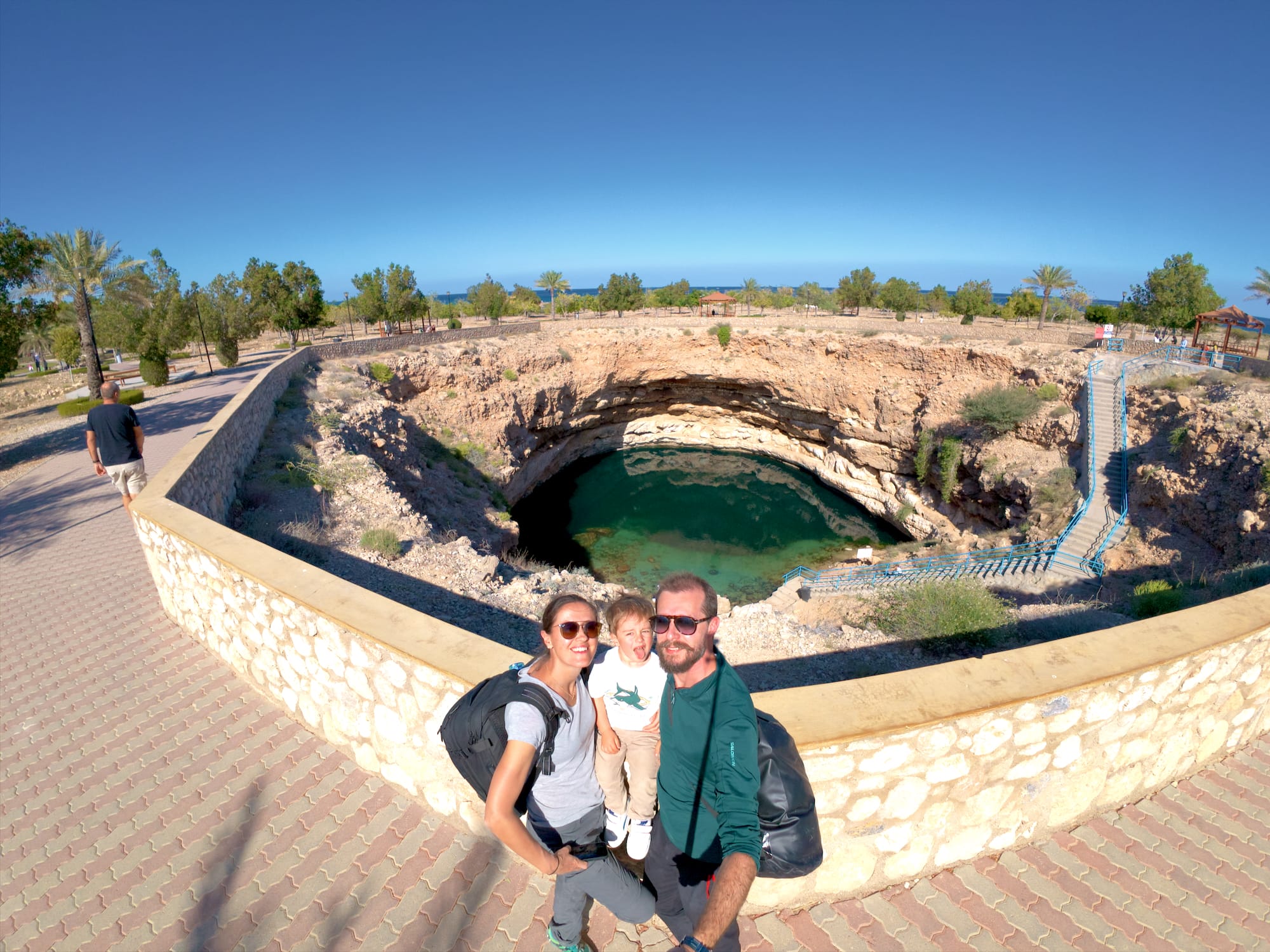
To conclude, one natural wonder that, while not a wadi, deserves a place on the list. The Bimmah Sinkhole (in Arabic Hawiyat Najm, meaning “the falling star”) is a spectacular circular lake formed by the collapse of limestone ground. It sits within a park complex about 130 km from Muscat.
A brief and refreshing stop at Bimmah Sinkhole
Sur, where the sea tells ancient stories
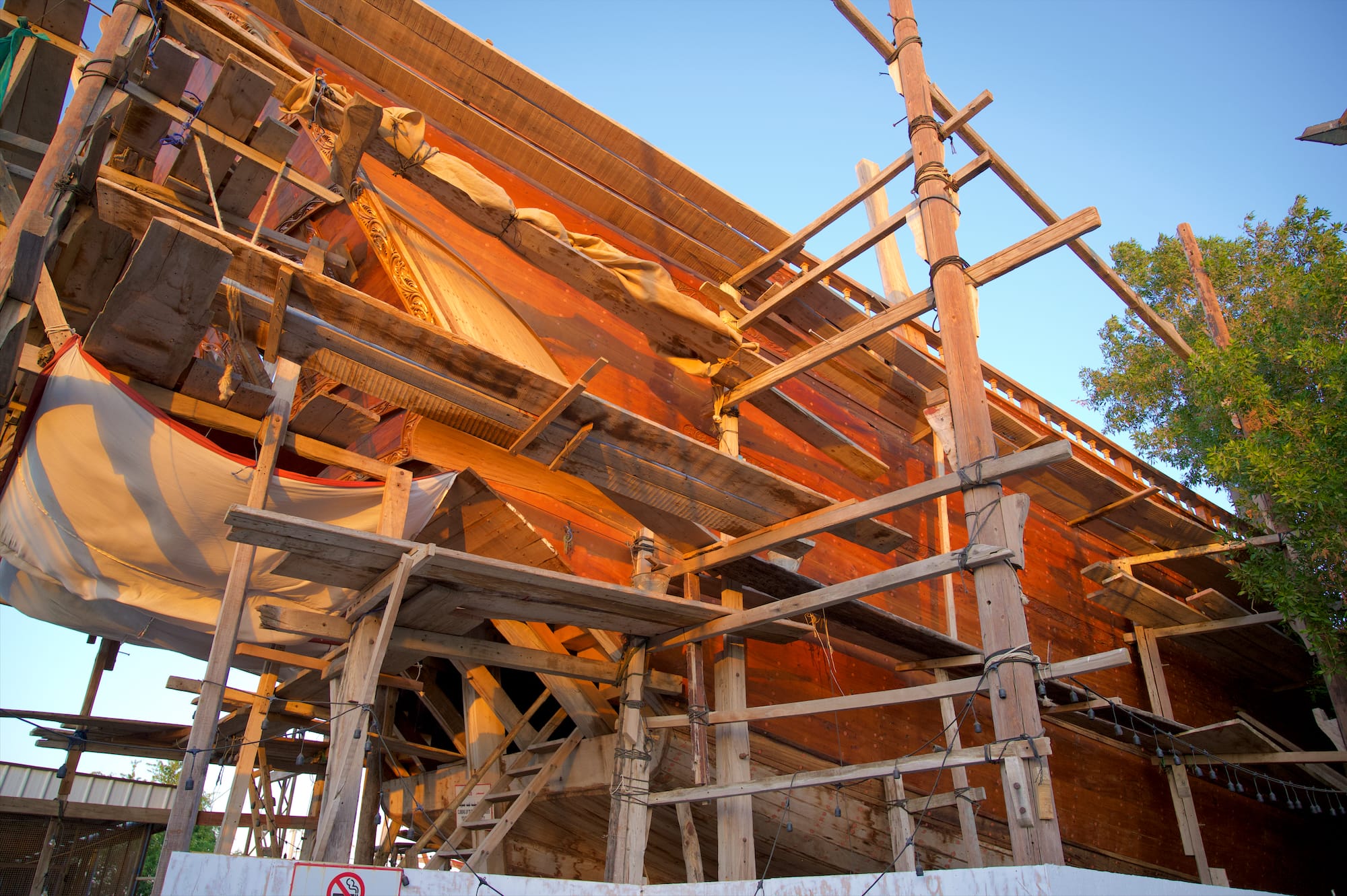
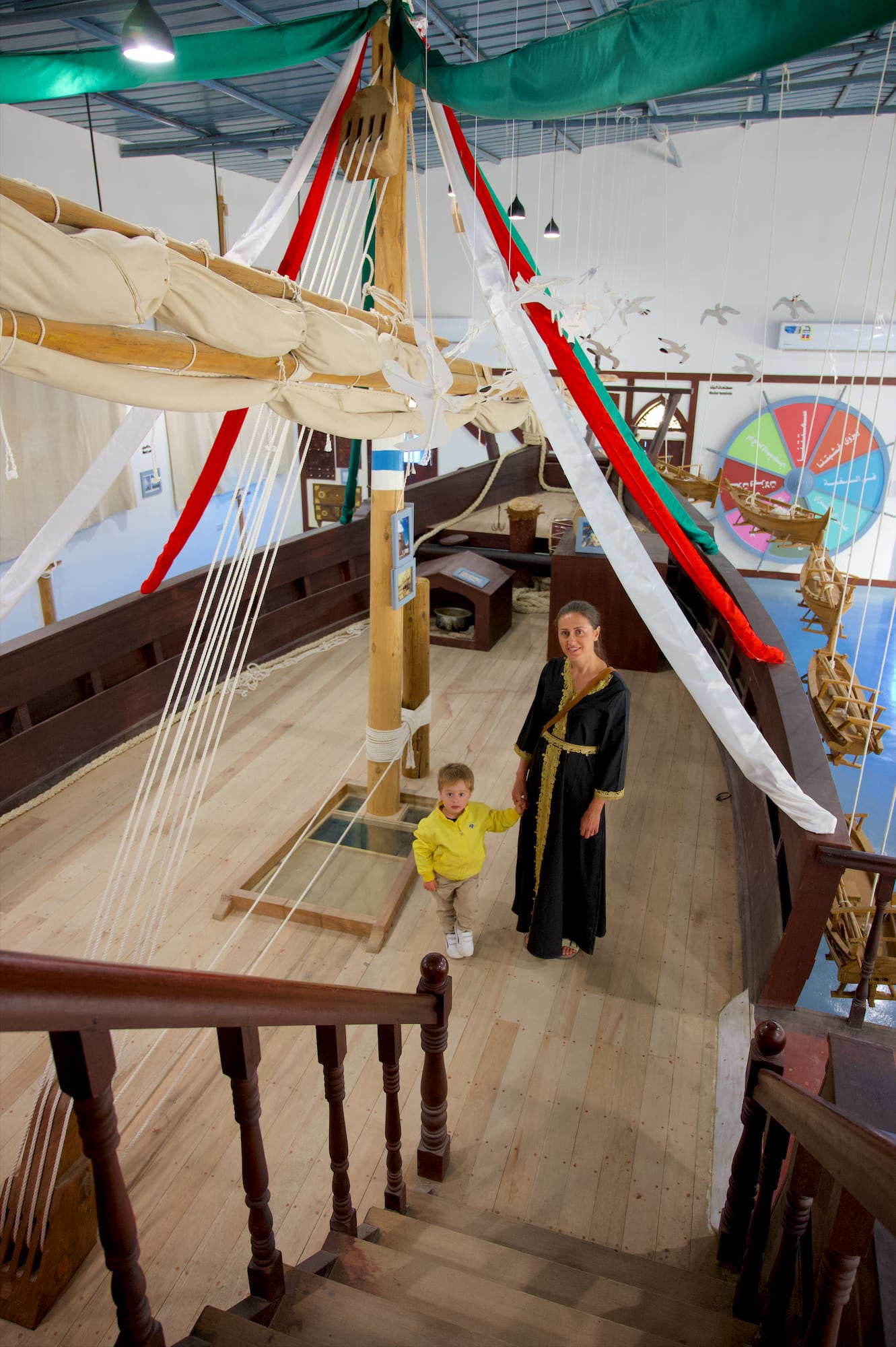
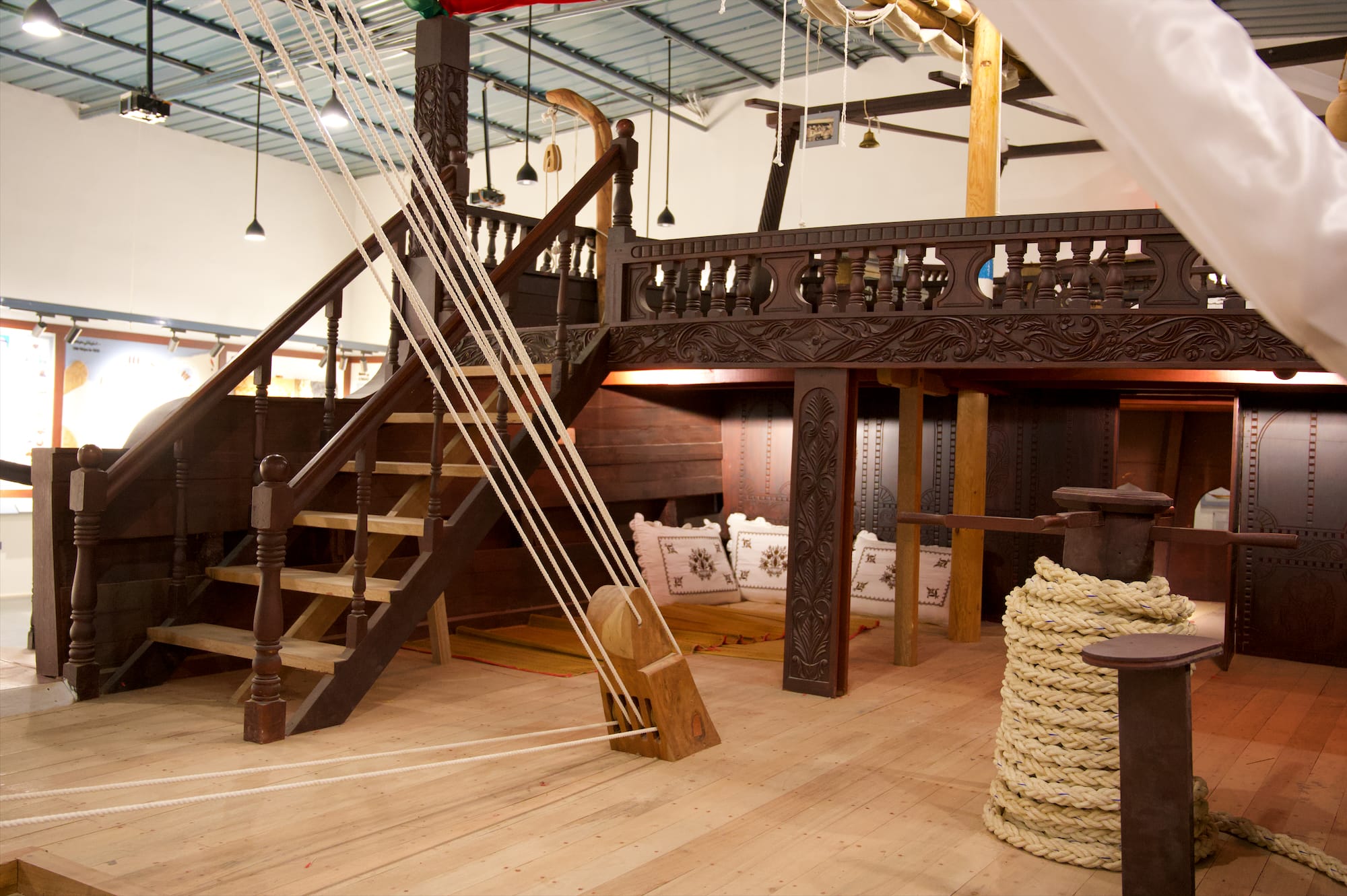
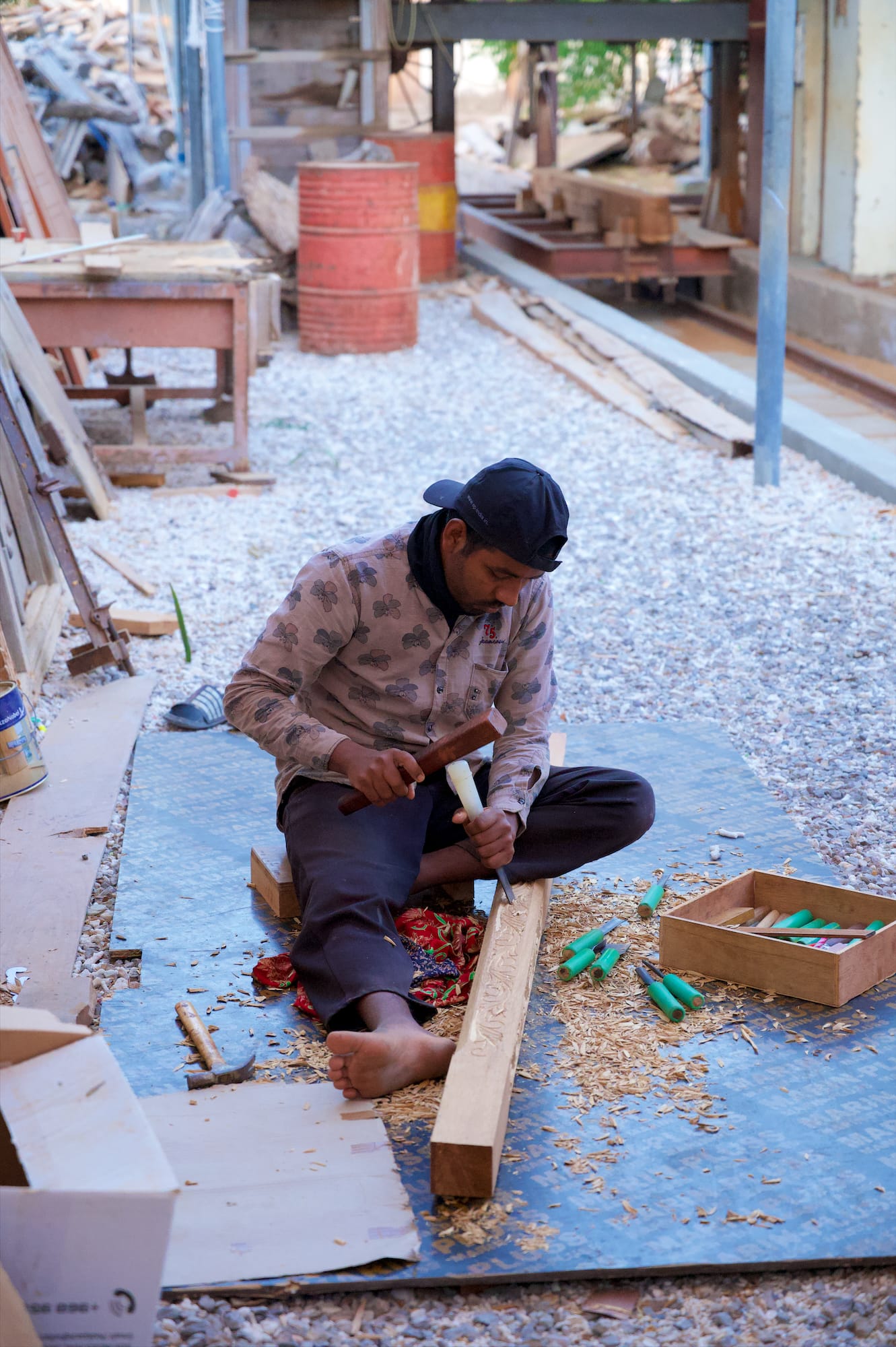
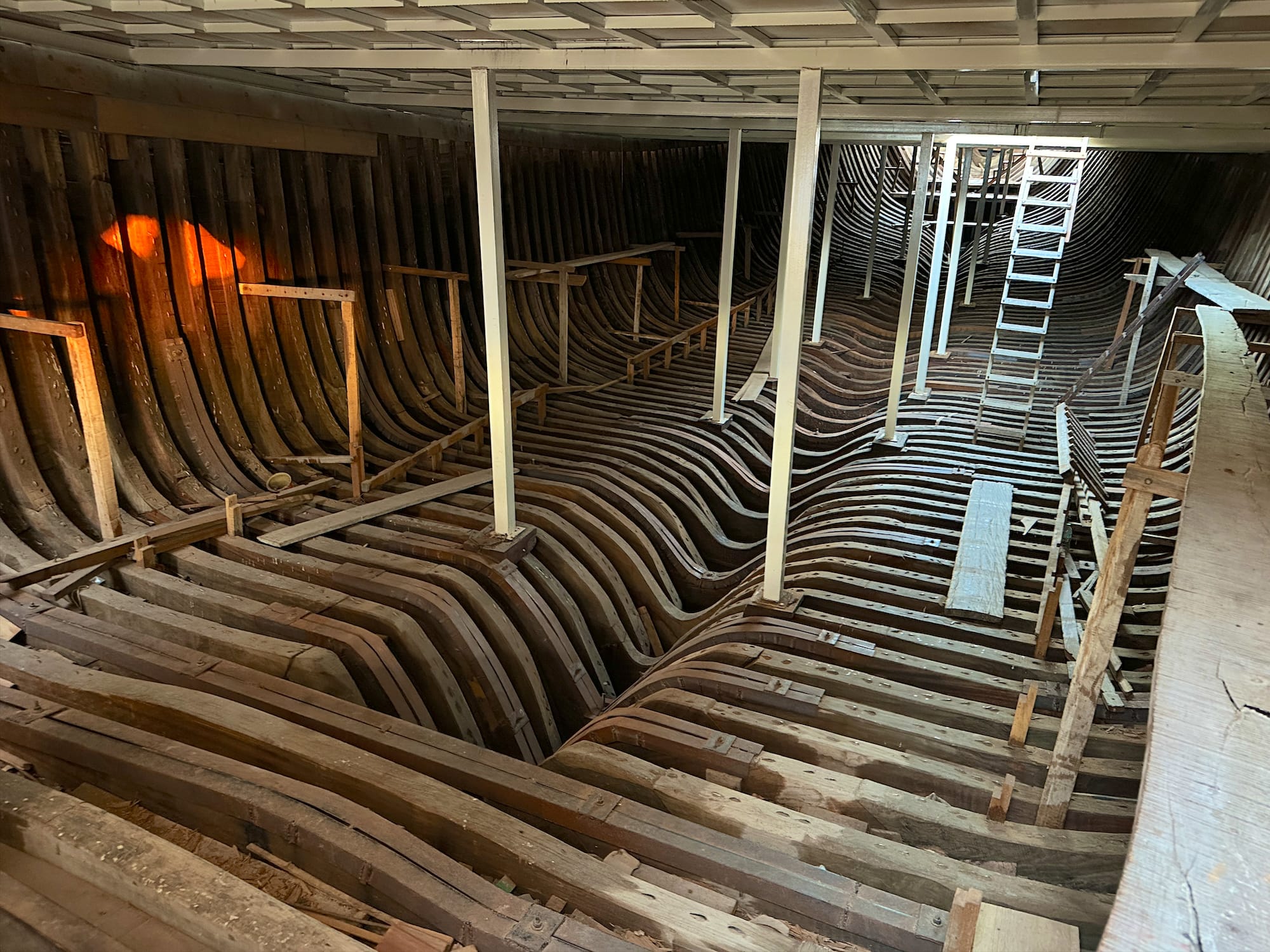
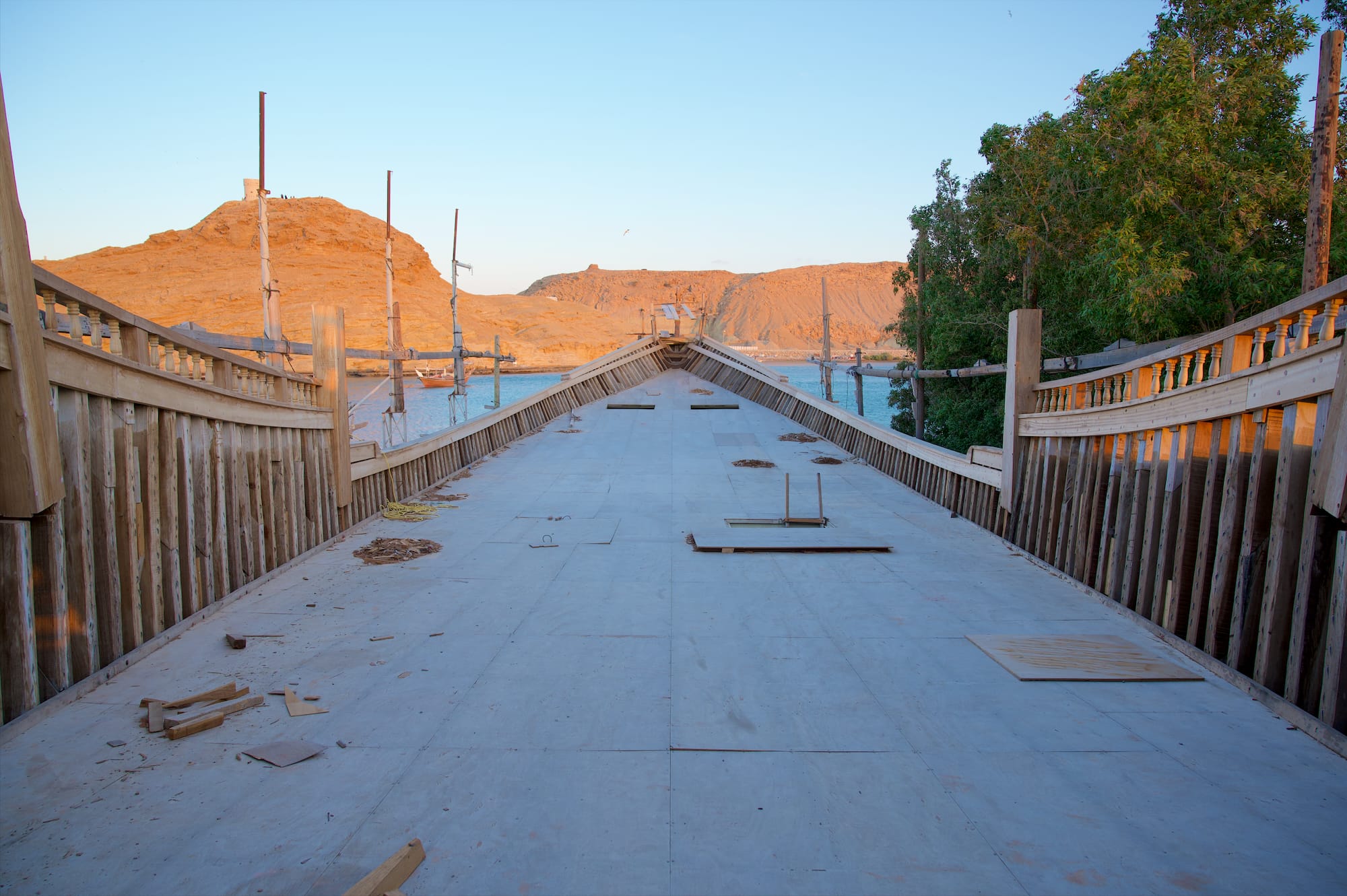
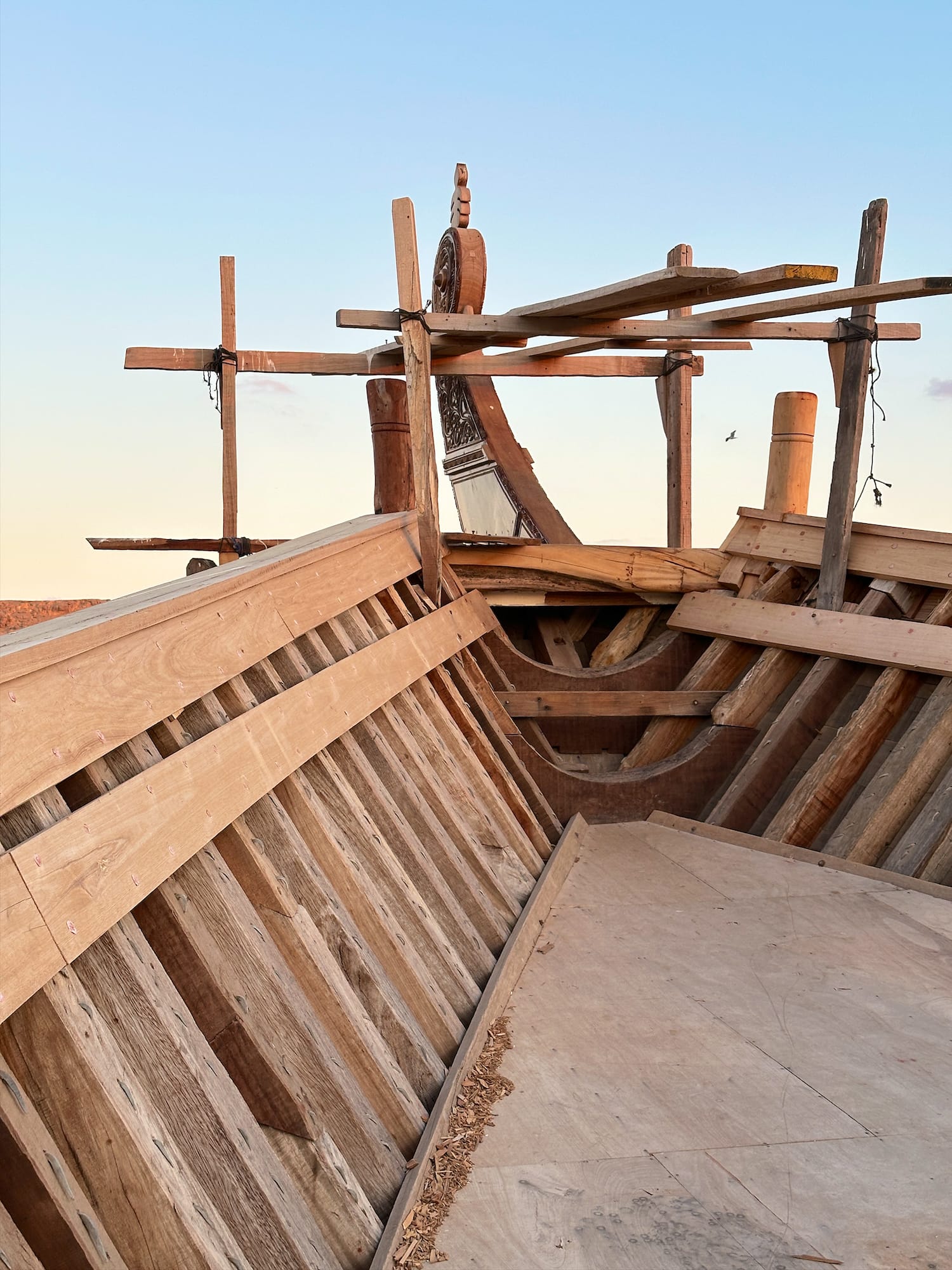
We reach Sur in the afternoon, after visiting Wadi Bani Khalid. Our visit will be a brief stop on the journey back north. We head straight to the shipyard, the only one still active in all of Oman, where the dhow are born — the traditional wooden vessels that for centuries have sailed the Indian Ocean. Watching the craftsmen at work is like stepping back in time: no written plans, just expert hands passing down ancient knowledge, shaping precious wood with gestures that resemble dances. We move between boats under construction, careful not to trip over ropes and tools scattered everywhere: each boat is a true work of art.
The Sur shipyard: from small vessels to enormous boats.
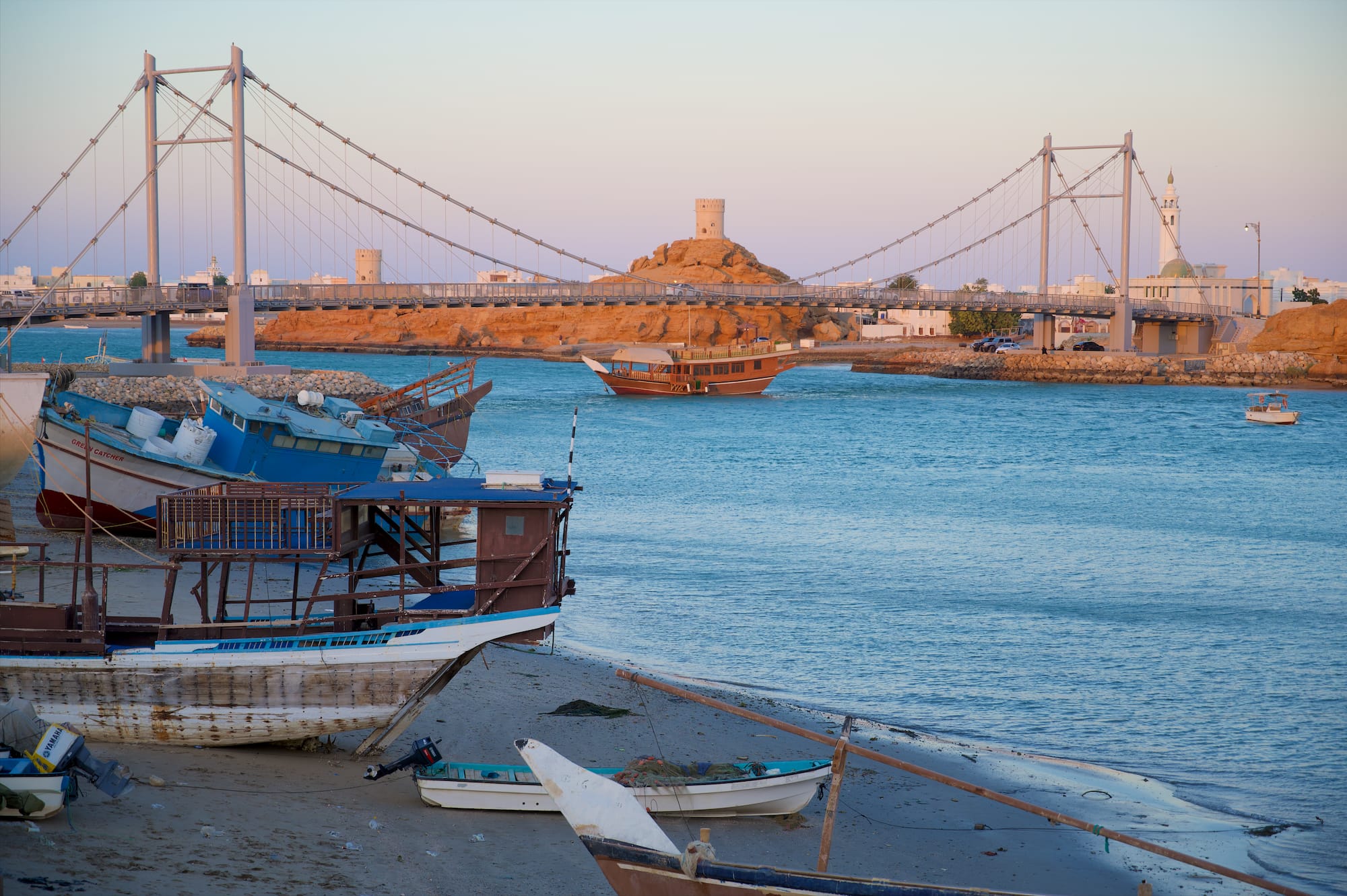
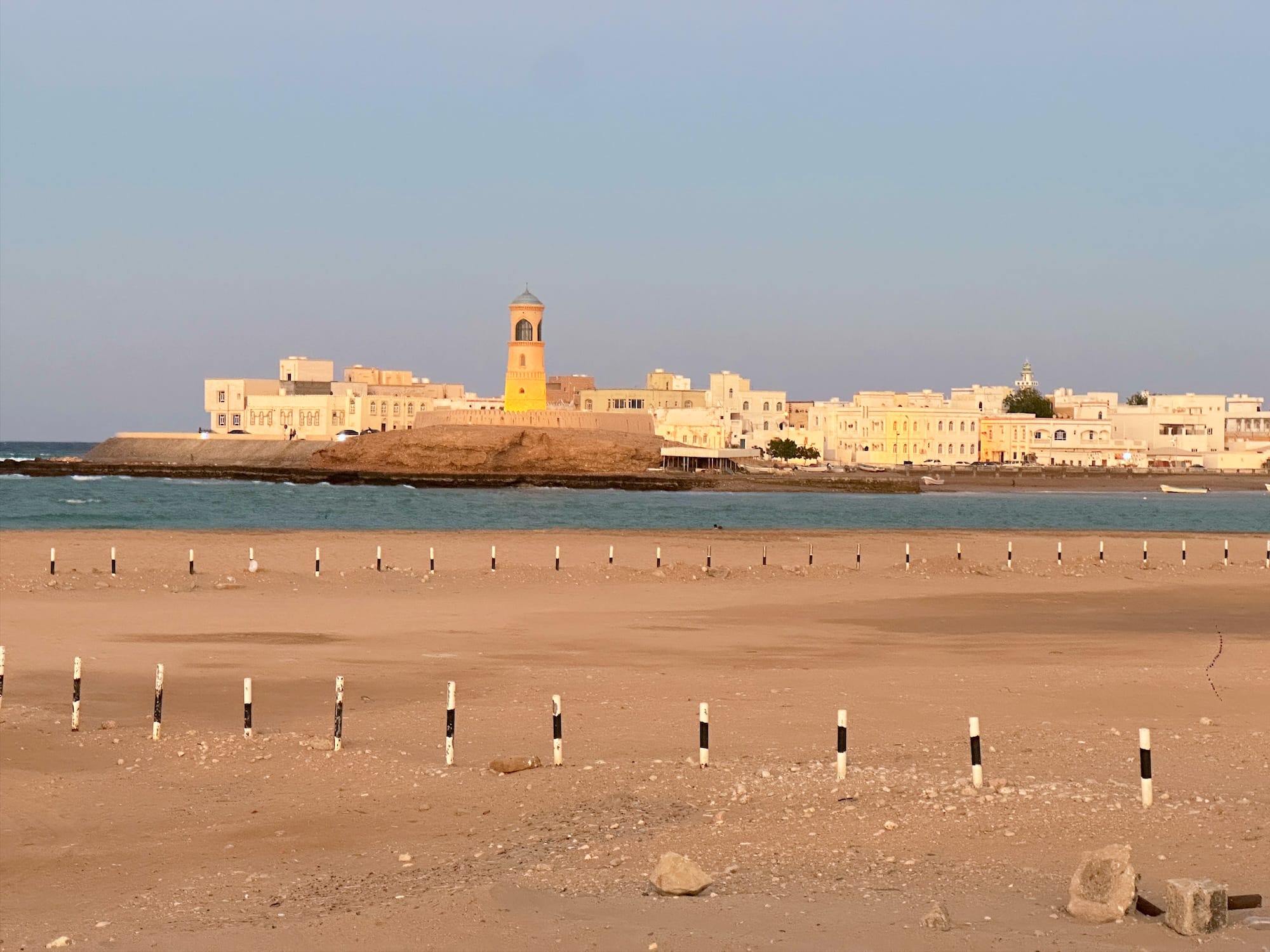
Before leaving, we drive along the windy seafront. It would have been pleasant to take a walk too, but the wind was truly intense.
Views of Sur
Before You Leave
How do I get around? The car is the most convenient way to get around in Oman. Depending on your itinerary, consider whether you need a 4x4. Bear in mind that rates rise considerably, and in some cases (such as a desert stay) the accommodation already includes transport from the meeting point.
If you are looking for the best deal, try getting a quote here:
Where to stay? Throughout our tour we always chose strategically located accommodation, starting from Nizwa. We chose this house with a pool, in the middle of nowhere but 30 minutes from the souq — very useful for reaching it early on Friday morning. For the night at Wahiba Sands, among the countless options we chose Starry Domes for its comfortable, well-spaced bungalows, quality services and highly evocative, photogenic setting.
To visit Wadi Shab we chose to stay in Tiwi: we wanted to be among the first to enjoy this natural wonder in peace and quiet. The property we chose, just a few minutes from the wadi, has simple rooms but with everything needed for one night.
Where to eat? For lunch we always opted for simple solutions: small local or Indian restaurants (which are also open on Fridays during prayer time).


 Filiamovia
Comments