
Eclectic yet tidy, colorful and well-organized: this was our first impression of the Argentine capital on a sunny first of January. A surprising and immense city, where every barrio (neighborhood) gives you a journey within the journey. Without a doubt, it is the best way to start getting to know this fascinating country and to devote the right amount of time to it. The opportunities for outdoor activities, museums and gourmet experiences are truly endless, so do not rush and enjoy this first taste of Argentina.

We structured our post by dedicating a chapter to each barrio, plus two special chapters dedicated to parks and its delicious cuisine. Ready to go?
Monserrat
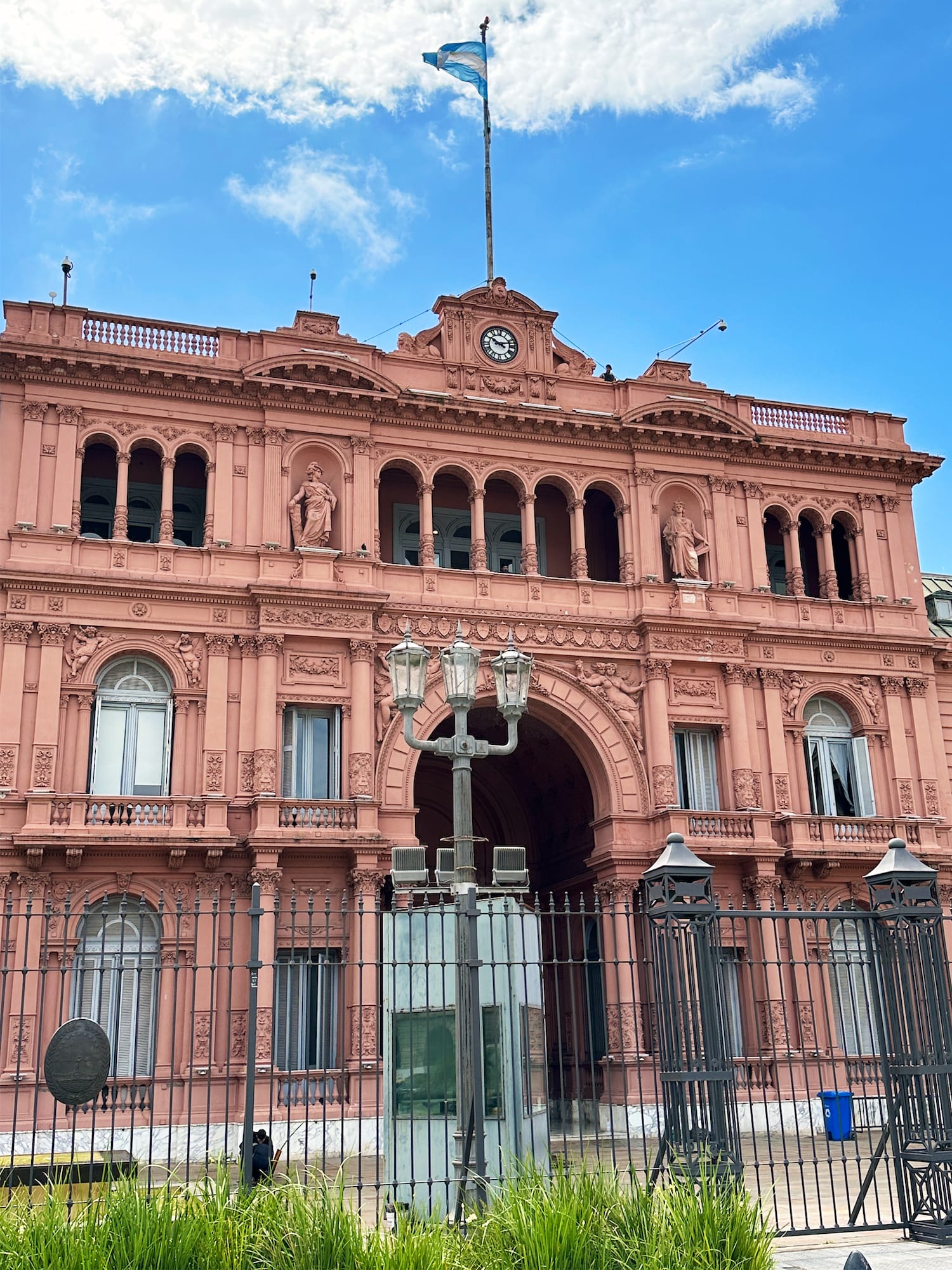
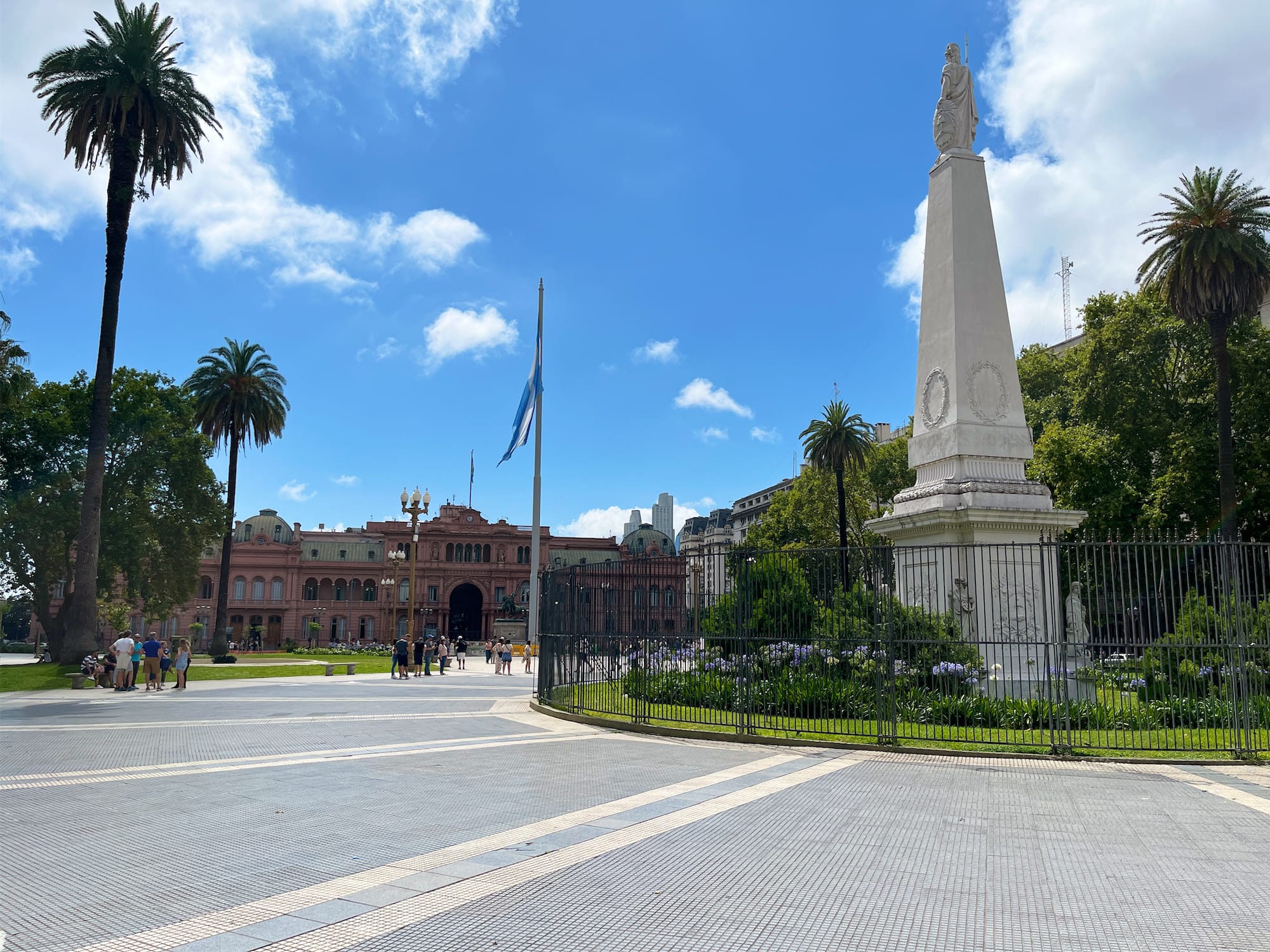
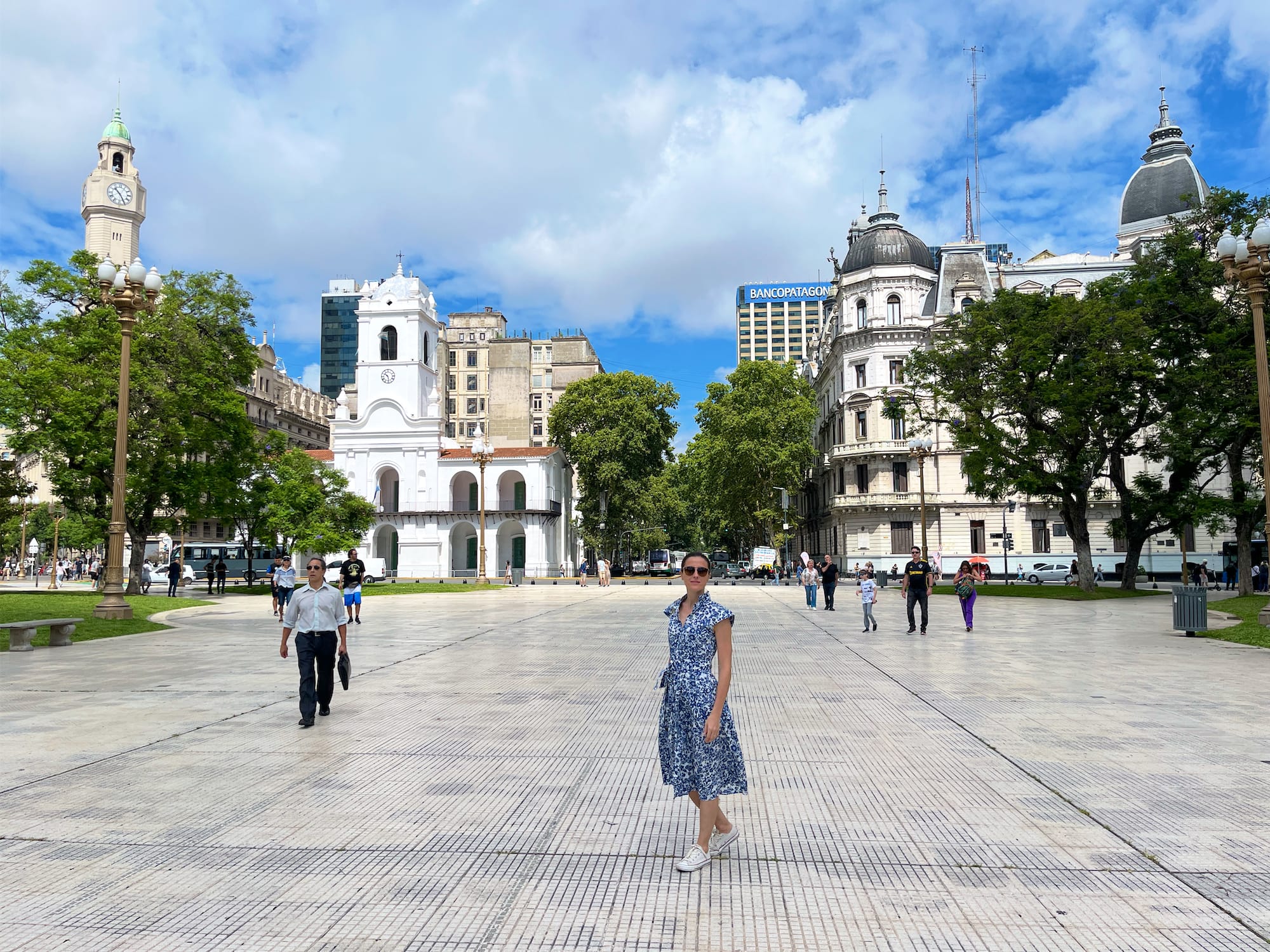
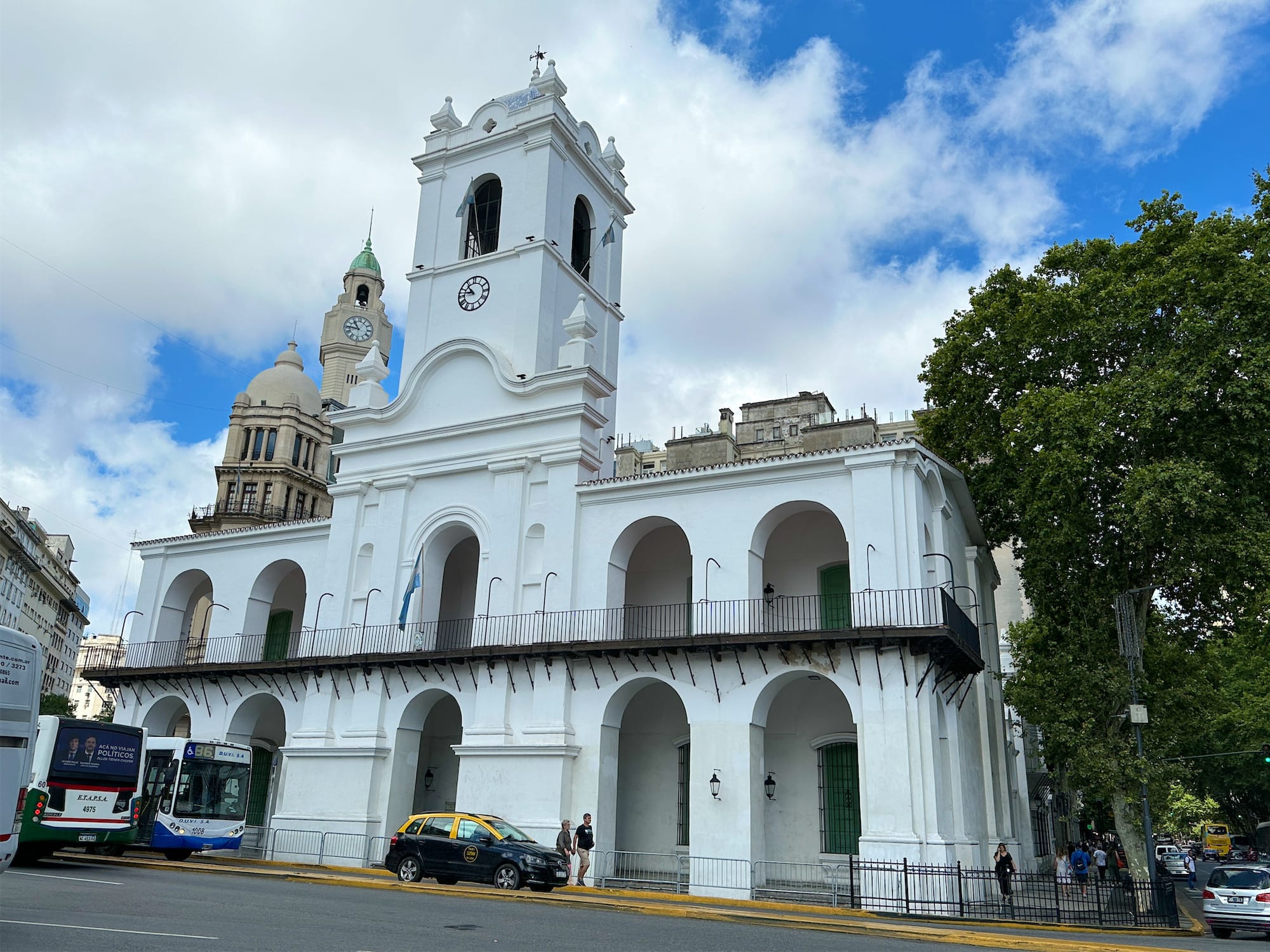
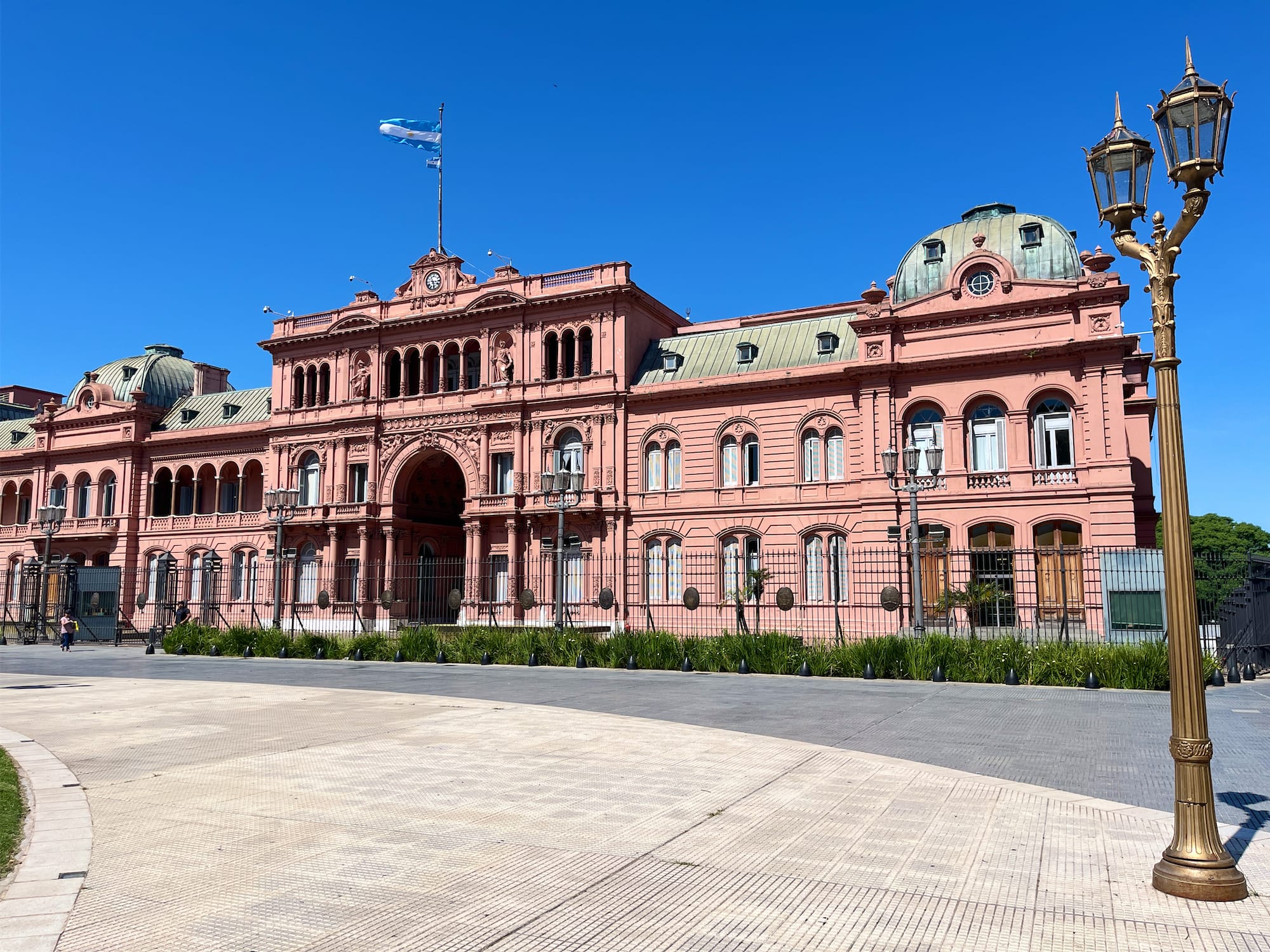
Plaza de Mayo has always represented the heart of the city of Buenos Aires. Surrounded by buildings that symbolize political power such as the Casa Rosada and the Cabildo, , it is the starting point for exploring the city. At the center of the square stands the Pirámide de Mayo, a white obelisk that symbolizes the first anniversary of independence from Spain. The Casa Rosada takes its name from its unusual color: from one of its balconies Evita Peron once shared her emotional message with the crowd, and it has always been one of the city’s most emblematic buildings.
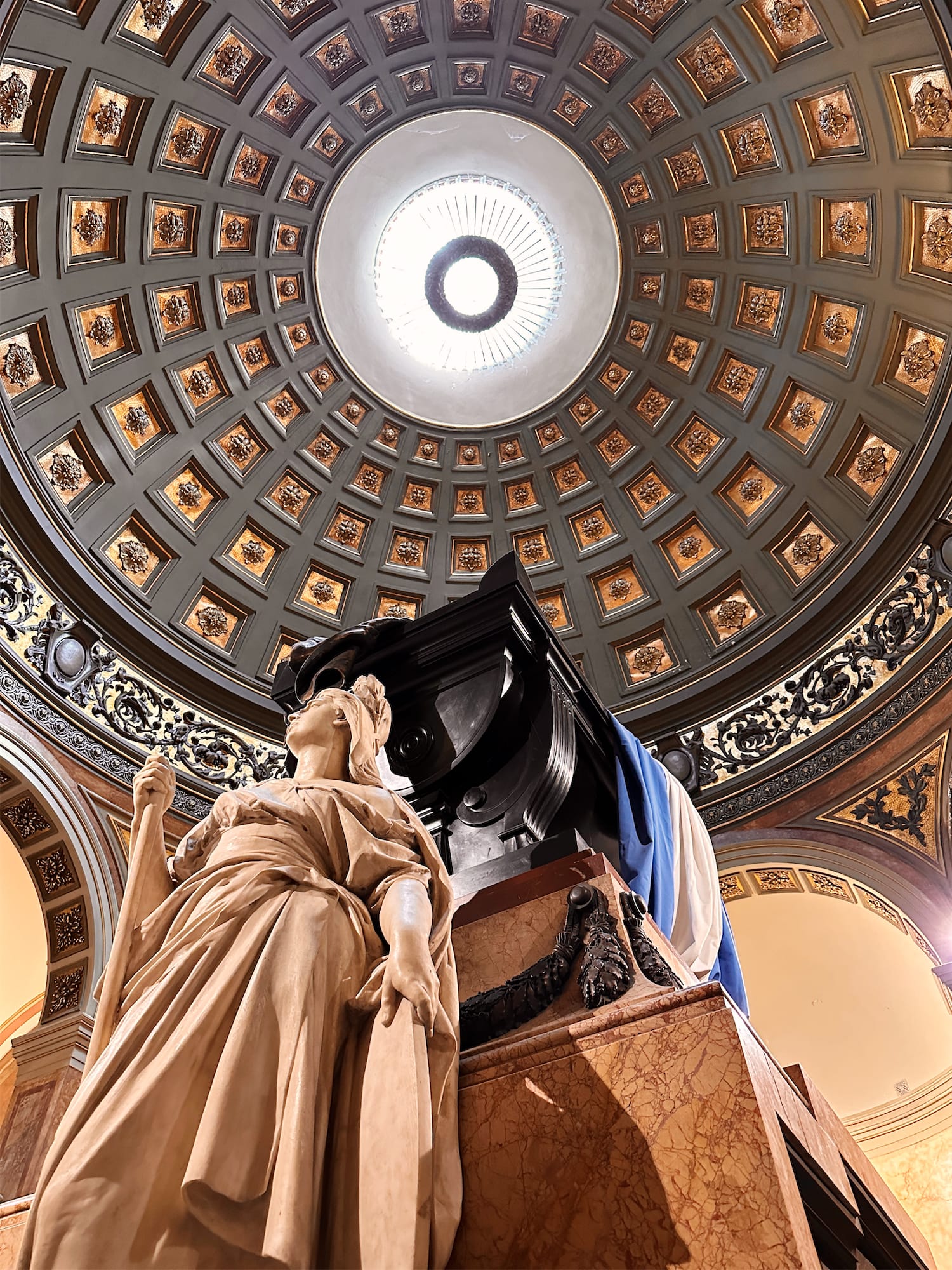
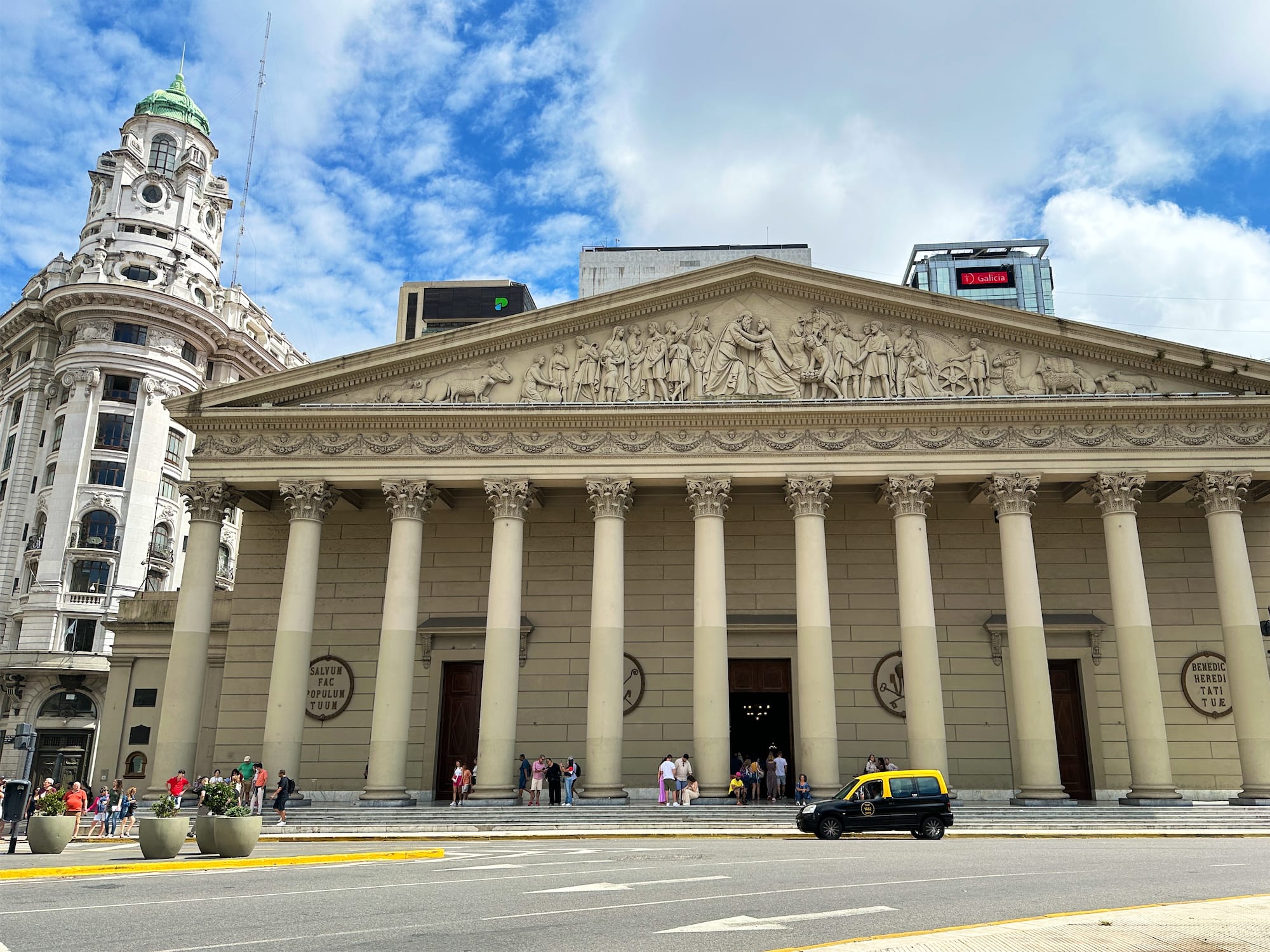
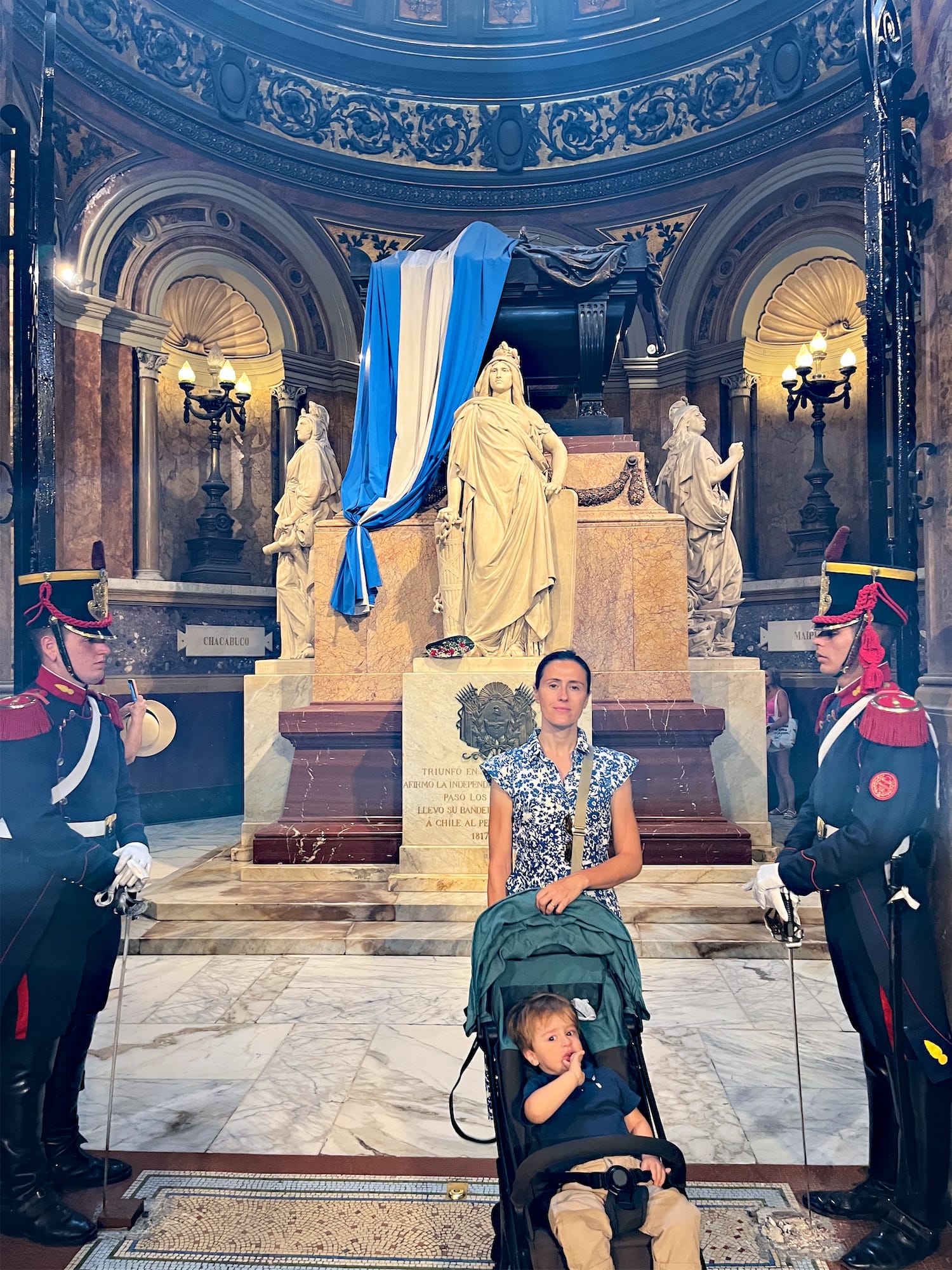
Here you will also find the Metropolitan Cathedral of Buenos Aires, the most important one in the city. Inside it houses the mausoleum dedicated to the national hero José de San Martín.
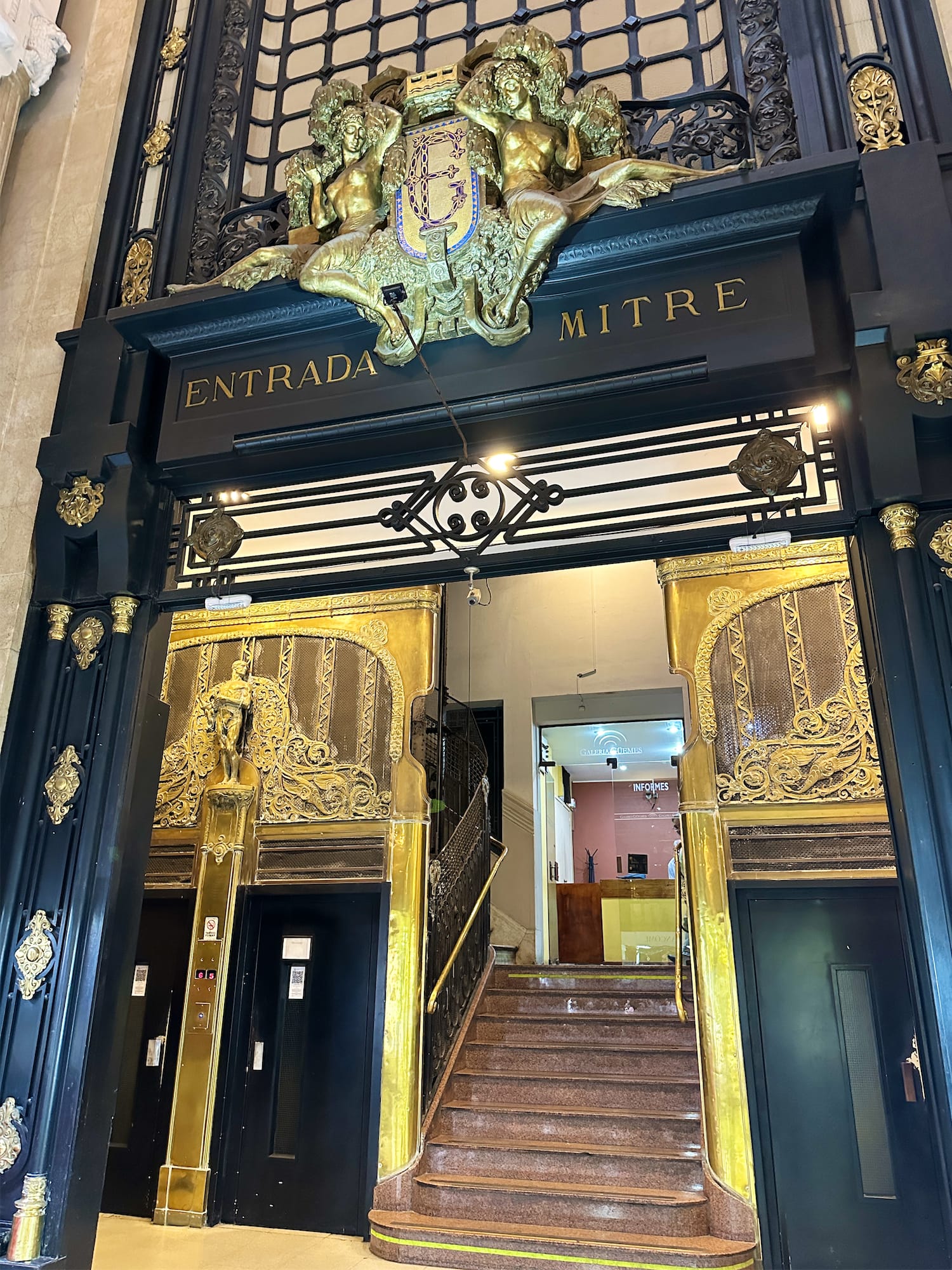
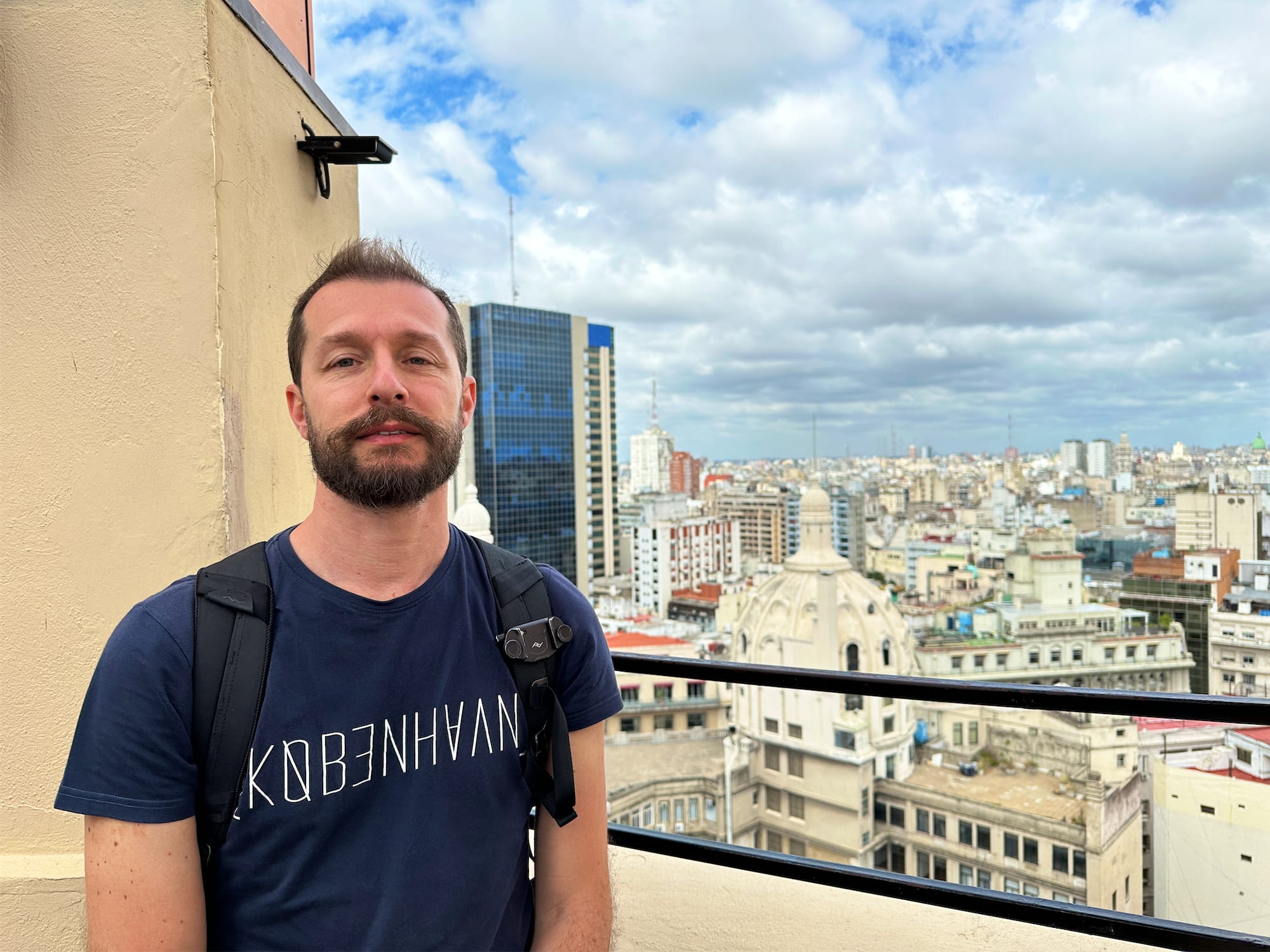
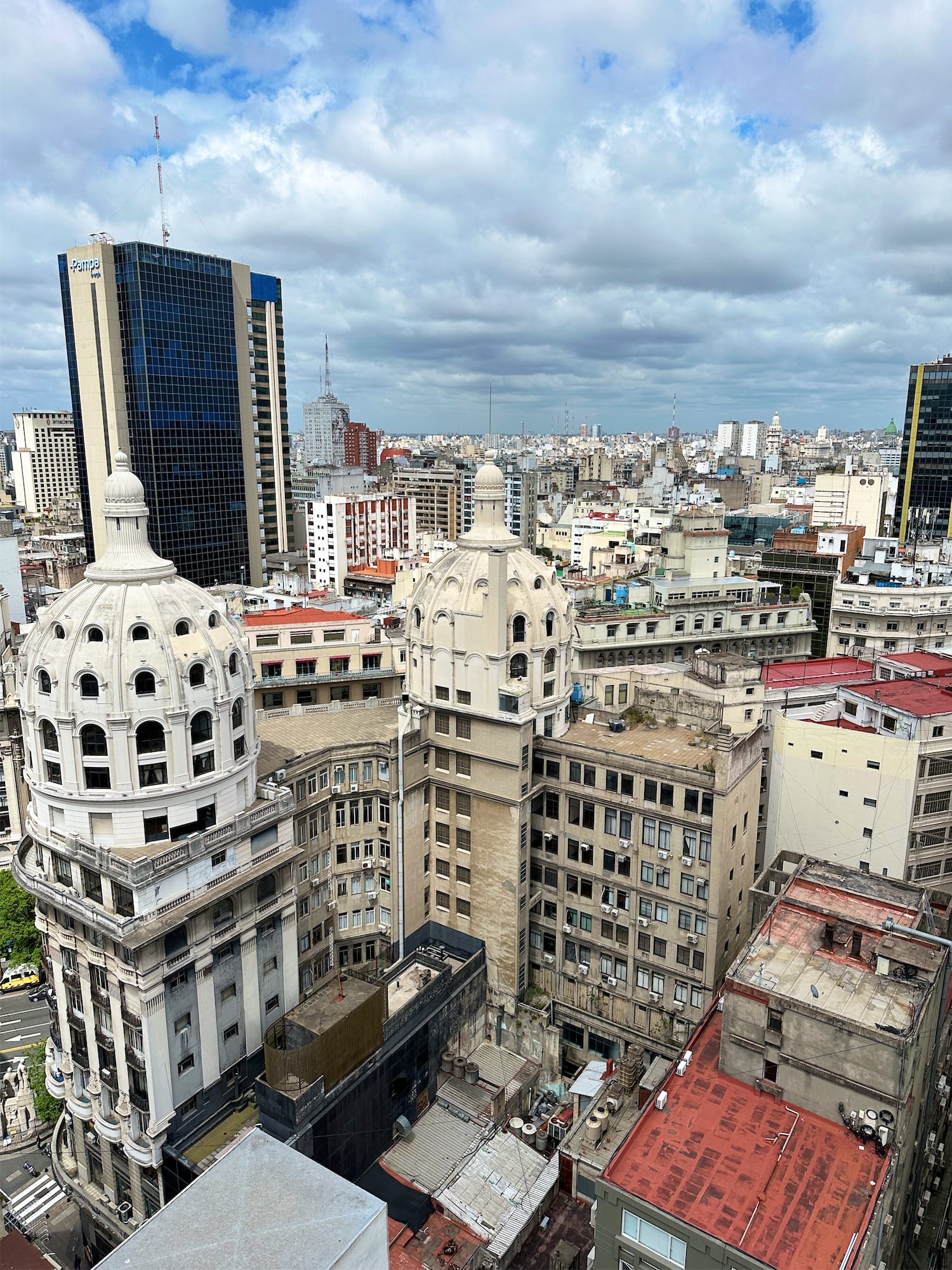
A short distance away you can reach the Galeria Güemes: known as one of the most beautiful shopping galleries in the city, it also features a fascinating observation deck from which to admire the city center from above.
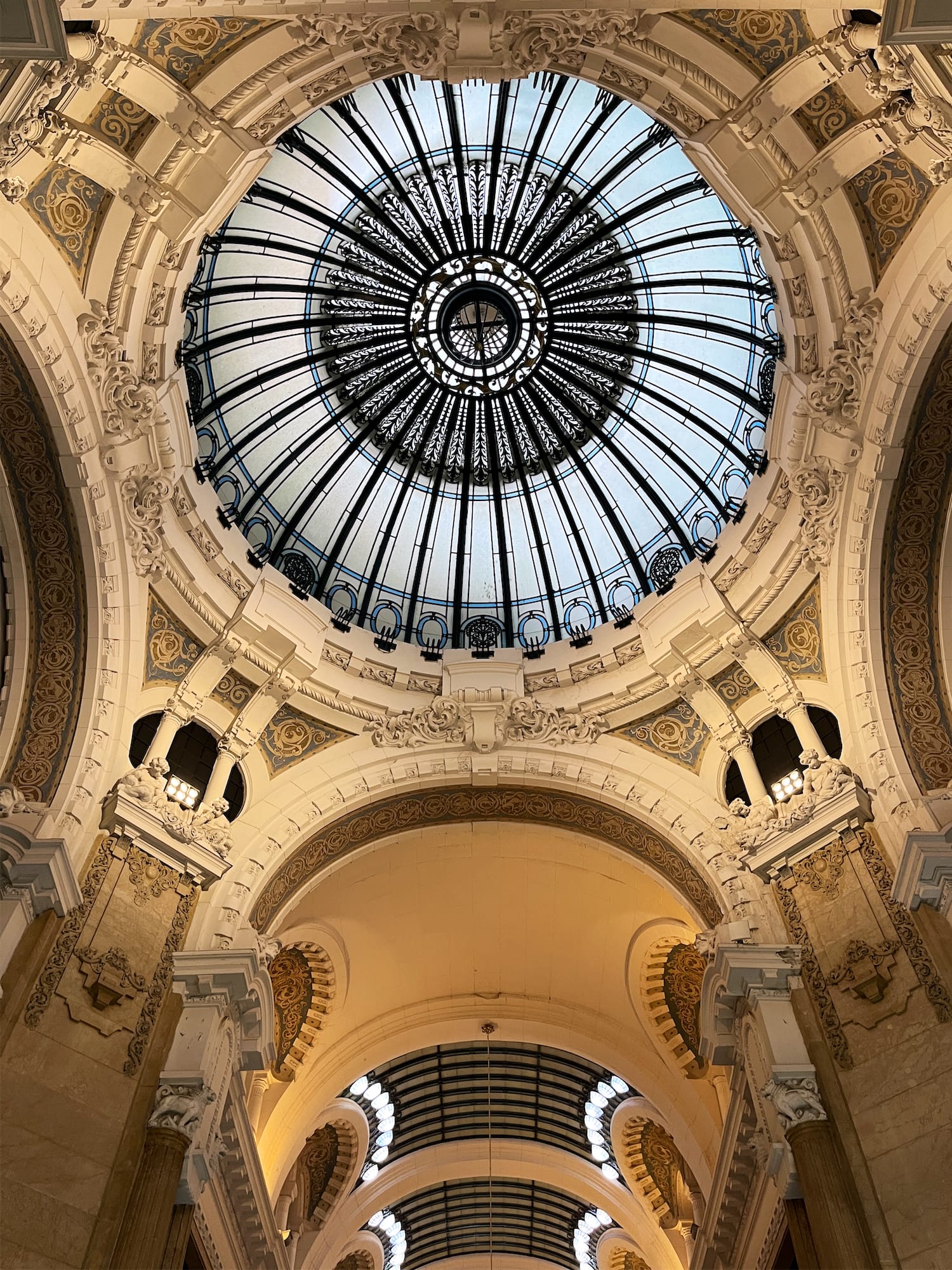
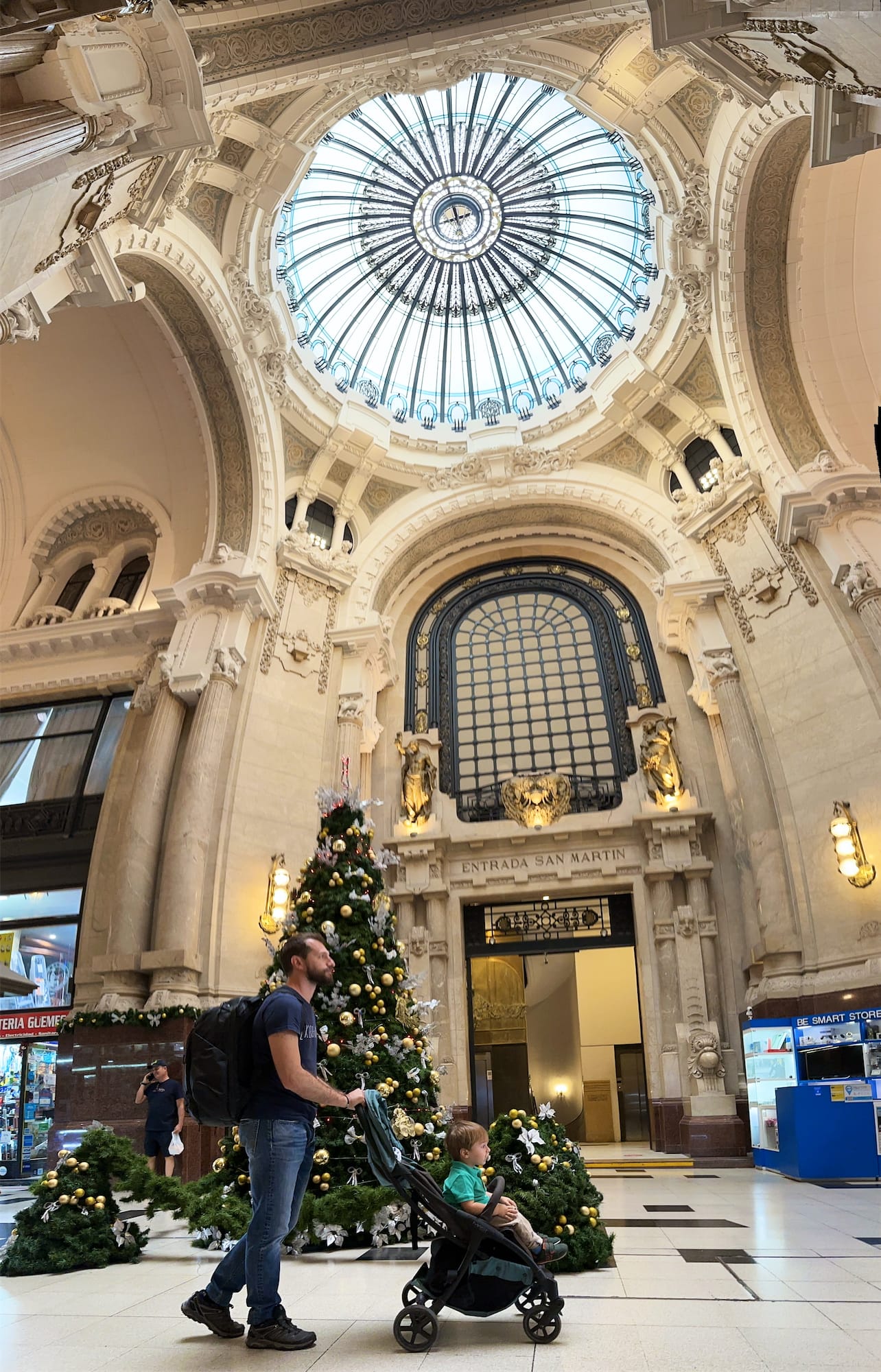

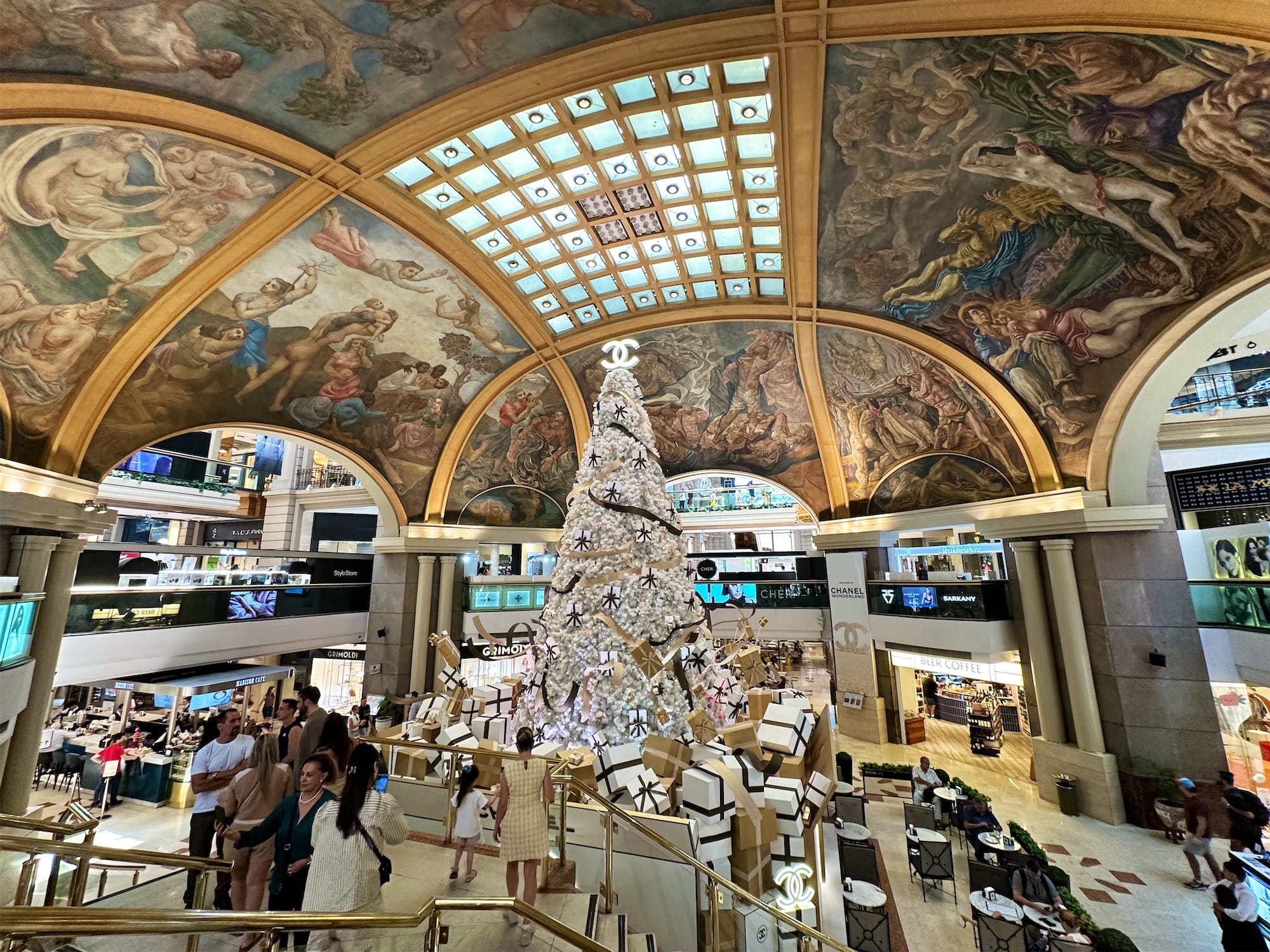
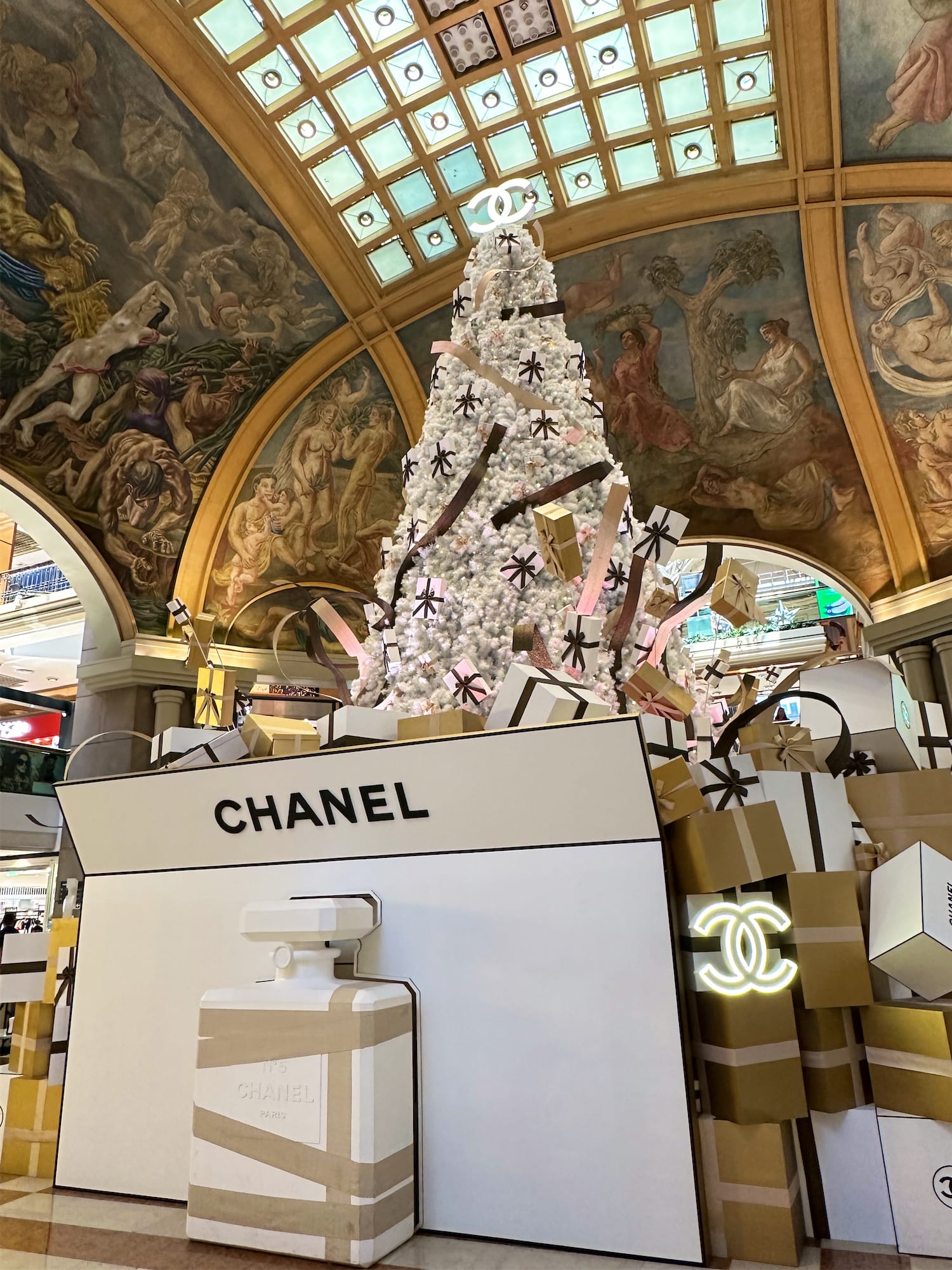
Along the same street, you will also find the Galeria Pacifico. Its interiors and the decorations prepared for the holidays are truly striking.
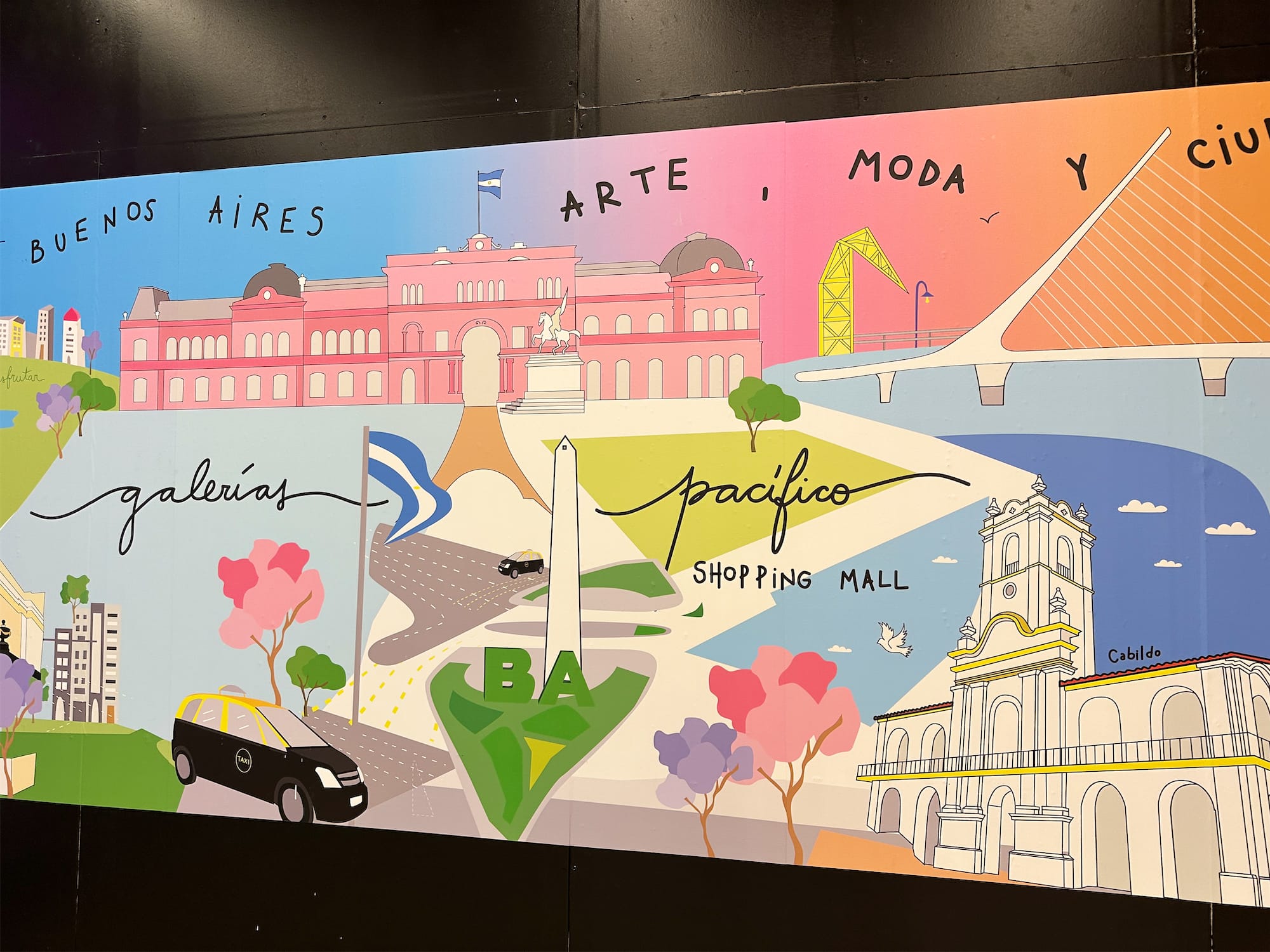
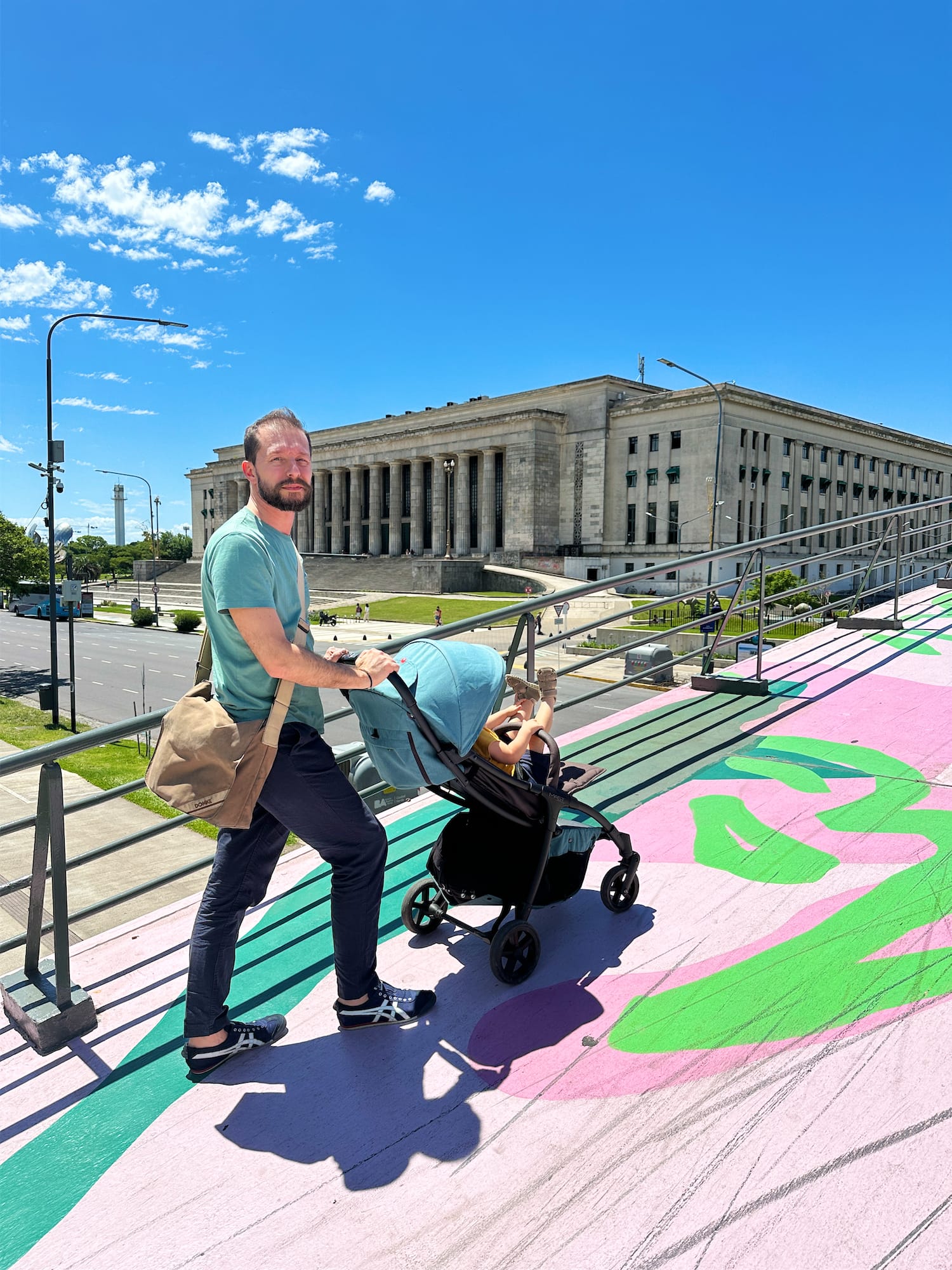
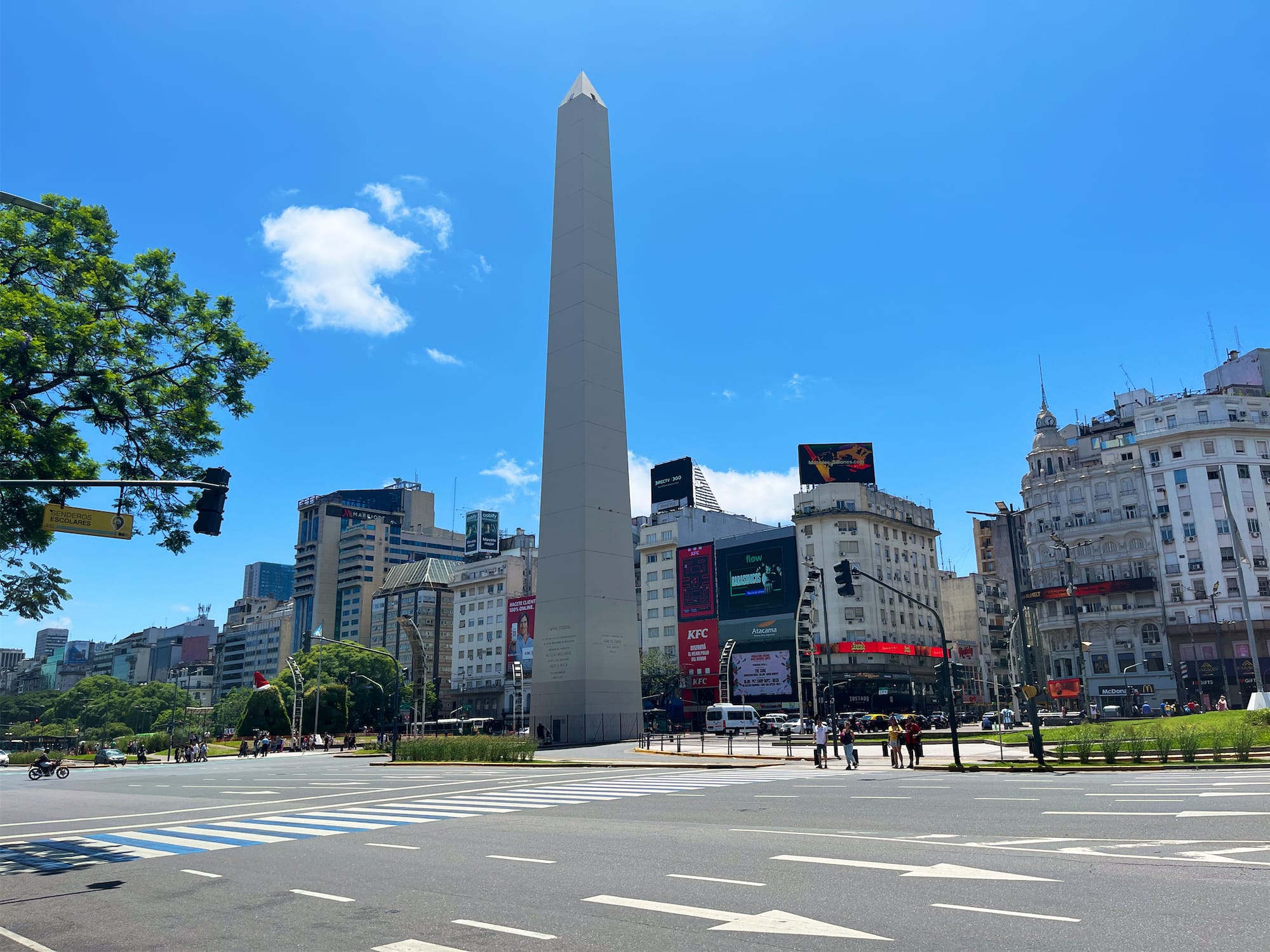
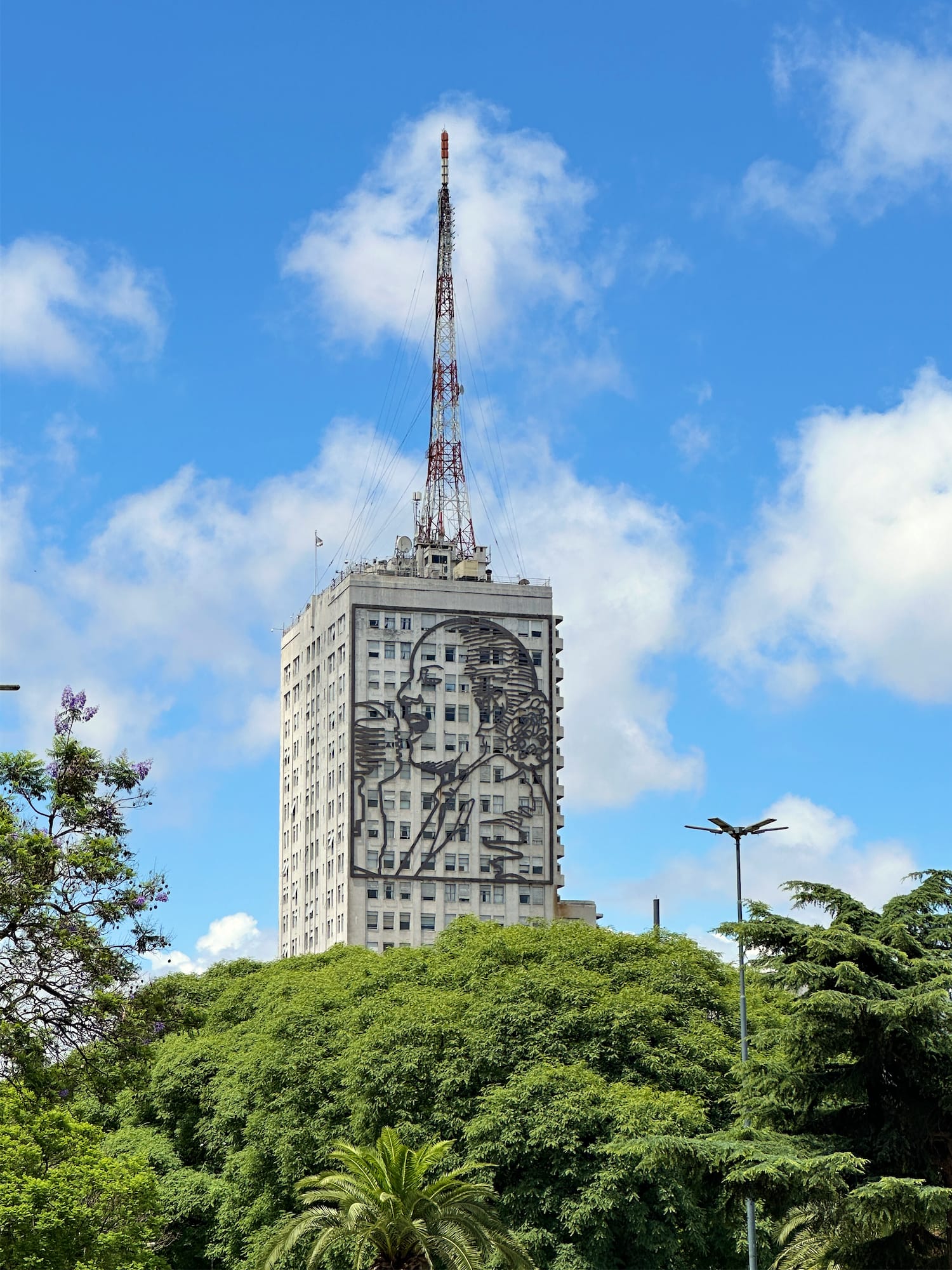
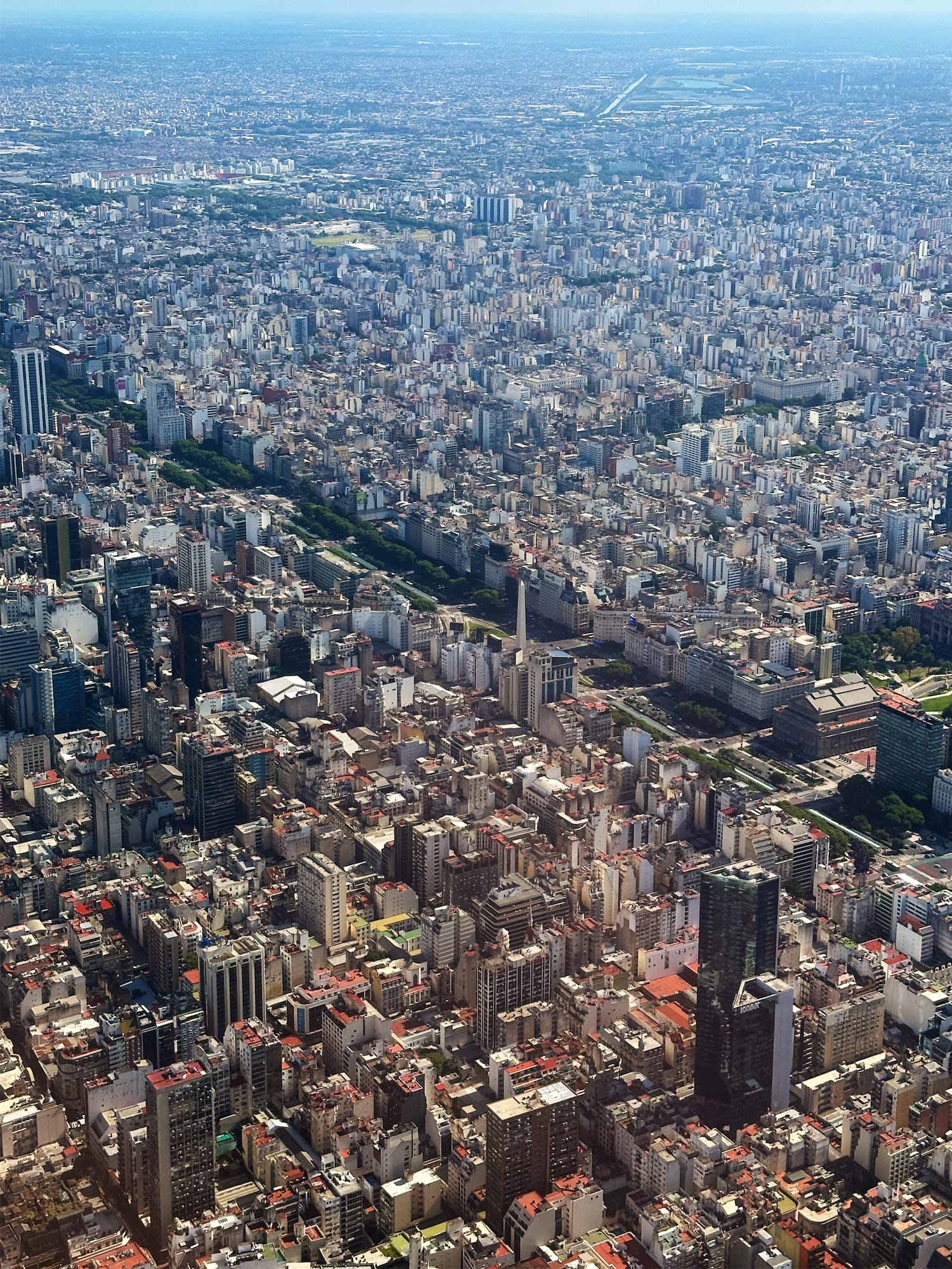
A slightly longer walk (6 km there and back to Plaza de Mayo), but still doable stroller-friendly, will take you to the Obelisk (Av. 9 de Julio), from which you can also enjoy a beautiful view of the building dedicated to Evita Peron. A short distance away is the Teatro Colón (if you want to see the interior, make sure you check the opening times).

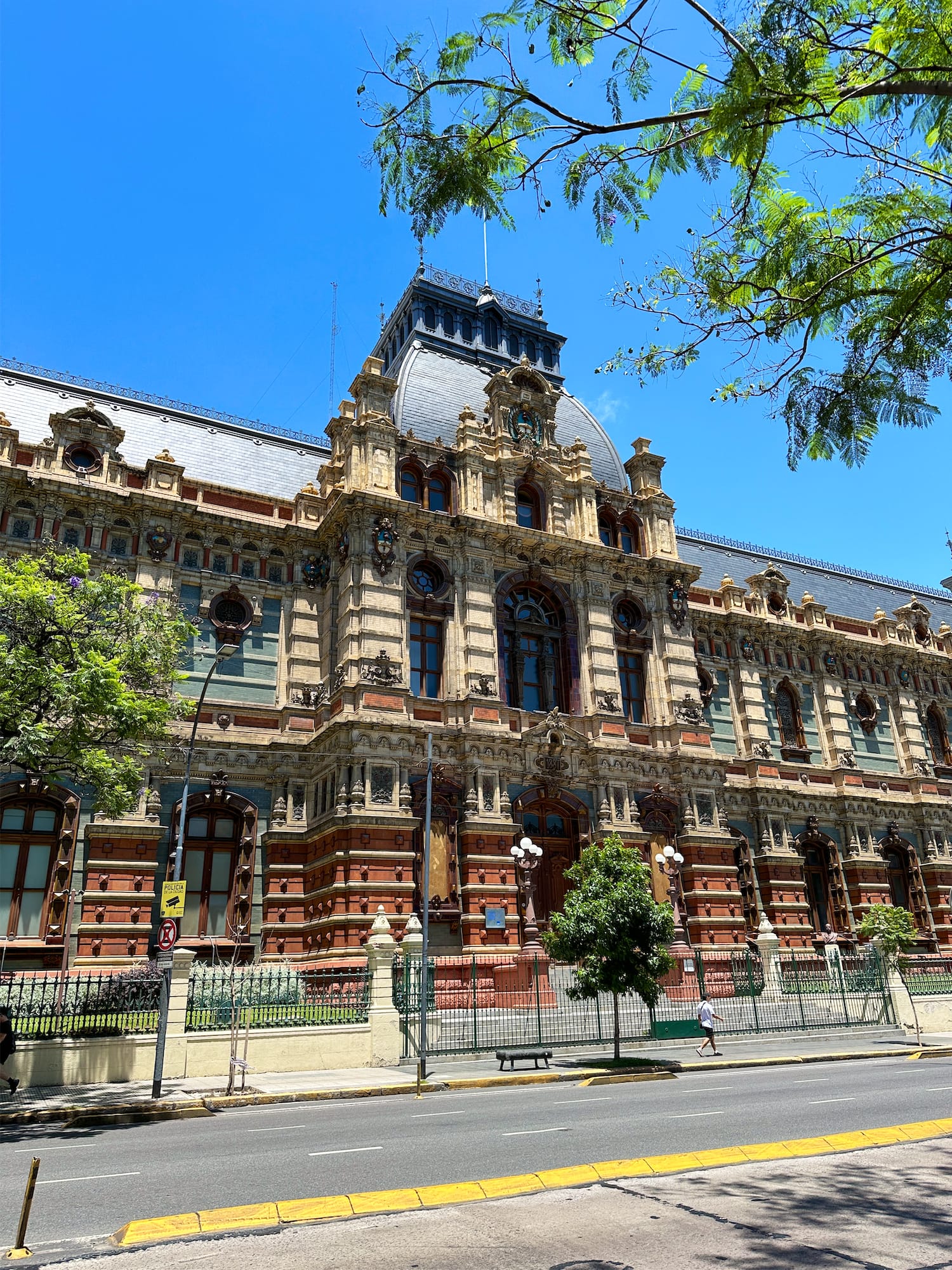
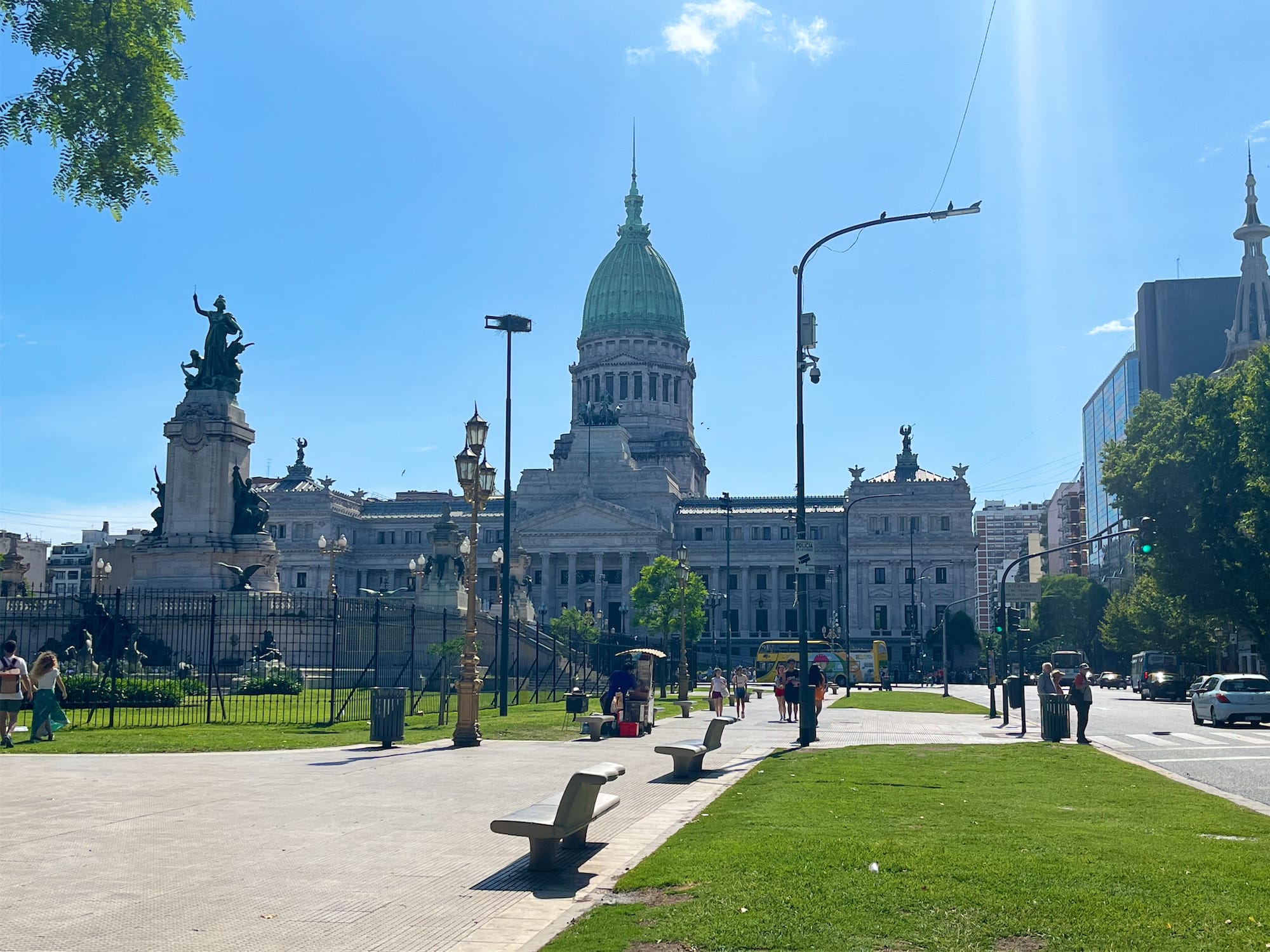
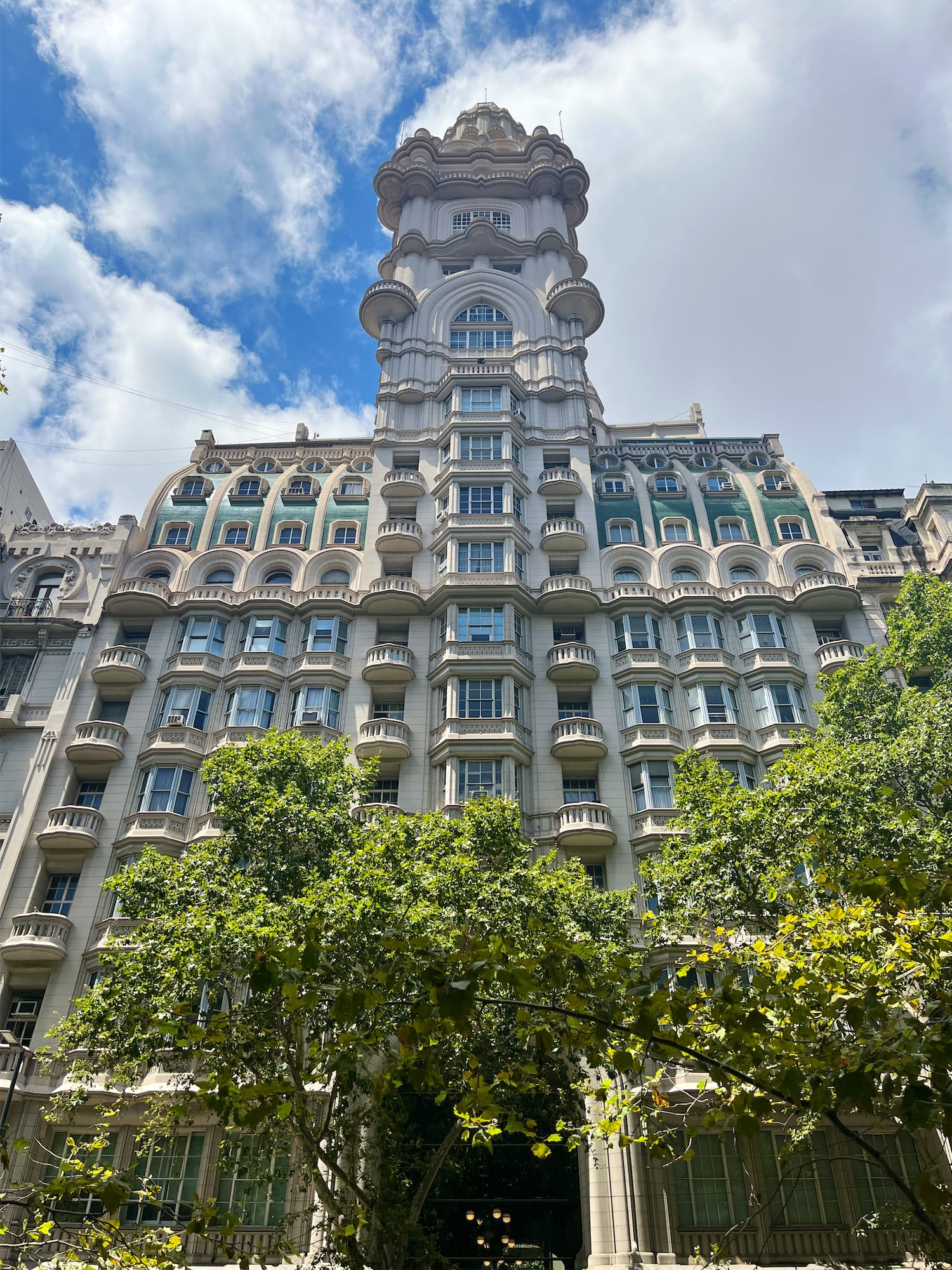
The sunny day invited us to keep walking, so we continued on to admire the impressive building of the Museo del Agua y de la Historia Sanitaria, then moved on towards the Plaza del Congreso and finally to see the unusual Palacio Barolo.
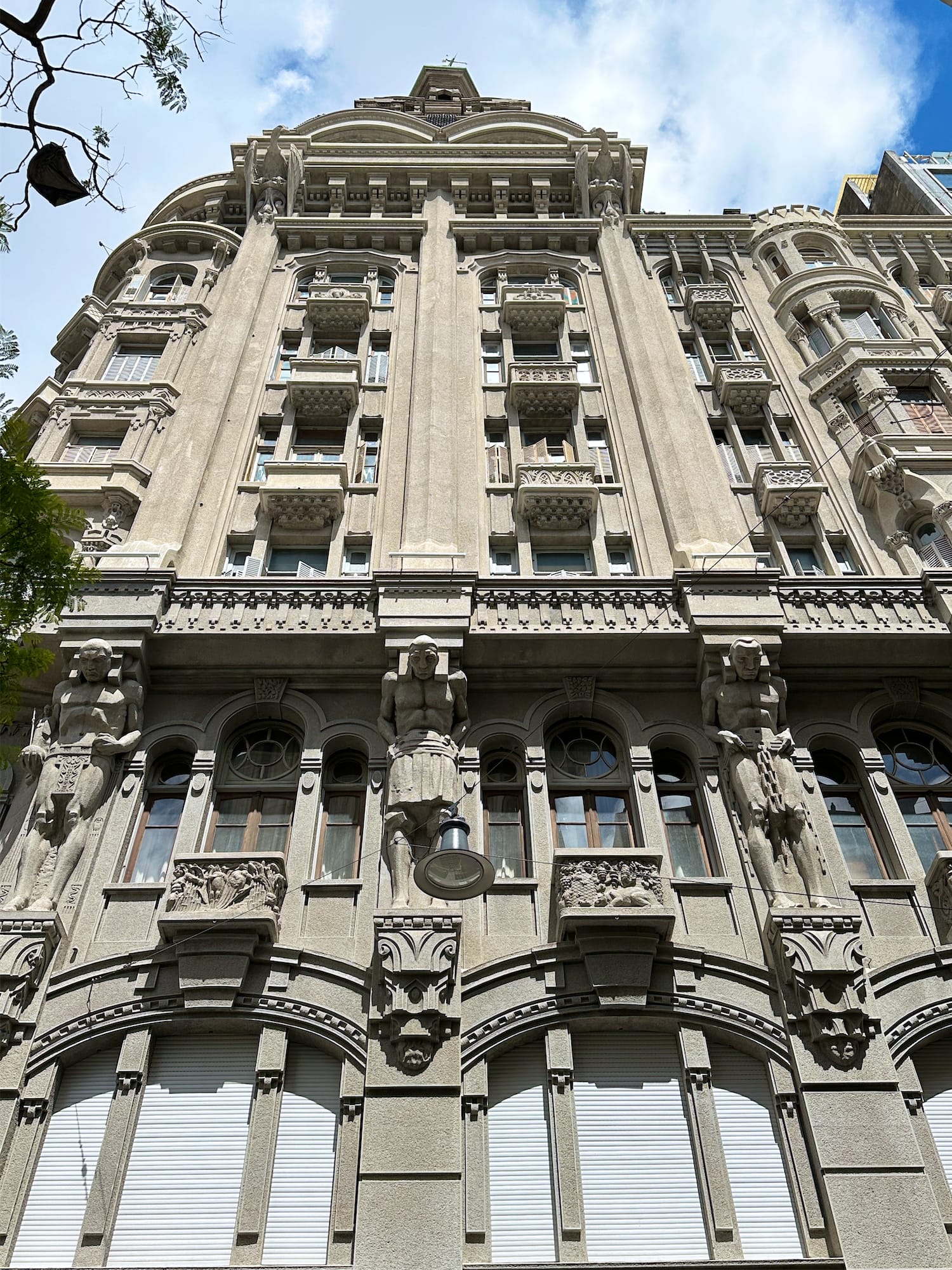
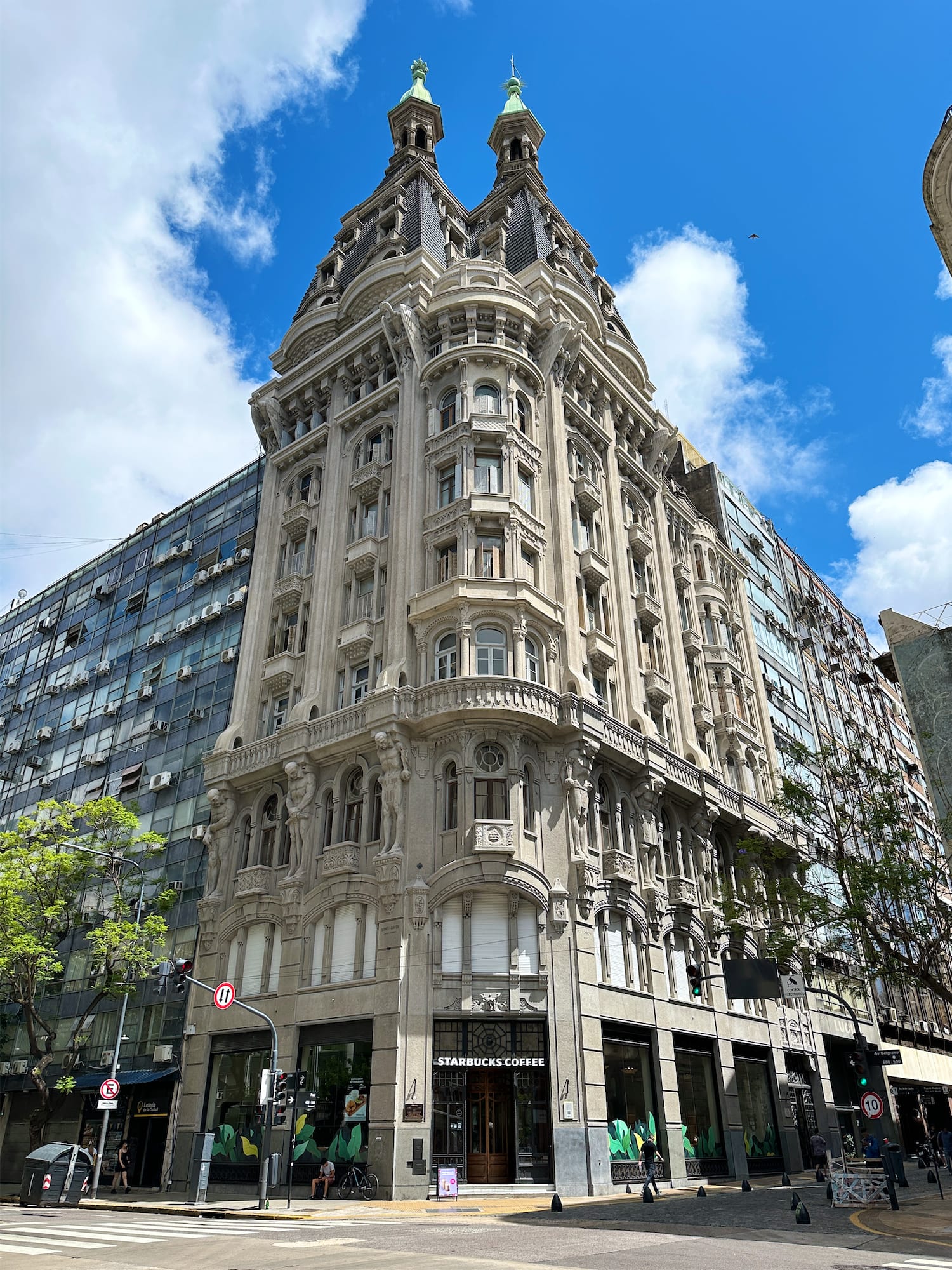
Continue your walk until you reach the Otto Wulff Building (at the intersection of Av. Belgrano and Av. Perú). The building, defined as being in the jugendstil style (the German version of art nouveau), also shows features that recall rationalism and neo-Gothic architecture. The double domes topped with a crown and a sun are a reference to the grandeur of the Austro-Hungarian Empire.
Puerto Madero
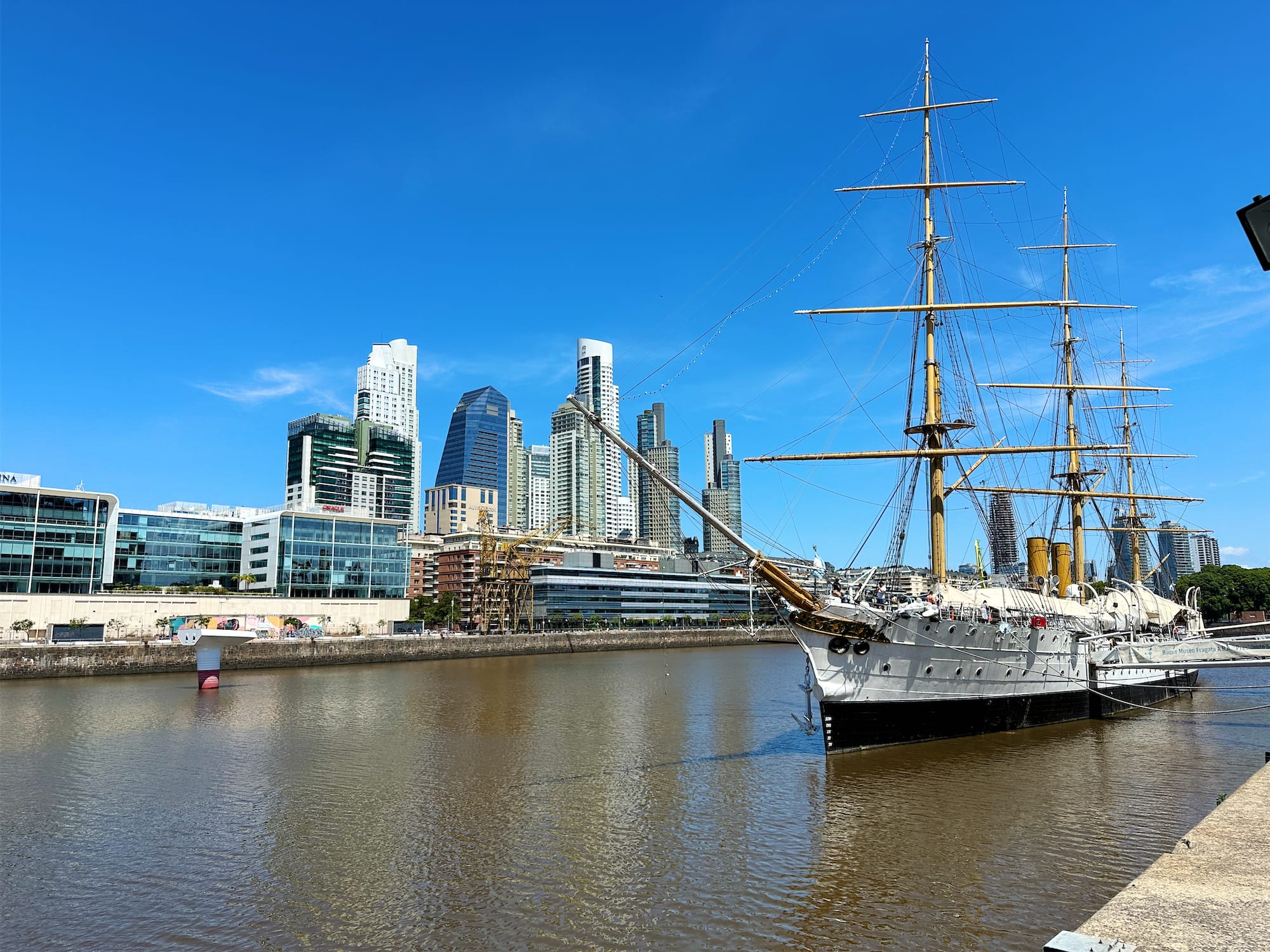
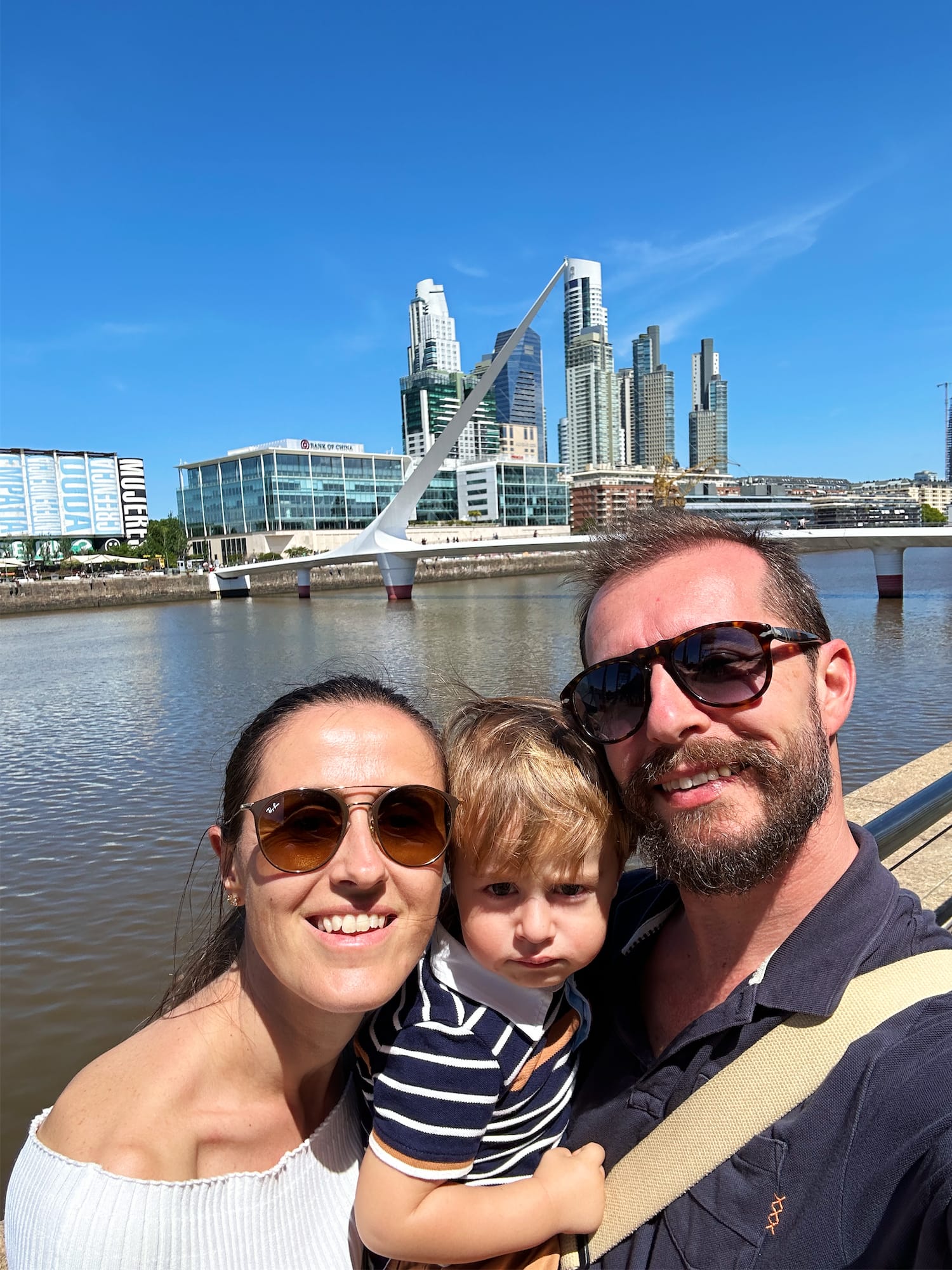
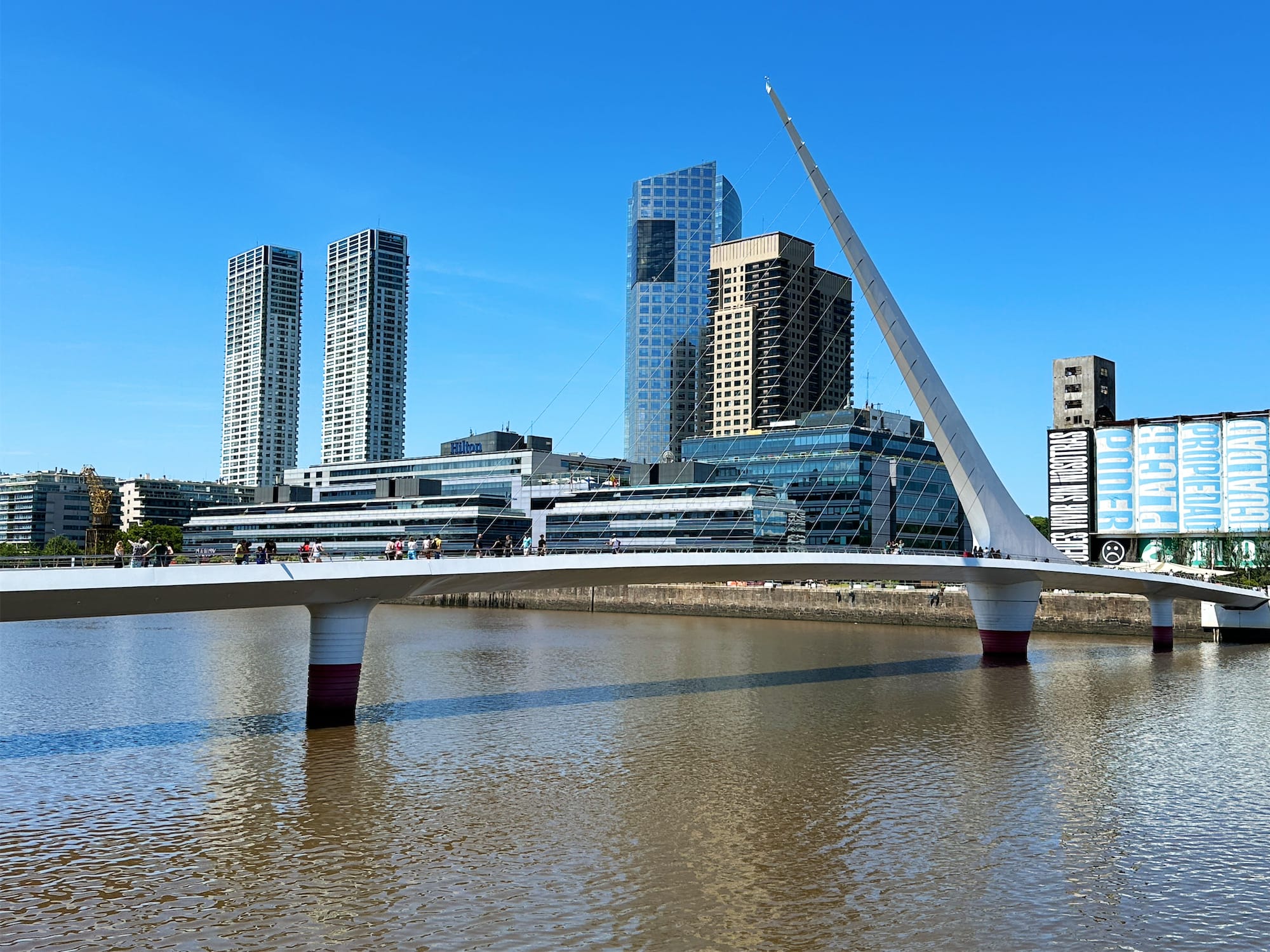
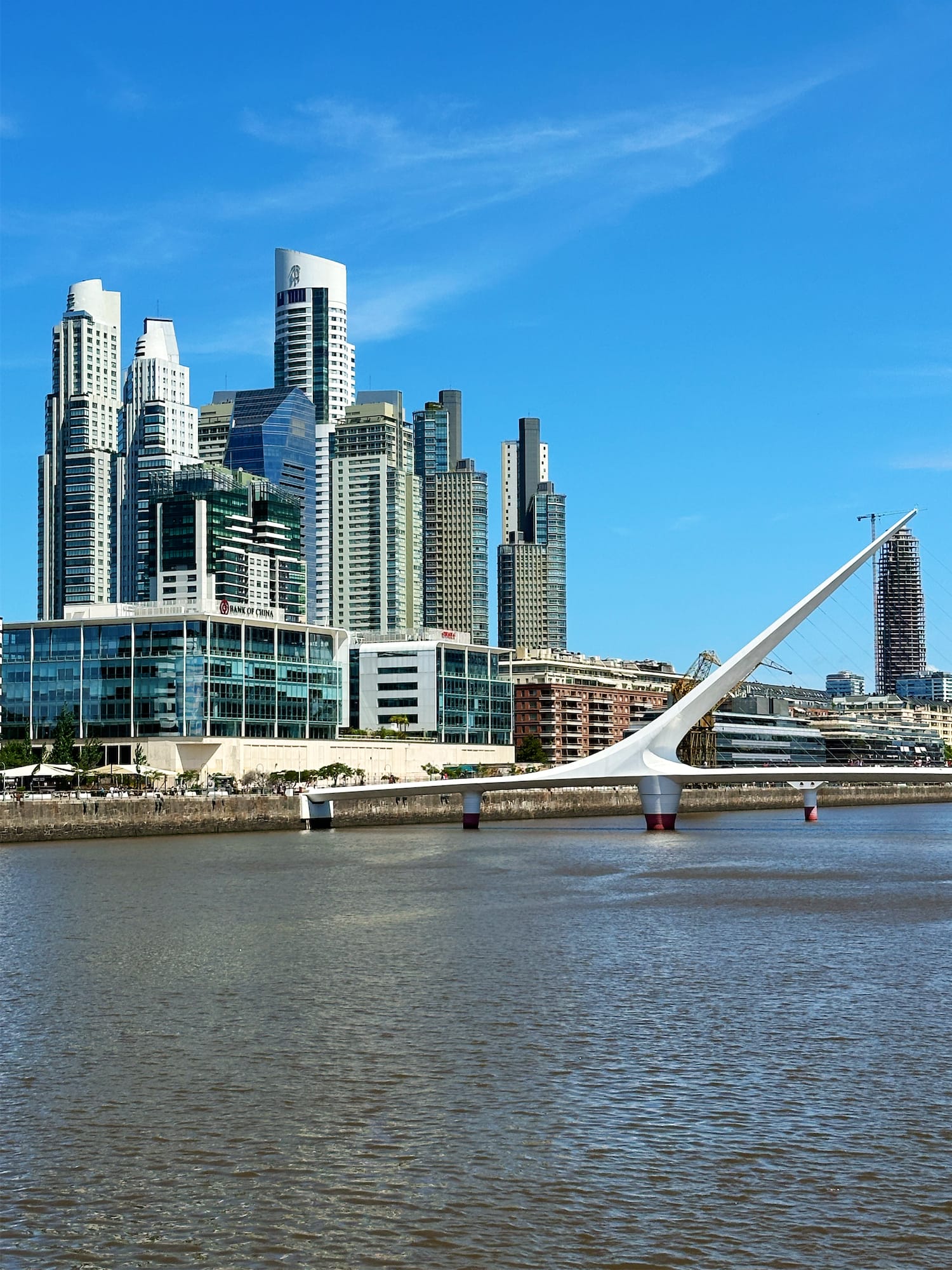
This neighborhood is one of the newest and most elegant, and it is pleasant to walk here at any time of day. The most distinctive element is undoubtedly the Puente de la Mujer, designed by the architect Calatrava, which recalls the shape of the slender heel of a woman’s shoe.

San Telmo
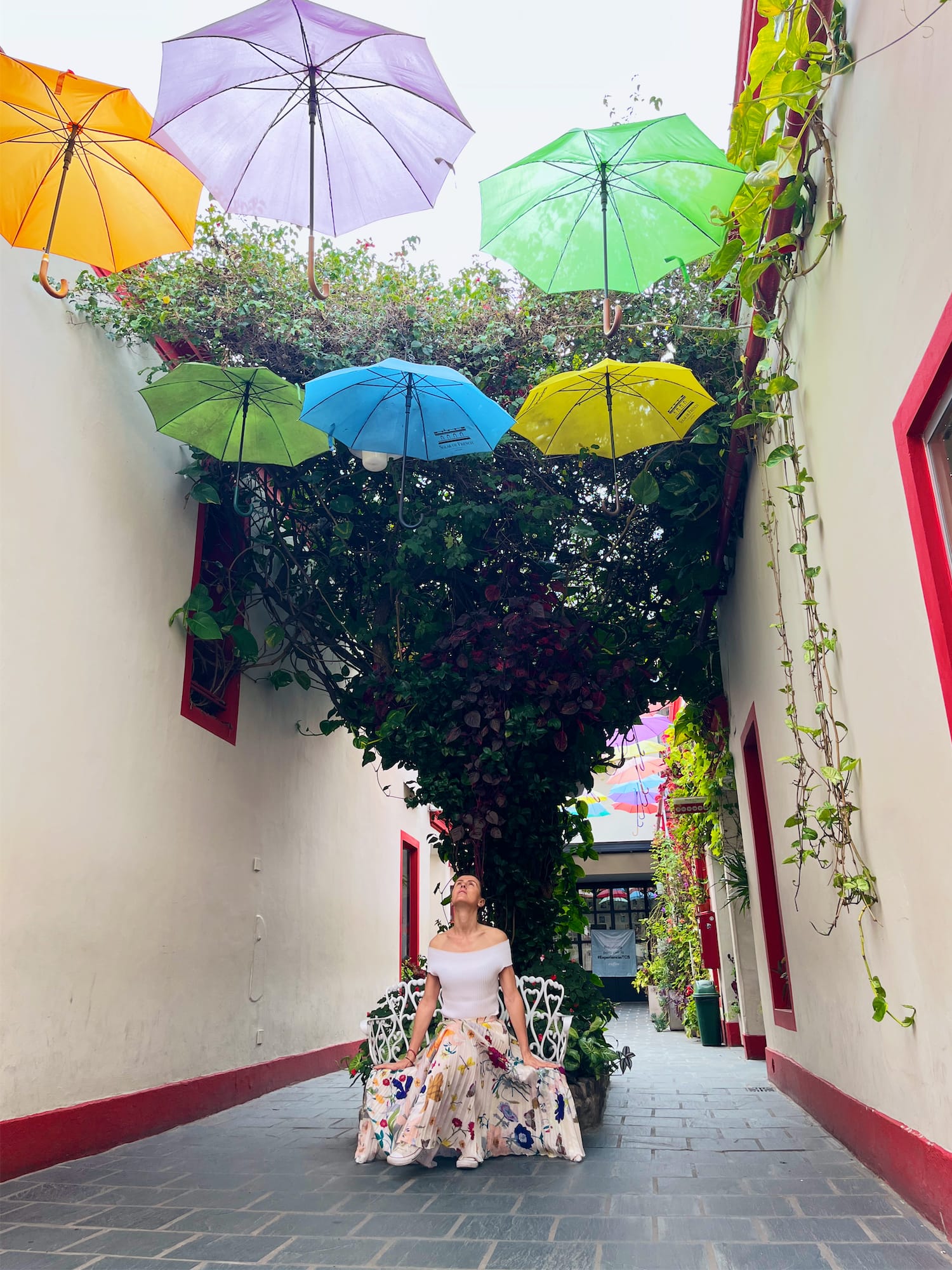
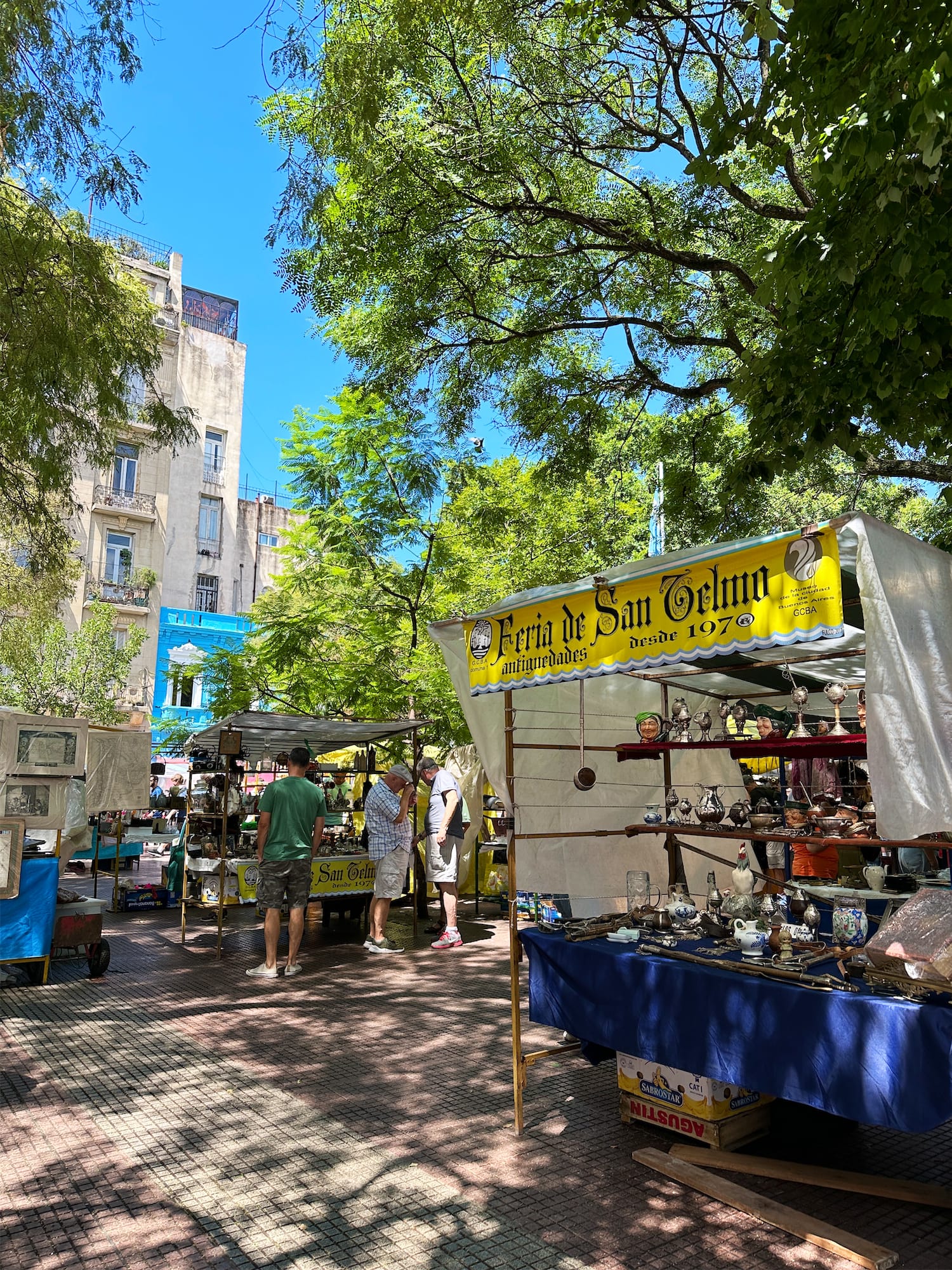
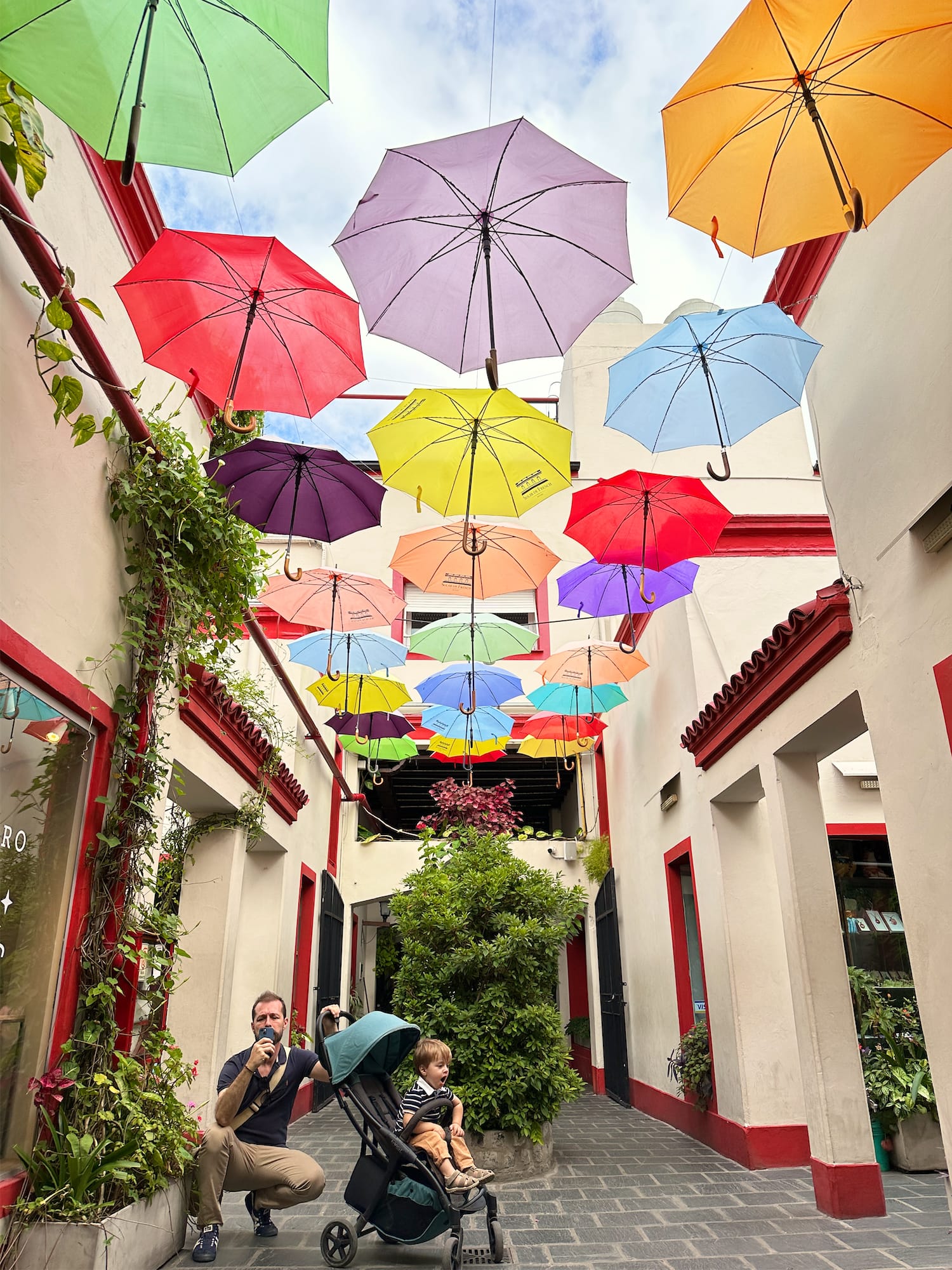
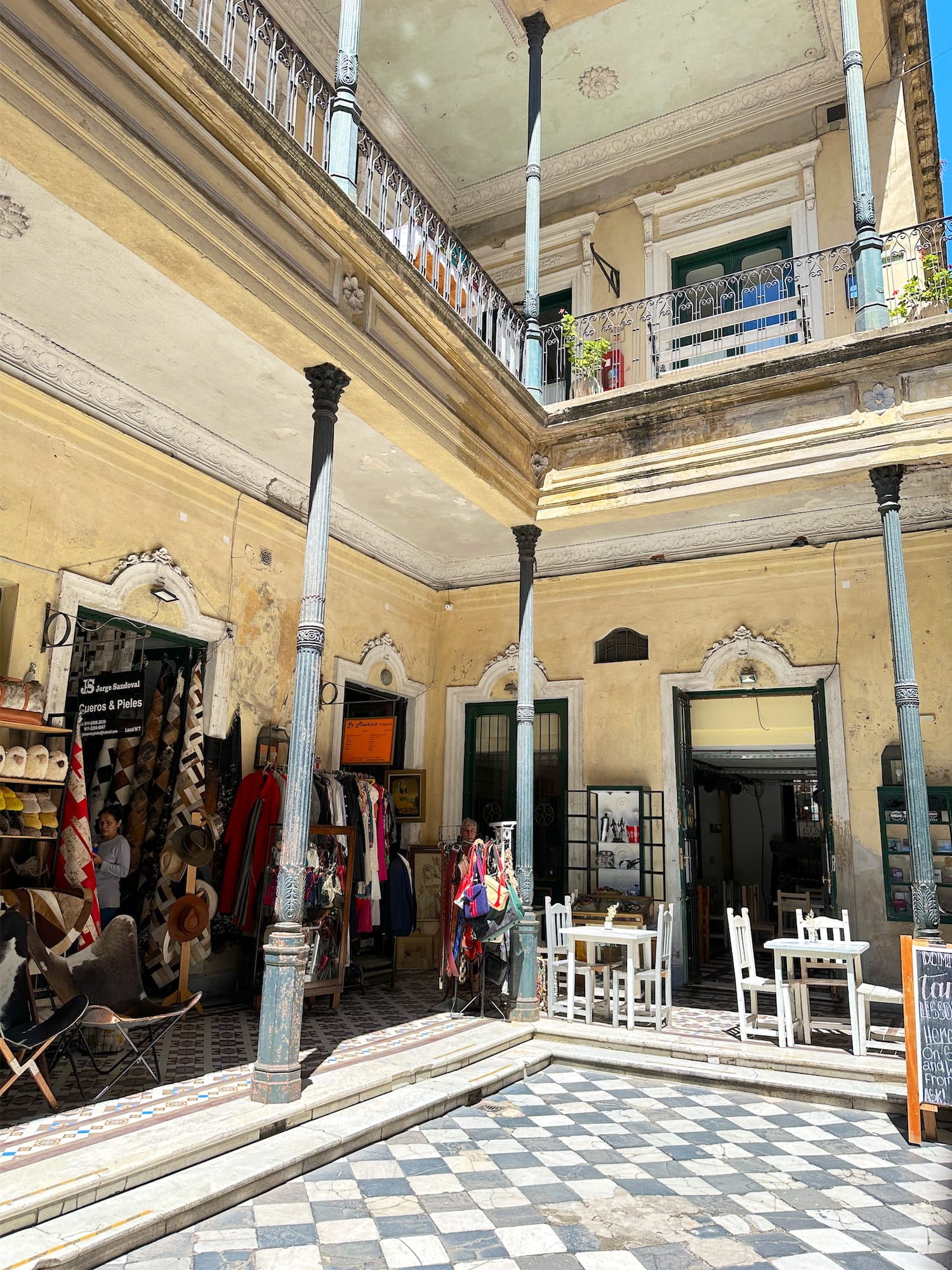
One of the times when this neighborhood truly gives its best is on Sundays, when it comes alive with the feria, the weekly antiques market. The streets of the neighborhood and Plaza Dorrego fill with color, music and many people browsing among the various stalls. If you want to do some shopping, also take advantage of the Pasaje de la Defensa, an 1880 residence with an elegant courtyard lined with unusual little shops. Alternatively, the refined Galería Solar de French also offers special views and alternative stores
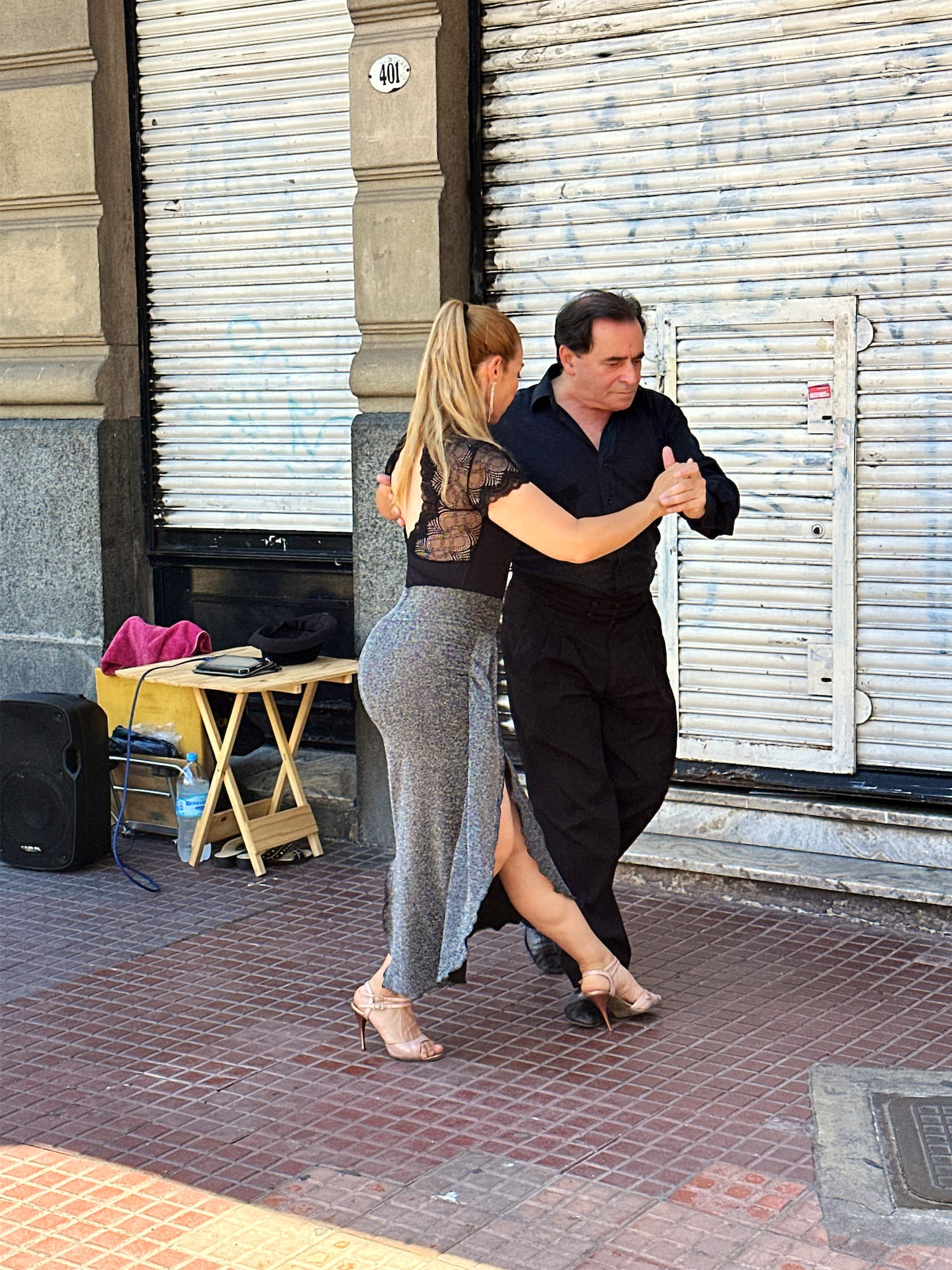
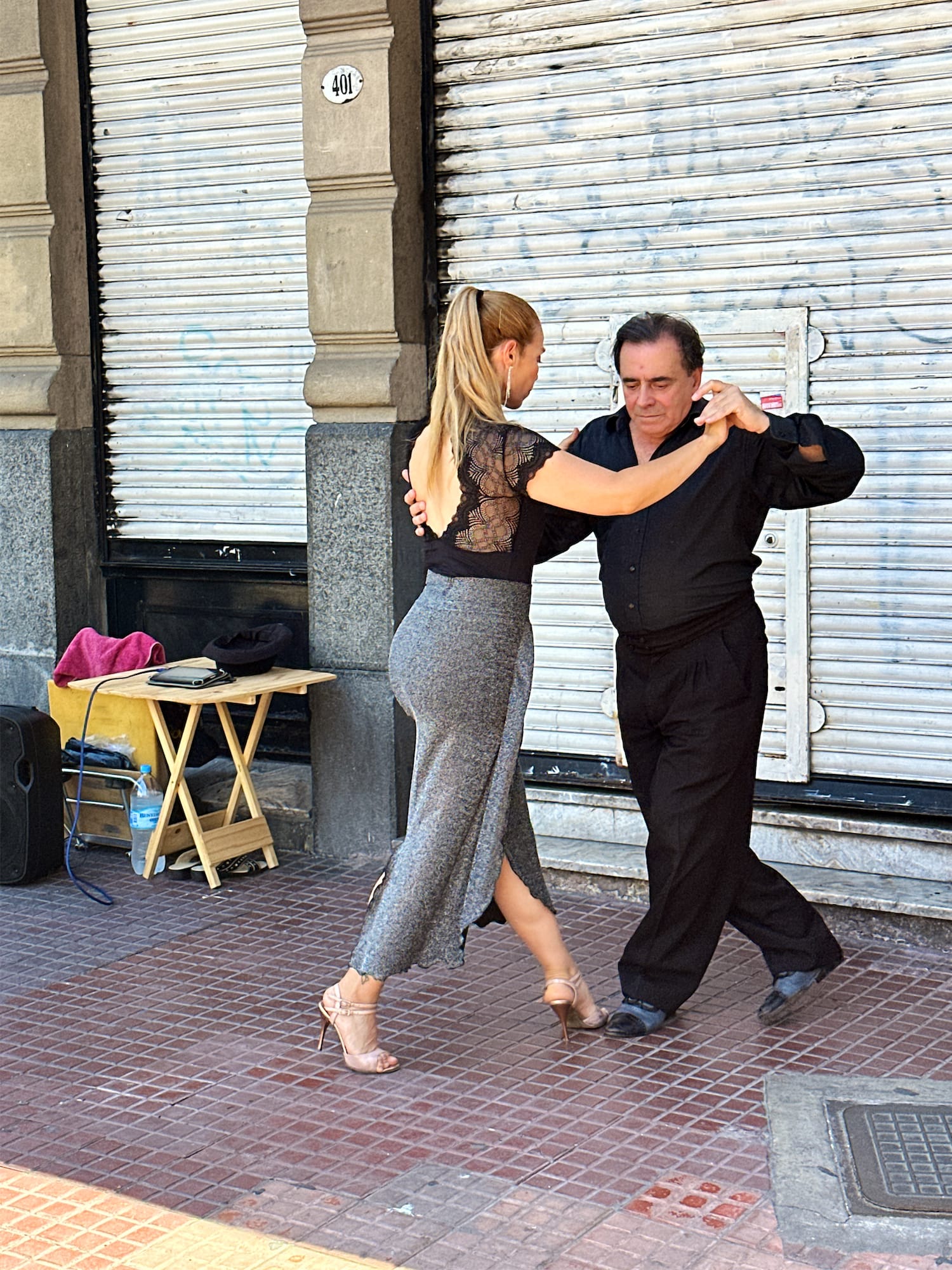
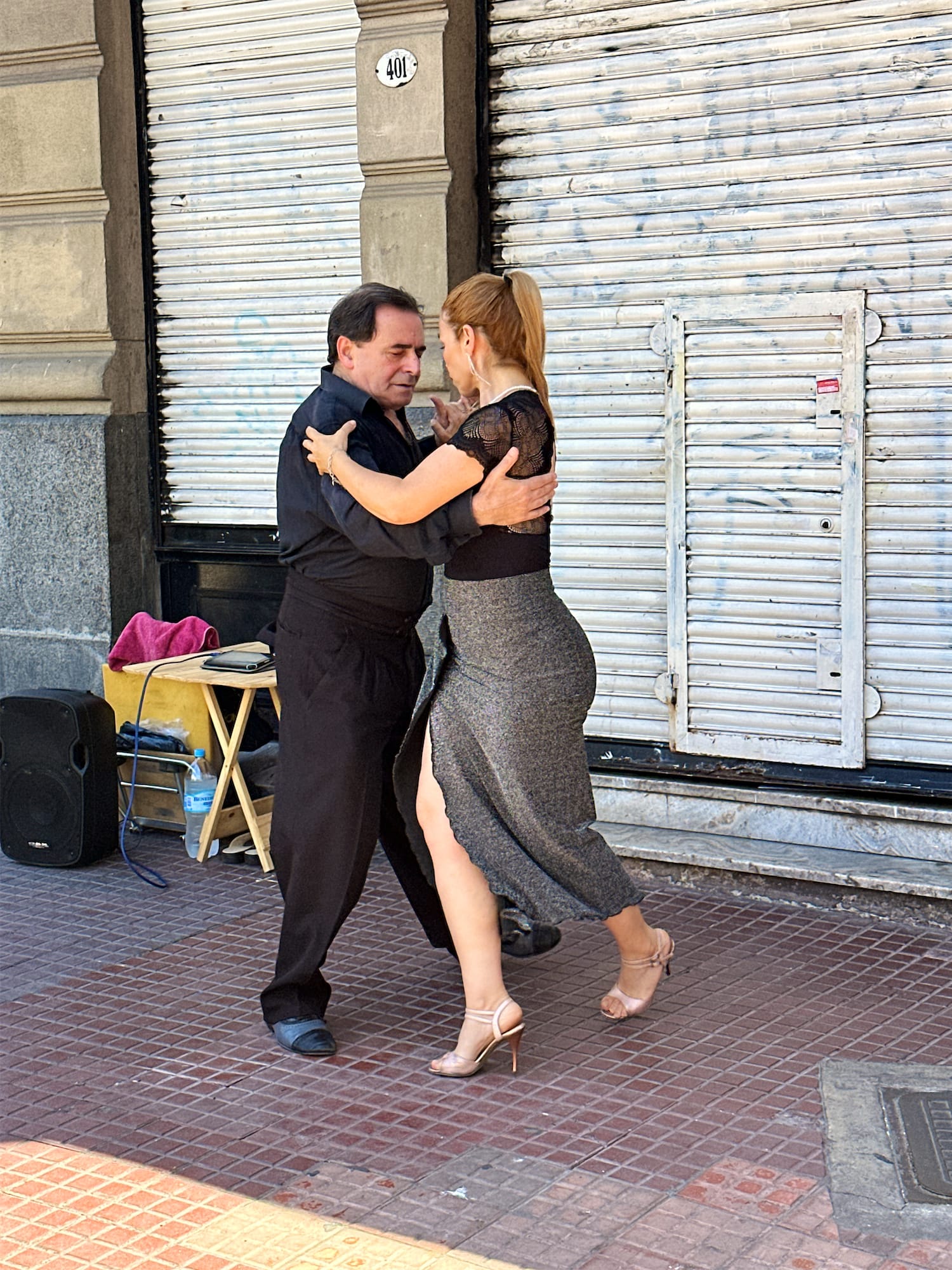
Walking through the surrounding streets, it will not be hard to come across a couple of tango dancers putting on a show for passersby. For dance lovers, there are plenty of schools offering lessons and dance evenings.
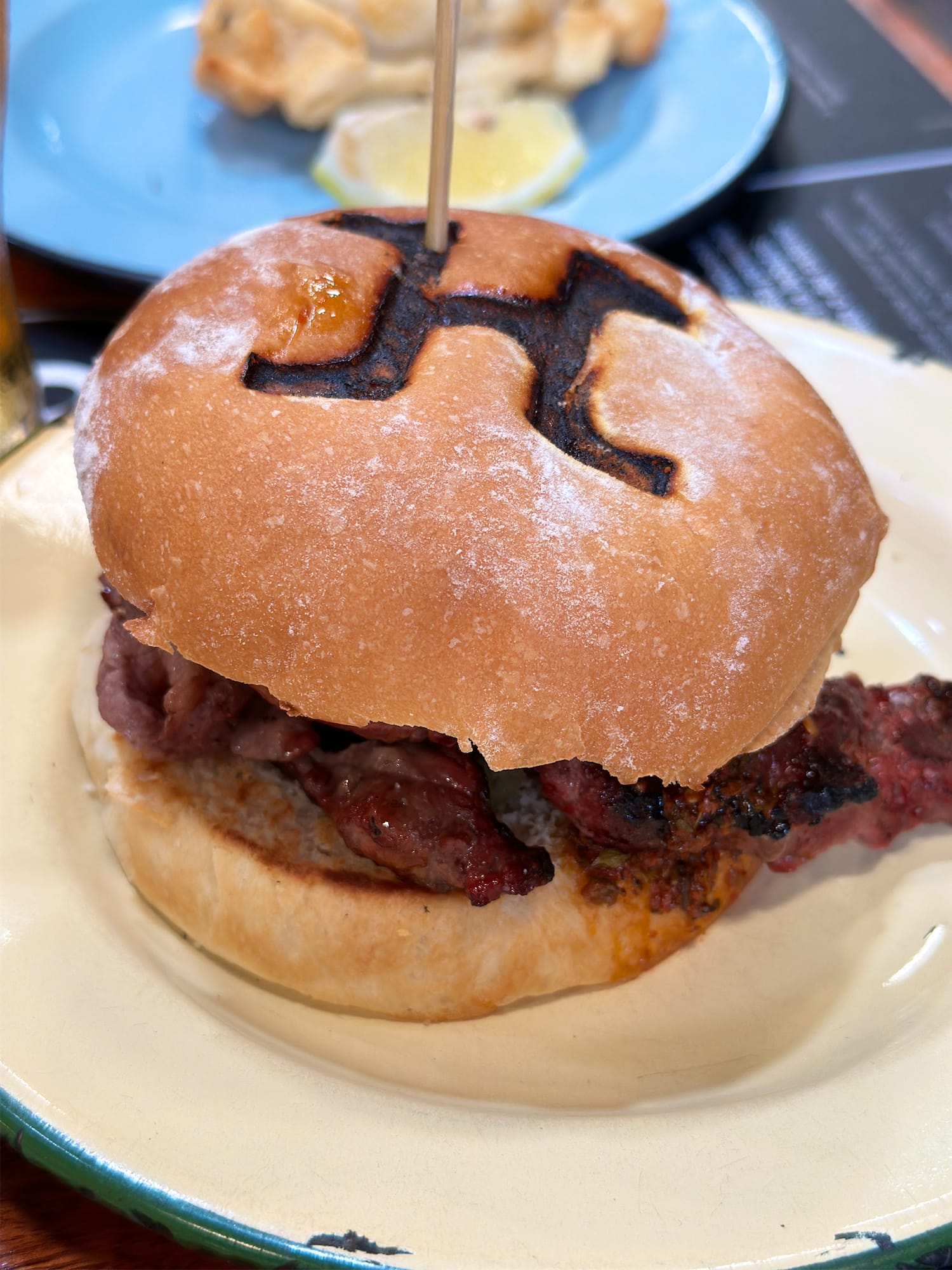
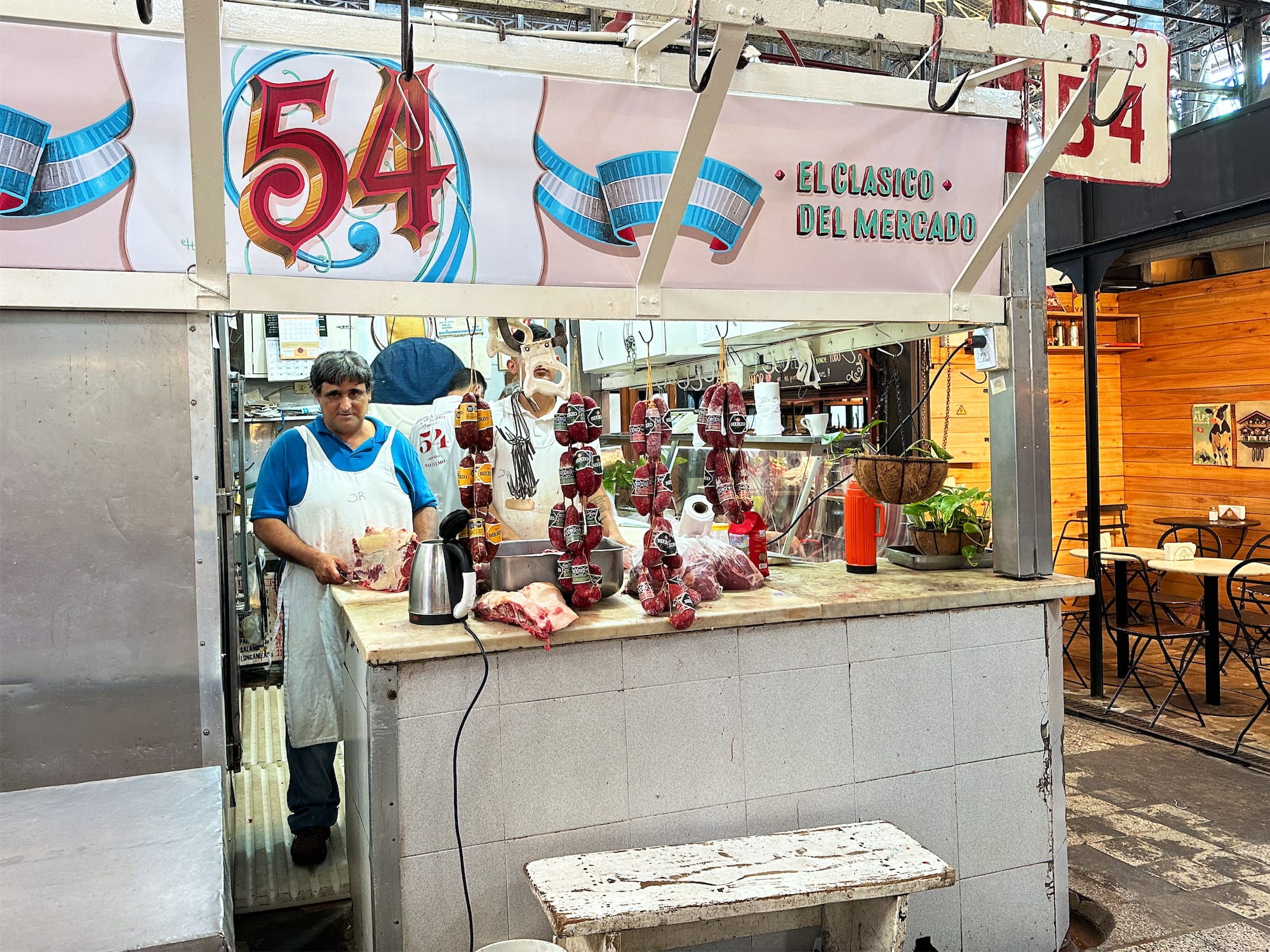
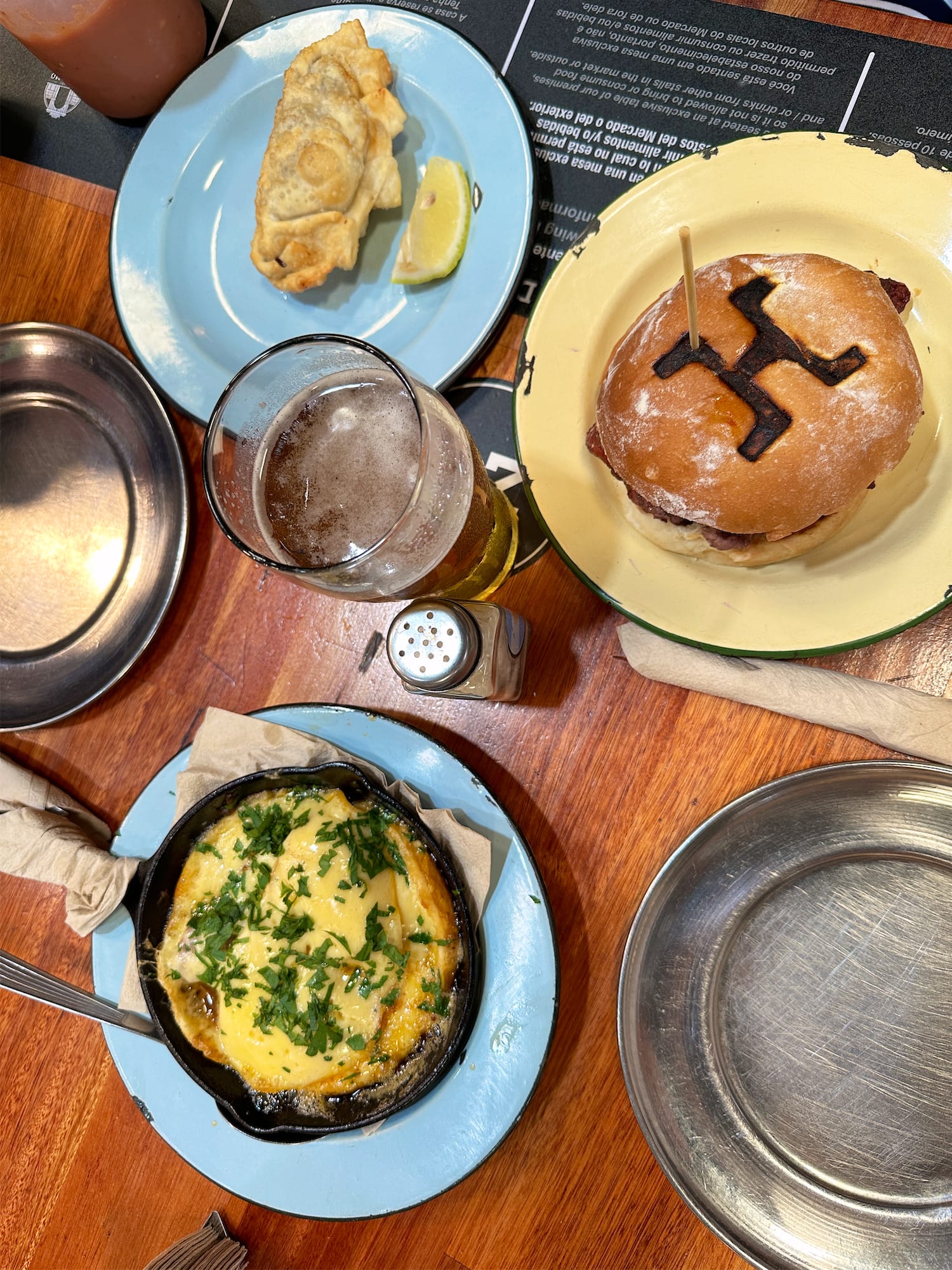
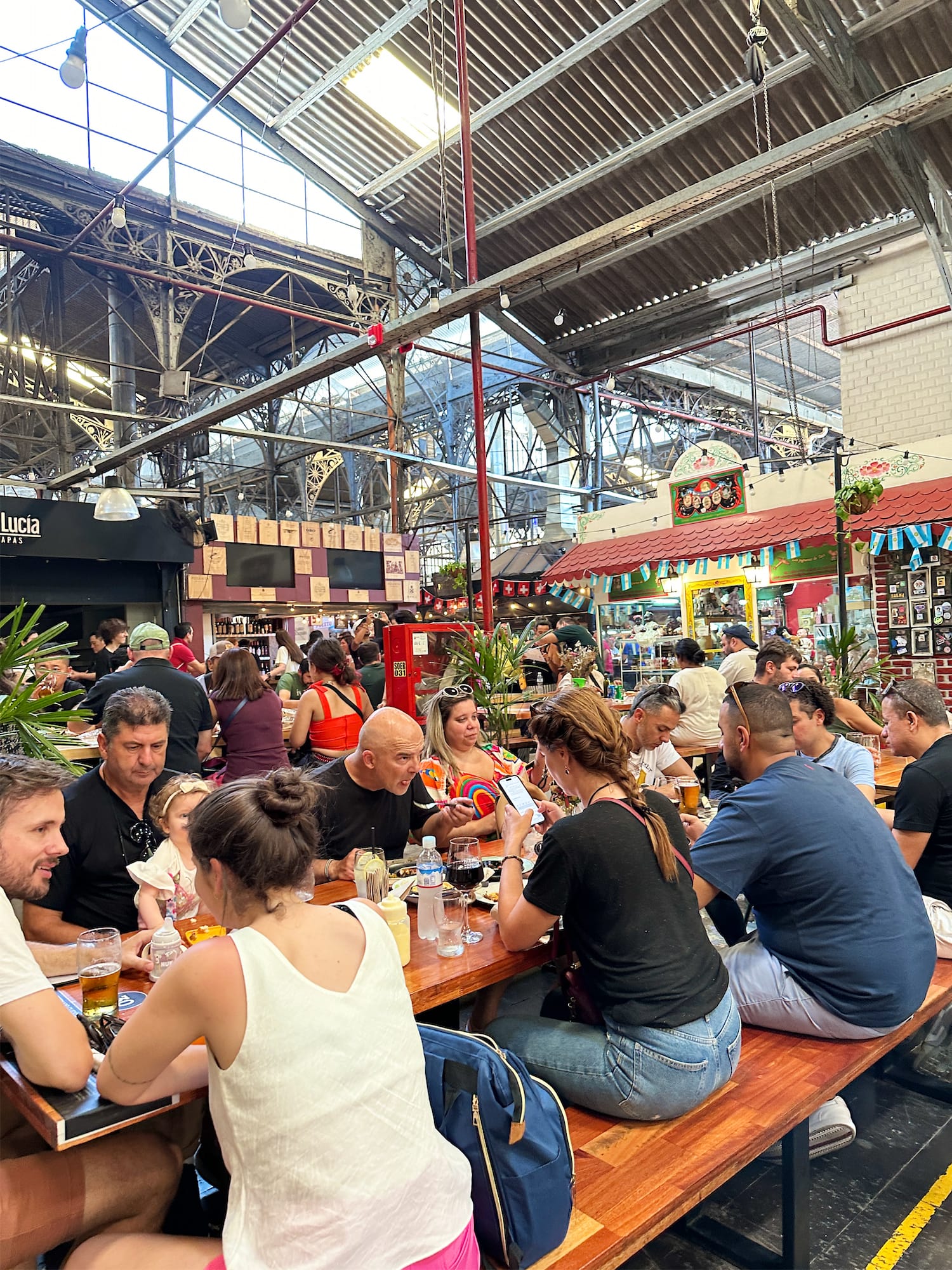
For a tasty snack, stop by the covered market. A collection of tasty restaurants and bars serving local dishes in a cheerful, informal setting. We chose Hierro Parilla, where we enjoyed a delicious super burger and provoletas (baked provolone cheese with caramelized onion).

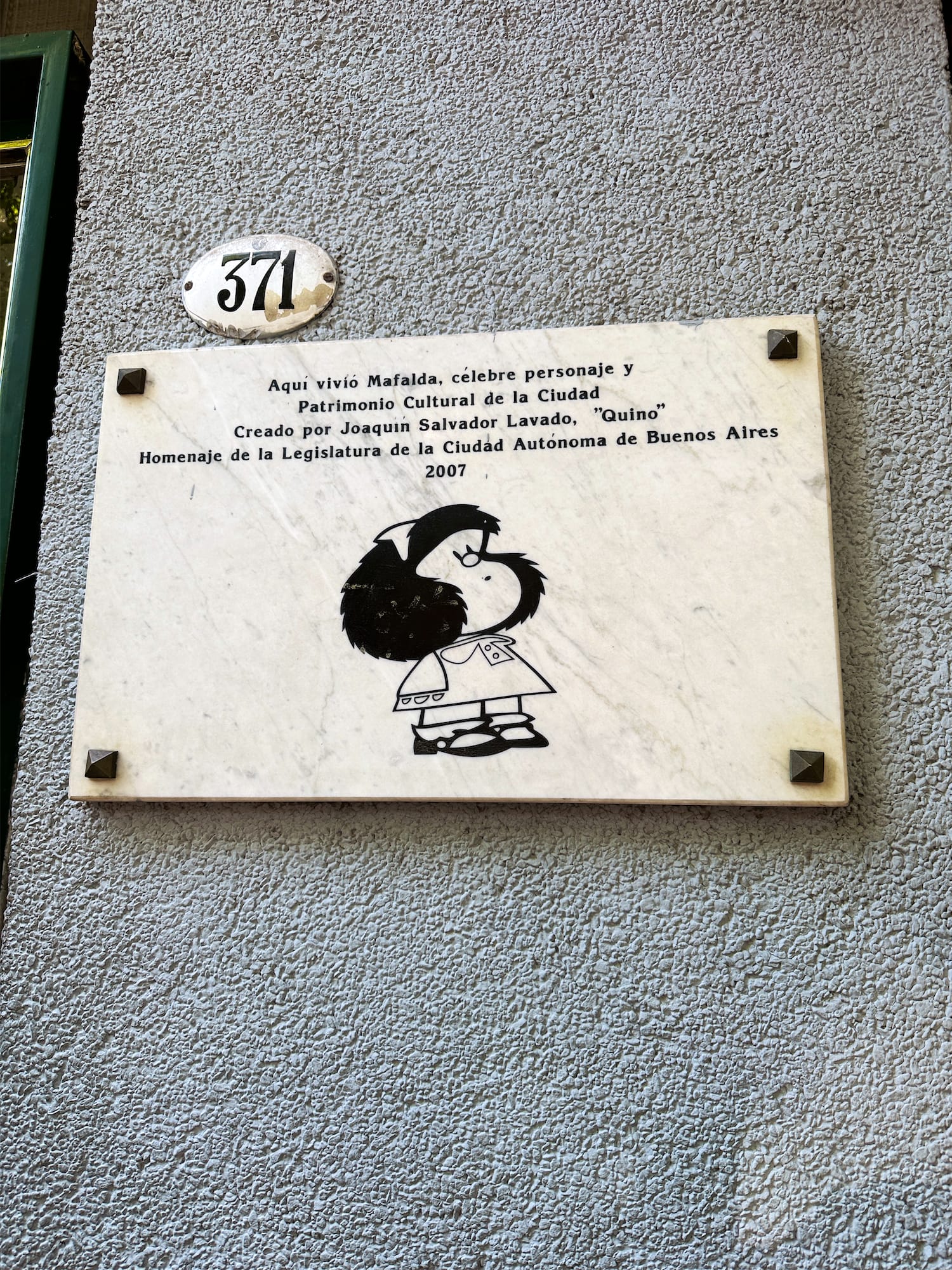
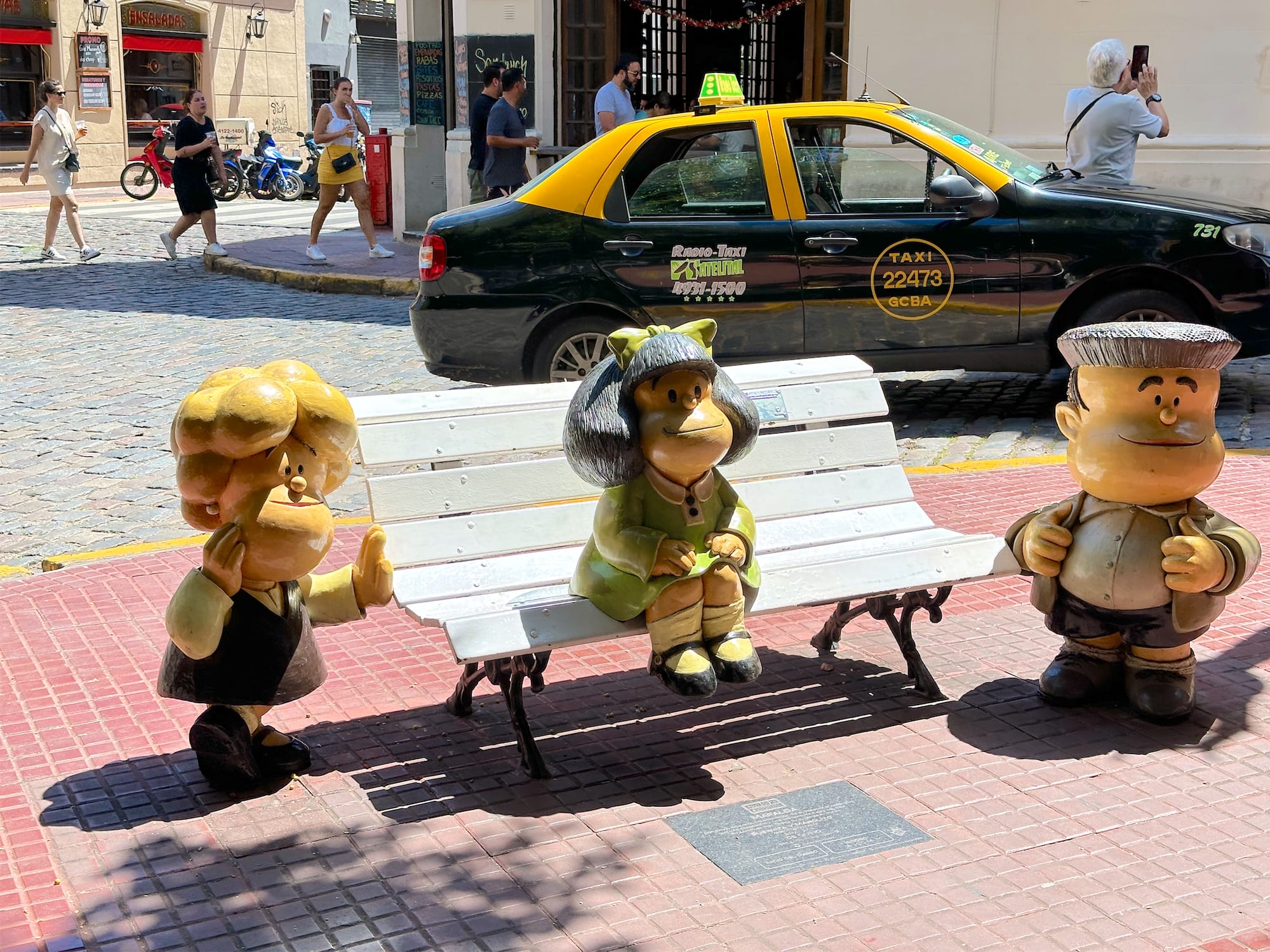
A short distance away, sitting on a bench, there is a statue of Mafalda, the comic strip character created by Quino, an Argentine artist from the 1960s.
Recoleta
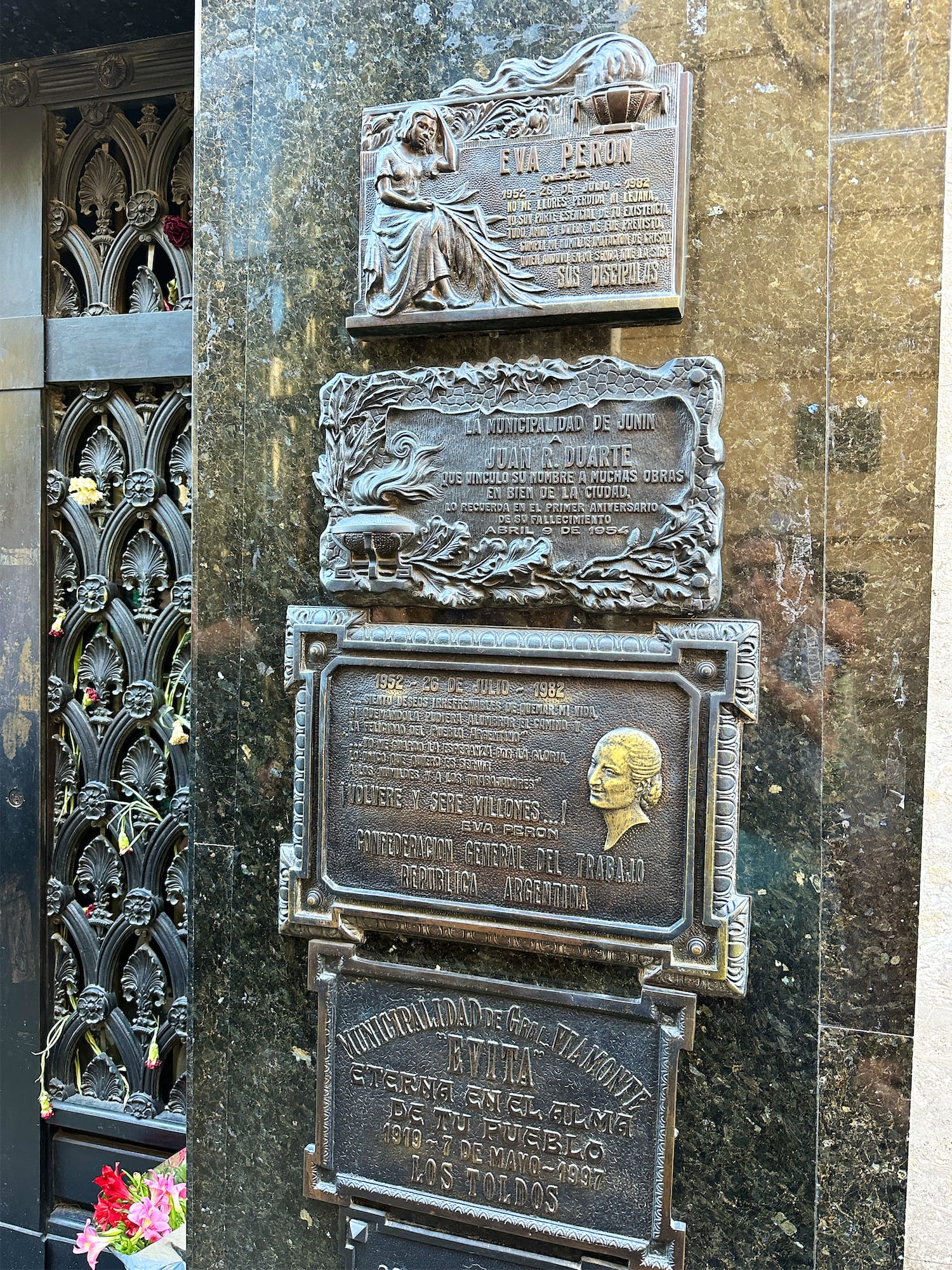
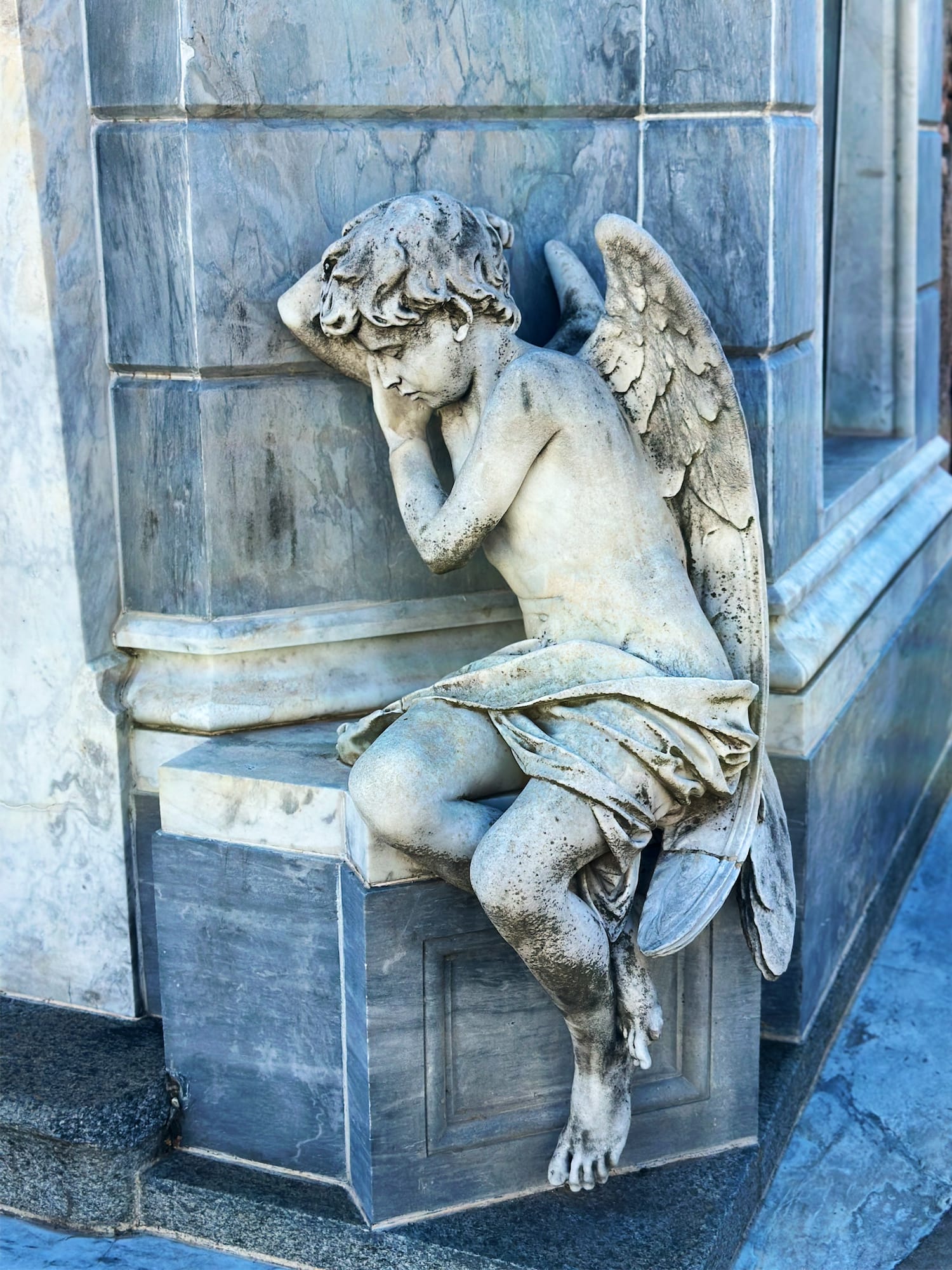
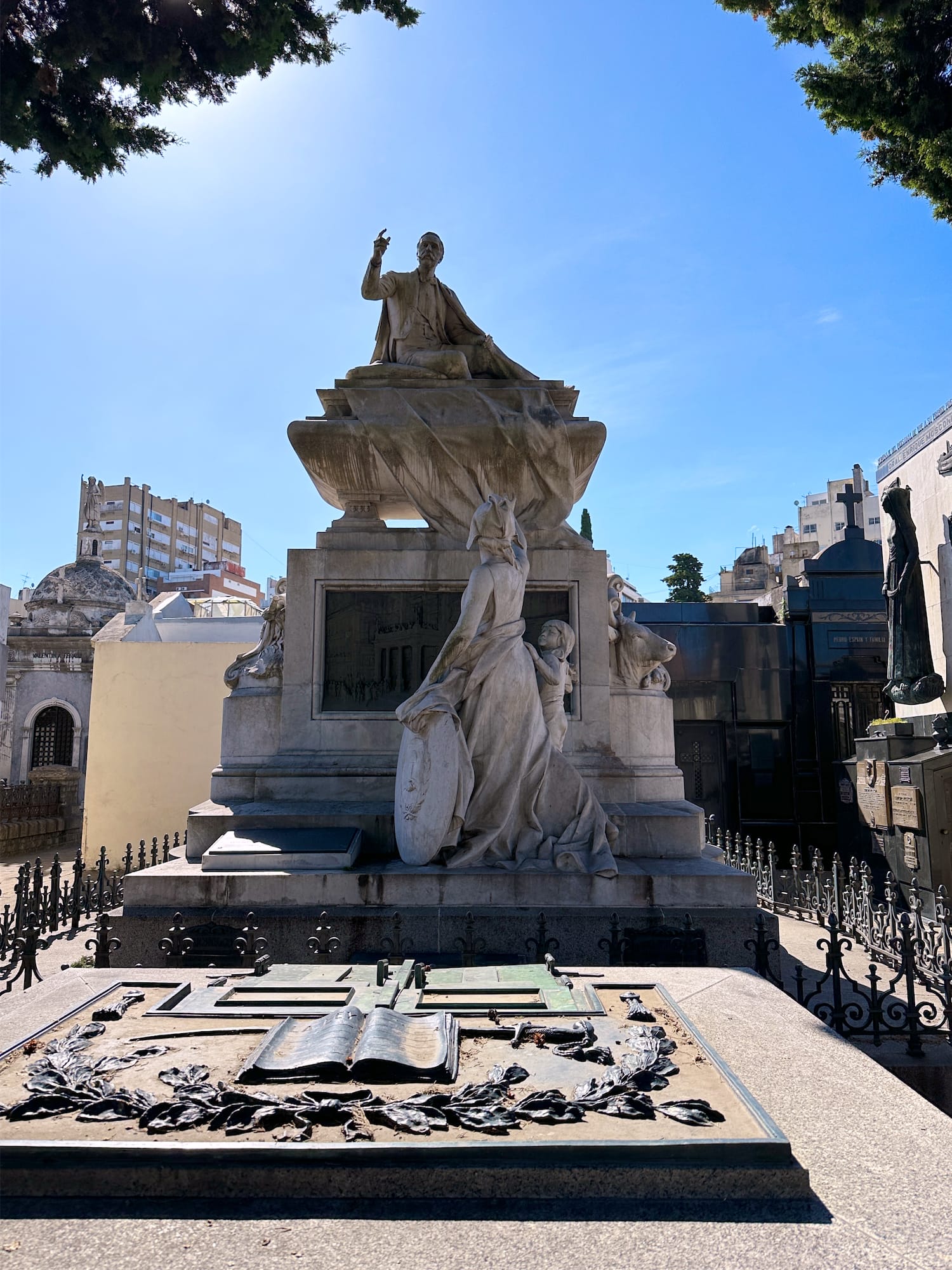
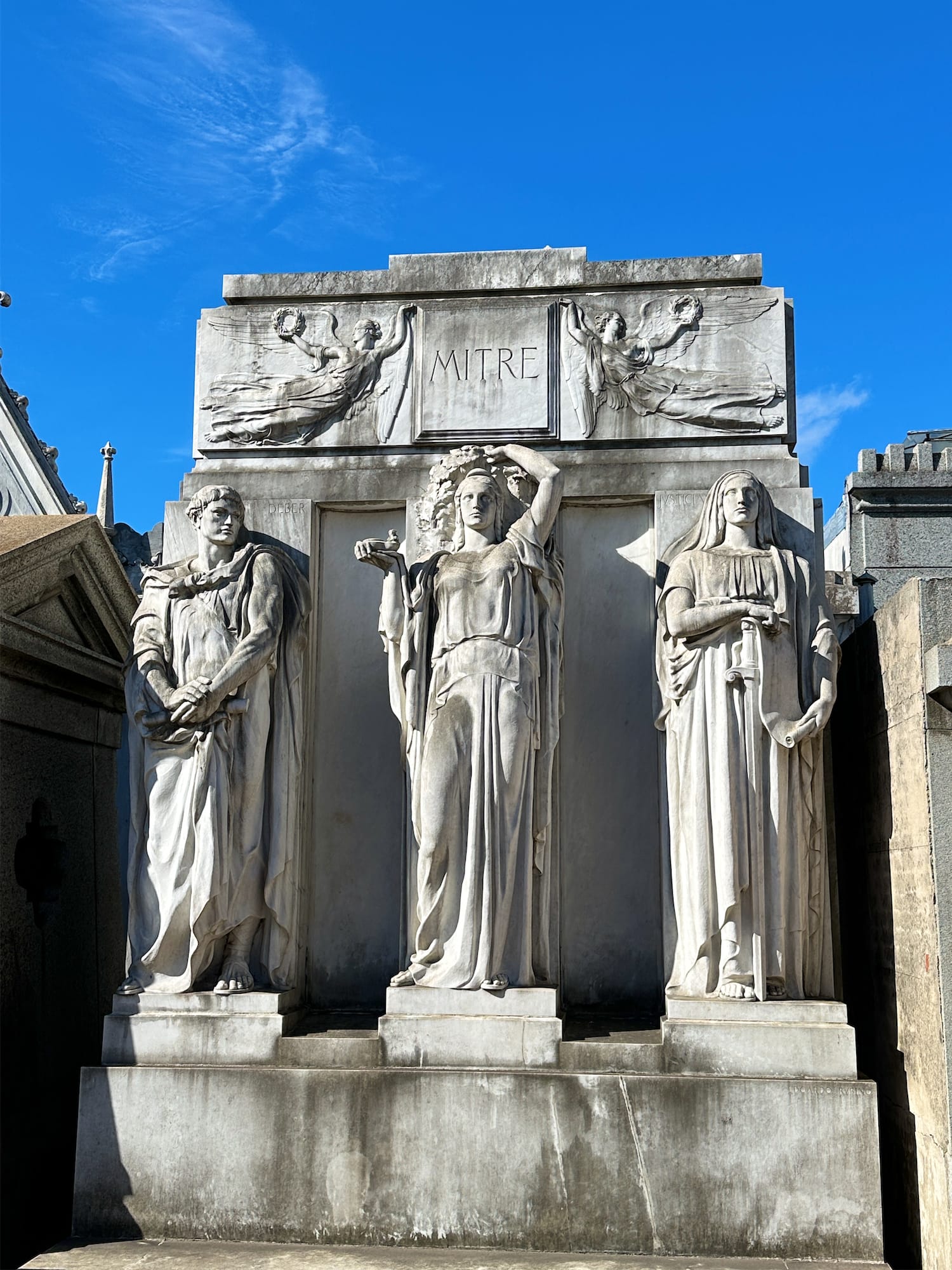
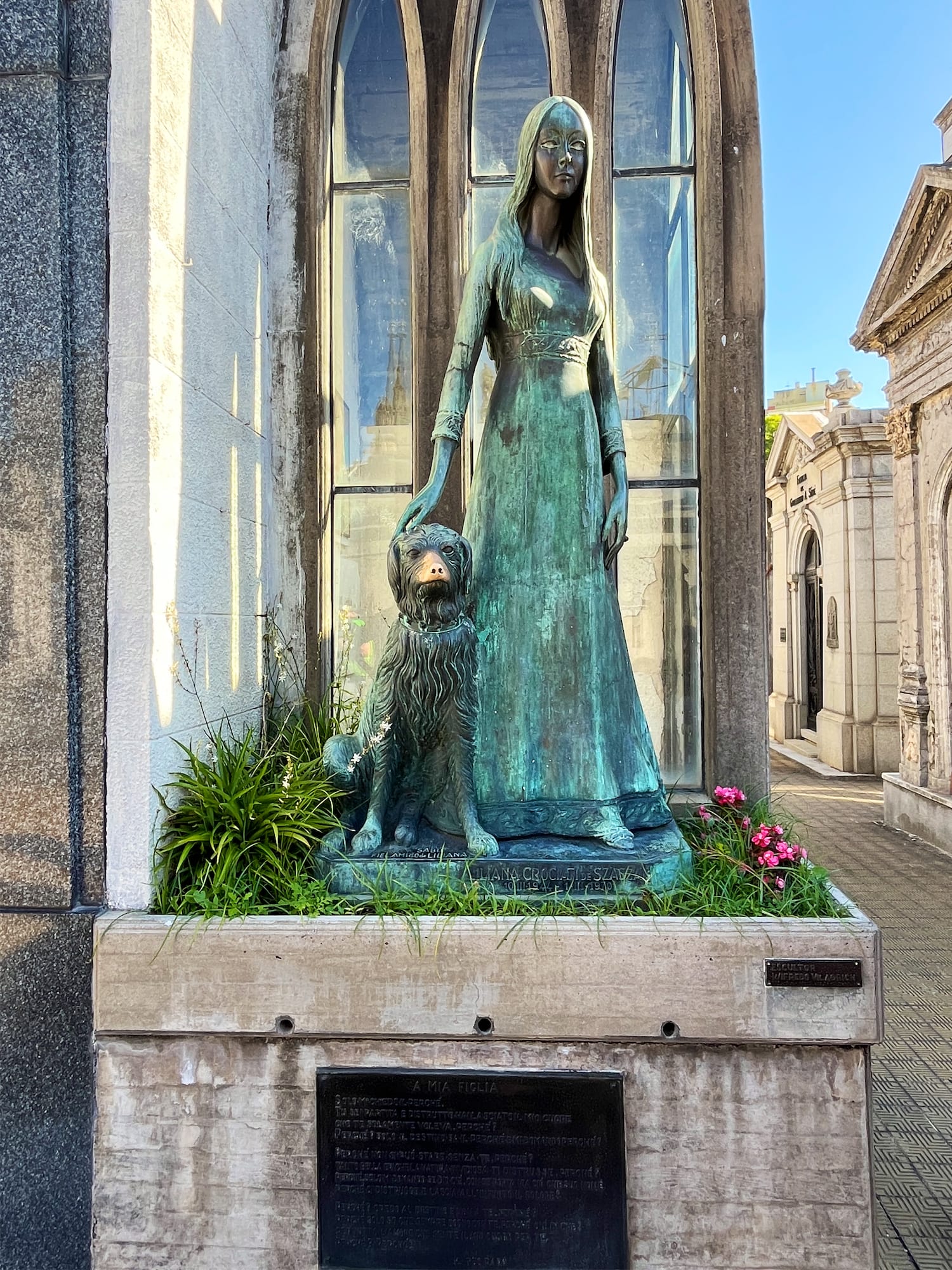
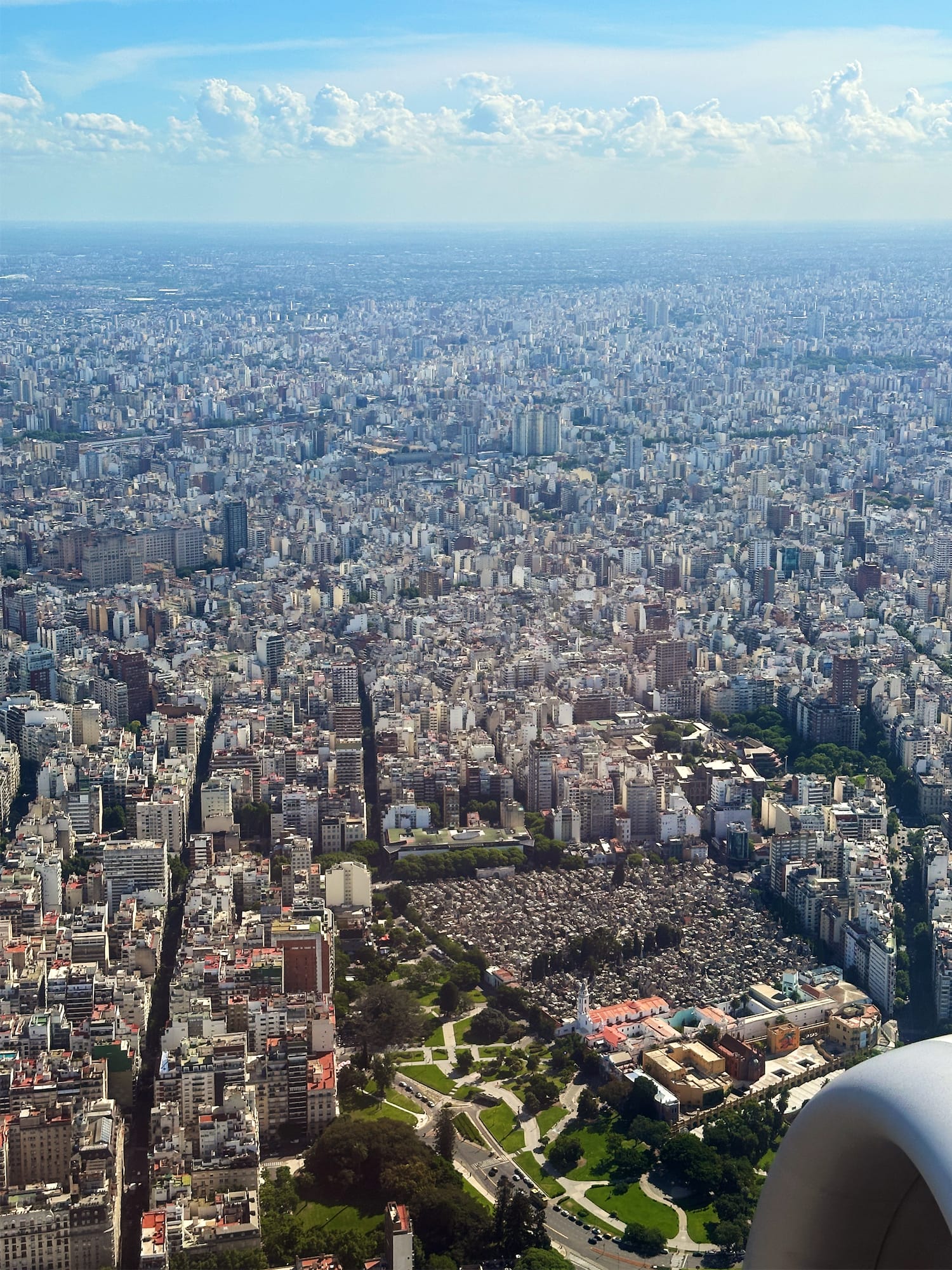
One of the main reasons why this neighborhood is so well known is the Cementerio de la Recoleta. It may seem odd to recommend a cemetery, but this one is definitely out of the ordinary. Here rest many people who made a difference in the second half of the last century, among richly decorated mausoleums, headstones and angel statues. At the entrance you will be given a map so you can find the graves you are most curious to see. Among the many names on the list, you definitely cannot miss the grave where the remains of Evita Peron are laid to rest, very simple and with few frills.
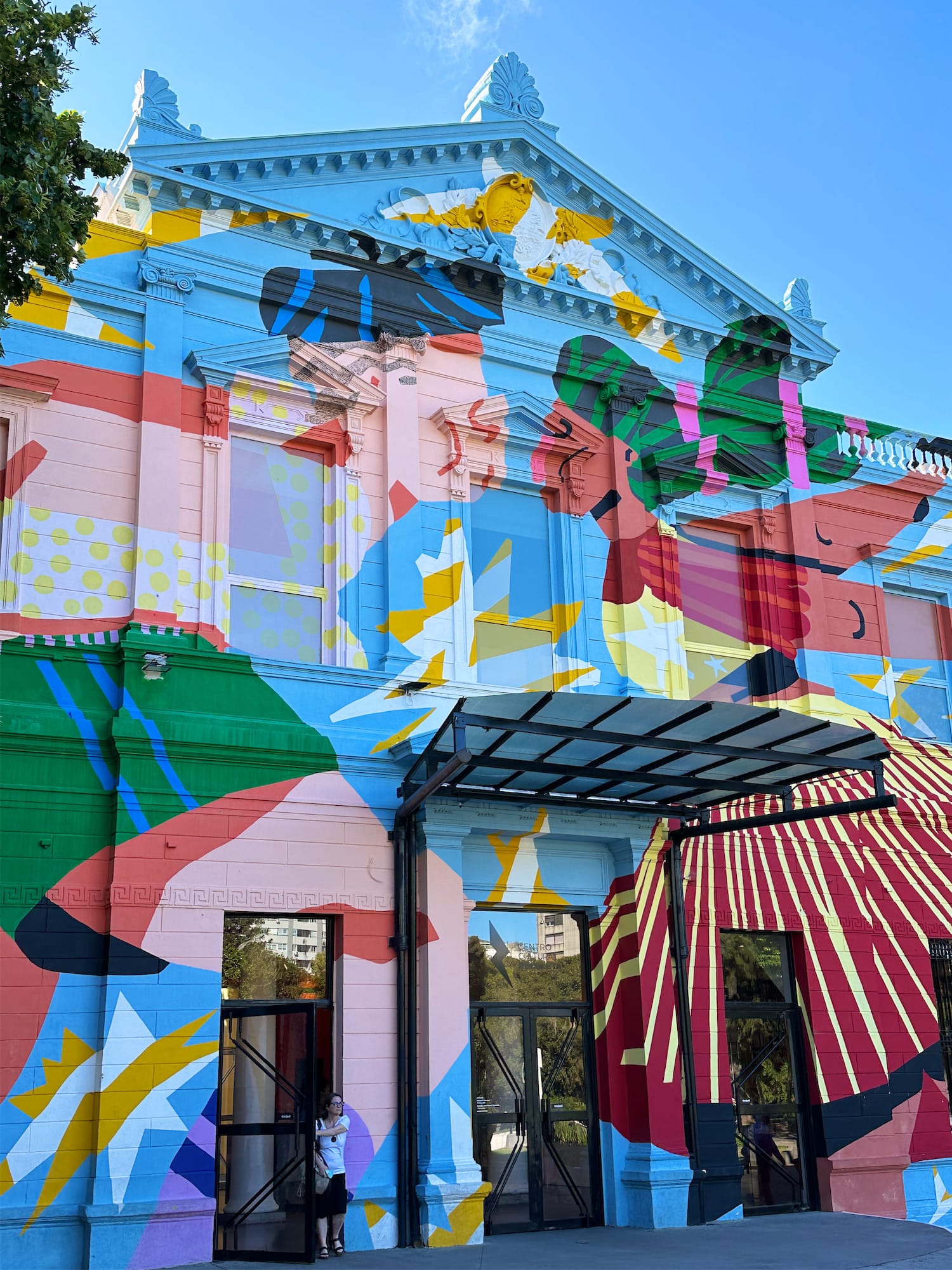
Recoleta has a lot to offer from an artistic point of view as well: start with the colorful Centro Cultural Recoleta. Its Gothic style and bright colors are a perfect expression of the exhibitions and events that take place inside.
In Plaza Francia, it is well worth visiting the Museo Nacional de Bellas Arts, also because admission is free and you can admire several works by French Impressionist masters such as Monet, Degas and Renoir.
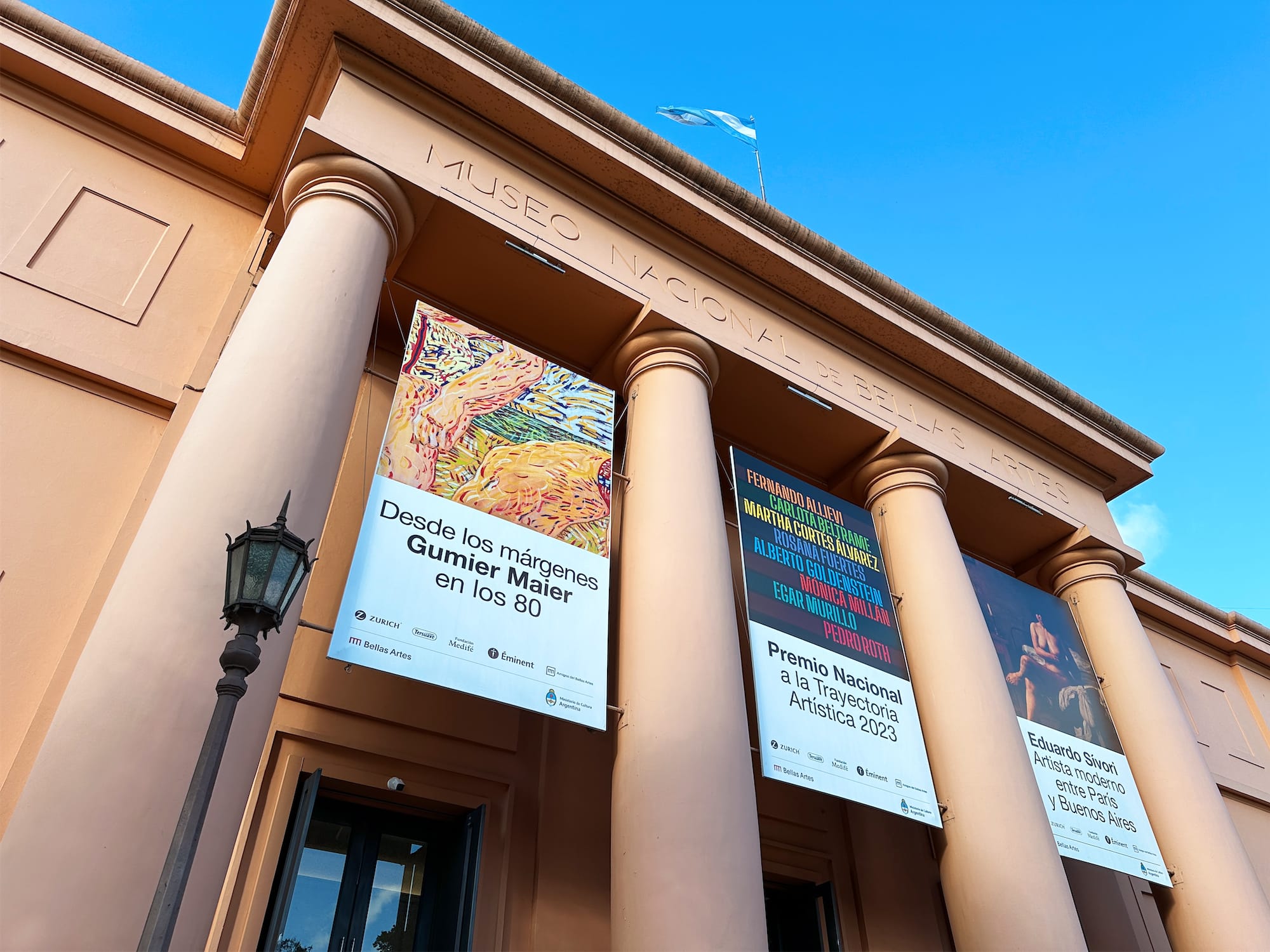
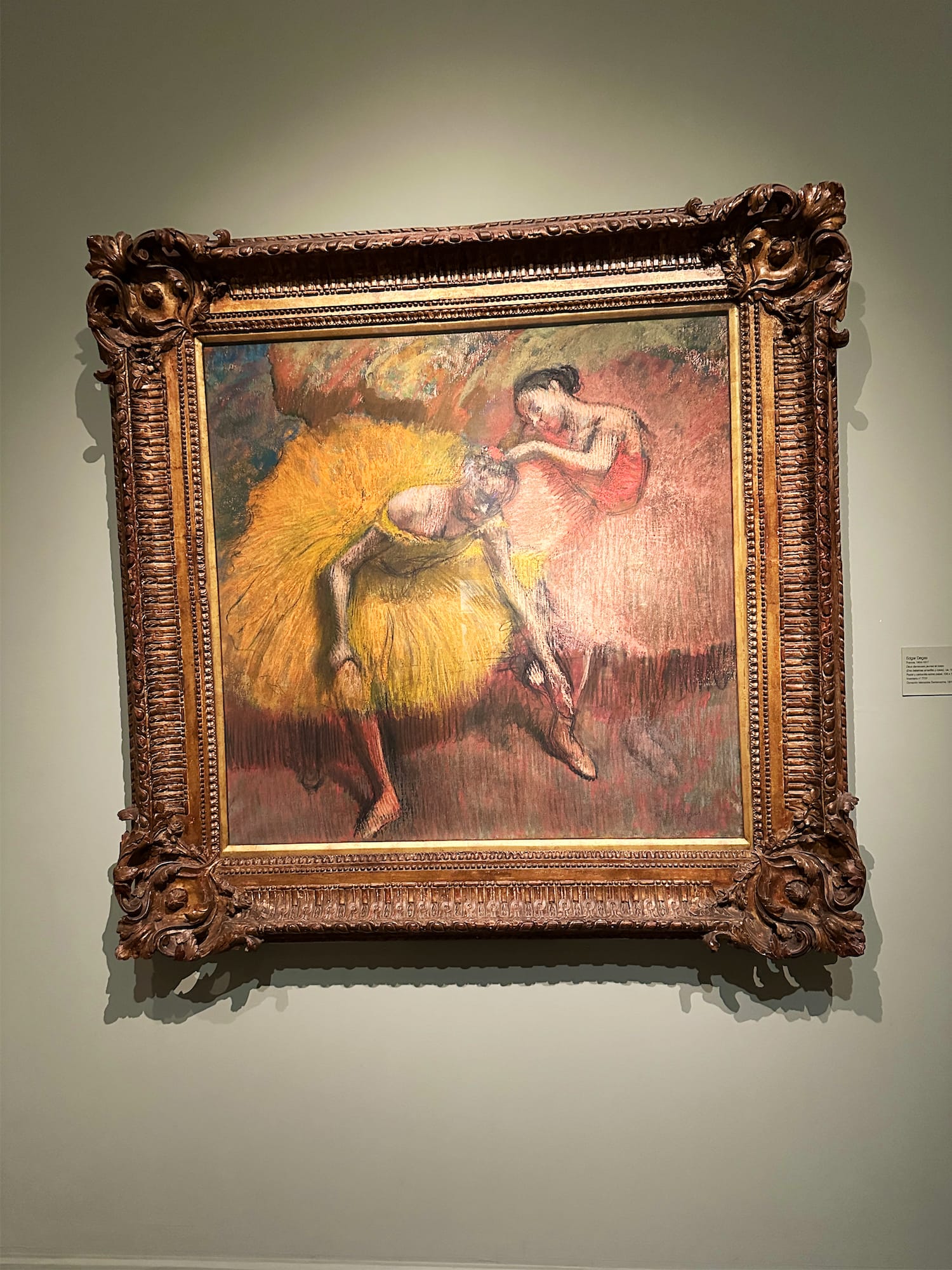
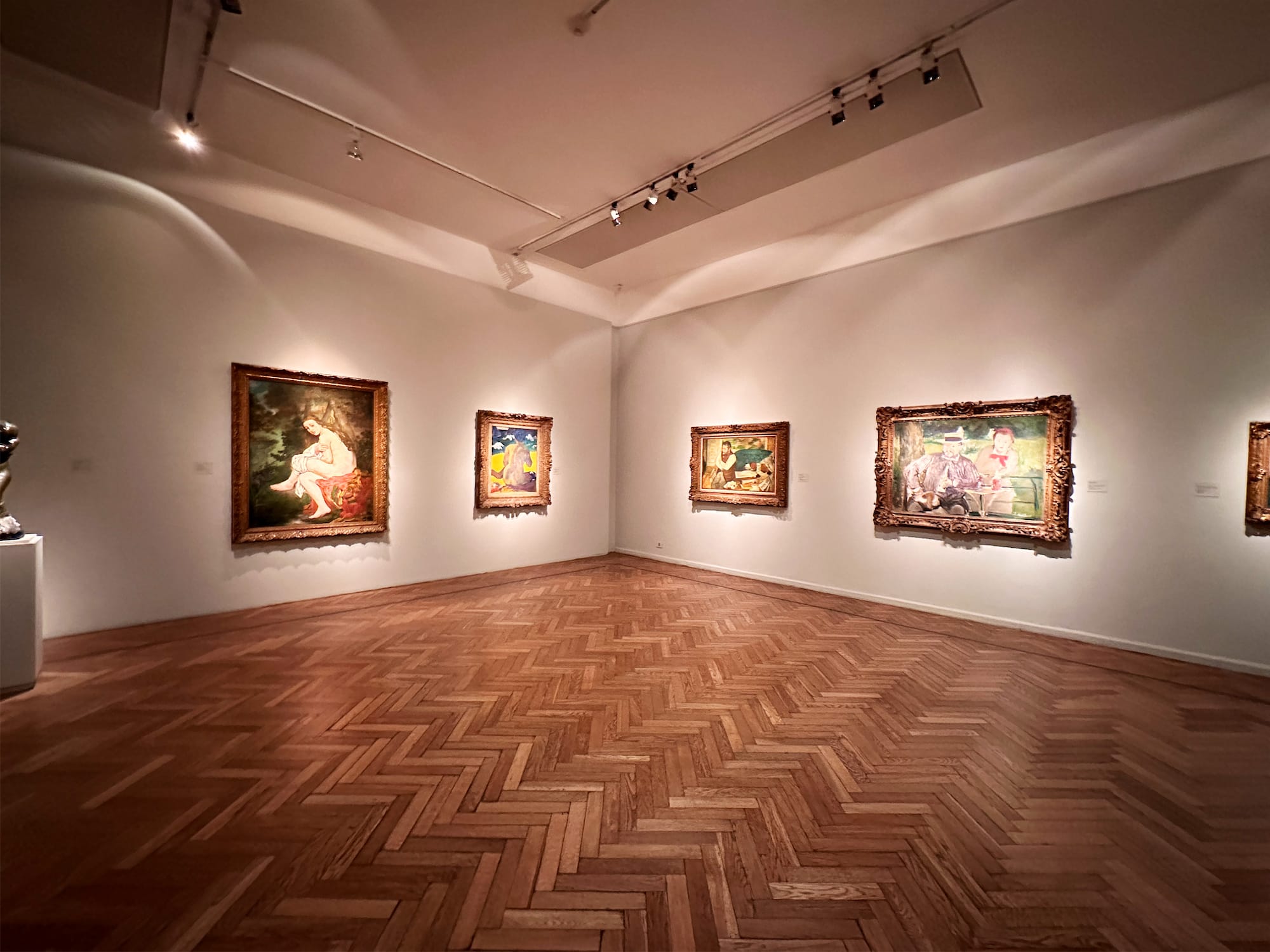
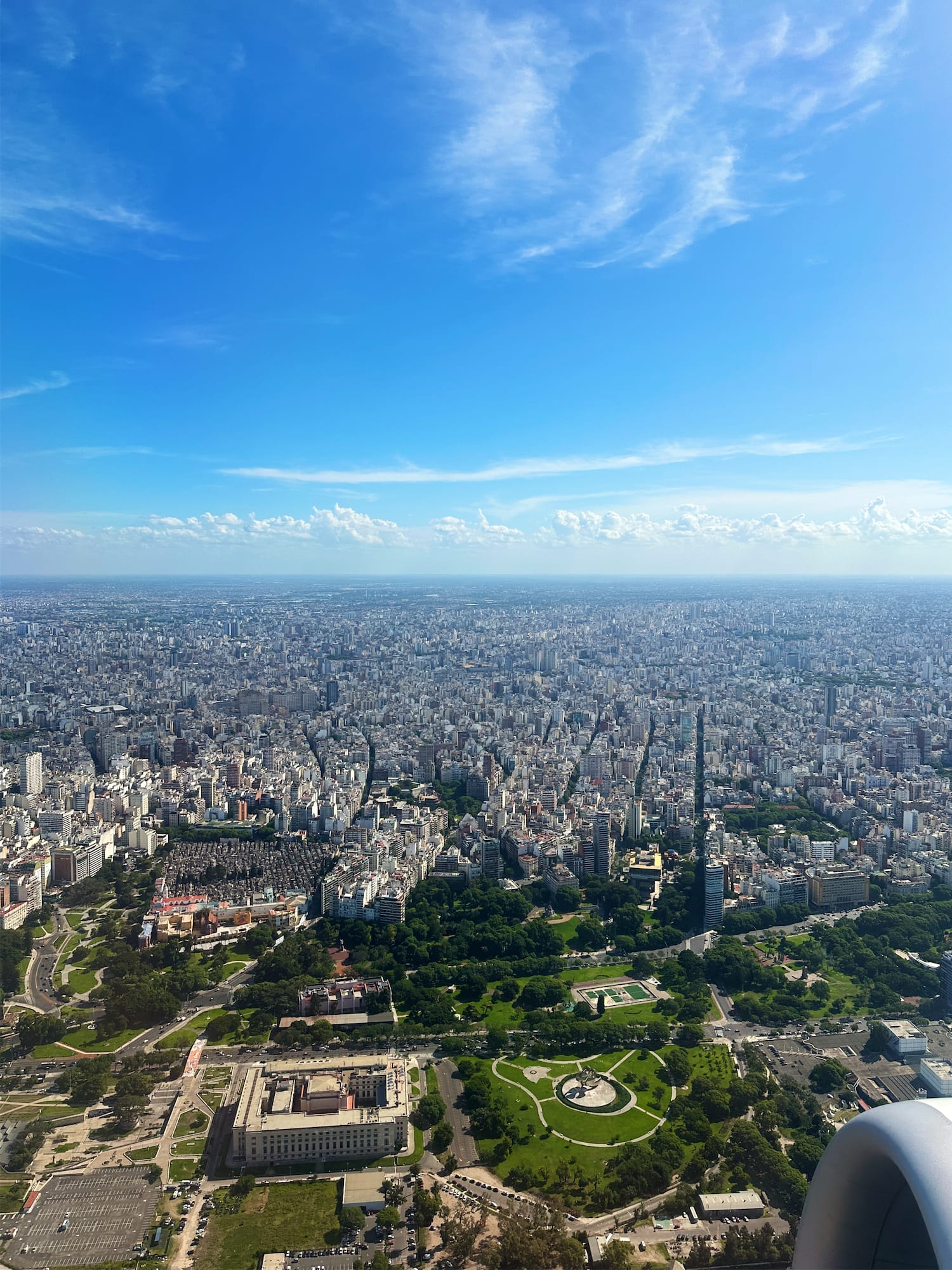
A short distance away stands one of the city’s more recent symbols: the Floralis Genérica, a 23-meter-tall flower that we found rather disappointing. Several petals were broken, giving it a somewhat neglected look. In theory, the mechanical flower should be able to open and close according to sunlight, but certainly not in its current damaged condition.
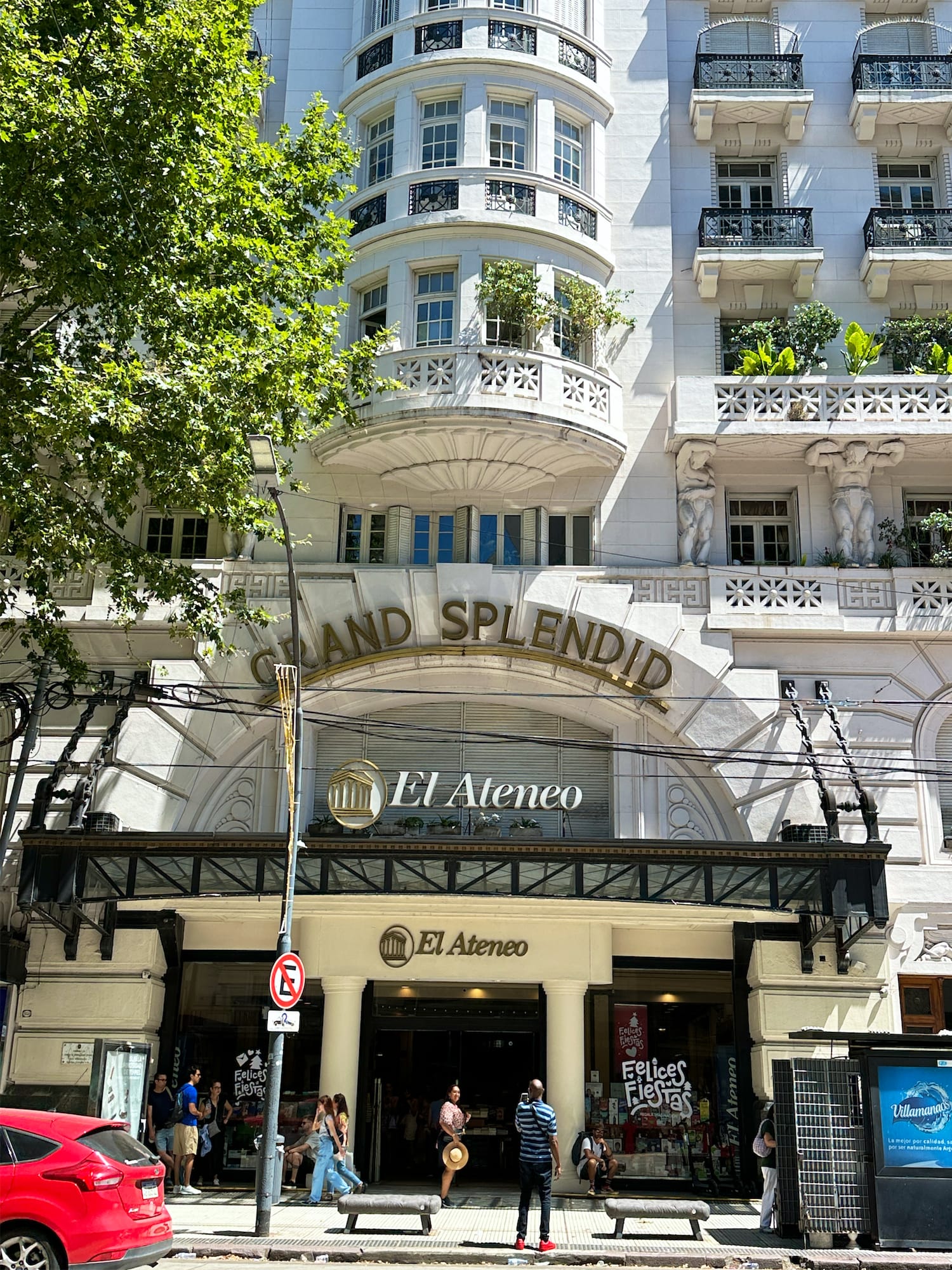
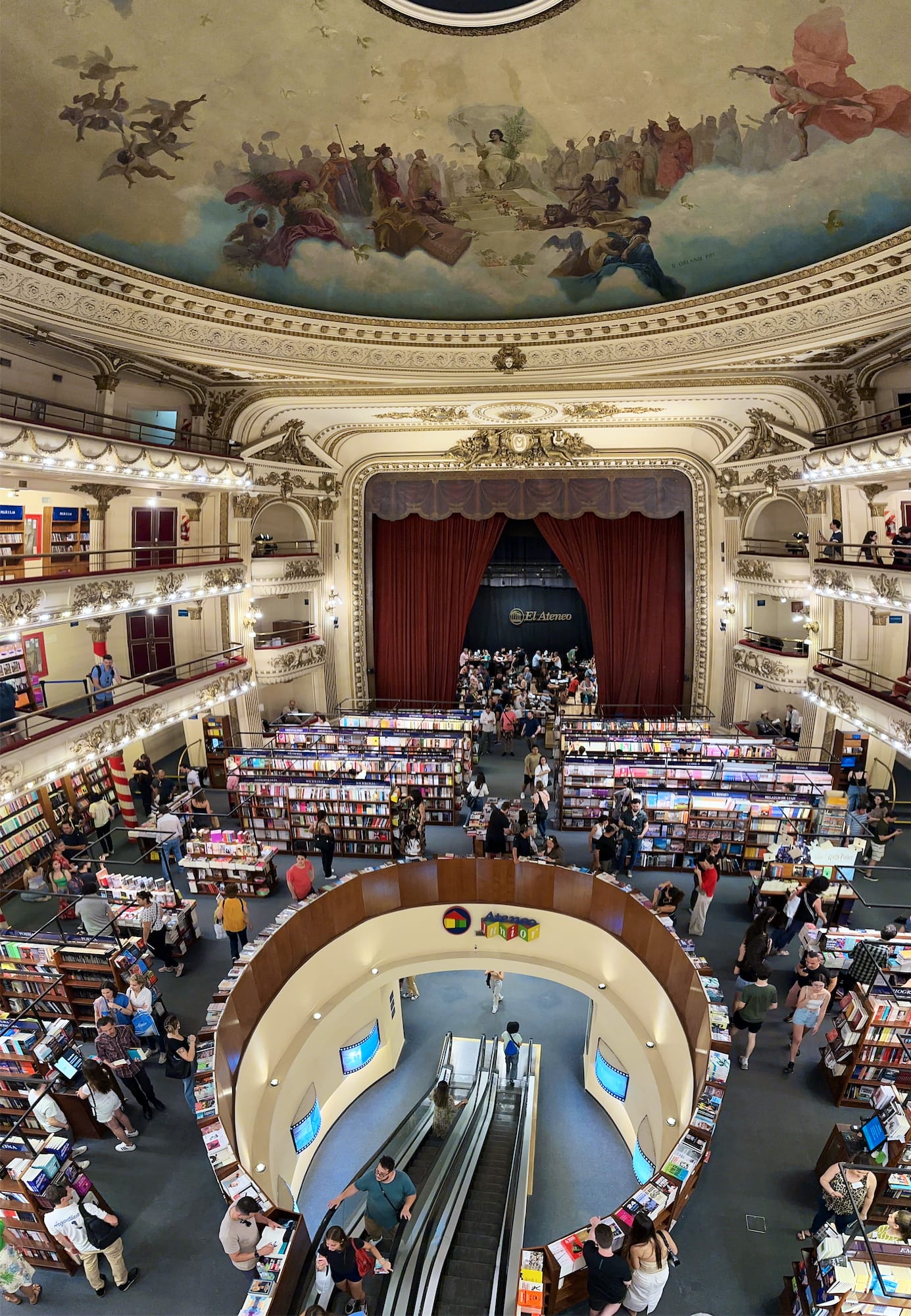
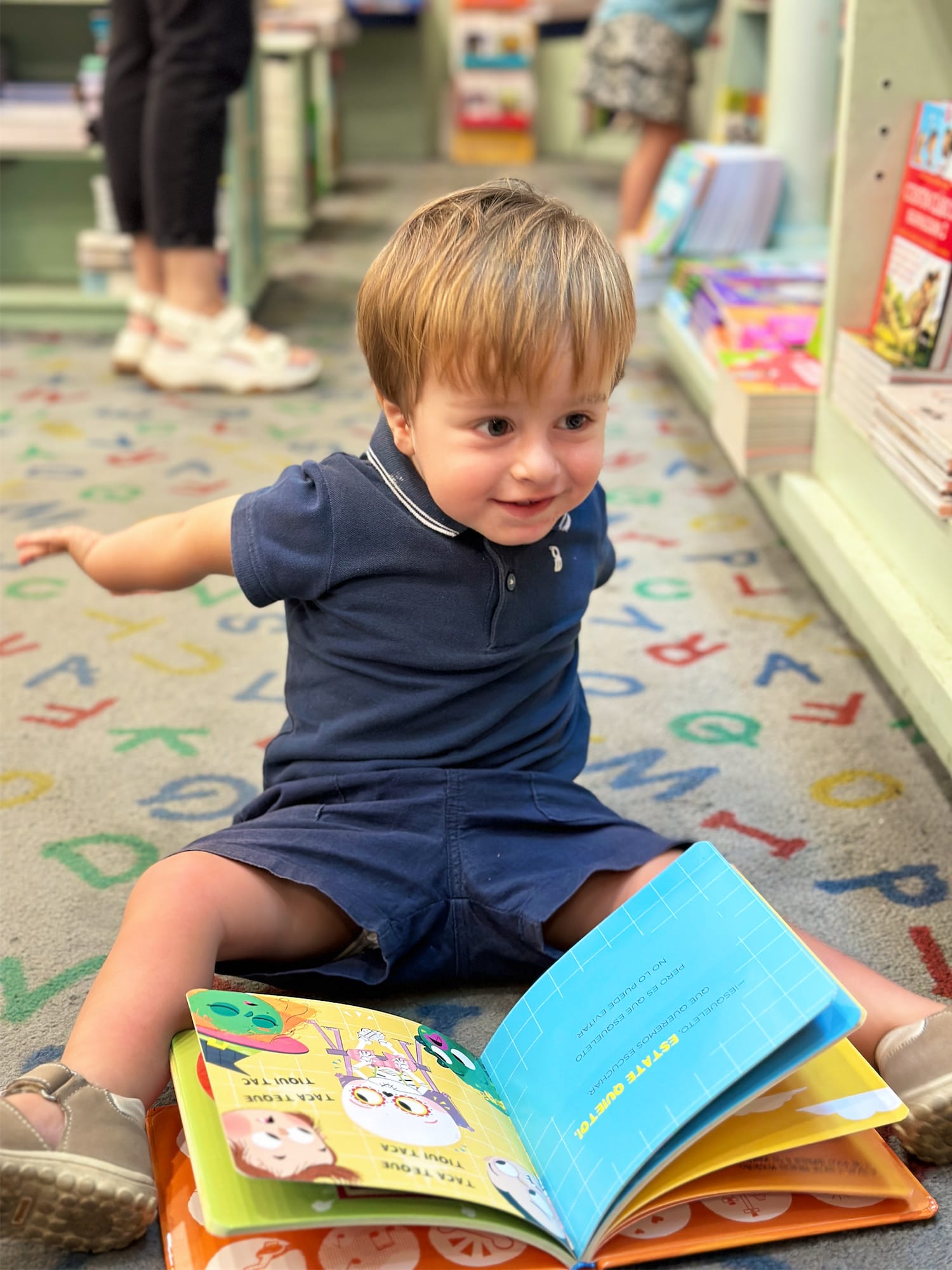
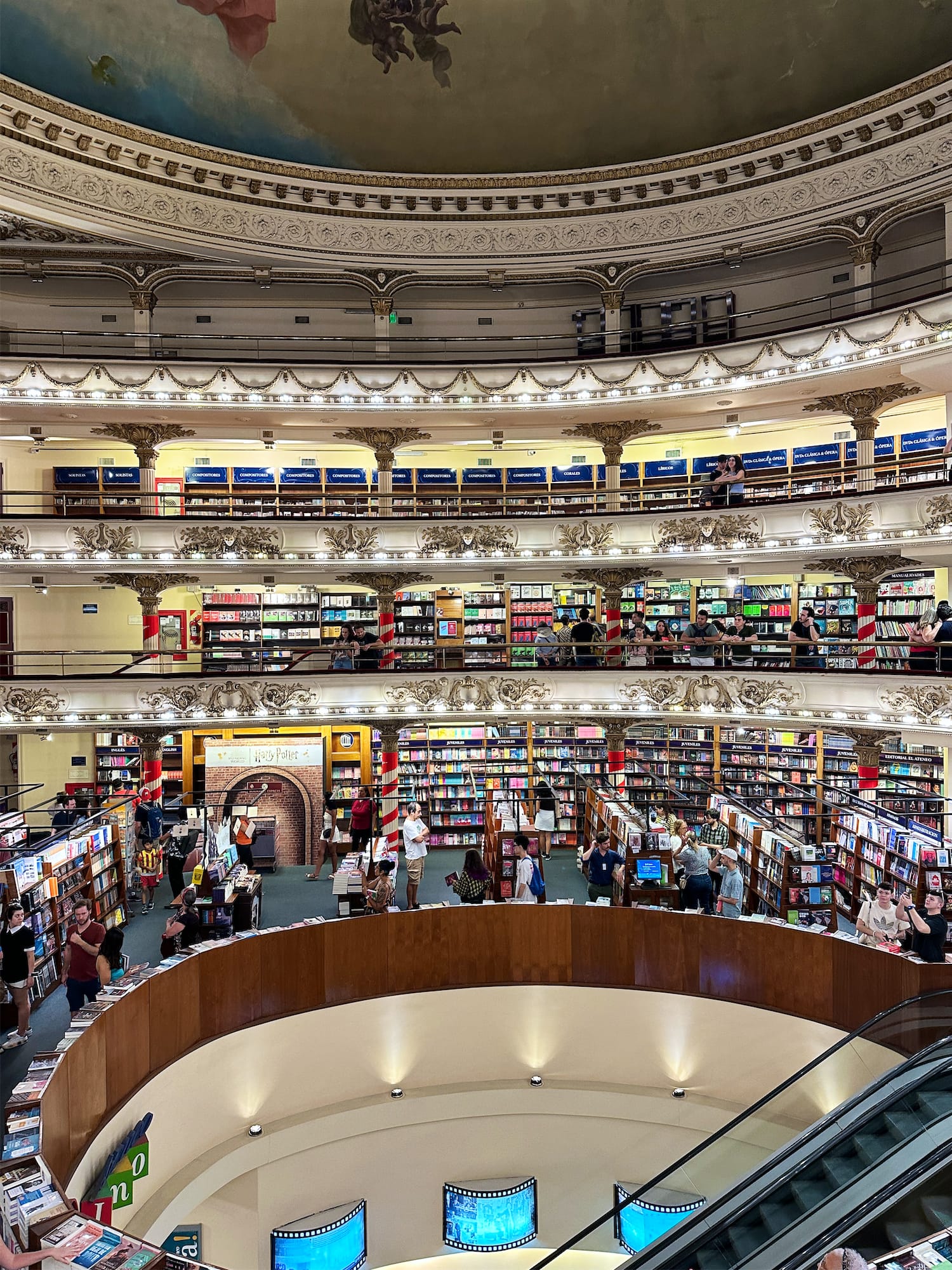
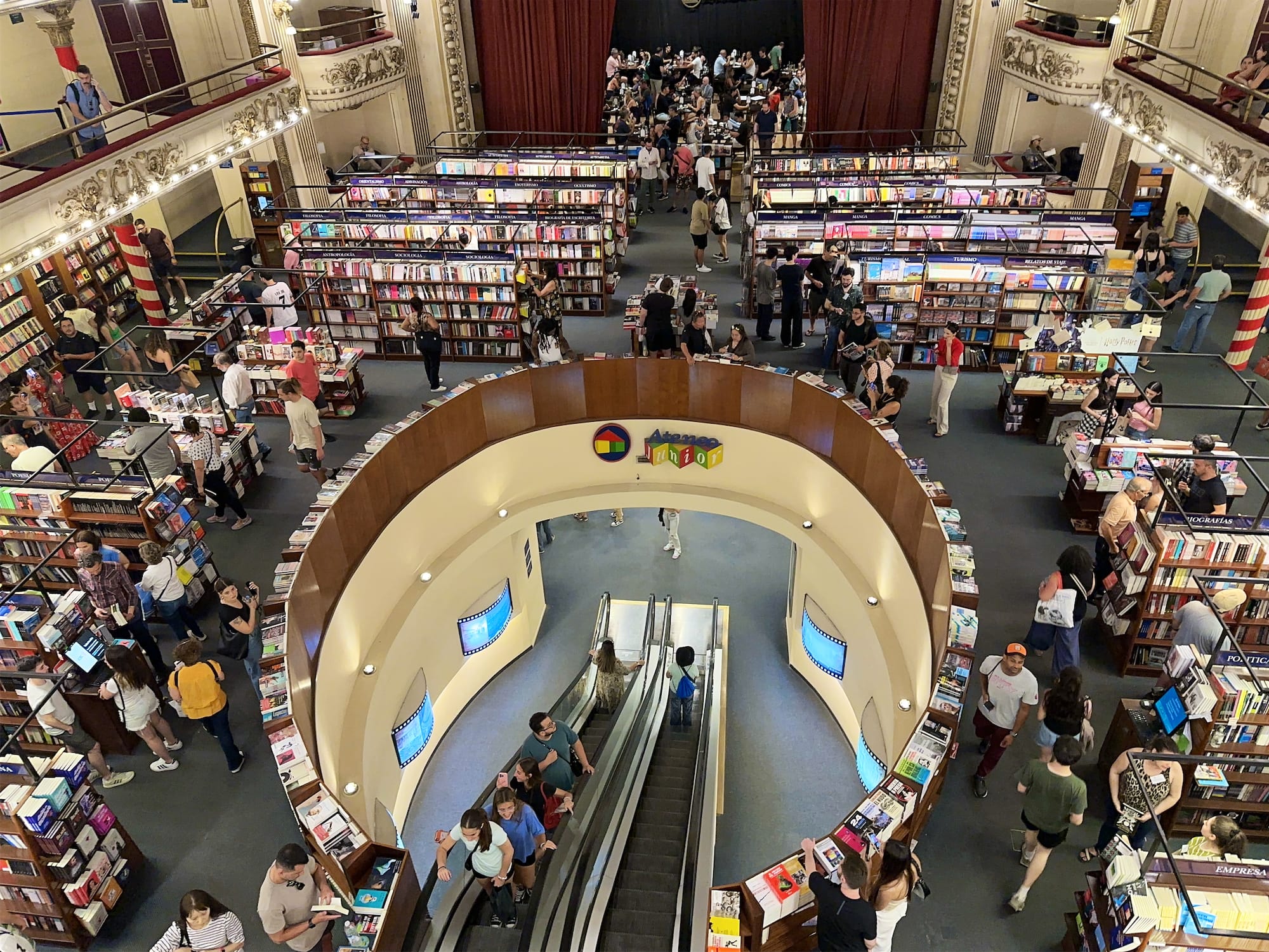
In what used to be an old theater (Teatro Gran Splendid), you can now find El Ateneo, considered one of the most beautiful bookstores in the world. Climb up to the balconies to enjoy the view from above. The basement level houses the section dedicated to children.
Palermo
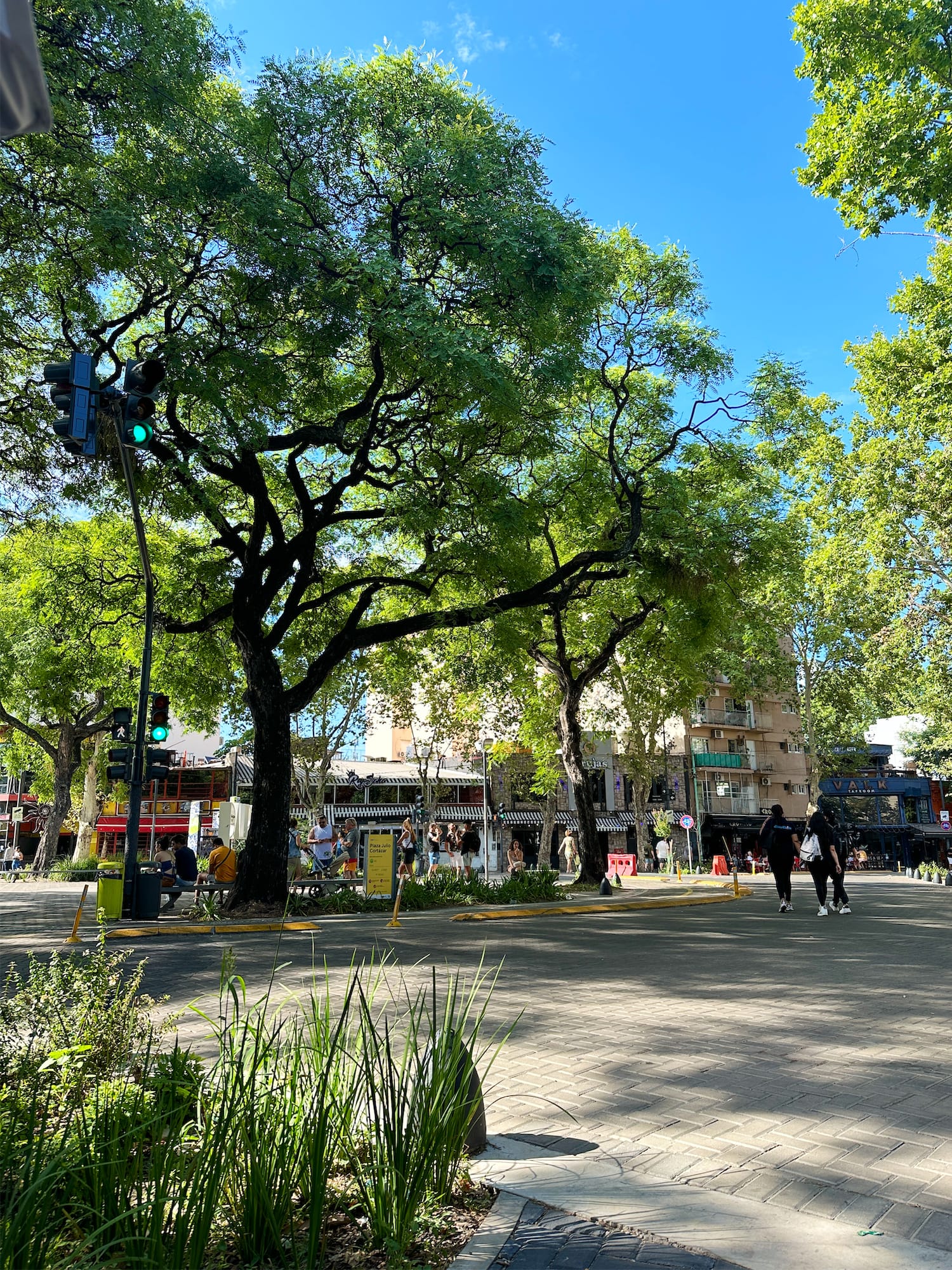
Palermo is one of the liveliest and most vibrant neighborhoods in the city. In Plaza Serrano people gather at outdoor venues to have a drink and watch the flow of passersby. We also stopped for a refreshing drink and then let Enea have some fun in one of the small playgrounds in the middle of the square. Even on a day like January 1st, when everything is closed in other neighborhoods, this area still feels full of life.
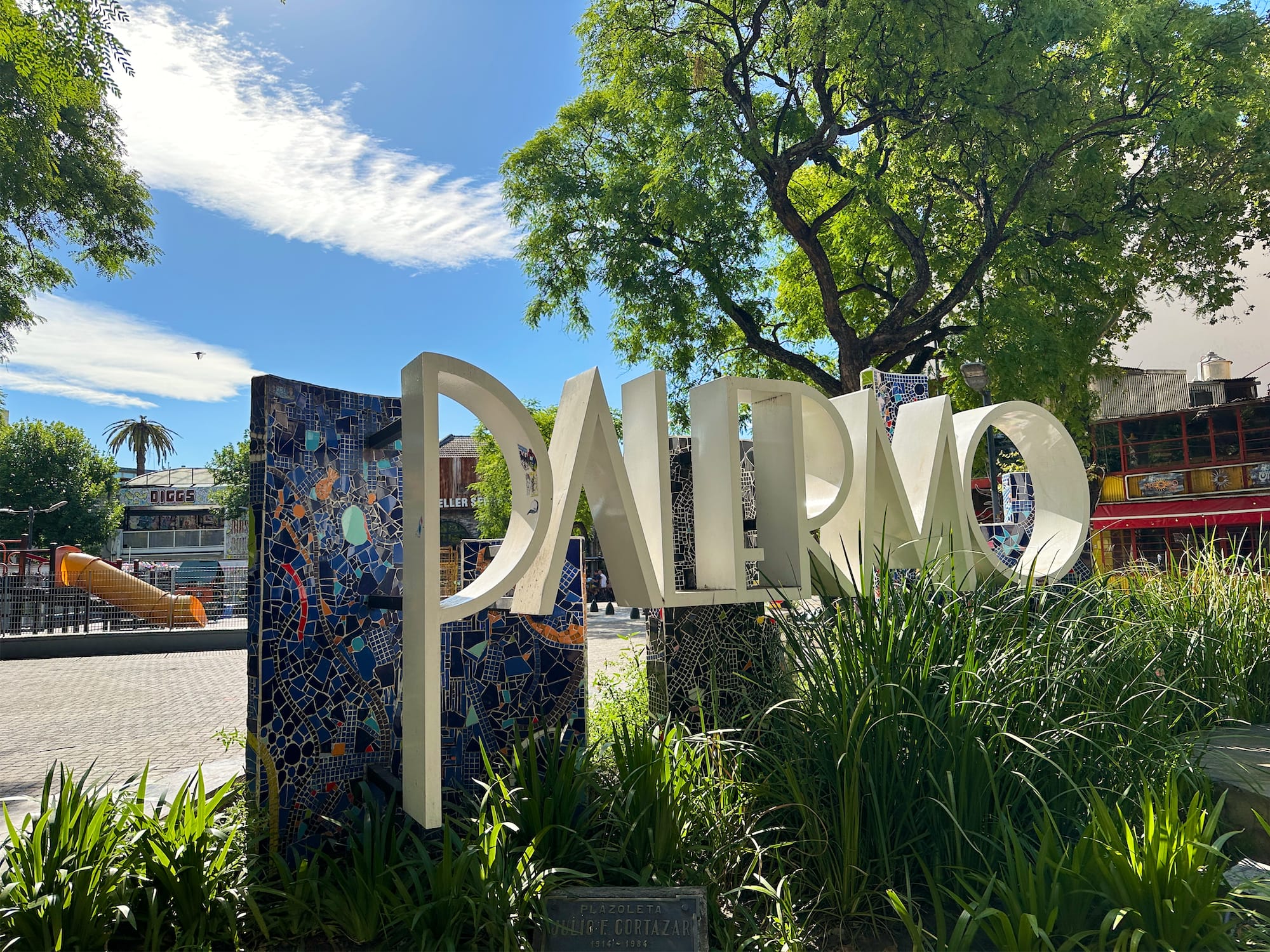
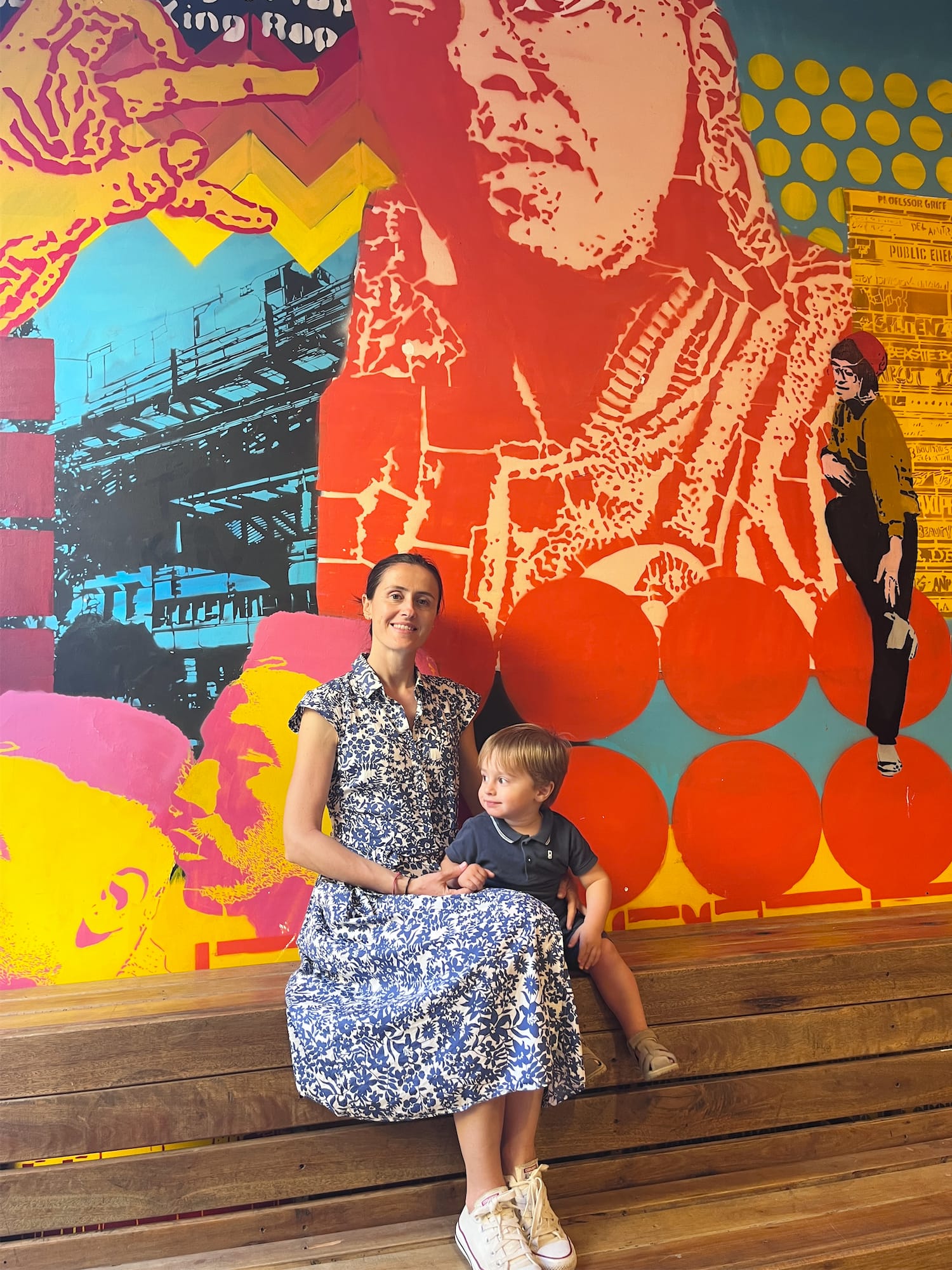
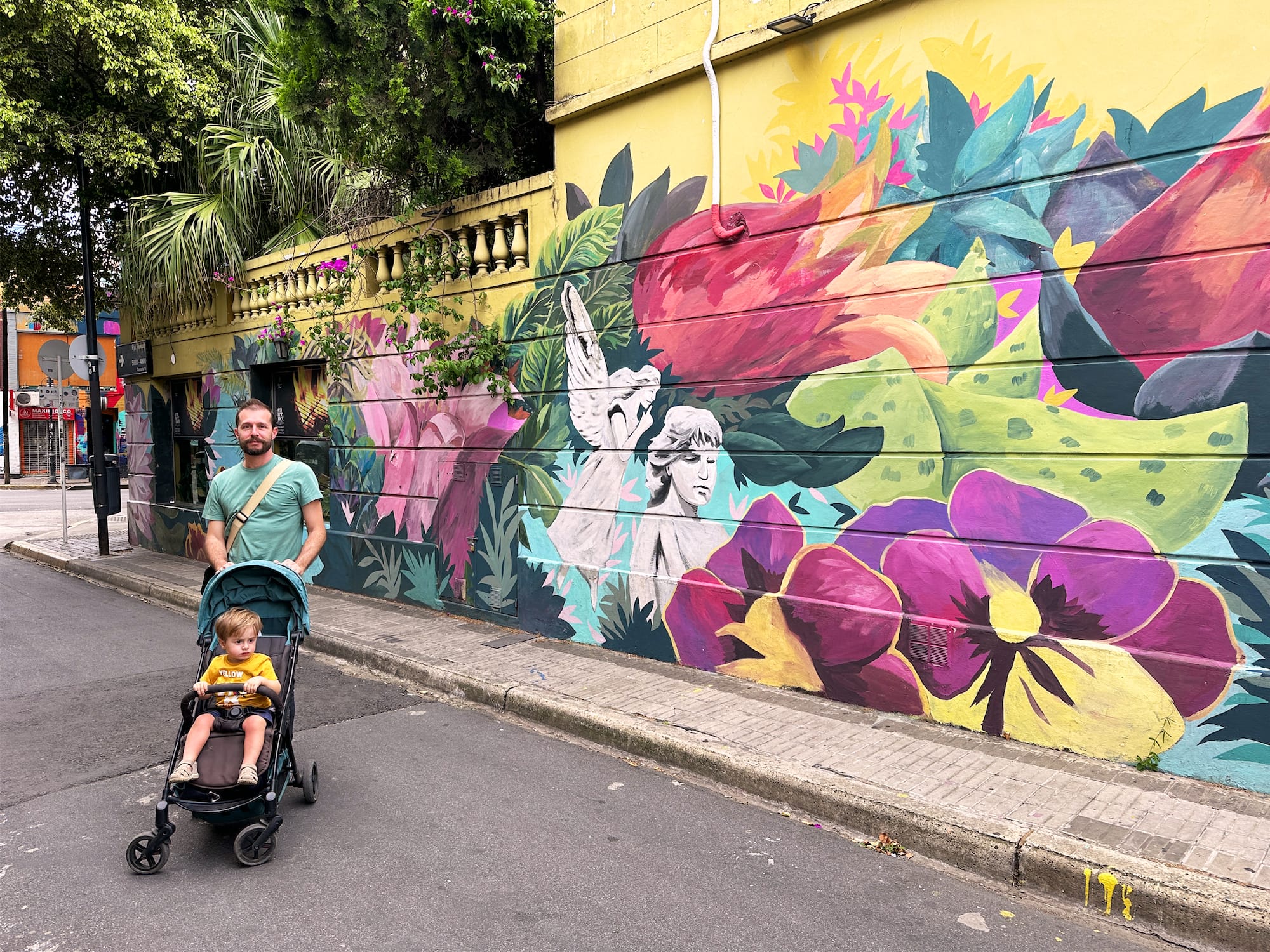
We then enjoyed a series of very distinctive murals that can be found along some avenues not far from the square.
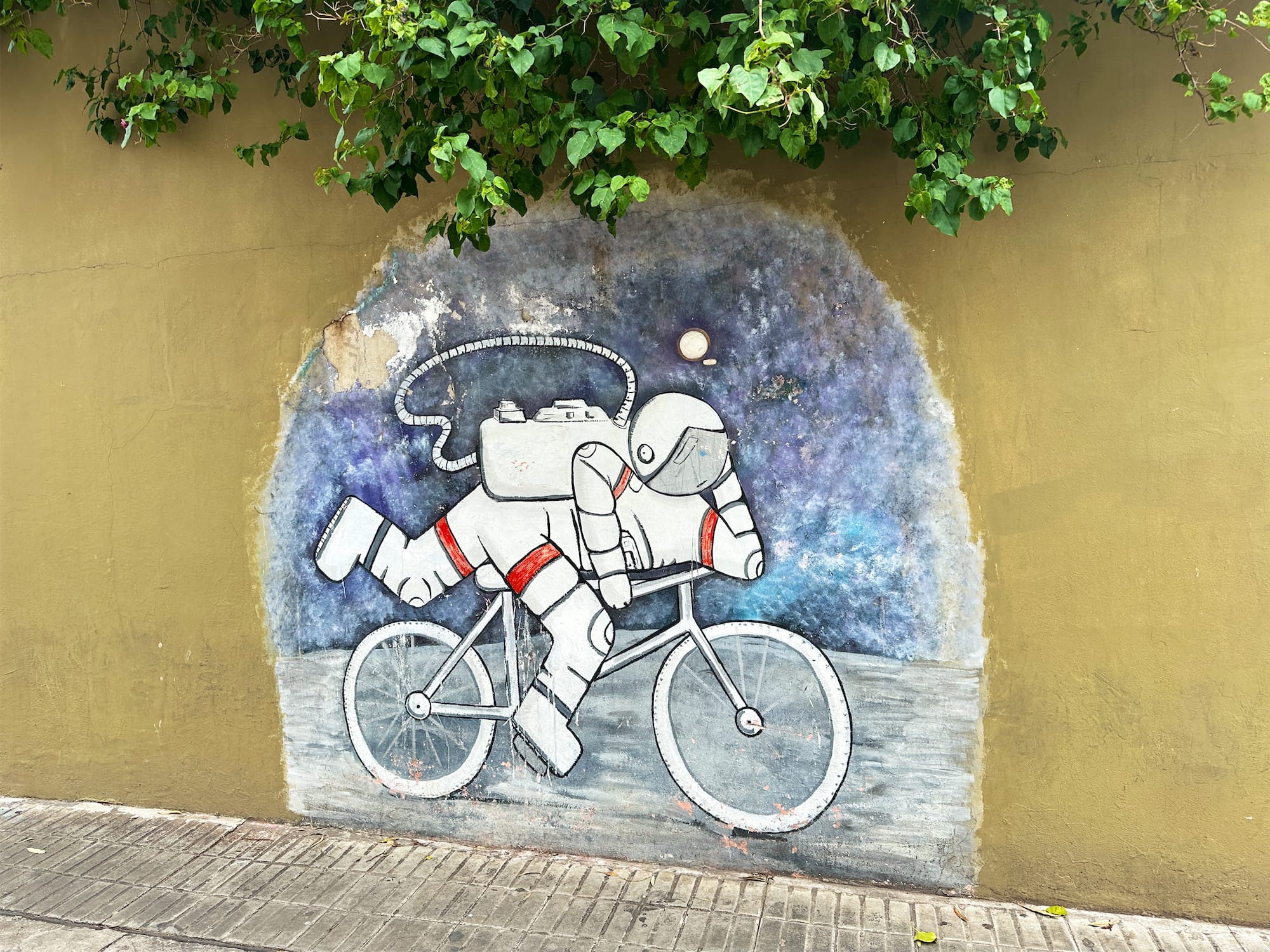
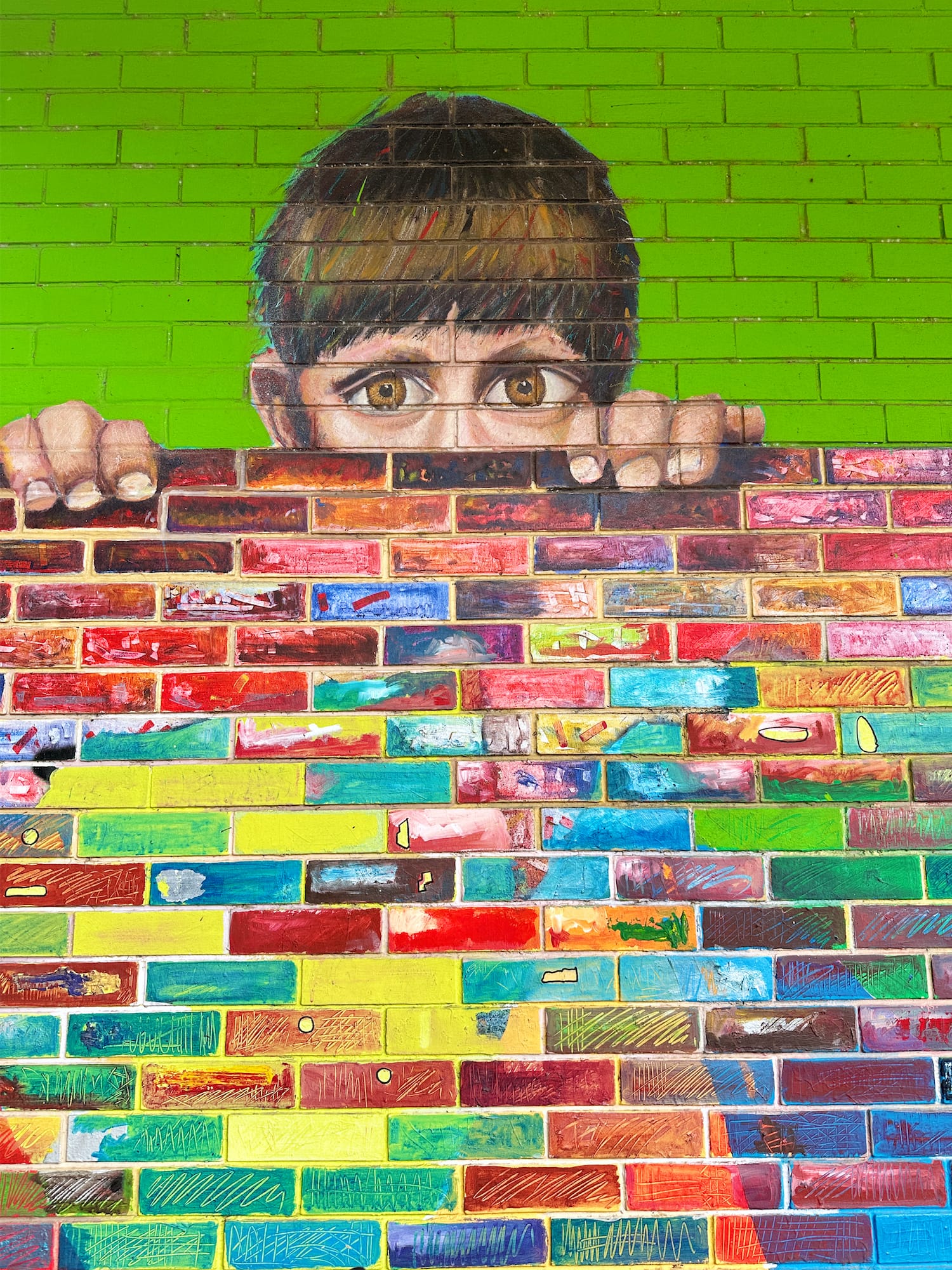
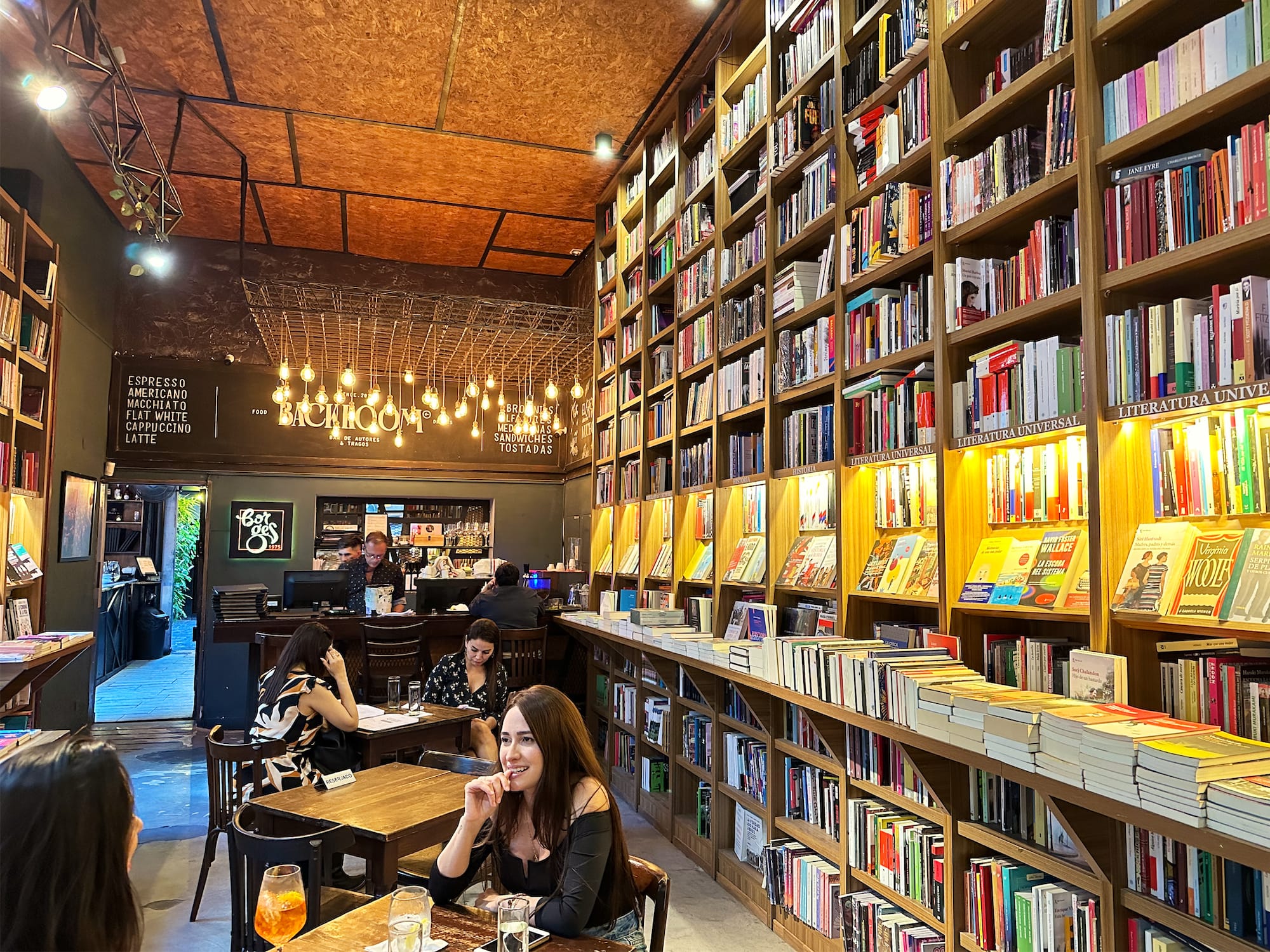
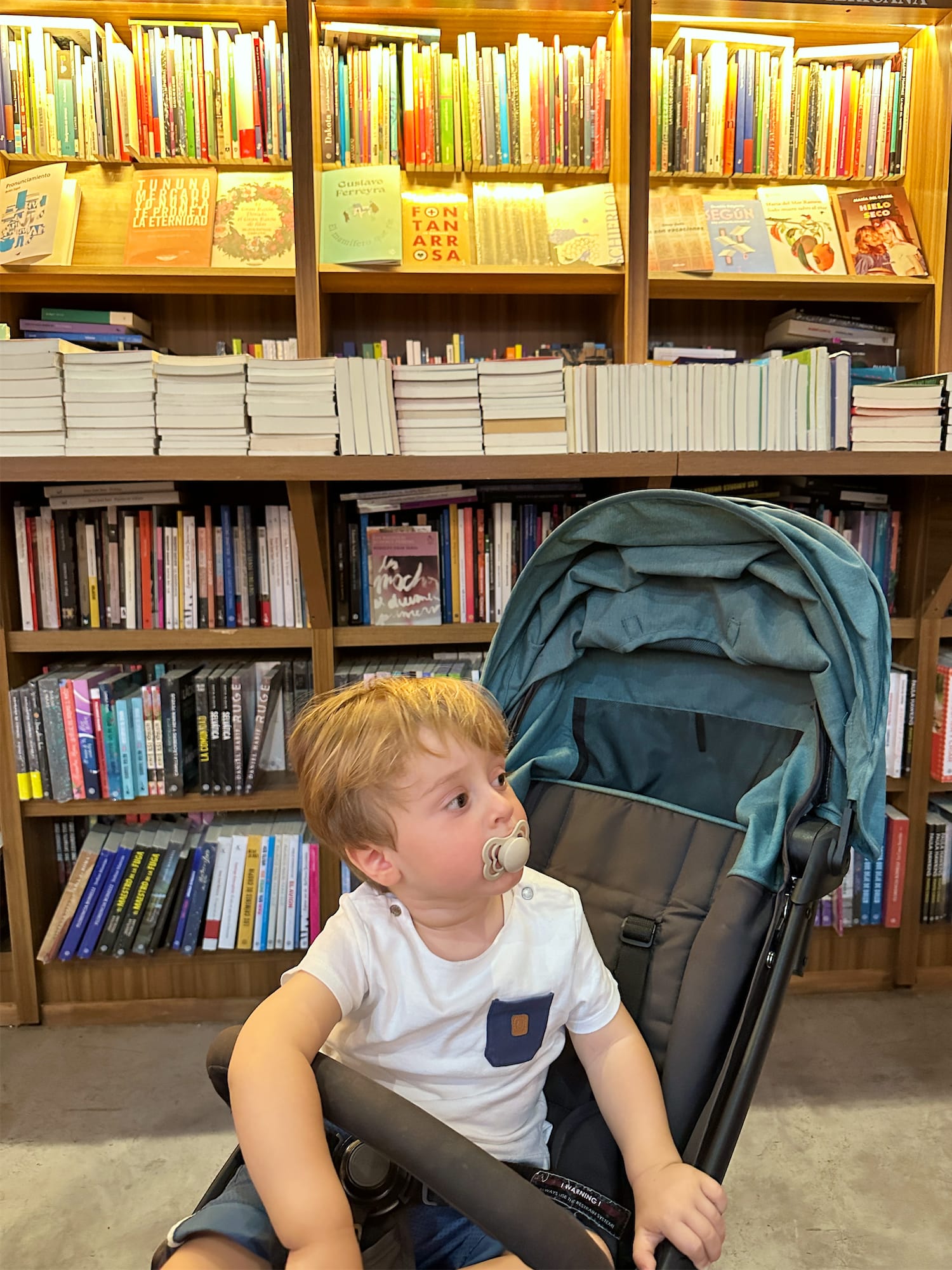
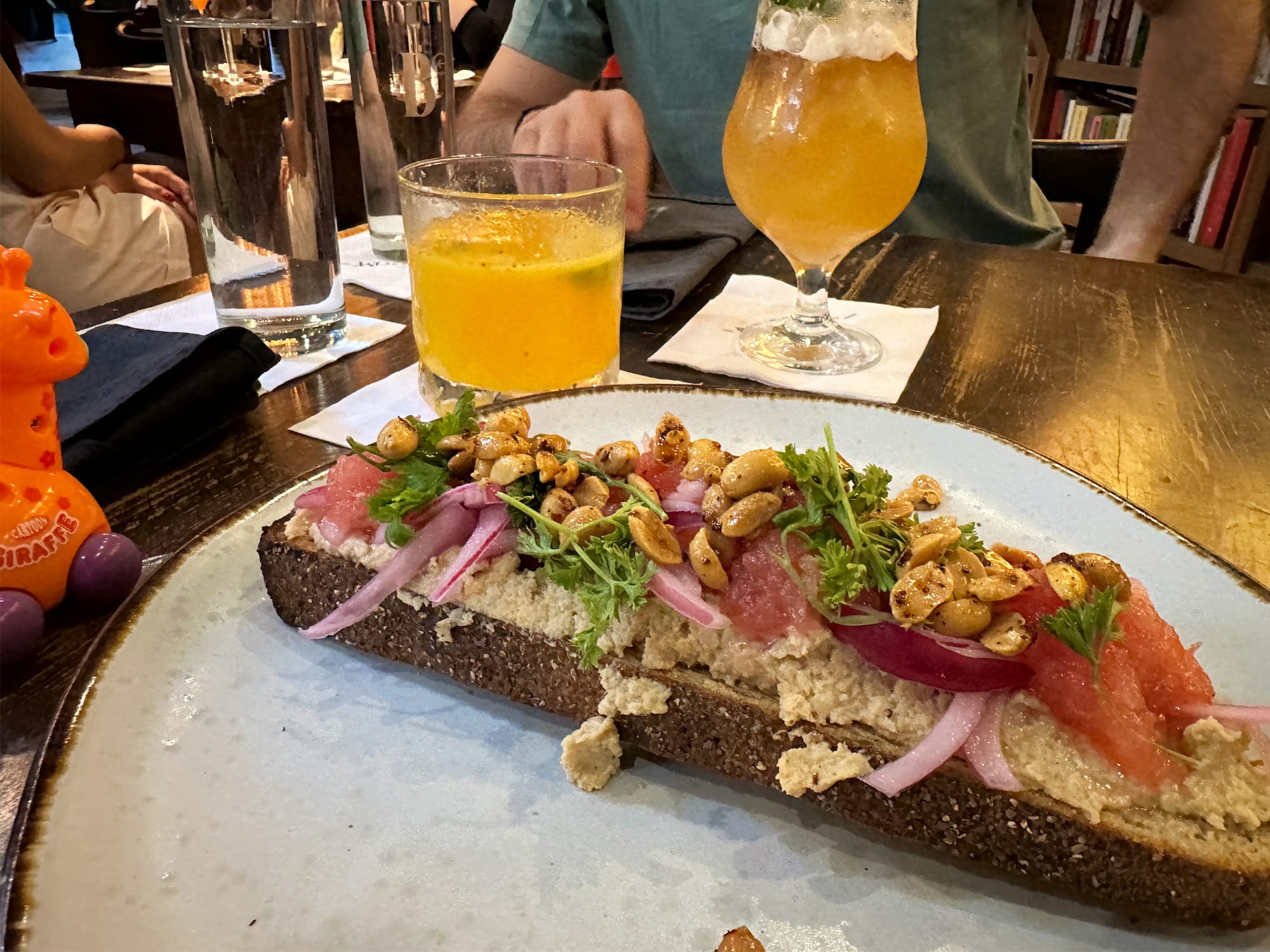
When it comes to original venues, this neighborhood spoils you for choice. For a pleasant aperitif with live music we chose the Backroom Bar, set inside a real bookstore.
La Boca
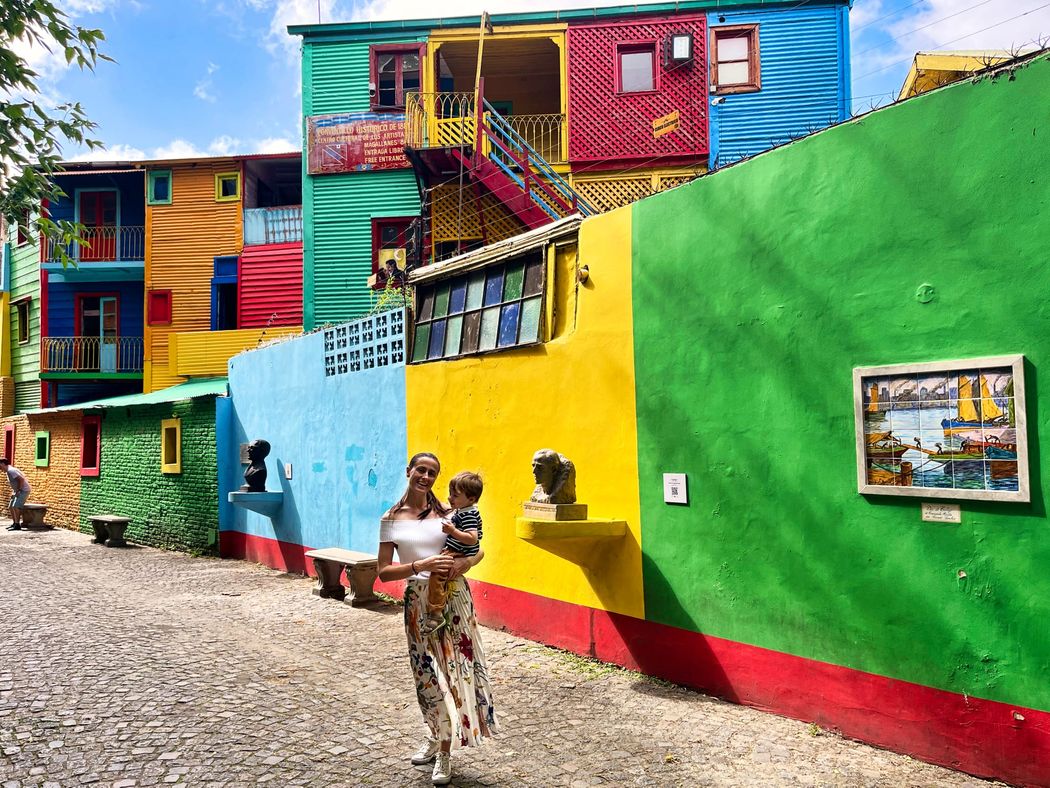
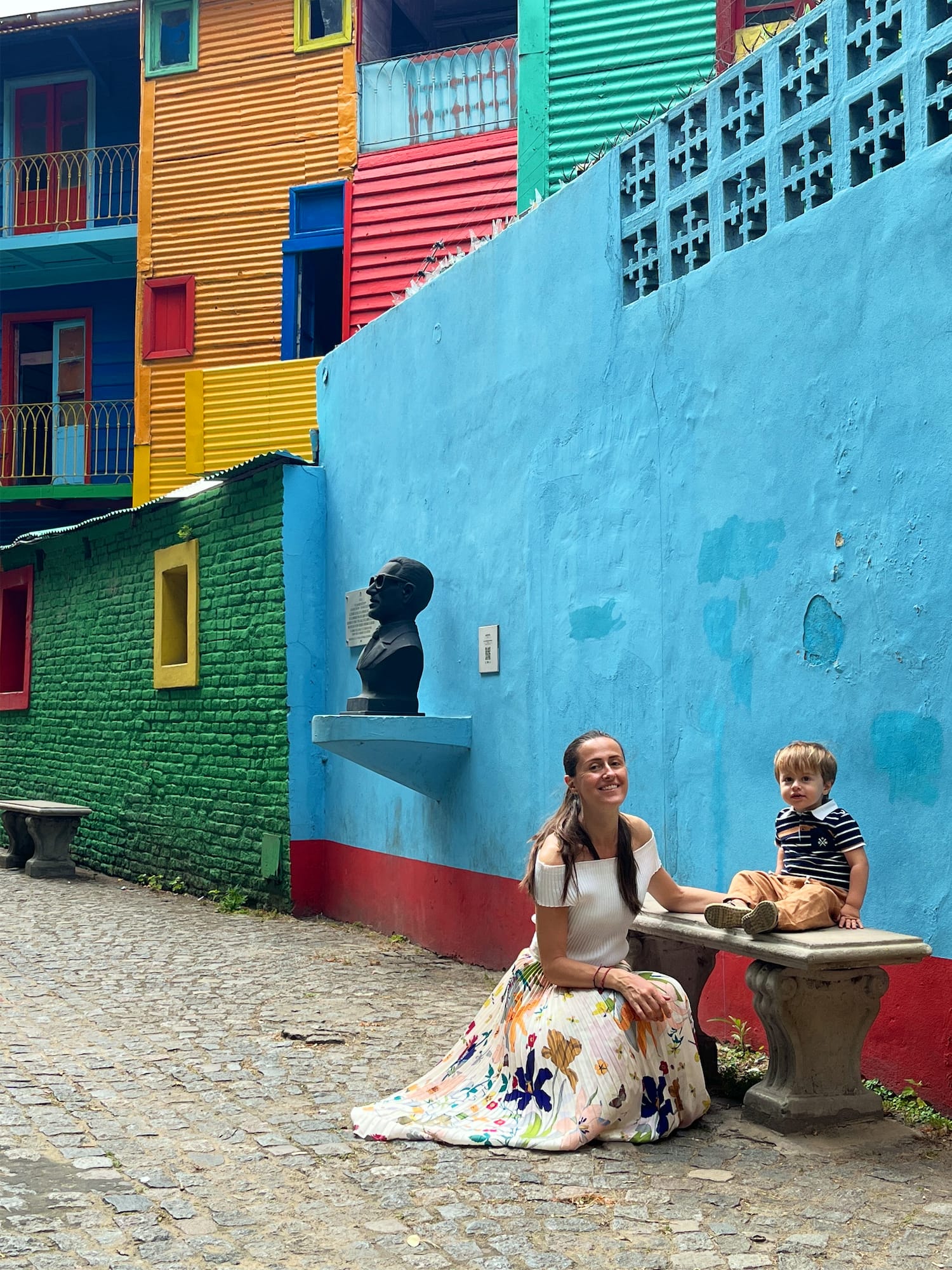
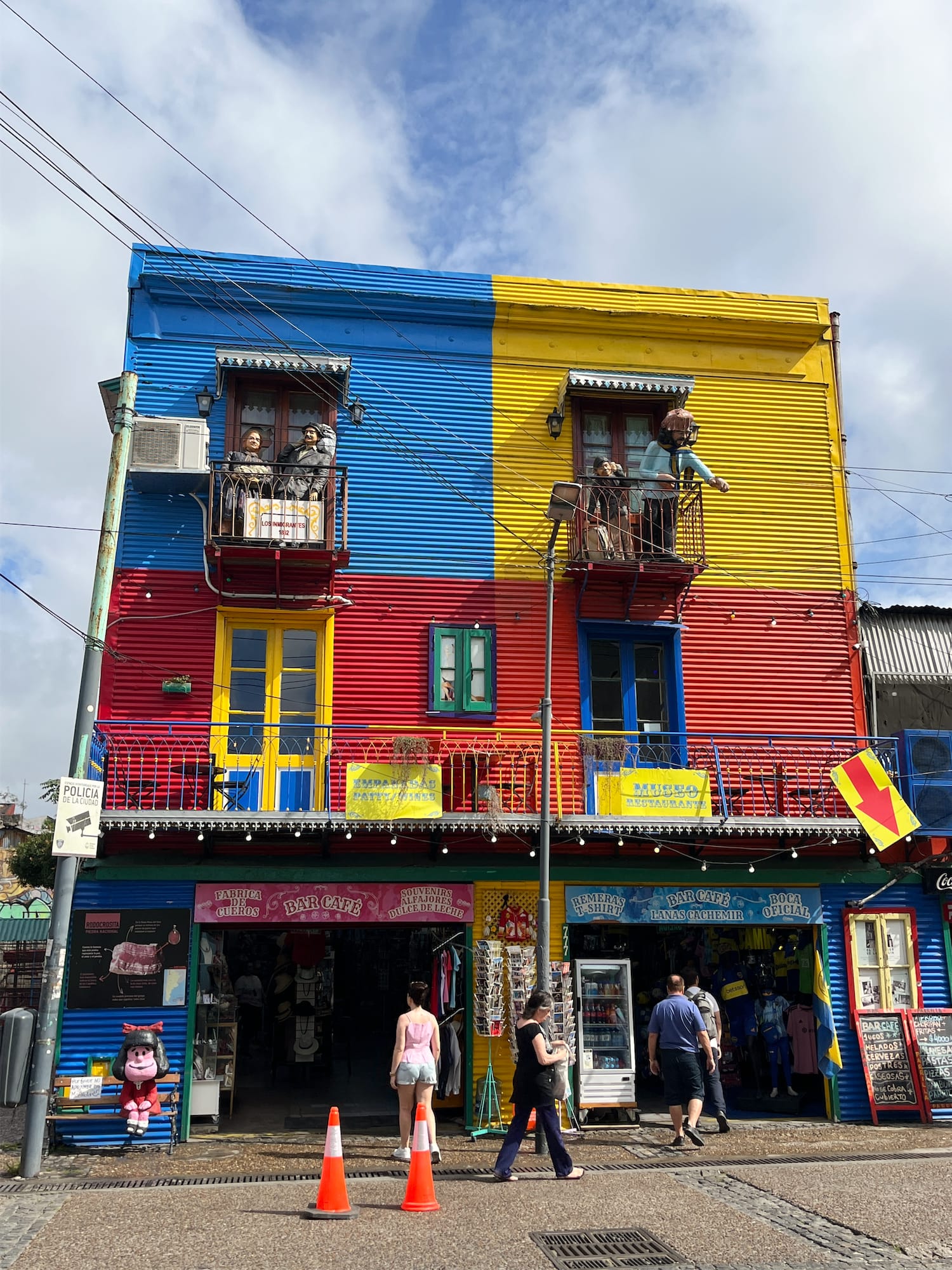
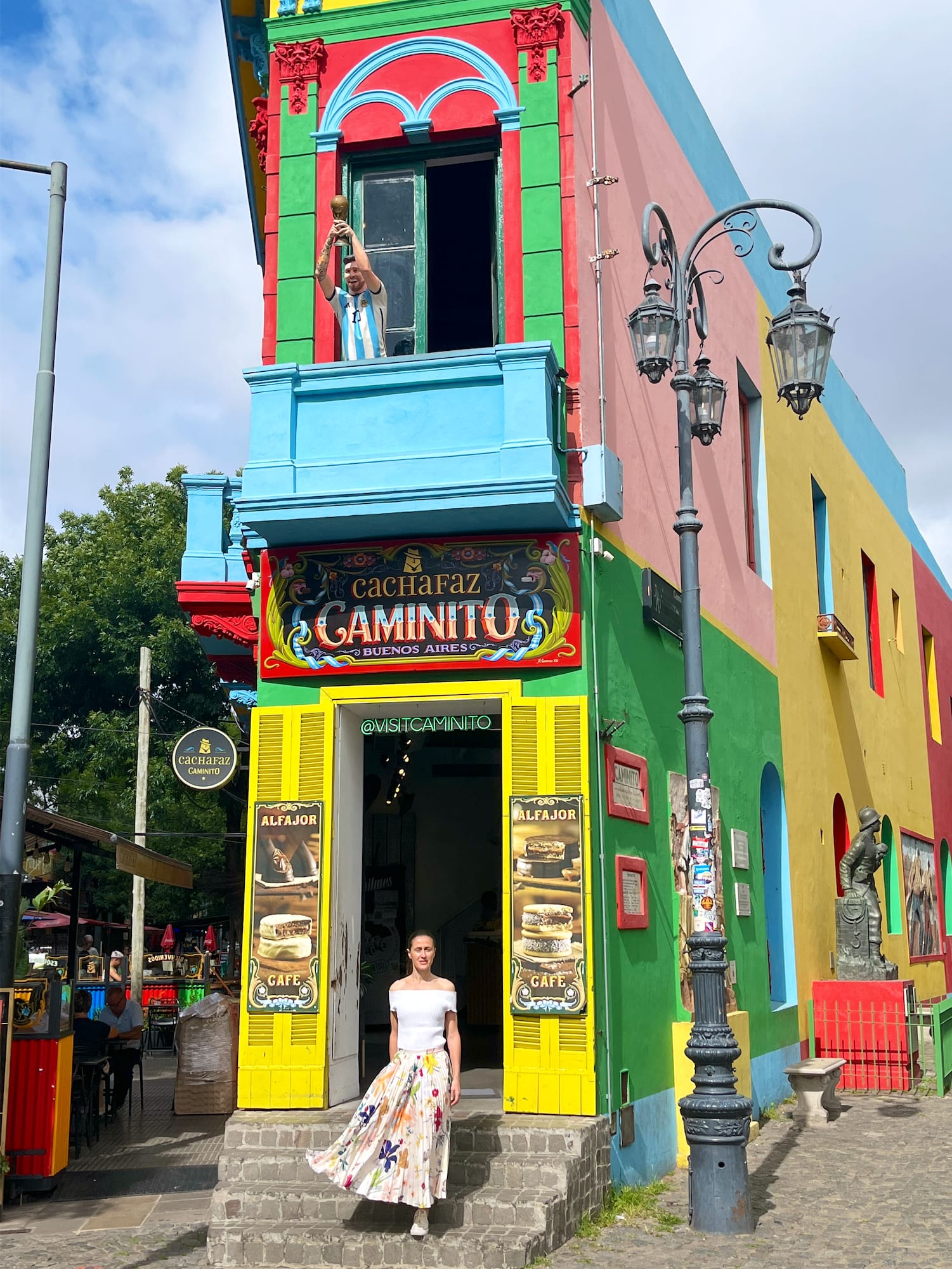
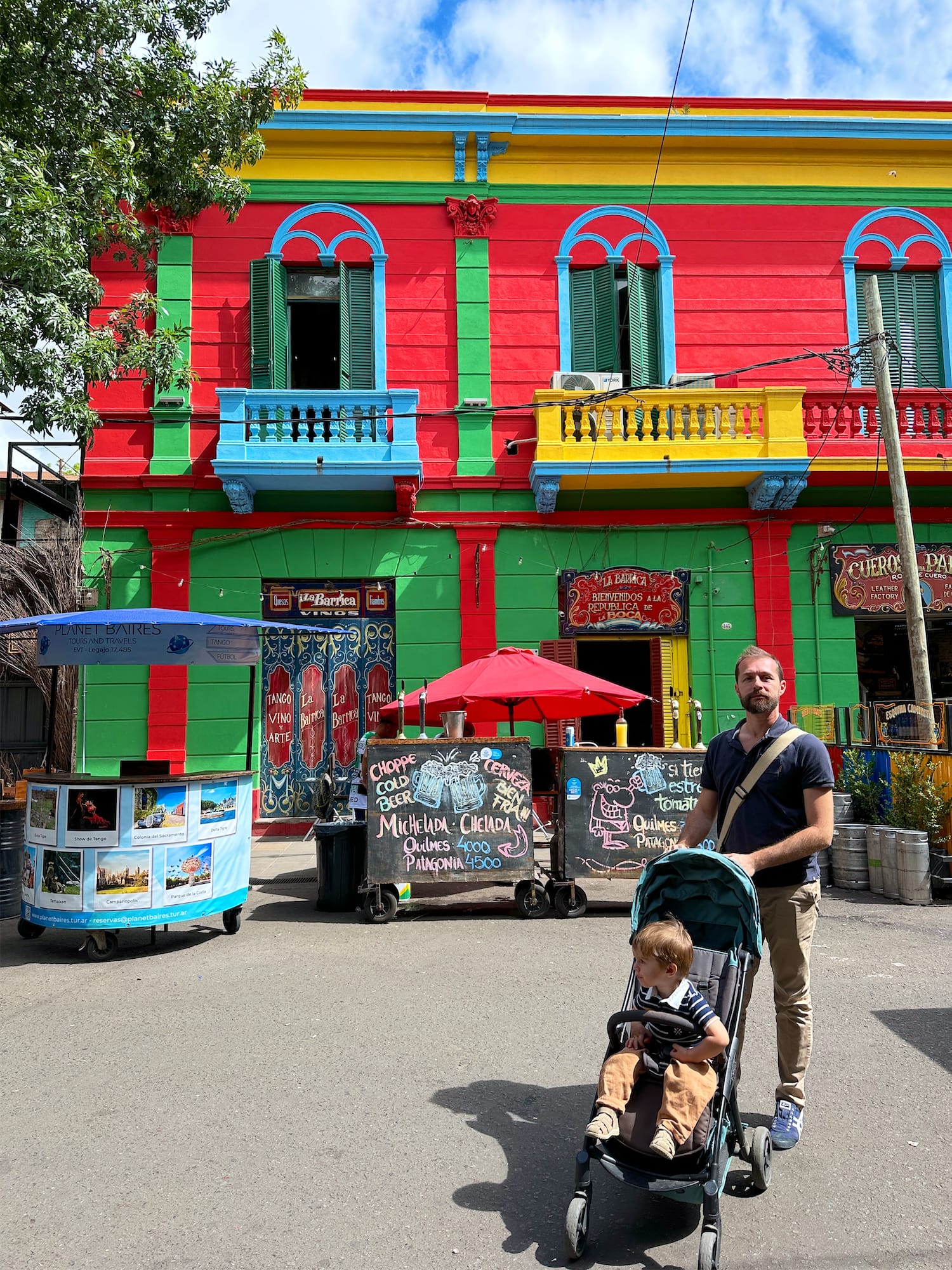
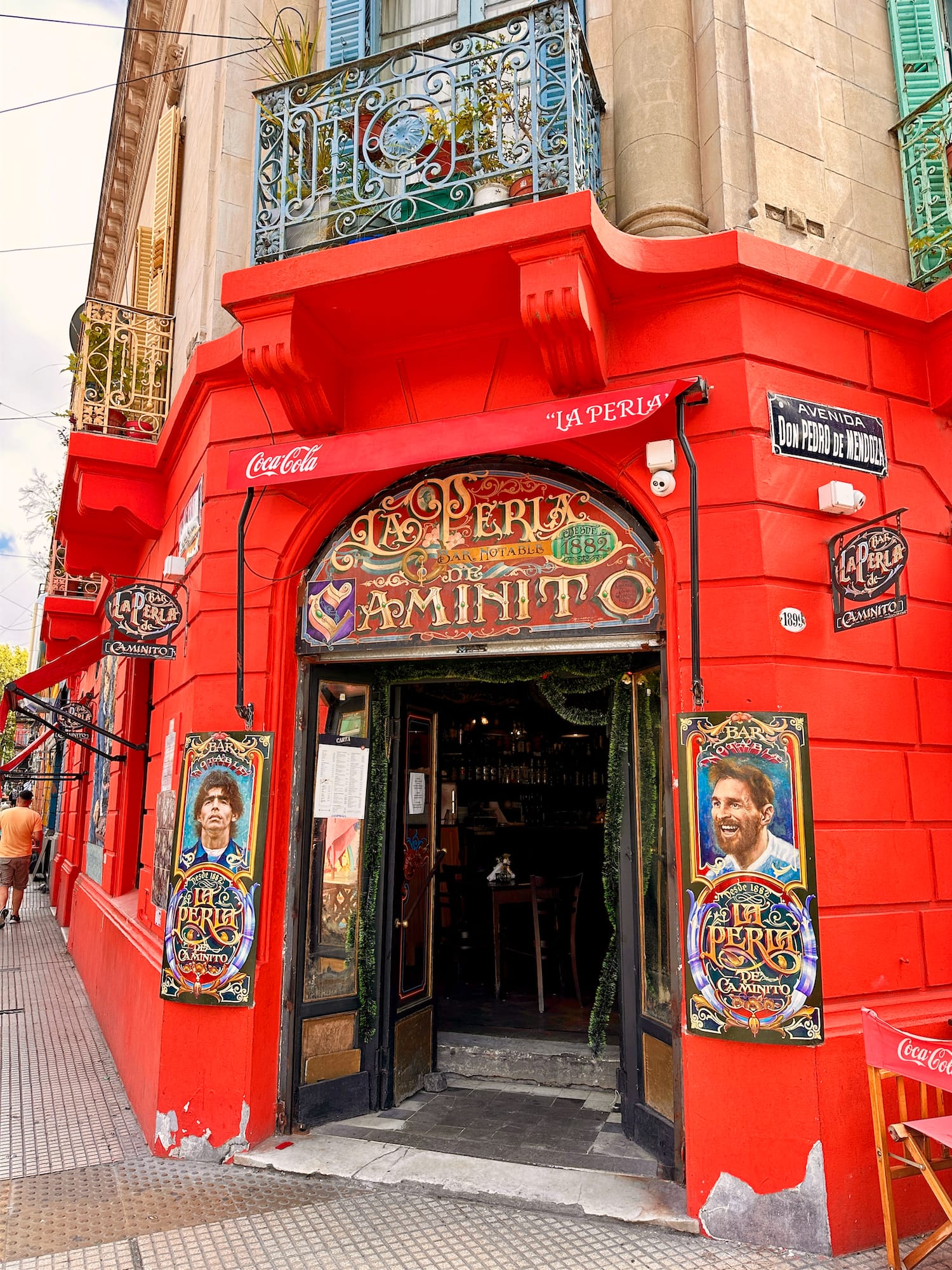
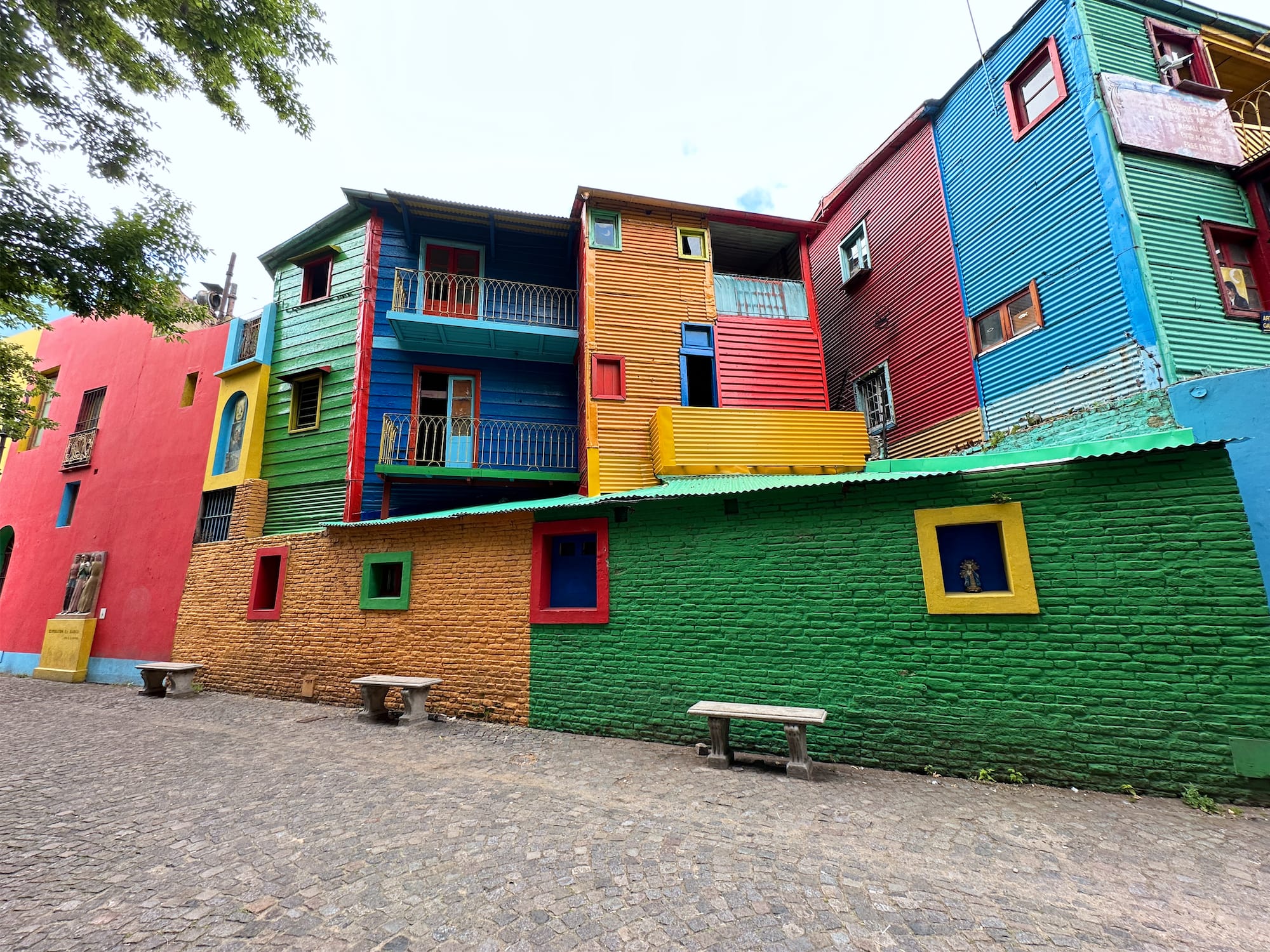
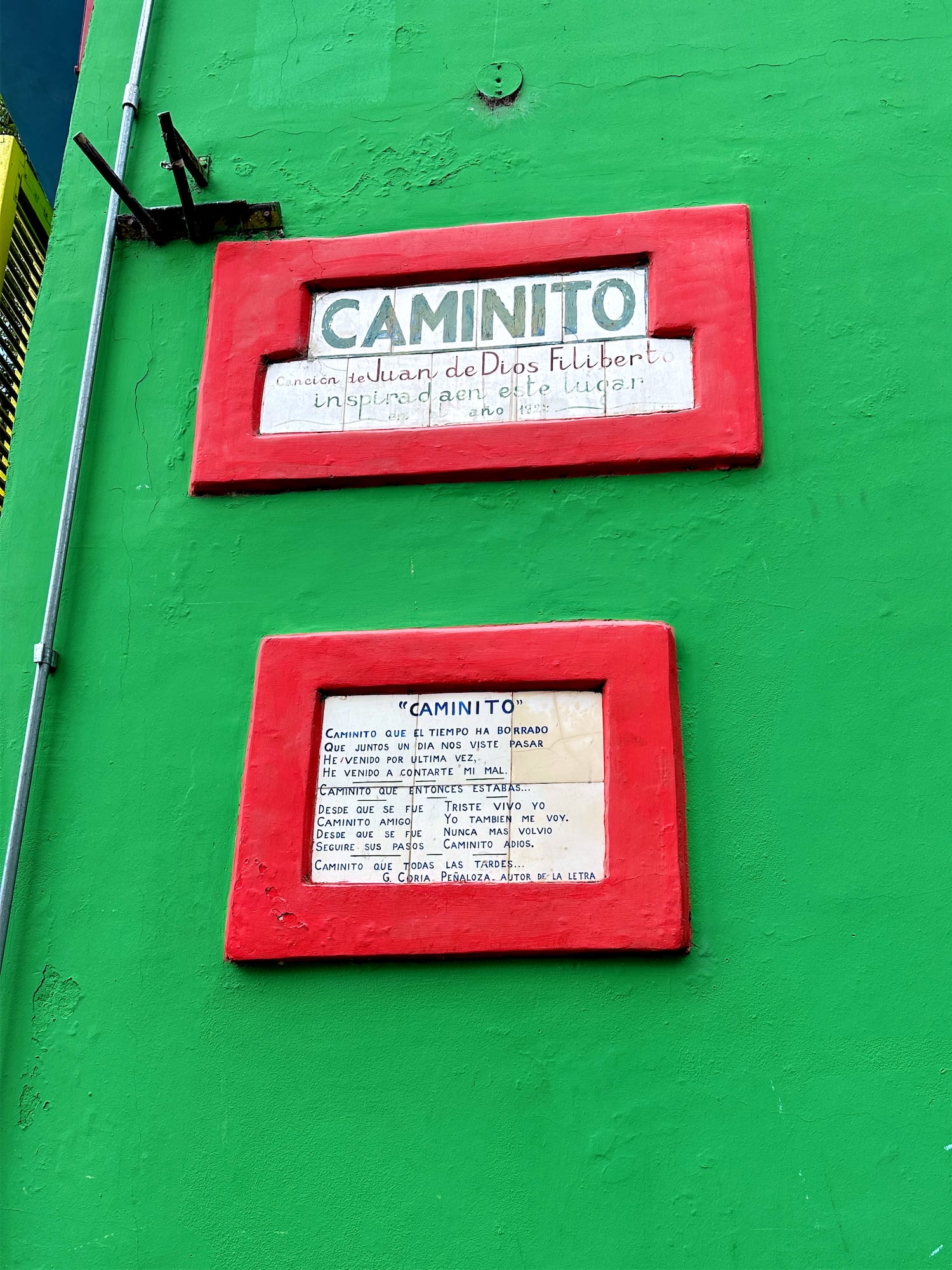
The neighborhood is undoubtedly best known for El Caminito, a street that has now become an open-air museum (Museo de Arte al Aire Libre). In 1959, a painter decided to bring back to this street the bright colors that once characterized it. Immigrants, many of them Italians, used to live here, and they built their homes using the paints and leftover materials from nearby shipyards. The most interesting area is concentrated in just a few streets. The neighborhood does not have the best reputation, so we recommend visiting during the day and getting there by cabify (or taxi).
Parks
In Buenos Aires, you will find countless wonderful parks where you can relax outdoors. During our first day in the city we took a walk through the Parque 3 de Febrero.
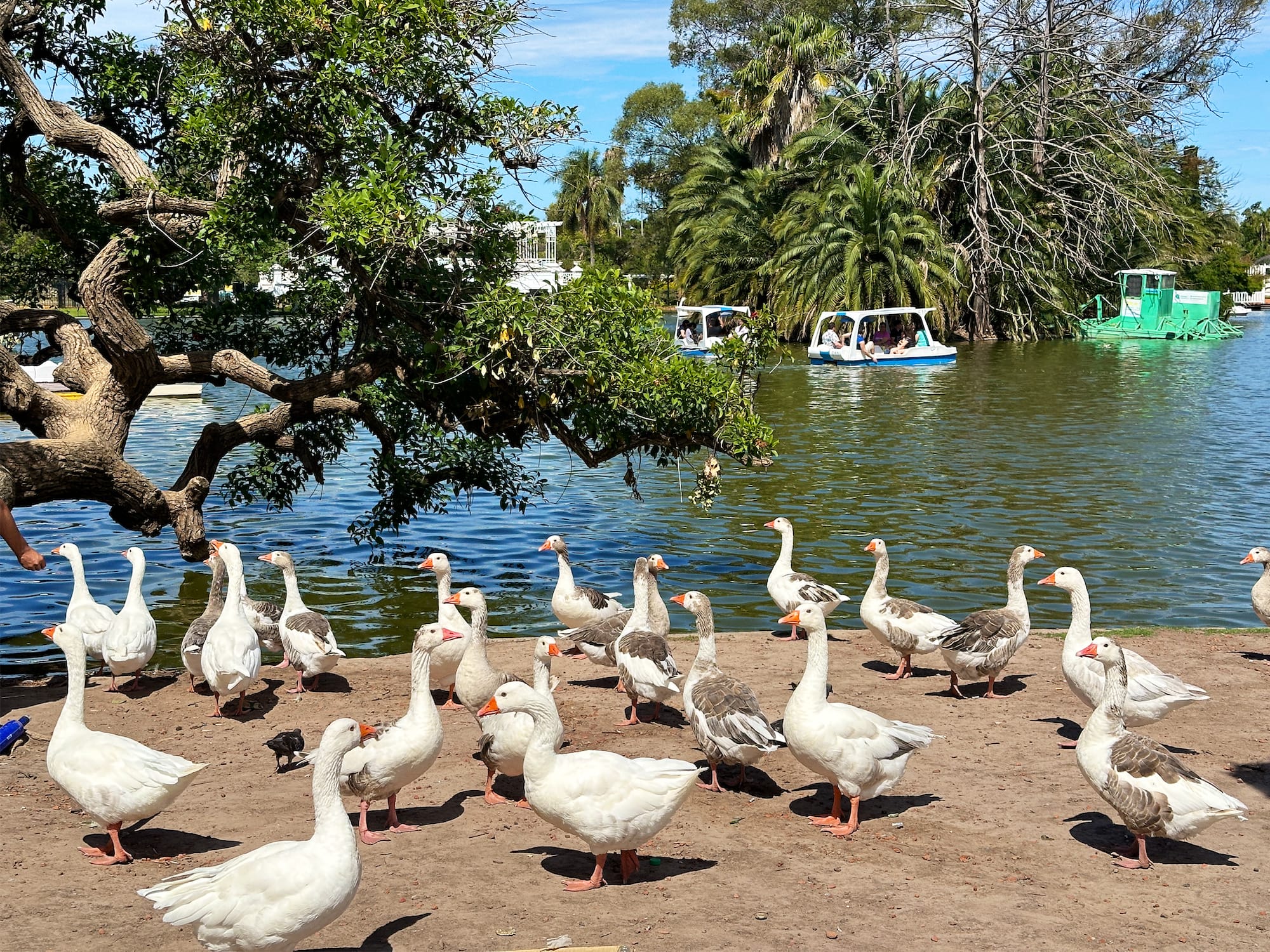
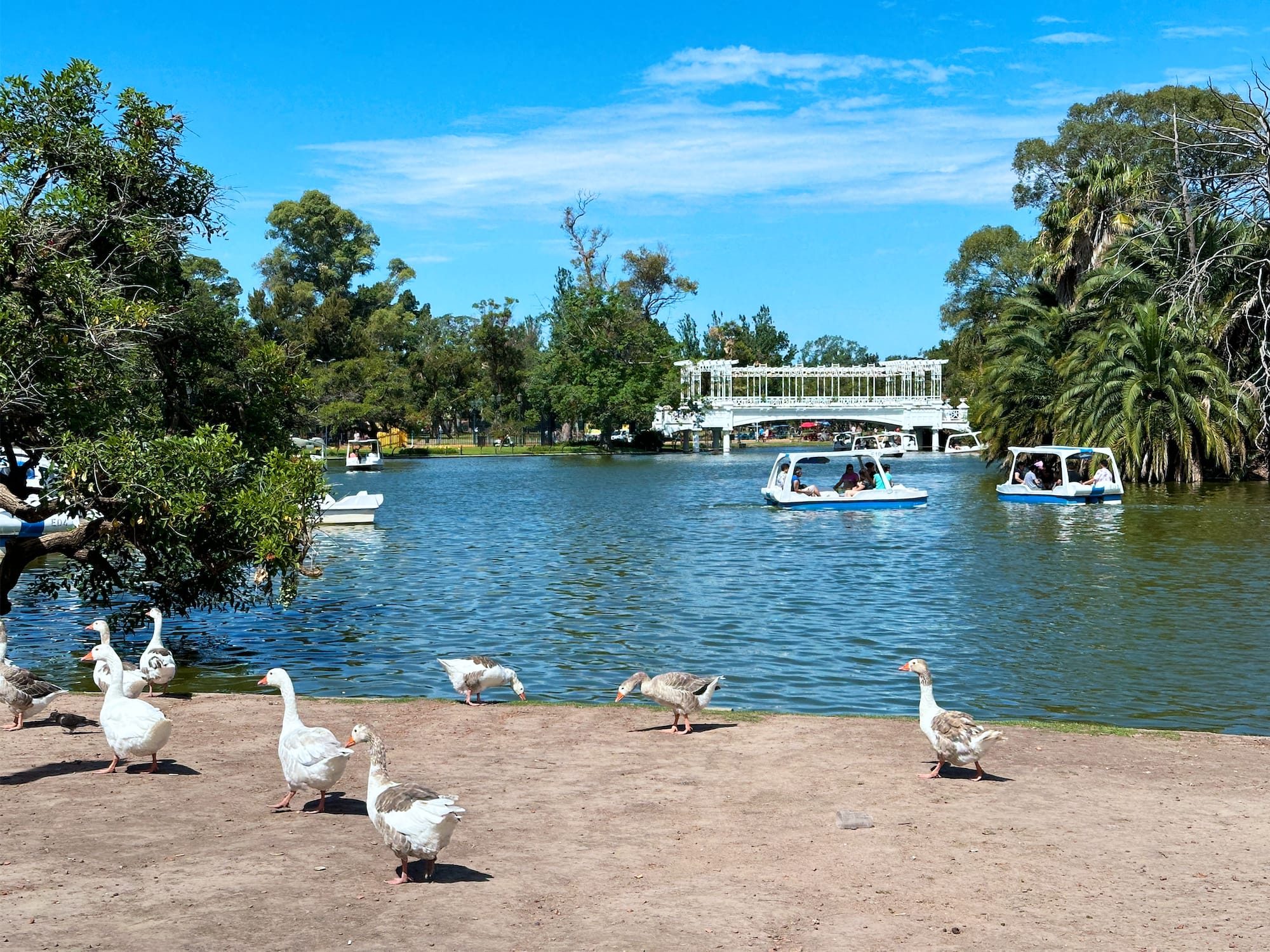
It is huge and full of picturesque ponds, where you can take a pedal-boat ride or watch flocks of white geese swimming peacefully. We were there on January 1st: many people gathered on blankets, eager to spend time together peacefully with friends and family. The heat was quite intense and we were not very well prepared for it, so we ended up buying sunscreen and later also some mosquito repellent, as they were rather annoying.
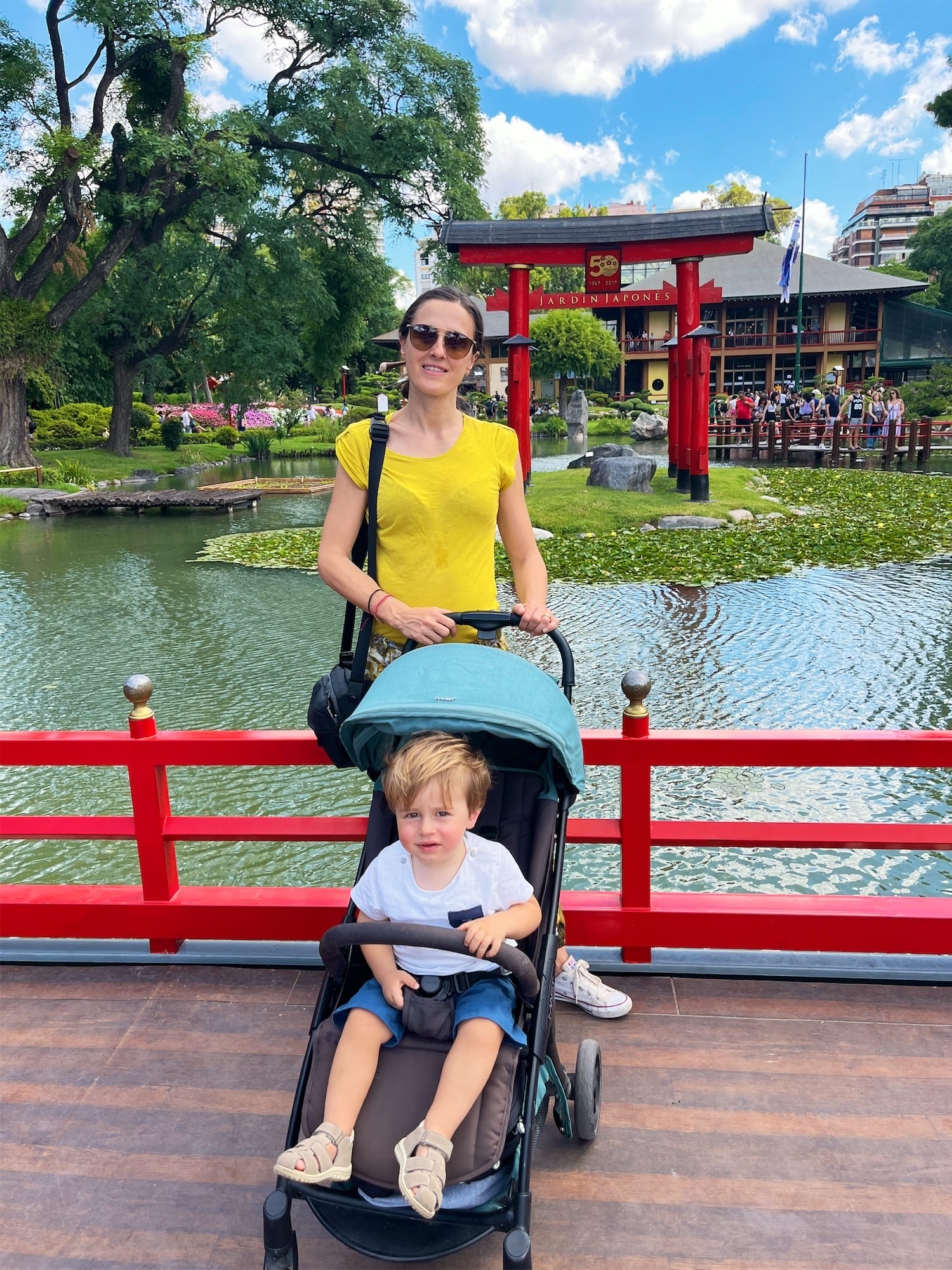
Then continue on to the unmissable Jardín Japonés where you will feel as if you have been teleported to Japan.
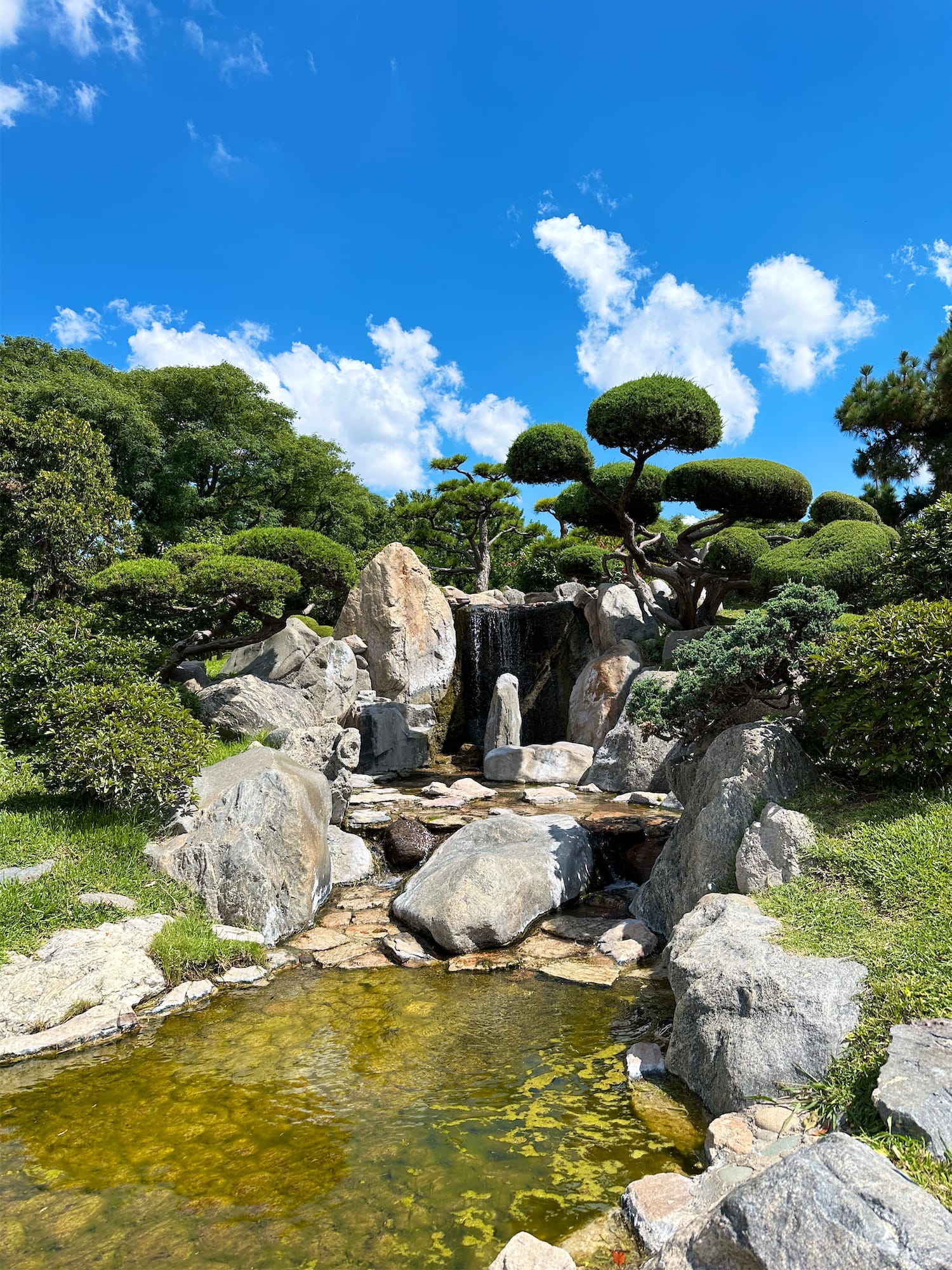
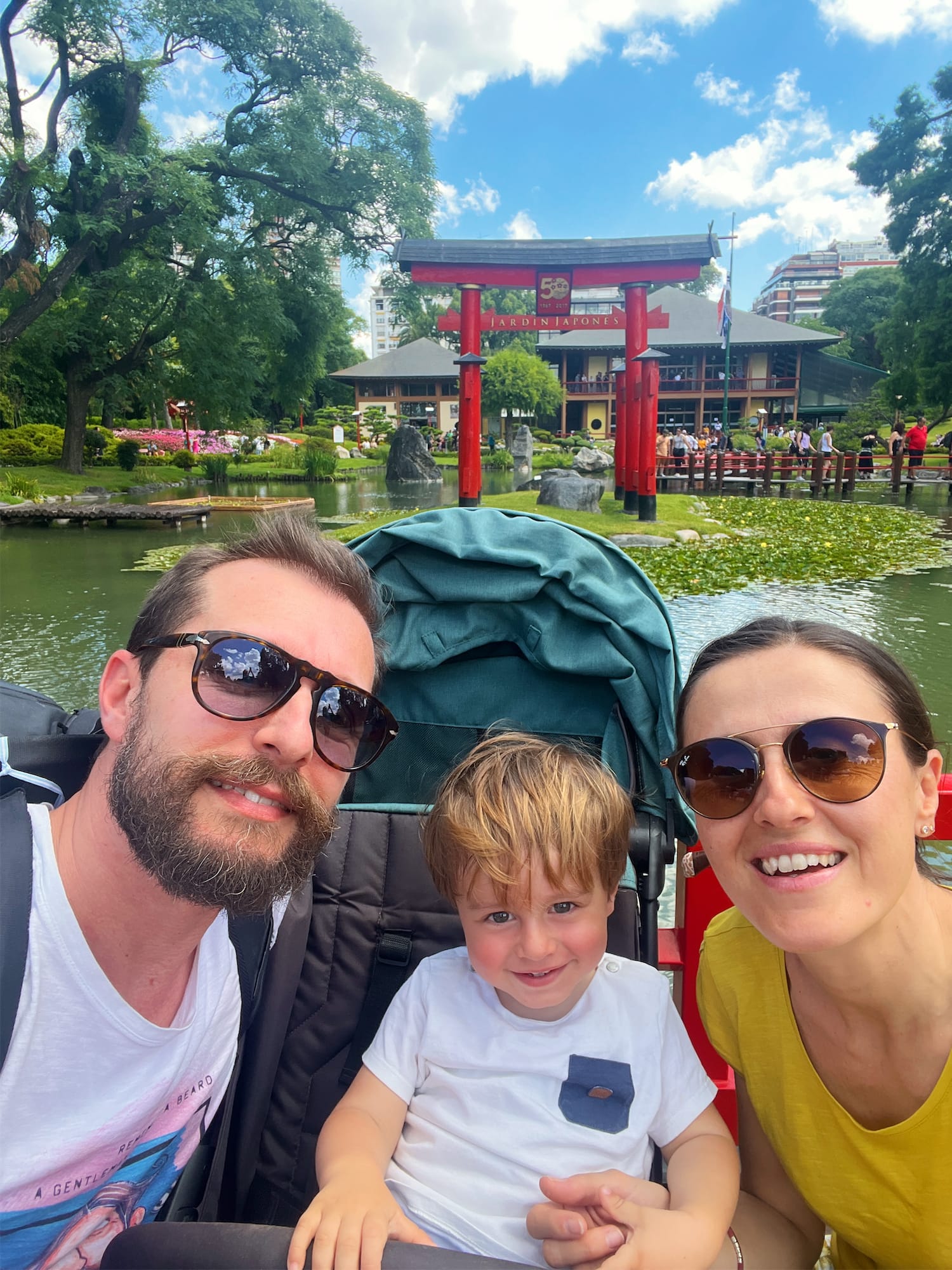
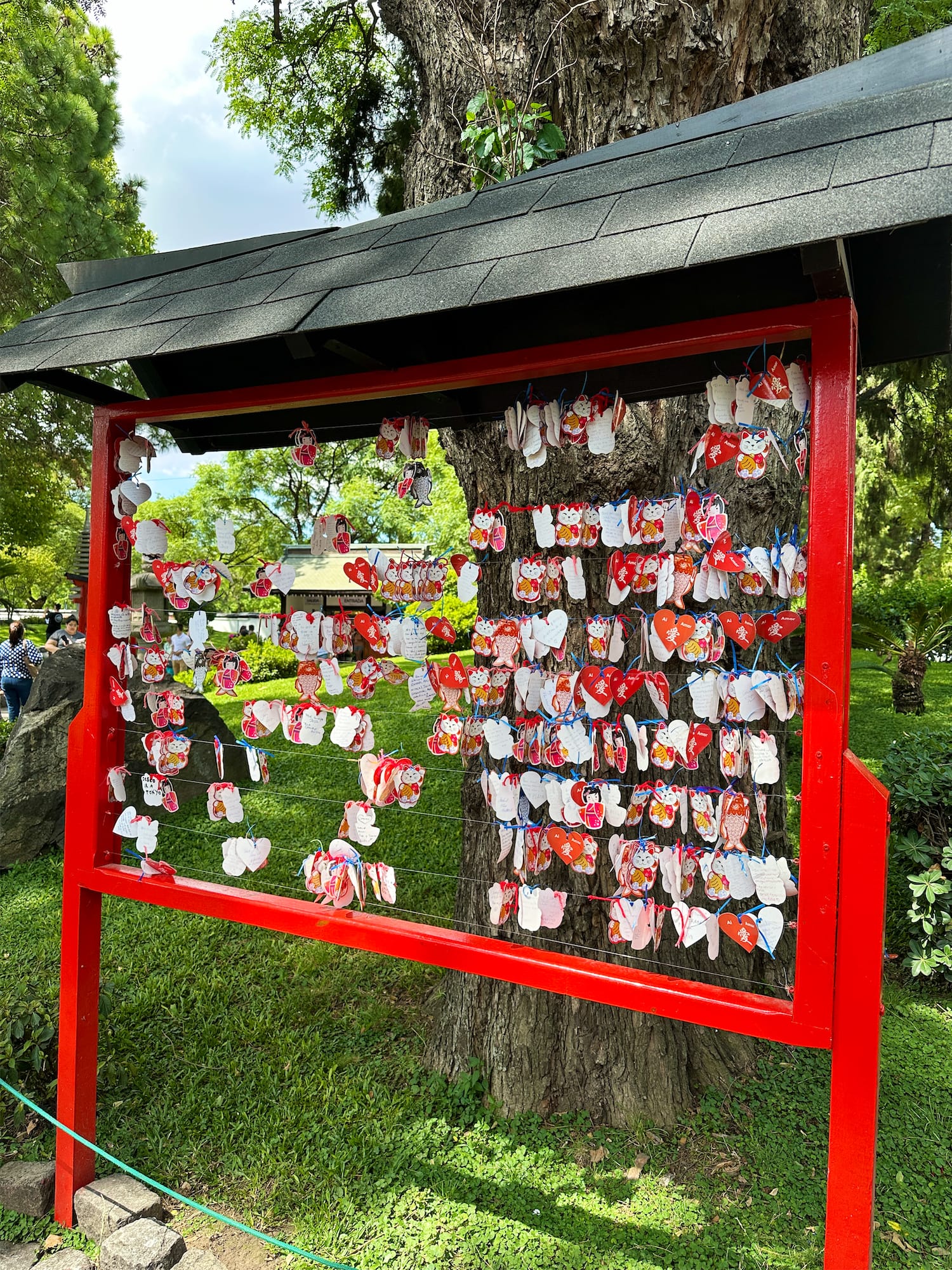
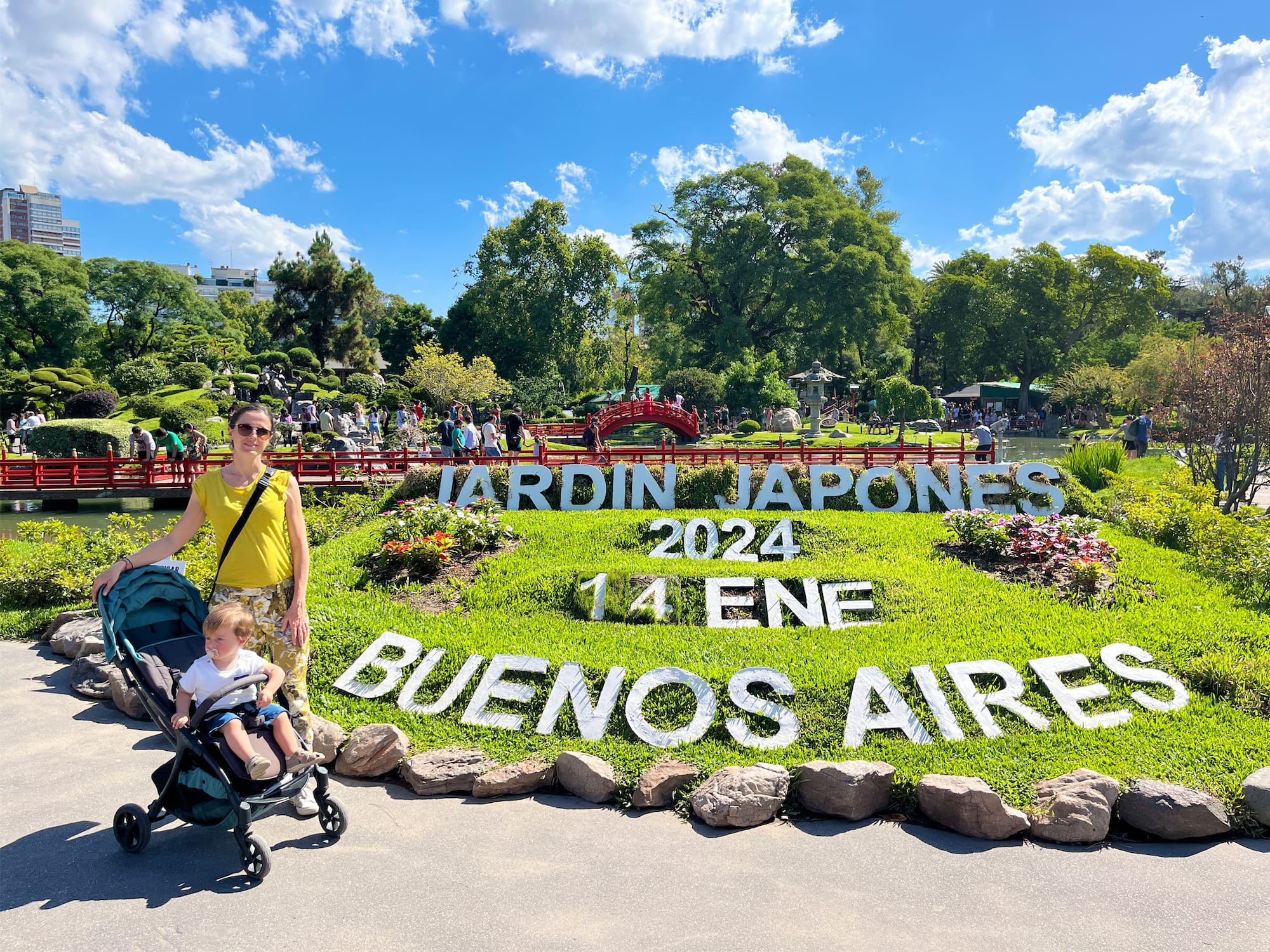
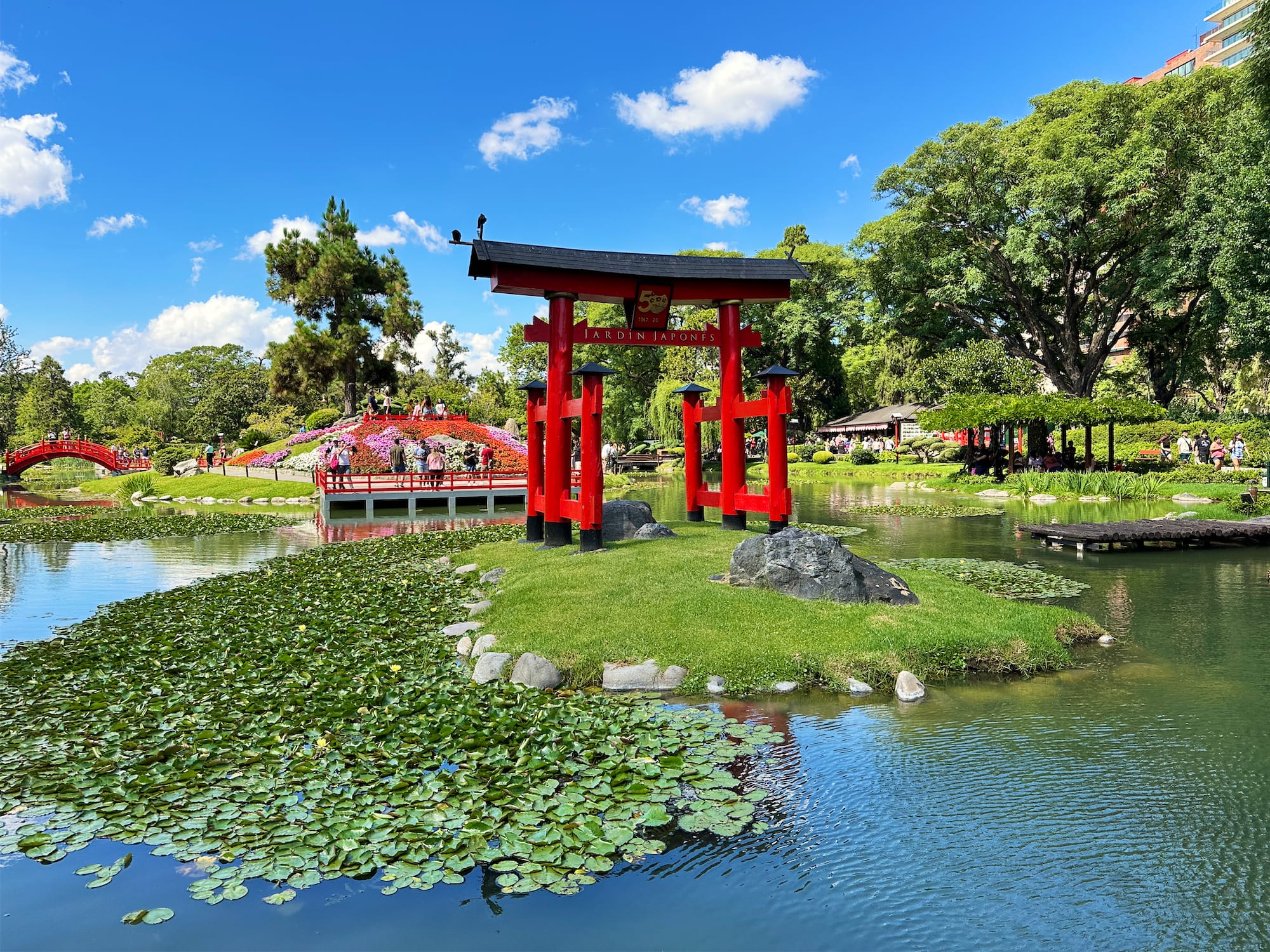
Temples, evocative ponds and small waterfalls, everything has been designed with great care, including the watercolor exhibition in the main building. The small outdoor café is also perfect for a refreshing break or an ice cream.
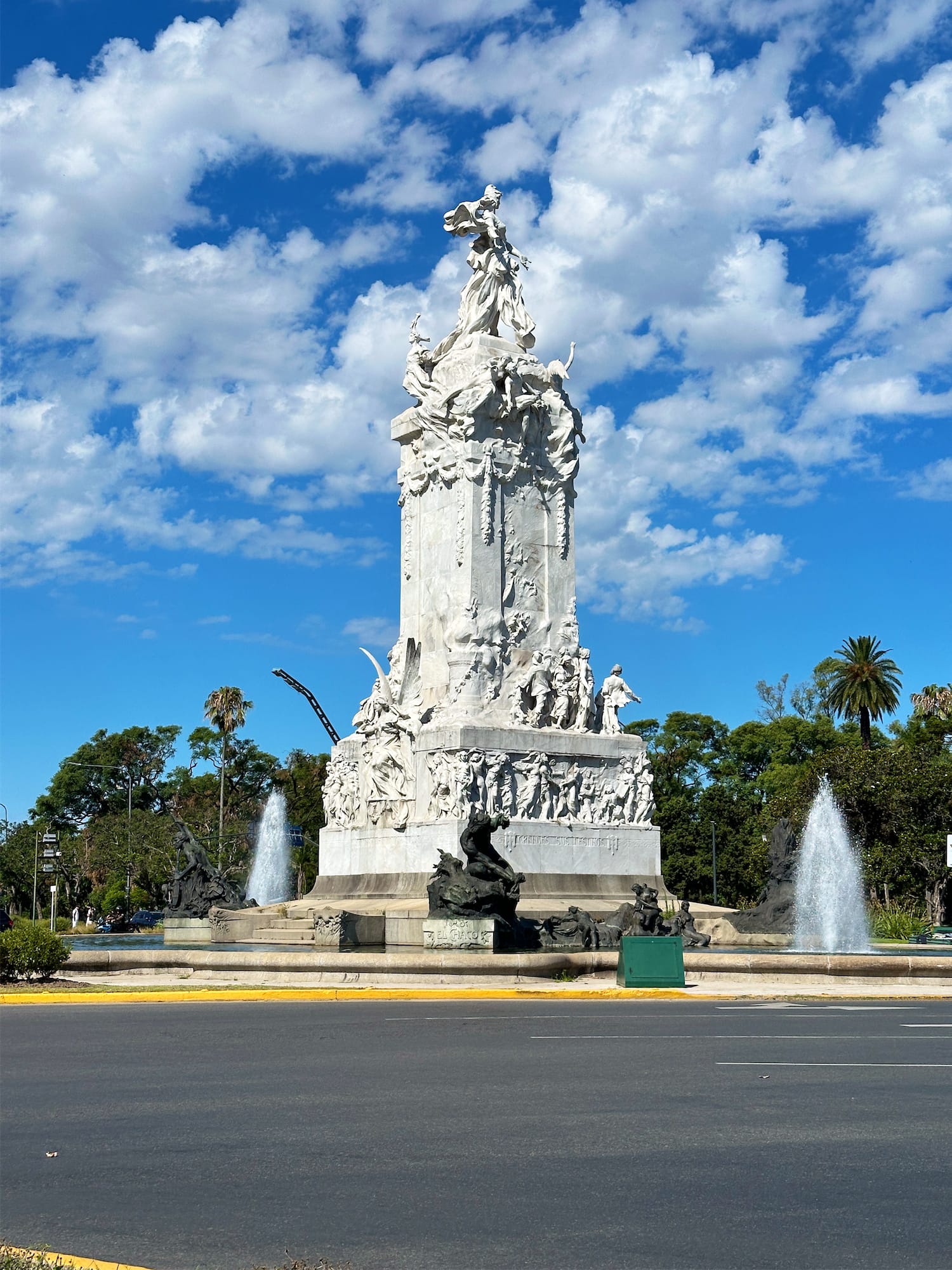
If you are looking for a park where your little ones can have fun, you will find many of them equipped with playgrounds, usually designed for children slightly older than Enea (+6 years). But at the Ecoparque, not far from the Los Españoles, monument, you will find play areas suitable for all ages. Enea had so much fun that he did not want to leave!

Cuisine
A trip to Argentina would not be complete without tasting its delicious cuisine. Buenos Aires is certainly one of the cities with the highest concentration of quality restaurants. Here, grilled meat is one of the tastiest experiences for meat lovers.
Among the restaurants we recommend is Aires Criollos, in the Recoleta neighborhood.
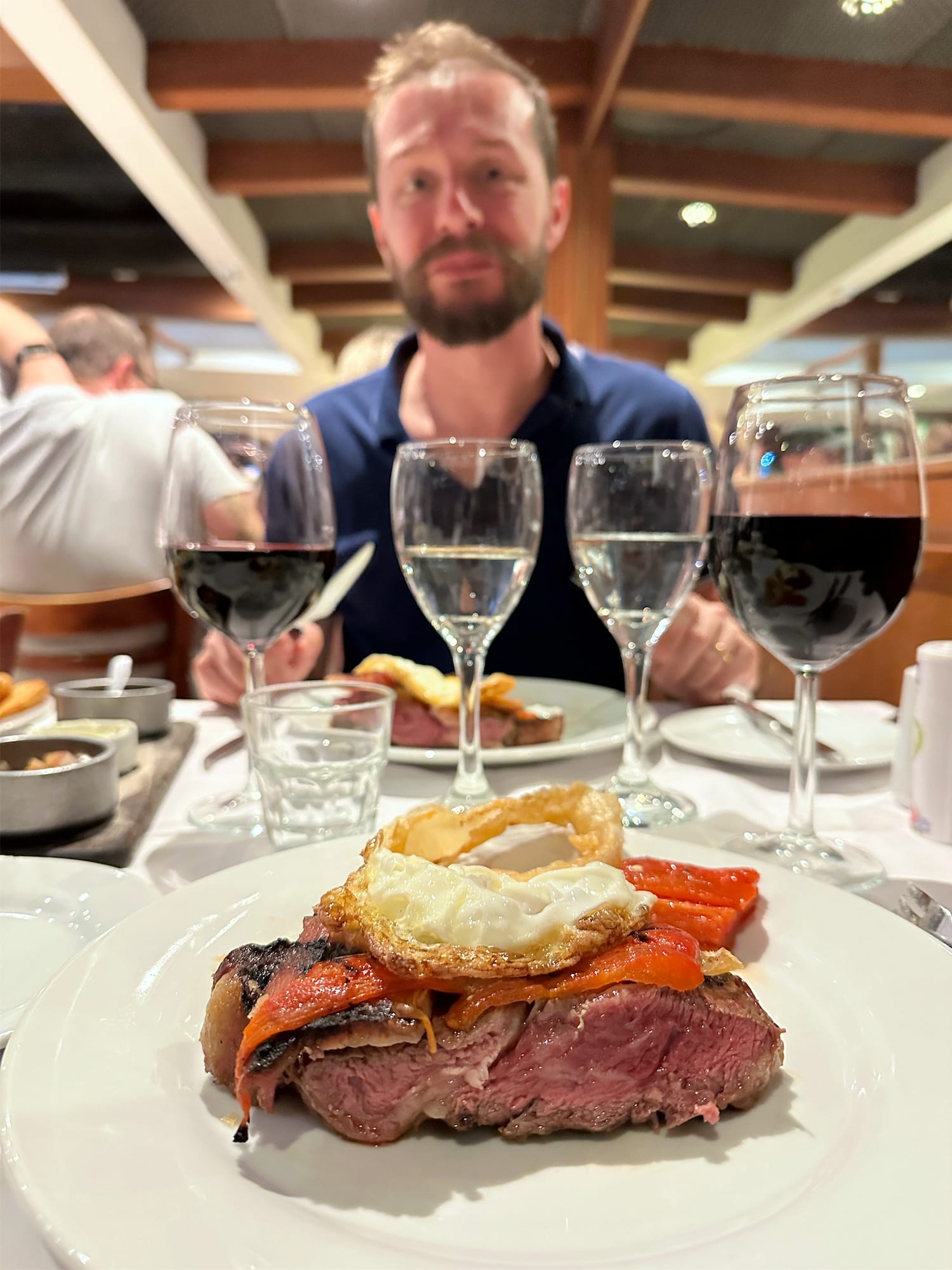
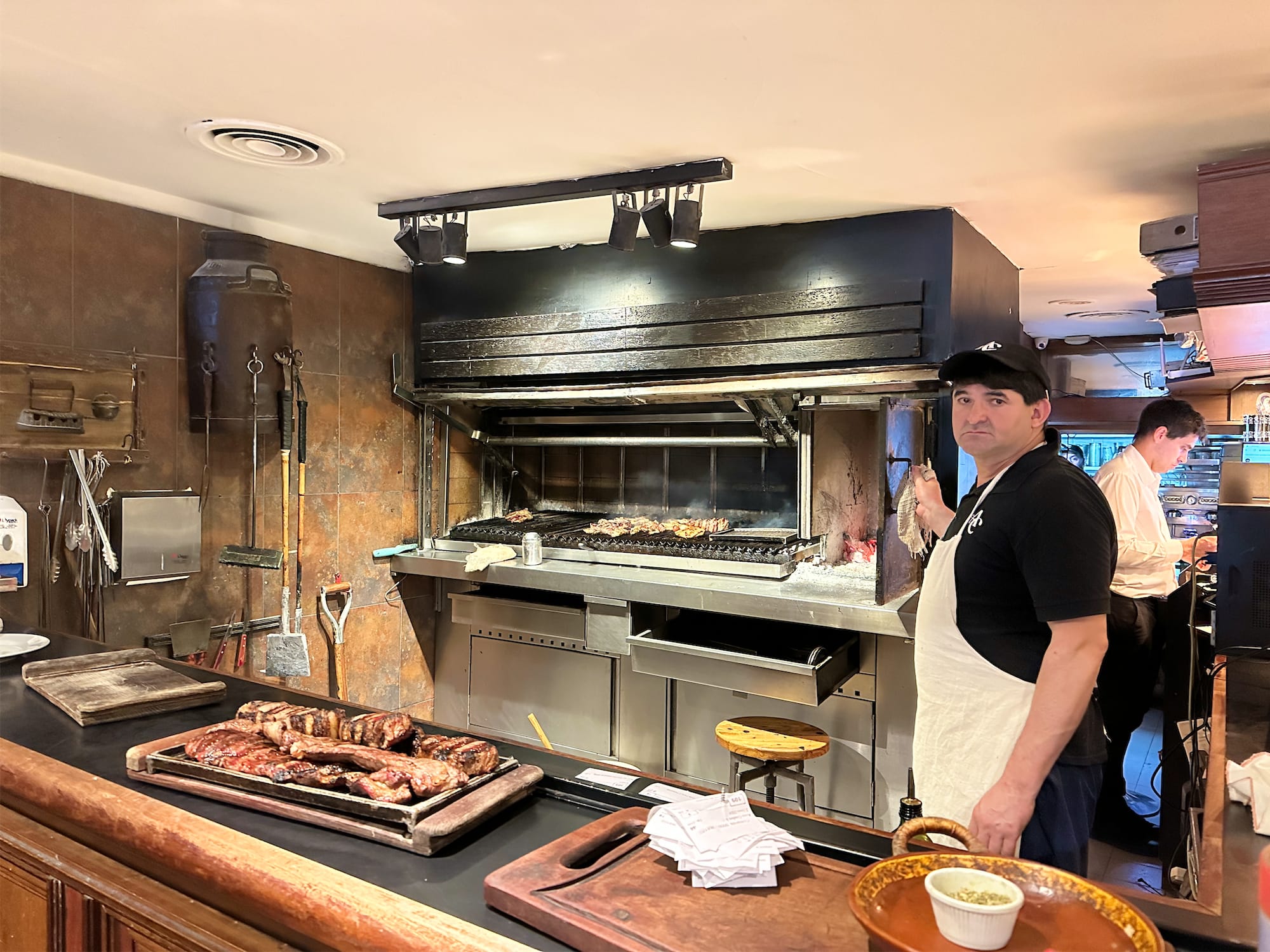
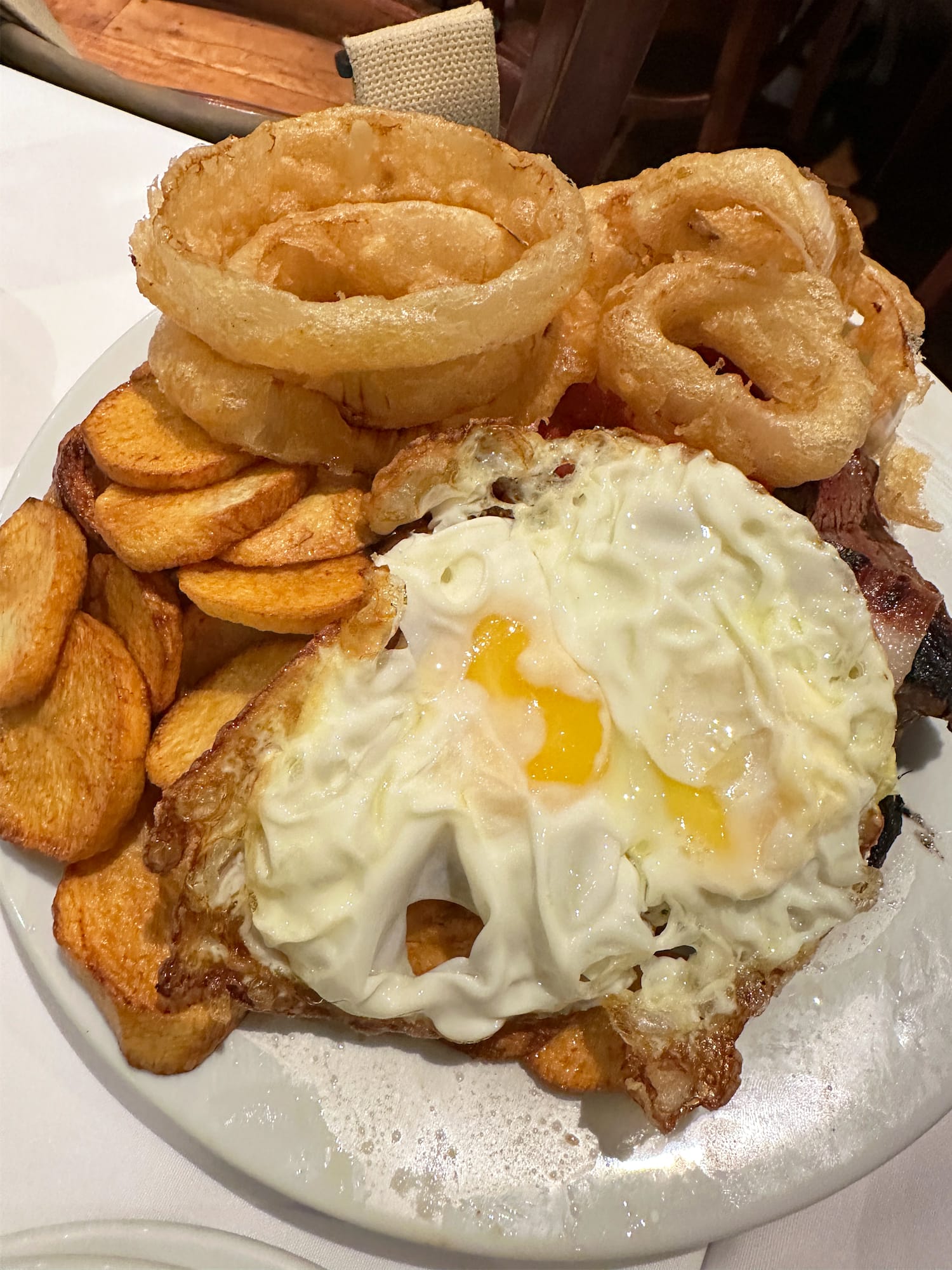
Here we tried an amazing oye de biffe and a chicken thigh (much appreciated by Enea), all served with chimichurri, a very flavorful green sauce.
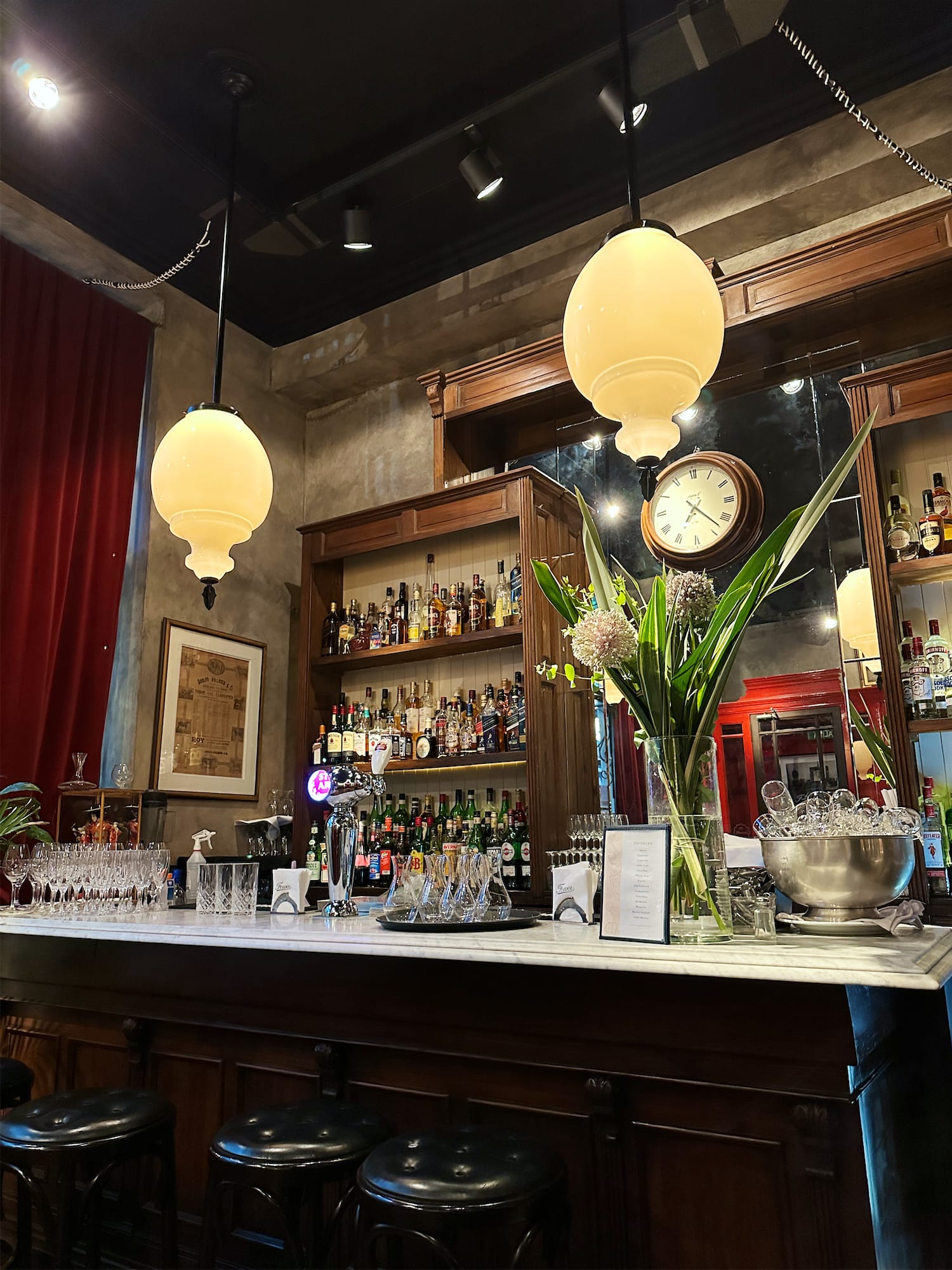
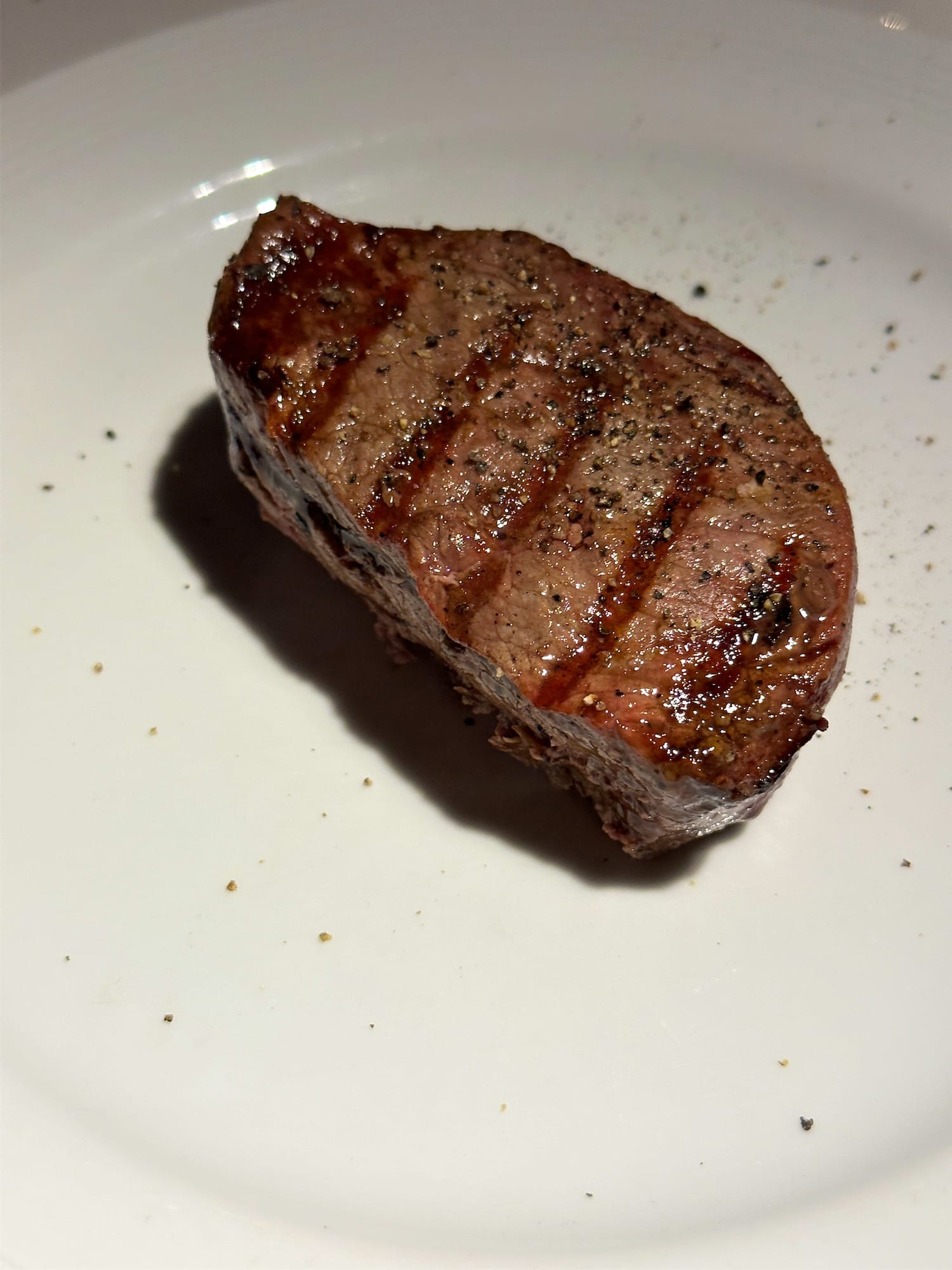
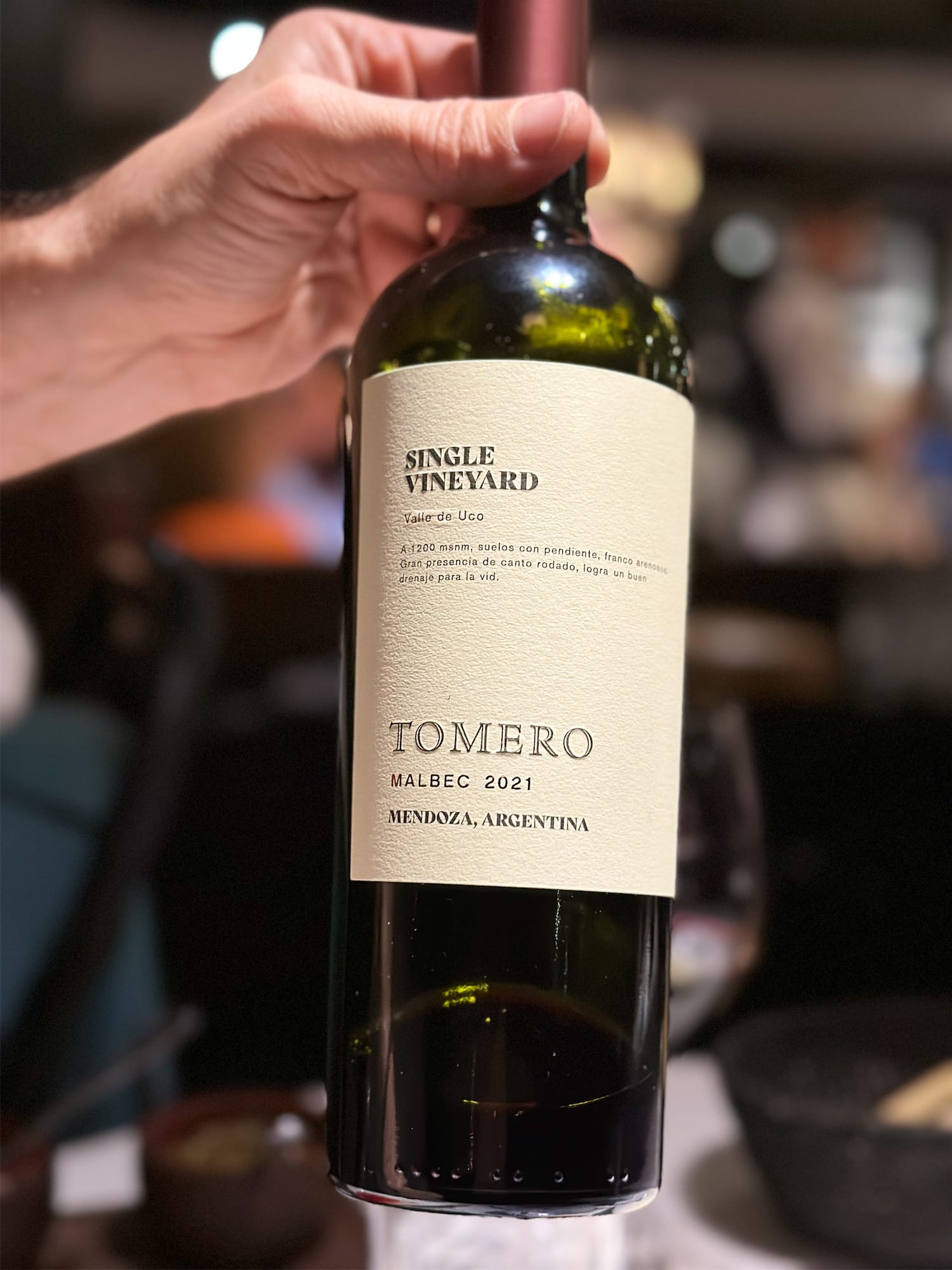
Another unmissable restaurant (we went back twice) to enjoy Argentinian meat is Fervor, in the Retiro neighborhood. Booking is highly recommended and children are very welcome.
Prima di partire
- Where to stay? We chose an Airbnb in the Retiro neighborhood and were very happy with the choice, both for the strategic location to explore the city’s different neighborhoods and because the area was quite quiet even in the evening. We opted for an apartment with a beautiful view from the eleventh floor, in a building with a doorman always present in case of need. Here is the link to Josefina’s Airbnb
- Where to eat? In addition to the unmissable and already mentioned Aires Criollos and Fervor, if you are not looking for local cuisine, we also found a great Italian restaurant just a stone’s throw from home:
- Sottovoce: Here, in addition to kids’ menu options, you will also find pasta dishes, grilled fish, salads and the real Argentinian Milanesa. The Milanesa is exactly what you think it is, a breaded cutlet (without the bone) served in several versions; the most famous is the Milanesa napolitana with ham, cheese, tomato and oregano
- La Carniceria: a former butcher shop turned into a rustic-modern restaurant, a real gem for those who love this style. As always, the meat in BA is outstanding, but here we also appreciated the fish
Comments